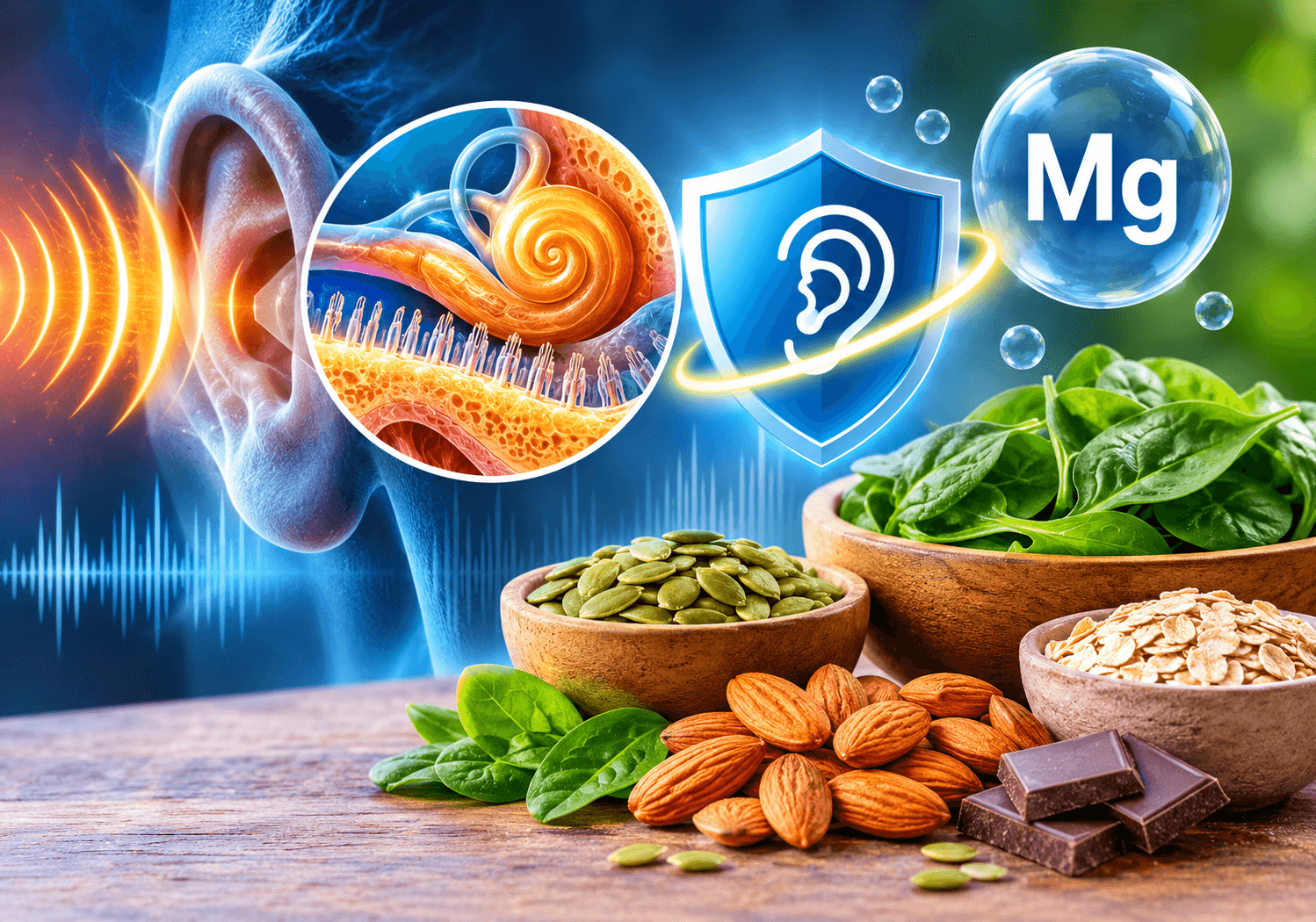
If you spend time around loud concerts, heavy machinery at the gym, construction sites, or even booming headphones, protecting your hearing is a daily priority. While earplugs and noise-canceling headphones remain your first line of defense, researchers and sports nutritionists alike have looked inward at biochemical defenses. Specifically, many health enthusiasts wonder: does magnesium help protect hearing from loud noise?
The short answer is yes, scientific research strongly suggests that magnesium plays a critical role in shielding the delicate structures of the inner ear from the cellular damage caused by acoustic trauma. When loud sound waves hammer your eardrum, they trigger a cascade of free radicals and restrict blood flow to your cochlea. Magnesium acts as a cellular shield, blocking harmful calcium influx, reducing oxidative stress, and maintaining healthy microcirculation in your inner ear.
Quick Answer Box
Does magnesium help protect hearing from loud noise? Yes, clinical and animal studies show that magnesium supplementation can significantly reduce noise-induced hearing loss. By acting as a vasodilator and blocking excessive calcium ion influx into inner ear cells, magnesium neutralizes the harmful free radicals generated by acoustic overstimulation, preserving your long-term auditory function.
The Mechanics of Noise-Induced Hearing Loss
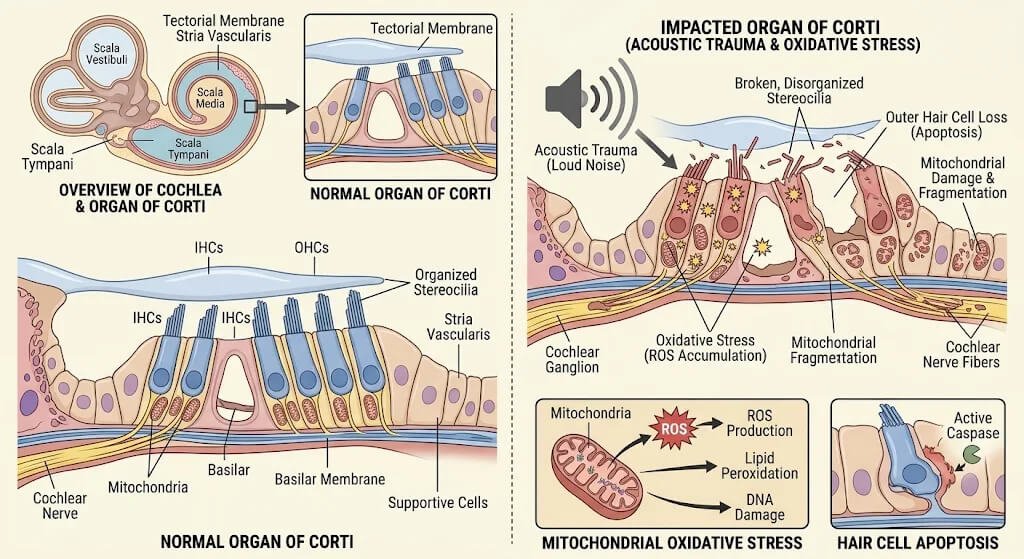
To understand how magnesium protects your ears, you need to look inside the cochlea—the snail-shaped organ in your inner ear responsible for translating sound vibrations into electrical signals your brain understands. Licking inside this microscopic labyrinth are thousands of specialized sensory cells known as hair cells.
When you expose your ears to excessive noise levels (typically anything above 85 decibels, such as a roaring lawnmower, gym clanging, or a loud concert), these hair cells undergo extreme mechanical stress. The violent fluid movement inside the inner ear damages the stereocilia—the tiny hair-like projections on top of these sensory cells.
Worse yet, the physical trauma triggers a massive spike in metabolic activity. This surge starves the cochlea of oxygen and floods the cellular environment with unstable molecules called reactive oxygen species (ROS). These free radicals attack cellular membranes, proteins, and DNA, leading to cell death and permanent hearing loss. Supporting your body’s foundational nutrient balance, much like ensuring you get the right vitamins to support normal energy metabolism, helps cells withstand acute metabolic stressors.
How Magnesium Interacts with Auditory Cells
Magnesium is an essential mineral involved in over 300 enzymatic reactions in the human body. When it comes to auditory health, magnesium works through three primary protective mechanisms:
1. Vasodilation and Blood Flow Regulation
Loud noise causes the blood vessels in the inner ear to constrict sharply. This vasoconstriction dramatically cuts off the supply of oxygen and essential nutrients to the cochlea. Magnesium is a natural vasodilator—it helps relax the smooth muscles lining your blood vessels, keeping microcirculation open so oxygenated blood can reach vulnerable auditory tissues during and after noise exposure.
2. Blocking Calcium Overload (Excitotoxicity)
During acoustic overstimulation, sensory cells in the cochlea are flooded with calcium ions. This sudden influx overexcites the cells, triggering destructive cellular pathways that lead to cell death (apoptosis). Magnesium acts as a physiological calcium channel blocker, preventing this dangerous ion overflow and keeping cellular signaling under tight control.
3. Free Radical Scavenging and Antioxidant Defense
The oxidative stress generated by loud noise destroys cellular components through lipid peroxidation. Magnesium enhances the body’s natural antioxidant defenses, neutralizing free radicals before they can permanently shred the delicate membranes of your outer and inner hair cells. When looking at overall vitality, ensuring your body has the right vitamins support metabolism and cellular repair ensures faster recovery from physical stressors.
What Clinical Research and Human Studies Show
For decades, military researchers, audiologists, and occupational health scientists have studied the otoprotective (ear-protecting) effects of magnesium. Because military personnel and industrial workers face constant risks of noise-induced hearing loss (NIHL), finding accessible countermeasures is vital.
Multiple peer-reviewed studies published in journals such as Otolaryngology–Head and Neck Surgery and the American Journal of Otolaryngology have evaluated magnesium supplementation. In controlled trials involving both human subjects and animal models exposed to intense noise, subjects who received magnesium pre-treatment experienced significantly smaller temporary threshold shifts (TTS)—meaning their hearing recovered much faster and more completely than control groups.
Furthermore, researchers found that combining magnesium with antioxidants like vitamins A, C, and E provided a synergistic defense against acoustic trauma. While getting adequate best vitamins for energy and recovery helps your musculoskeletal system bounce back from tough workouts, specialized nutrient combinations are equally crucial for sensory tissue preservation.
Comparison of Magnesium Research and Supplementation Protocols
| Study / Trial Context | Magnesium Form Used | Dosage Range | Key Finding on Hearing Protection |
| Military Noise Exposure | Magnesium Aspartate / Chloride | 122 mg – 250 mg elemental daily | Reduced permanent threshold shift following impulse noise exposure. |
| Occupational Noise Study | Magnesium Gluconate | 110 mg – 150 mg daily | Decreased temporary hearing loss in factory workers operating heavy machinery. |
| Animal Acoustic Trauma Trial | Magnesium Sulfate / Threonate | Equivalent scaling to human dosing | Prevented excessive calcium influx and reduced outer hair cell apoptosis. |
| General Wellness Protocol | Magnesium Glycinate / Malate | 200 mg – 400 mg daily | Supports baseline microcirculation and cellular antioxidant defenses. |
Practical Application: How to Use Magnesium for Noise Protection
If you plan to attend a loud concert, work in a noisy environment, or operate heavy power tools, timing your nutrient intake can optimize your physiological defenses. However, always remember that supplements do not replace physical barriers like earplugs.
Choosing the Right Form of Magnesium
Not all magnesium supplements are absorbed equally by the body. If you want to support your auditory health and overall wellness while learning how to support metabolism naturally, selecting a bioavailable form is key:
- Magnesium Glycinate: Gentle on the stomach, highly absorbable, and excellent for daily use and muscle relaxation.
- Magnesium L-Threonate: Known for its ability to cross cellular membranes effectively.
- Magnesium Malate: Great for daytime use, supporting cellular energy production alongside mineral balance.
Dosage and Timing Guidelines
Clinical studies investigating noise protection typically administered elemental magnesium doses ranging from 120 mg to 300 mg daily, often initiated a few days prior to expected high-noise exposure and continued during the exposure period. Always consult a healthcare professional before adding high-dose mineral supplements to your daily routine, especially if you take prescription medications or have underlying health conditions.
Coach’s Tip: Earplugs First, Supplements Second
As a coach, I see many people rely entirely on quick fixes while ignoring fundamental safety habits. Magnesium is a powerful internal cellular shield, but it cannot stop a 115-decibel rock concert from physically fracturing your stereocilia on its own. Always wear high-fidelity musician earplugs or industrial earmuffs first. Treat magnesium as your inner defensive line, not your primary body armor.
Dietary Magnesium Sources for Everyday Protection
While supplementation offers targeted support, you can also boost your magnesium intake through whole foods. Incorporating these nutrient-dense options into your daily diet supports not only your ears but also your general vitality, helping you improve daily energy without caffeine slumps:
- Dark Leafy Greens: Spinach, Swiss chard, and kale.
- Nuts and Seeds: Pumpkin seeds, chia seeds, almonds, and cashews.
- Whole Grains: Quinoa, brown rice, and oats.
- Legumes: Black beans, lentils, and chickpeas.
- Dark Chocolate: High-cacao chocolate is surprisingly rich in elemental magnesium.

Common Mistakes to Avoid When Using Magnesium
When individuals start taking supplements for health or hearing support, they often fall into common traps that reduce effectiveness or cause unwanted side effects.
Common Mistake: Taking Cheap Forms in Too High Doses
Taking cheap magnesium oxide in massive doses will not protect your ears better; it will simply cause severe gastrointestinal distress and diarrhea due to its low bioavailability. Stick to chelated forms like glycinate or malate, and stay within recommended daily allowances unless guided by a medical professional.
Another frequent error is ignoring hydration. Magnesium requires adequate water intake to transport across cellular membranes effectively and maintain electrolyte balance throughout the body, including the inner ear fluids (endolymph and perilymph).
Safety Notes and Limitations
While magnesium is generally safe for the vast majority of healthy adults, certain individuals must exercise caution:
- Kidney Function: People with impaired kidney function cannot efficiently excrete excess magnesium, which can lead to dangerous toxicity.
- Medication Interactions: Magnesium can interact with certain antibiotics, muscle relaxants, and blood pressure medications.
- Existing Hearing Loss: Magnesium can help protect against future or ongoing acoustic damage, but it cannot magically reverse permanent, long-standing sensorineural hearing loss or restore dead hair cells.
Ensuring your body gets the right vitamins support metabolism when deficient is important, but always run any new supplement regimen past your primary care doctor or an audiologist.
Frequently Asked Questions
Does taking magnesium stop ringing in the ears (tinnitus)?
Magnesium may help reduce noise-induced tinnitus severity if the ringing is linked to acute acoustic trauma, vasospasm, or inner ear oxidative stress. However, tinnitus has many different root causes—including neurological factors and vascular issues—so magnesium is not a universal cure for all types of ringing.
How much magnesium should I take before going to a loud concert?
Most clinical studies investigating noise-induced hearing loss utilized daily preventative doses between 120 mg and 300 mg of elemental magnesium. It is best to start supplementation a day or two prior to the event and maintain a balanced intake through whole foods and approved supplements.
Can magnesium reverse permanent hearing loss from loud noise?
No. Once inner ear hair cells and auditory nerve fibers are completely destroyed by severe or prolonged acoustic trauma, they do not regenerate in humans. Magnesium acts as a protective agent to prevent or minimize damage, not as a regenerative cure for existing permanent hearing loss.
Is magnesium glycinate better than other forms for ear health?
Magnesium glycinate is widely recommended because it has high bioavailability, is gentle on the stomach, and does not cause the laxative side effects commonly associated with cheaper forms like magnesium oxide. This makes it ideal for consistent, long-term daily supplementation.
Can I get enough magnesium from food alone to protect my ears?
Eating a balanced diet rich in leafy greens, nuts, seeds, and whole grains provides an excellent baseline of magnesium for overall health. However, during intense or unexpected high-noise events, targeted supplementation can help ensure your inner ear tissues have optimal cellular concentrations.
Conclusion
Does magnesium help protect hearing from loud noise? The scientific evidence confirms that maintaining optimal magnesium levels provides a powerful biochemical defense for your inner ear. By regulating blood flow, blocking harmful calcium over-excitation, and neutralizing destructive free radicals, magnesium helps your auditory cells weather the storm of acoustic trauma. Combine daily dietary magnesium or targeted supplementation with physical ear protection, and you give your ears the ultimate shield against noise-induced hearing loss.