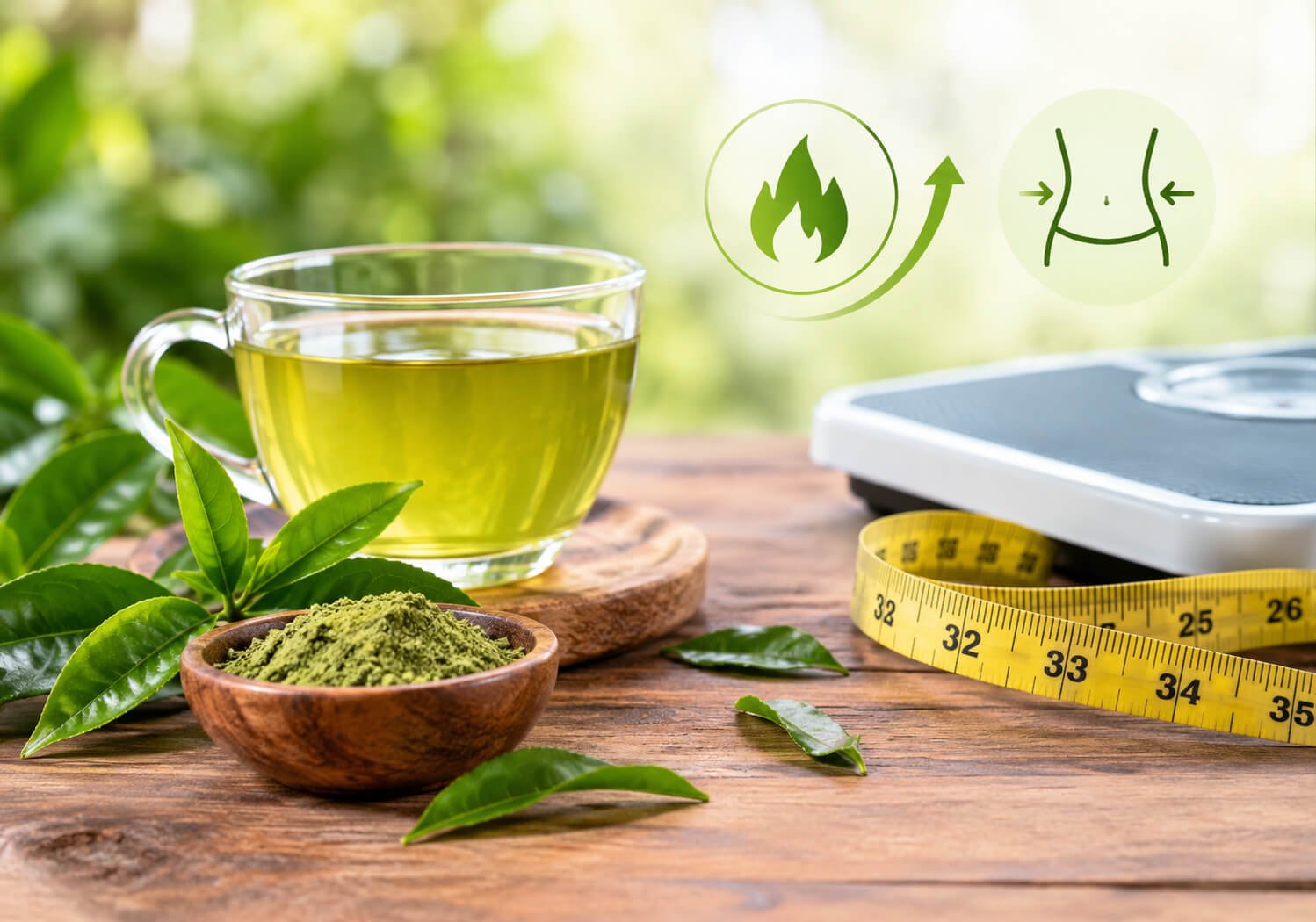
Does green tea extract burn fat? This is one of the most frequently asked questions in the wellness and fitness community. If you are exploring natural ways to shed stubborn pounds, you have likely encountered claims promoting green tea extract for weight loss. But do these concentrated dietary supplements live up to the hype, or are they just another overhyped wellness trend?
To give you the short answer right up front: yes, green tea extract can provide a modest boost to weight loss and fat burning, but it is far from a magic bullet. Backed by extensive scientific research from institutions like the National Institutes of Health (NIH) and the European Food Safety Authority (EFSA), green tea extract functions as a mild natural fat burner and thermogenic supplement thanks to its rich concentration of bioactive plant compounds. However, its actual weight-loss impact is typically small—usually resulting in a loss of an extra 1 to 3 pounds over several weeks when combined with a healthy diet and regular exercise. Furthermore, high-dose supplements carry rare but serious safety caveats, particularly regarding liver health.
In this comprehensive guide, we will examine what the science actually says about green tea extract for weight loss, how its key compounds work inside the body, the proven health benefits, potential side effects, safe dosage guidelines, and how it compares to drinking brewed green tea or matcha.
What Is Green Tea Extract?
Green tea extract is a concentrated form of green tea (Camellia sinensis). While a traditional cup of brewed green tea delivers beneficial antioxidants in a diluted, soothing beverage, an extract condenses these active compounds into powerful dietary supplements. Manufacturers achieve this concentration by steeping, drying, and extracting the potent components of the tea leaves into capsules, powders, and liquid drops.
Green Tea Extract vs. Green Tea vs. Matcha
Understanding the differences between these three common forms of green tea helps clarify why extracts behave differently in the body:
- Brewed Green Tea: The traditional beverage created by steeping loose leaves or tea bags in hot water. It provides hydration, moderate caffeine, and beneficial catechins, but in much lower concentrations per serving than supplements.
- Matcha: A powdered form of whole green tea leaves grown in the shade. Because you consume the entire leaf suspended in water rather than just the brewed liquid, matcha delivers higher antioxidant levels than standard brewed green tea, though still less concentrated than isolated extracts.
- Green Tea Extract: A highly concentrated dietary supplement that isolates specific polyphenols. A single capsule of standardized green tea extract can contain the equivalent antioxidant power of multiple cups of brewed tea, making it a potent thermogenic supplement.
Key Compounds: EGCG, Catechins, and Caffeine
The biological activity of green tea stems from its unique phytochemical profile. It is packed with polyphenols known as green tea catechins. Among these, epigallocatechin gallate (EGCG) is the most abundant and biologically active. EGCG is widely recognized as a powerful antioxidant that combats cellular damage, reduces inflammation, and drives the metabolic effects associated with EGCG for weight loss.
Additionally, green tea extract contains a modest amount of caffeine. While caffeine alone is a well-known stimulant, its synergy with EGCG creates a powerful metabolic duo that enhances fat oxidation far beyond what either compound achieves independently.
Common Forms: Capsules, Powder, Liquid Extract, and Decaf Green Tea Extract
Green tea extract is commercially available in several formats to suit different lifestyle preferences:
- Green tea extract capsules: The most popular and convenient form, allowing for precise dosing (often standardized to 500 mg per serving).
- Green tea extract powder: Versatile for mixing into smoothies or water, though it often has a bitter, astringent taste.
- Liquid extract: Fast-absorbing drops that can be added to beverages.
- Decaffeinated green tea extract: Ideal for individuals sensitive to stimulants who want the antioxidant and metabolic benefits without the caffeine jitters.
How Does Green Tea Extract Help With Weight Loss?
The physiological mechanisms through which green tea extract impacts body weight are rooted in cellular metabolism and thermogenesis. Clinical studies suggest that the combination of catechins and caffeine targets energy expenditure in several specific ways.
Boosts Metabolism and Thermogenesis
Thermogenesis is the process by which your body burns calories to produce heat. As a potent metabolism boosting supplement, green tea extract stimulates the sympathetic nervous system, encouraging the body to expend more energy even at rest. Research indicates that regular supplementation can increase resting metabolic rate by roughly 3 to 4 percent, meaning your body burns slightly more calories throughout the day without additional physical exertion.
Increases Fat Oxidation and Fat Burning
Beyond raising overall calorie expenditure, green tea extract specifically alters how the body utilizes macronutrients. By inhibiting an enzyme that breaks down norepinephrine (a hormone involved in fat breakdown), EGCG prolongs the hormonal signal telling fat cells to break down stored fat. This process, known as fat oxidation, increases the proportion of fat burned for energy during both rest and exercise, making it a popular choice as a green tea fat burner.
Appetite and Cravings: Does It Work?
One common question among dieters is whether green tea extract suppresses appetite. Unlike pharmaceutical weight-loss medications that heavily target neural pathways controlling hunger, green tea extract has a much weaker, less direct effect on appetite. While some users report feeling slightly more satiated or experiencing fewer sugar cravings—largely due to blood sugar stabilization—the scientific consensus is that appetite suppression is not a primary driver of its weight-loss benefits.
The Caffeine and EGCG Synergy
The interaction between green tea extract and caffeine is a classic example of nutritional synergy. Caffeine mobilizes fatty acids from fat tissues, while EGCG enhances the enzyme systems responsible for burning those fatty acids. Studies demonstrate that decaffeinated extracts still offer health benefits, but the combination of natural caffeine and high-dose EGCG produces the most pronounced thermogenic response.
Benefits of Green Tea Extract (Backed by Research)
Beyond its reputation as a natural fat burner, green tea extract provides a broad spectrum of scientifically validated health benefits supported by research from leading medical and nutritional authorities.
Modest Weight and Body Fat Reduction
Meta-analyses published in nutritional journals evaluating green tea extract benefits consistently show that while the supplement does promote weight loss, the magnitude of results is modest. When examining green tea extract results before and after clinical trials, participants typically lose an average of 2 to 3 pounds over 12 weeks when paired with lifestyle modifications. While not a dramatic transformation, this reduction is meaningful for overall metabolic health.
Belly Fat and Waist Circumference
Visceral fat—the dangerous fat surrounding abdominal organs—is strongly linked to metabolic syndrome, type 2 diabetes, and cardiovascular disease. Several randomized controlled trials suggest that green tea extract belly fat reduction is slightly more pronounced than general subcutaneous fat loss, helping to decrease waist circumference and improve overall body composition.
Blood Sugar and Insulin Sensitivity
Maintaining stable blood sugar is crucial for weight management and preventing energy crashes. Green tea extract has been shown in various studies to improve insulin sensitivity and help regulate glucose metabolism after meals. By blunting sharp insulin spikes, the supplement helps prevent excess glucose from being readily stored as body fat.
Cholesterol and Heart Health
Cardiovascular health is closely intertwined with metabolic function. Regular consumption of green tea catechins helps lower low-density lipoprotein (LDL) cholesterol and triglycerides while supporting healthy endothelial function, thereby protecting blood vessels and reducing cardiovascular risk factors.
Antioxidant and Anti-inflammatory Effects
Oxidative stress accelerates cellular aging and contributes to chronic disease. As a powerhouse of polyphenols, green tea extract neutralizes free radicals, reduces systemic inflammation, and supports cellular repair throughout the body.
Brain Focus and Energy
Because it contains both caffeine and L-theanine (an amino acid that promotes calm, focused alertness), green tea extract provides a smooth, sustained boost in cognitive focus and daily energy without the jittery crashes often associated with heavy synthetic stimulants or excessive coffee consumption.
Does Green Tea Extract Really Work? An Honest Look at the Evidence
When evaluating whether does green tea extract work for weight loss, it is essential to look at the clinical evidence with complete transparency. While numerous studies confirm its modest efficacy, results vary wildly from person to person. Why do some individuals experience noticeable improvements while others see zero change?
The variation comes down to several factors:
- Dosage and Formulation: Products with low EGCG standardization yield minimal results.
- Genetics and Metabolism: Individuals process caffeine and catechins differently based on genetic variations.
- Baseline Diet and Activity: A supplement cannot out-train or out-supplement a poor diet and sedentary lifestyle.
- Habitual Caffeine Intake: Regular coffee or energy drink consumers often develop a tolerance to the stimulant effects, muting the thermogenic boost.
Comparison: Green Tea Extract vs. Drinking Green Tea vs. Matcha
| Feature | Green Tea Extract Supplements | Brewed Green Tea | Matcha Green Tea |
| EGCG Concentration | Extremely High (standardized) | Low to Moderate | High (whole leaf consumed) |
| Caffeine Content | Varies (often moderate to high; decaf available) | Low to Moderate | Moderate |
| Convenience | High (swallow a capsule) | Requires brewing/steeping | Requires whisking/preparation |
| Cost per Serving | Moderate | Low | High |
| Risk of Side Effects | Higher (especially liver strain at mega-doses) | Very Low | Low |
Green Tea Extract Side Effects and Risks
While natural and derived from a healthy plant, concentrated extracts are powerful pharmacological agents. Understanding green tea extract side effects is critical for safe usage.
Liver Damage (Rare but Serious)
The most serious concern associated with green tea extract is hepatotoxicity (green tea extract liver damage). While drinking brewed green tea is entirely safe for the liver, high-dose supplements—particularly when consumed on an empty stomach—have been linked in rare cases to acute liver injury, elevated liver enzymes, and in severe instances, liver failure. Regulatory bodies like the European Food Safety Authority (EFSA) emphasize that high doses of isolated EGCG exceed normal dietary exposure and require caution.
Caffeine-Related Effects: Jitters, Insomnia, Anxiety, Rapid Heartbeat
Because many supplements pack concentrated caffeine alongside EGCG, sensitive individuals may experience typical stimulant side effects. Taking supplements late in the day can severely disrupt sleep architecture, leading to insomnia, nighttime awakenings, and daytime fatigue.
Stomach upset, Nausea, and Constipation
Taking green tea extract on empty stomach is a primary trigger for acute gastrointestinal distress. Tannins and high catechin concentrations can irritate the gastric lining, causing nausea, acid reflux, cramping, and mild constipation.
Iron Absorption and Anemia Risk
Green tea catechins can bind to non-heme iron (the type of iron found in plant foods and supplements) in the digestive tract, inhibiting its absorption. Individuals with iron-deficiency anemia or those following strict plant-based diets should avoid taking supplements alongside iron-rich meals.
Headaches and Dizziness
Sudden shifts in blood flow, blood sugar fluctuations, or excessive stimulant intake from poorly formulated products can occasionally trigger mild headaches or lightheadedness.
Who Should Avoid Green Tea Extract?
Because of its physiological potency and potential side effects, certain populations should strictly avoid green tea extract or consult a healthcare professional before considering it:
- Pregnant and breastfeeding women: High caffeine and catechin intake during green tea extract during pregnancy can pose risks to fetal development and is generally advised against by obstetricians.
- People with liver disease: Anyone with pre-existing liver conditions, hepatitis, or impaired liver function should steer clear of concentrated green tea supplements to prevent exacerbating hepatic stress.
- People with heart conditions, anxiety, or high blood pressure: Stimulants can elevate heart rate and blood pressure, triggering panic attacks or cardiovascular strain in vulnerable individuals.
- Children and teens: Developing bodies process caffeine and concentrated botanicals differently, making supplements unnecessary and potentially unsafe for minors.
- People taking certain medications: Potential green tea extract interactions include blood thinners (warfarin), beta-blockers such as nadolol, certain statins, stimulants, and chemotherapy drugs. Always check with a doctor or pharmacist to screen for adverse interactions.
Green Tea Extract Dosage: How Much Is Safe?
Finding the green tea extract safe dosage is essential for balancing effectiveness with safety. Clinical research typically evaluates doses providing between 250 mg and 500 mg of green tea extract daily, standardized to deliver roughly 400 mg to 500 mg of total catechins.
Safe Upper Limit and EGCG Guidelines
The European Food Safety Authority (EFSA) suggests a precautionary ceiling: supplement EGCG intake should remain below 800 mg per day to minimize the risk of liver injury. Exceeding this threshold provides no additional metabolic benefit and significantly raises safety risks.
Best Time to Take It, and Why With Food Is Safer
To maximize absorption while protecting your digestive lining, take your supplement with a meal—preferably breakfast or lunch. Never consume green tea extract on an empty stomach, as doing so dramatically increases the risk of nausea and liver irritation. Avoid taking it within 4 to 6 hours of bedtime to prevent sleep disturbances.
How Long to Use It
Green tea extract is designed for short-to-medium-term cyclical use (e.g., 8 to 12 weeks) as part of a structured weight-management plan, rather than a permanent lifelong supplement. Cycling off allows your body to reset its sensitivity.
How to Choose a Quality Green Tea Extract Supplement
The dietary supplement industry is not regulated as strictly as pharmaceuticals, making product quality paramount when searching for the best green tea extract supplement.
Key Criteria for Selection:
- Standardized EGCG Content: Ensure the label explicitly states the percentage of EGCG (typically 40% to 50%) rather than just total extract weight.
- Third-Party Testing: Look for seals from independent organizations such as USP, NSF International, or ConsumerLab to verify purity and potency.
- Decaffeinated Options: If you are sensitive to stimulants, opt for decaffeinated green tea extract.
- Avoid Proprietary Blends: Steer clear of mysterious fat-burner blends that hide exact ingredient dosages and often include dangerous synthetic stimulants.
- Heavy Metal and Contaminant Screening: Choose brands that test for heavy metals, pesticides, and microbial contaminants.
Green Tea Extract vs. Green Tea vs. Matcha: Which Is Best for Weight Loss?
| Factor | Green Tea Extract | Brewed Green Tea | Matcha |
| Primary Advantage | Maximum concentrated EGCG | Hydration, zero calorie, safe daily use | Whole-leaf nutrients, sustained calm energy |
| Weight Loss Potency | Highest (due to concentration) | Lowest (diluted active compounds) | Moderate to High |
| Safety Profile | Moderate caution required (liver risk at high doses) | Extremely safe for daily consumption | Extremely safe for daily consumption |
| Cost | Varies by brand and quality | Very economical | Premium pricing |
For most individuals seeking sustainable health improvements, traditional brewed green tea or matcha offers a safer, more holistic path. Supplements should be reserved for those who understand the dosage nuances and require concentrated support.
Tips to Maximize Weight Loss Results
A supplement alone will never replace foundational lifestyle habits. To achieve meaningful results with natural weight loss supplements, integrate the following strategies:
- Calorie-Appropriate Diet: Maintain a moderate caloric deficit centered around whole foods, fiber, and lean proteins.
- Strength Training and Walking: Preserve muscle mass by lifting weights 3 to 4 times a week, complemented by daily steps (10,000 steps/day).
- Sleep and Hydration: Aim for 7 to 9 hours of quality sleep and drink plenty of water daily to support optimal metabolic function.
- Protein Intake: Prioritize protein to boost the thermic effect of food and maintain satiety.
- Set Realistic Expectations: Remember that green tea extract is a minor amplifier, not a magic pill. Sustainable fat loss requires patience and consistency.
Frequently Asked Questions
Does green tea extract burn belly fat?
Research indicates that green tea extract can modestly assist in reducing visceral fat and waist circumference when combined with regular exercise and a healthy diet, though spot-reduction of fat from a specific body part is biologically impossible.
How much weight can you lose with green tea extract?
Clinical studies show that participants typically lose an extra 2 to 3 pounds over a 12-week period when taking green tea extract alongside lifestyle changes compared to diet and exercise alone.
Is it safe to take green tea extract every day?
Yes, provided you stay within safe dosage limits (under 800 mg of EGCG daily), take it with food, and have no underlying liver or cardiovascular health conditions.
Can I take green tea extract on an empty stomach?
No. Taking green tea extract on an empty stomach significantly increases the risk of severe nausea, gastrointestinal irritation, and liver strain. Always consume it with a meal.
Is green tea extract better than drinking green tea?
It is more concentrated and convenient for delivering high doses of EGCG, but brewed green tea is safer, hydrating, and provides a more sustainable daily ritual without liver toxicity risks.
How long does it take to work?
Metabolic and fat-oxidation enhancements occur immediately upon ingestion, but noticeable changes in body composition typically require 8 to 12 weeks of consistent use alongside diet and exercise.
Can green tea extract cause liver damage?
Yes, in rare cases, high-dose green tea extract supplements—especially when taken on an empty stomach—have been associated with acute liver injury. Sticking to recommended doses minimizes this risk.
Is green tea extract safe with other weight loss supplements or GLP-1 medications?
Combining green tea extract with other stimulants can cause dangerous heart palpitations and anxiety. If you are taking prescription weight-loss drugs like GLP-1 receptor agonists, consult your endocrinologist before adding herbal supplements to avoid unpredictable interactions.