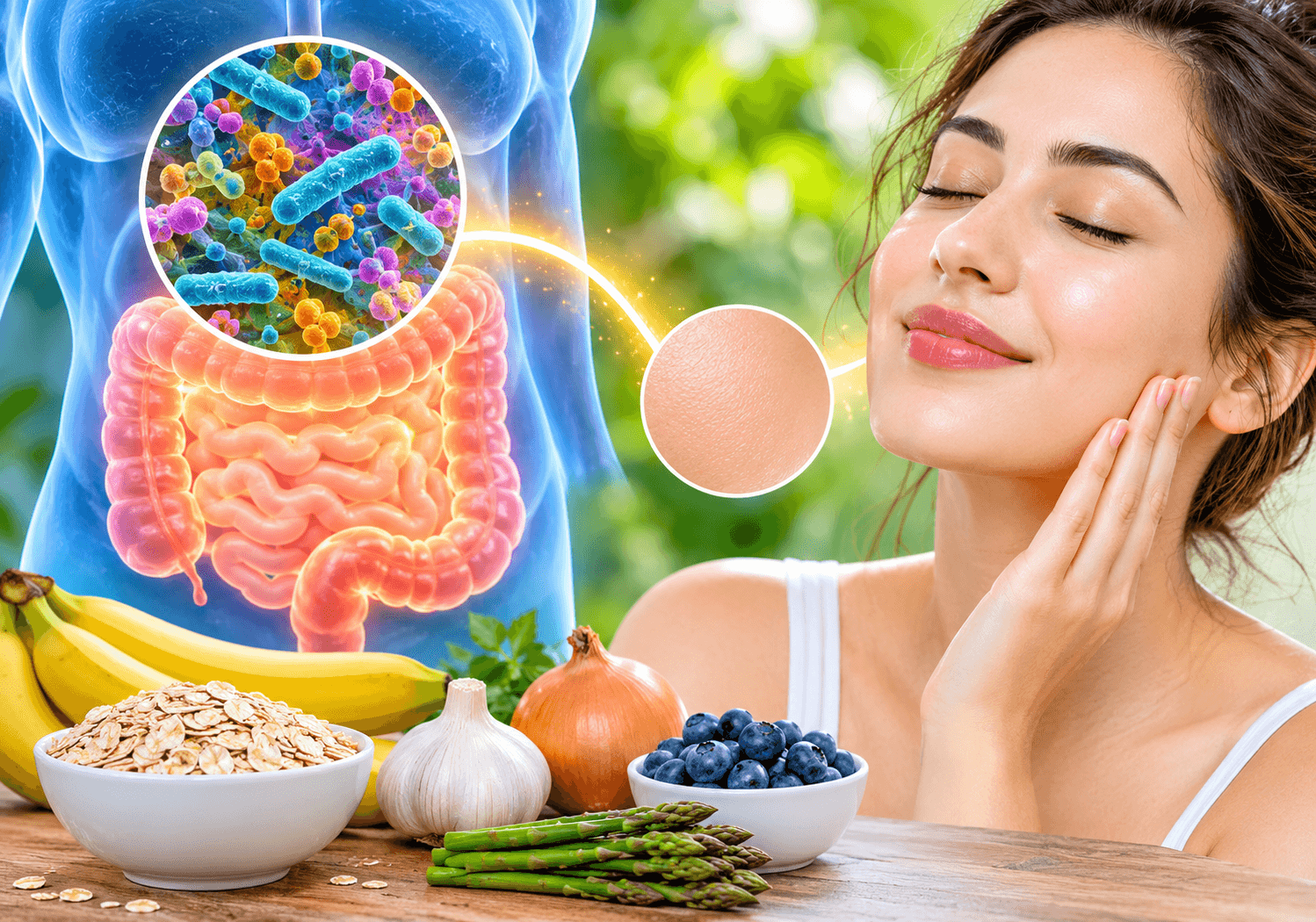
The connection between your digestive tract and your complexion is no longer just a wellness trend; it is a well-documented biological pathway. If you are wondering how long do probiotics take to improve skin, the short answer is that most people see noticeable changes within 4 to 12 weeks of consistent use. However, the exact timeline depends on the specific bacterial strains you take, your baseline gut health, and your overall lifestyle habits.
As a health and conditioning coach, I often see clients focus heavily on expensive topical creams while ignoring their internal engine. Balancing your gut microbiome is a foundational step for reducing systemic inflammation, supporting your skin barrier, and achieving a clearer, more resilient complexion. This guide breaks down the science, the timeline, and the exact steps you need to take to see real results.
Quick Answer
Most people notice initial skin improvements from probiotics within 4 to 8 weeks, with optimal results appearing around the 12-week mark. This timeline allows beneficial bacteria to colonize the gut, reduce systemic inflammation, and support the skin barrier. Consistency, proper strain selection, and a prebiotic-rich diet are essential for success.
The Science Behind the Gut-Skin Axis
To understand the timeline, you first need to understand the mechanism. The “gut-skin axis” refers to the bidirectional relationship between your gastrointestinal tract and your skin. They are both derived from the same embryonic tissue and communicate constantly through the immune system, the nervous system, and metabolic pathways.
When your gut microbiome is balanced, beneficial bacteria produce short-chain fatty acids (SCFAs) like butyrate. These SCFAs help maintain the integrity of the intestinal lining, preventing “leaky gut” (intestinal permeability). When the gut lining is compromised, toxins and inflammatory markers can enter the bloodstream. The body responds with systemic inflammation, which often manifests on the skin as acne, rosacea, eczema, or premature aging.
Research published in the Journal of Clinical Gastroenterology highlights that the gut microbiome acts as a major regulator of this axis. Specific probiotic strains can downregulate pro-inflammatory cytokines and upregulate anti-inflammatory pathways. Furthermore, studies in Gut Pathogens demonstrate that certain bacteria can directly influence sebum production and skin hydration by modulating the gut-brain-skin axis via the vagus nerve.

Timeline: What to Expect Week by Week
Healing the gut is not an overnight process. The bacterial colonies need time to adhere to the intestinal wall, outcompete harmful pathogens, and alter your metabolic output. Here is a realistic, evidence-based timeline of what happens when you start a high-quality probiotic regimen.
| Timeframe | Gut-Level Changes | Visible Skin Changes |
| Weeks 1–2 | Initial colonization. You may experience mild bloating or changes in bowel habits as the microbiome shifts. | Little to no visible change. Some report a temporary “purge” or minor breakouts as inflammation shifts. |
| Weeks 3–4 | Improved digestion regularity. Reduction in post-meal bloating. SCFA production begins to increase. | Slight improvement in skin hydration. Reduction in acute redness or morning puffiness. |
| Weeks 5–8 | Strengthened intestinal barrier. Systemic inflammation markers begin to drop noticeably. | Fewer new breakouts. Existing acne or rosacea lesions heal faster. Skin texture feels smoother. |
| Weeks 9–12+ | Stable, diverse microbiome. Optimal nutrient absorption and immune modulation. | Significant improvement in overall clarity, tone, and elasticity. Reduction in chronic inflammatory skin conditions. |
Note: Individual results vary. Those with severe dysbiosis or chronic skin conditions may require 3 to 6 months of consistent use alongside dietary changes.
Best Probiotic Strains for Skin Health
Not all probiotics are created equal. The genus, species, and strain matter immensely. A generic “acidophilus” pill may support general digestion, but it might not do much for your complexion. When evaluating how long do probiotics take to improve skin, you must ensure you are using strains with clinical backing for dermatological health.
| Probiotic Strain | Primary Skin Benefit | Mechanism of Action |
| Lactobacillus rhamnosus | Reduces acne severity and inflammation. | Lowers levels of Substance P (a neuropeptide linked to stress-induced sebum production) and reduces inflammatory cytokines. |
| Bifidobacterium longum | Improves skin sensitivity and hydration. | Enhances the skin’s natural barrier function and reduces reactive oxidative stress in the skin. |
| Lactobacillus plantarum | Fights acne-causing bacteria and redness. | Produces antimicrobial peptides that inhibit Cutibacterium acnes and strengthens the epidermal barrier. |
| Streptococcus thermophilus | Boosts ceramide production. | Directly stimulates the skin to produce more ceramides, which lock in moisture and prevent transepidermal water loss. |
| Lactobacillus reuteri | Promotes skin thickness and hair follicle health. | Increases levels of oxytocin, which has been linked to thicker dermis and faster wound healing in animal models. |

How to Apply This: A Step-by-Step Protocol
Knowing the science is only half the battle. To get results, you need a practical, actionable plan. Follow these steps to integrate probiotics into your routine effectively.
Step 1: Choose the Right CFU Count
CFU stands for Colony-Forming Units, which indicates the number of viable bacteria in a dose. For general skin health, a dose of 10 billion to 50 billion CFUs per day is typically recommended. Higher doses are not always better and can sometimes cause unnecessary digestive distress. Look for a product that guarantees the CFU count at the time of expiration, not just at the time of manufacture.
Step 2: Prioritize Strain Diversity
Select a supplement that contains at least 3 to 5 different strains, including both Lactobacillus and Bifidobacterium species. This diversity mimics a natural, healthy gut environment and provides a broader range of benefits.
Step 3: Time Your Dose Correctly
Stomach acid can destroy delicate probiotic bacteria before they reach the intestines. Take your probiotic with a meal that contains a small amount of healthy fat, or just before bed. Research suggests that taking probiotics with or just before a meal containing fats improves bacterial survival rates through the gastric passage.
Step 4: Feed the Bacteria (Prebiotics)
Probiotics need food to survive and multiply. These foods are called prebiotics, which are primarily soluble fibers. Incorporate foods like garlic, onions, asparagus, bananas, and oats into your daily diet. Understanding how dietary fiber can help with appetite and weight management also highlights its dual role in feeding your gut microbiome, which indirectly supports your skin.
Coach’s Tip
Store your probiotics correctly. While some shelf-stable strains exist, many high-quality Lactobacillus and Bifidobacterium supplements require refrigeration to maintain their potency. Always read the label and store the bottle exactly as the manufacturer directs to ensure you are getting the live cultures you paid for.
Common Mistake
Expecting overnight miracles and quitting too soon. Many people stop taking their probiotics after two weeks because their skin hasn’t completely transformed. Remember the 4 to 12-week timeline. Consistency is the most critical factor in microbiome remodeling.
Safety Notes and Who Should Be Careful
While probiotics are generally recognized as safe (GRAS) for the majority of the population, they are not without contraindications. It is vital to approach supplementation with awareness.
- Immunocompromised Individuals: Those with weakened immune systems, such as individuals undergoing chemotherapy or those with HIV/AIDS, should consult a doctor before taking live bacterial supplements due to the rare risk of bacteremia or fungemia.
- Small Intestinal Bacterial Overgrowth (SIBO): If you have SIBO, adding more bacteria to your small intestine can worsen symptoms like severe bloating, gas, and brain fog. In these cases, working with a gastroenterologist is essential.
- Histamine Intolerance: Some probiotic strains (like certain Lactobacillus casei or Lactobacillus bulgaricus) can produce histamine in the gut, potentially worsening conditions like rosacea or hives in histamine-sensitive individuals. Strains like Bifidobacterium infantis and Lactobacillus rhamnosus are generally considered histamine-degrading and safer choices.
Always introduce a new probiotic slowly. Start with half the recommended dose for the first week to allow your digestive system to adjust, then gradually increase to the full dose.
Related Tips for Maximizing Skin Health
Probiotics are a powerful tool, but they work best as part of a holistic lifestyle strategy. You cannot out-supplement a poor diet or chronic stress.
Synergize with Omega-3 Fatty Acids
Omega-3s are potent anti-inflammatory agents that work beautifully alongside probiotics. While probiotics modulate the gut immune response, omega-3s help resolve inflammation at the cellular level throughout the body, including the skin. Learn more about how omega-3 fatty acids support skin hydration and reduce inflammation.
Prioritize Sleep Hygiene
Sleep is when your body repairs tissue, including your skin barrier. Poor sleep disrupts the gut microbiome and increases cortisol, which triggers sebum production and breaks down collagen. Establishing a consistent sleep schedule is a non-negotiable pillar of skin health. Research on how sleep affects metabolism and weight management also underscores the deep connection between rest, hormonal balance, and systemic inflammation.
Manage Stress Proactively
The “gut-brain-skin axis” means that psychological stress directly alters gut motility and microbiome composition. Chronic stress elevates cortisol, which can trigger acne flare-ups and eczema. Incorporate daily stress-reduction practices like deep breathing, walking, or meditation to keep your nervous system in a parasympathetic (rest and digest) state.
Consider Antioxidant Support
Oxidative stress damages skin cells and accelerates aging. Pairing your probiotic routine with antioxidant-rich foods or targeted supplements can provide a comprehensive defense. For example, an astaxanthin supplement can support skin glow and anti-aging by neutralizing free radicals from the inside out.
Build Metabolic Flexibility
A healthy gut is central to overall metabolic health. When your body can efficiently switch between burning carbohydrates and fats, it reduces systemic metabolic stress, which reflects positively on your skin. Discover how to boost metabolic flexibility without crash dieting to support your internal health holistically.

Frequently Asked Questions
Do probiotics clear up acne?
Yes, specific strains like Lactobacillus rhamnosus and Lactobacillus plantarum can help clear acne. They work by reducing systemic inflammation, lowering stress-induced sebum production, and inhibiting the growth of acne-causing bacteria on the skin. However, they are most effective when combined with a consistent topical skincare routine.
How many weeks until probiotics work for eczema?
For eczema, it typically takes 8 to 12 weeks of consistent daily use to see a noticeable reduction in flare-ups and itching. Strains like Bifidobacterium lactis and Lactobacillus rhamnosus GG have the most clinical evidence supporting their use in managing atopic dermatitis and improving the skin barrier.
Can probiotics reduce skin inflammation?
Absolutely. Probiotics help strengthen the intestinal lining, preventing toxins from leaking into the bloodstream. This reduces the body’s overall inflammatory response, which directly translates to less redness, swelling, and irritation in inflammatory skin conditions like rosacea and psoriasis.
What is the best time to take probiotics for skin?
The best time to take probiotics is with a meal or just before bed. Taking them with a small amount of dietary fat helps buffer the bacteria from harsh stomach acid, increasing the number of live cultures that successfully reach your intestines to do their work.
Do topical or oral probiotics work faster for skin?
Topical probiotics may provide faster, localized relief for surface-level issues like redness or minor irritation because they are applied directly to the skin. However, oral probiotics address the root cause of systemic inflammation and gut dysbiosis, offering deeper, longer-lasting results for overall skin health over a 4 to 12-week period.
How long does it take to heal the gut-skin axis?
Healing the gut-skin axis is a gradual process. While some digestive improvements may occur within 2 weeks, meaningful, sustained changes to the skin barrier and reduction in chronic skin inflammation generally require 3 to 6 months of consistent probiotic use, prebiotic fiber intake, and lifestyle management.
Conclusion
Understanding how long do probiotics take to improve skin requires patience and a commitment to consistency. While you may notice subtle improvements in hydration and reduced redness within the first 4 weeks, the most significant transformations in skin clarity, texture, and resilience typically occur between weeks 8 and 12.
Success depends on choosing the right strains, such as Lactobacillus rhamnosus and Bifidobacterium longum, taking them consistently with food, and supporting them with a prebiotic-rich diet. Remember that your skin is a reflection of your internal health. By nurturing your gut microbiome, you are building a foundation for a healthier, more radiant complexion from the inside out.