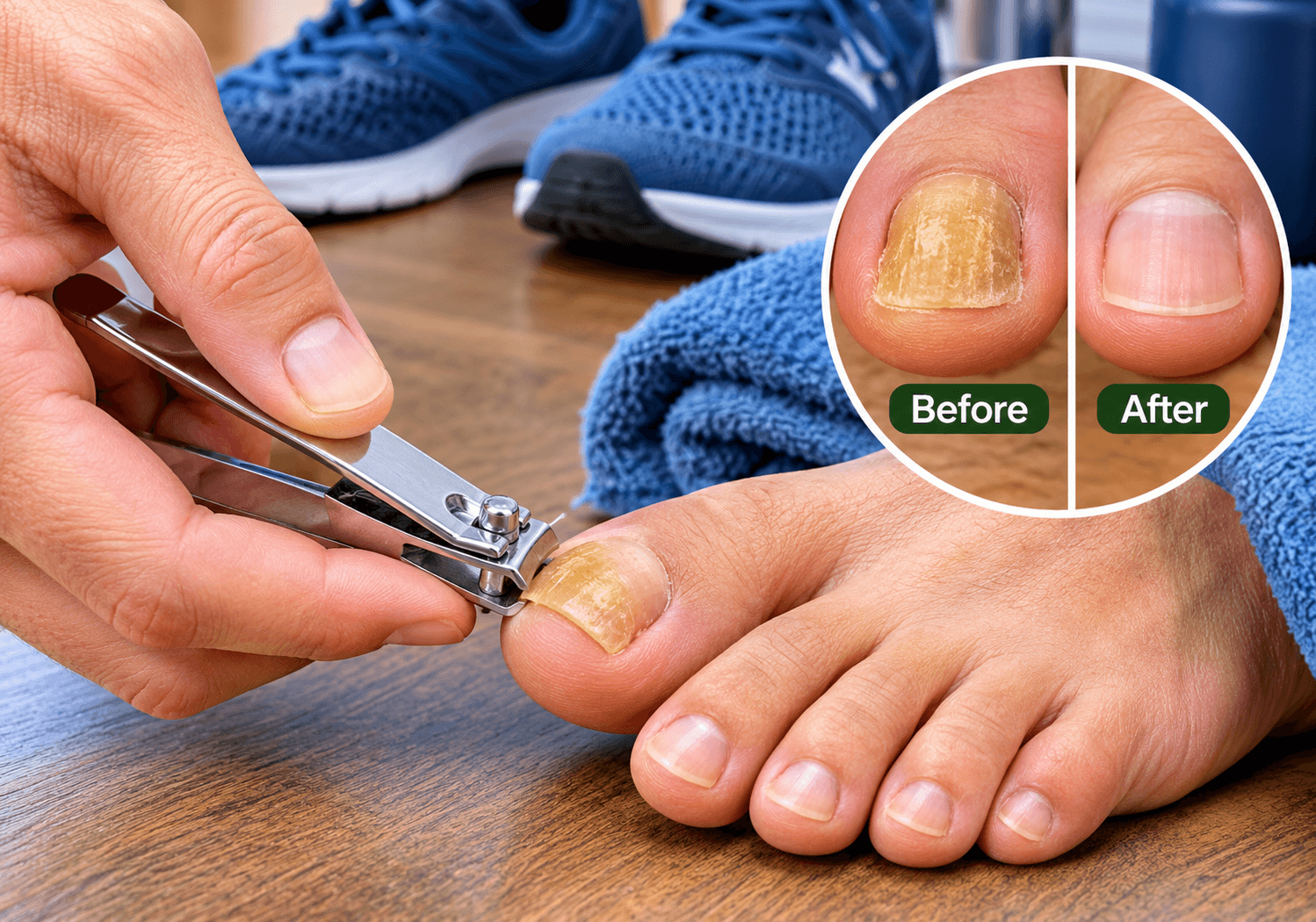
If you are an active adult, a dedicated gym-goer, or a competitive pickleball player, your feet endure immense mechanical stress daily. Tight running shoes, sweaty gym environments, and shared locker room floors create the perfect storm for a stubborn and pervasive enemy: onychomycosis, commonly known as toenail fungus. When you first notice a yellow, thickened, or brittle nail, your immediate question is highly practical: how long does toenail fungus take to go away? The realistic answer requires patience, as a complete resolution typically takes 12 to 18 months of consistent, evidence-based treatment and rigorous hygiene.
As a certified strength and conditioning coach, I observe this issue frequently among athletes and fitness enthusiasts. A thickened, painful, or distorted nail is not merely a cosmetic concern. It can subtly but significantly alter your biomechanics. It may limit your ankle dorsiflexion during a deep squat, change your foot strike pattern while running, or reduce your lateral agility and push-off power on the pickleball court. Addressing the infection promptly is about preserving optimal movement patterns and preventing secondary complications.
This comprehensive guide breaks down the exact clinical timelines, the underlying science of nail growth and fungal resistance, and a practical, step-by-step foot care protocol. By treating your foot health with the same discipline as your training program, you can clear the infection, protect your biomechanics, and return to your activities pain-free.
Quick Answer: How long does toenail fungus take to go away?
A complete cure typically takes 12 to 18 months because toenails grow slowly, at an average rate of 1 to 1.6 mm per month. While oral antifungal medications are usually taken for 3 to 4 months to kill the infection, you must wait for the entire damaged nail to physically grow out and be replaced by healthy, clear tissue. Topical treatments often require up to 48 weeks of daily application.
The Science of Onychomycosis: Why It Takes So Long
To truly understand the recovery timeline, we must examine the biology of the nail unit and the nature of the fungal infection. Onychomycosis is primarily caused by dermatophytes, a specific class of fungi that thrive in warm, dark, and moist environments, according to research on onychomycosis pathogenesis. Less commonly, yeasts or non-dermatophyte molds can be the culprit. These microorganisms invade the nail bed and the underside of the hard nail plate, feeding on keratin, the structural protein that makes up your nails.
The primary reason treatment duration is measured in years rather than weeks is the sluggish rate of human nail growth. Research indicates that the average toenail growth rate is approximately 1 to 1.6 mm per month, as noted in biomarker studies. Because of this slow pace, it takes between 12 and 18 months to completely replace a toenail from the matrix (under the cuticle) to the free edge, according to clinical management guidelines. Fingernails grow about three times faster, which is why fungal infections on hands resolve in 4 to 6 months, while toes lag significantly behind.
Furthermore, the nail plate is avascular, meaning it lacks a direct blood supply. When you apply a topical medication, it must penetrate the dense, hard layers of the nail plate to reach the living tissue of the nail bed where the fungus resides. Many fungi also produce a “biofilm,” a protective, slimy layer that shields them from both the body’s immune responses and antifungal agents. This biological defense mechanism is why consistent, long-term treatment is non-negotiable. Even if the medication successfully eradicates the active fungal cells within the first few months, the discolored, thickened portion of the nail remains physically attached until it grows out and is trimmed away.
Treatment Timelines and Mechanisms
The timeline for resolution depends heavily on the chosen treatment modality, the severity of the infection, and which specific toes are affected. The big toe grows slower and is more prone to trauma than the smaller toes.
Oral Antifungal Medication
Oral systemic drugs, such as terbinafine or itraconazole, are considered the clinical gold standard for moderate to severe onychomycosis. Clinical guidelines note that treatment with oral tablets typically lasts for about 3 to 4 months for toenail infections, per NCBI health reviews. These medications work systemically, traveling through the bloodstream to the nail matrix, ensuring that every new layer of nail grown is free of fungus. However, the Mayo Clinic emphasizes that these drugs help a new nail grow free of infection, which slowly replaces the old, diseased nail over a period of four months or longer. In some persistent cases, physicians may prescribe oral medication for up to six months to ensure complete eradication, as highlighted in Mayo Clinic Q&A.
Topical Treatments
Topical solutions, such as efinaconazole or ciclopirox nail lacquer, are applied directly to the nail and surrounding skin. These are often recommended for mild to moderate infections (involving less than 50% of the nail plate) or for individuals who cannot take oral medications due to liver concerns or potential drug interactions. The drawback is the extended duration. Studies show that topical agents must be applied consistently once daily for up to 48 weeks (nearly a year) to achieve optimal clear nail growth, based on StatPearls data. InformedHealth.org confirms that topical treatment with medicated nail polish may take up to one year to show full, visible results.
Device-Based and Laser Therapy
Laser therapy has gained popularity as a non-invasive, drug-free alternative. The laser emits specific wavelengths of light designed to generate heat that disrupts fungal cells without damaging the surrounding tissue. While some patients report seeing clear nail growth after a few sessions, the overall scientific evidence suggests it is best used as an adjunct to topical or oral treatments, not a standalone cure. A full course of laser therapy usually involves multiple sessions spaced four weeks apart, followed by a waiting period of 9 to 12 months to evaluate the final extent of clear nail regrowth, according to clinical outcome studies.
Comprehensive Toenail Fungus Treatment Timelines
| Treatment Type | Active Treatment Duration | Time to Full Clear Nail | Mechanism of Action | Best For |
| Oral Antifungals (e.g., Terbinafine) | 3 to 4 months (up to 6) | 12 to 18 months | Systemic; delivers medication via blood to the nail matrix. | Moderate to severe infections; fastest systemic clearance. |
| Topical Solutions (e.g., Efinaconazole) | 48 weeks (daily application) | 12 to 15 months | Penetrates nail plate to reach the nail bed. | Mild to moderate infections; those avoiding oral meds. |
| Medicated Nail Lacquer (e.g., Ciclopirox) | 9 to 12 months (daily) | 12 to 18 months | Forms a film that slowly releases antifungal agents. | Early-stage infections; used with regular mechanical filing. |
| Laser Therapy | 4 to 6 sessions (4 weeks apart) | 9 to 12 months post-treatment | Thermal energy disrupts fungal cell walls. | Adjunct therapy; patients seeking non-pharmaceutical options. |

The Active Person’s Foot Care Protocol
Knowing the clinical timeline is only half the battle. As a coach, I prescribe foot care with the same structure and discipline as a workout program: specific actions, frequency, and progression. Here is your evidence-based protocol to support healing and prevent reinfection.
Phase 1: Daily Hygiene (The Foundation)
- Wash and Dry Thoroughly: Wash your feet daily with mild soap and water. The most critical step is drying. Fungal spores thrive in moisture. Dry thoroughly between the toes using a dedicated towel or a hair dryer on a cool setting.
- Apply Topical Treatment: If prescribed a topical solution, apply it exactly as directed, usually once daily. Ensure the solution penetrates under the free edge of the nail and onto the surrounding skin.
- Strategic Sock Selection: Wear moisture-wicking socks made of merino wool or advanced synthetic blends. Avoid 100% cotton, which absorbs sweat and traps it against the skin. Change socks immediately after a workout or if your feet become sweaty during the day.
Phase 2: Weekly Maintenance (Mechanical Debridement)
- Nail Filing: Once a week, gently file down the thickened, discolored portions of the infected nail. This process, known as debridement, physically reduces the fungal load and thins the nail plate, allowing topical medications to penetrate deeper into the nail bed.
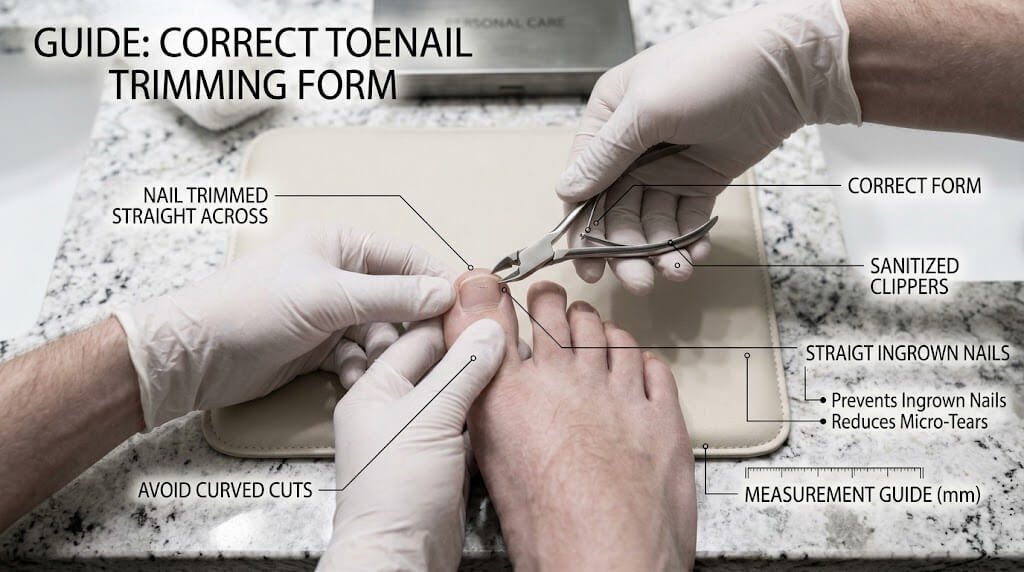
- Sanitize Tools: After filing, clean your nail clippers and files with 70% isopropyl alcohol. Never share these tools with family members or roommates.
Coach’s Tip: Always file the nail when it is completely dry, not immediately after a shower. Wet nails are softer and more prone to tearing, splitting, or fraying, which can create new micro-tears that invite secondary bacterial infections.
Phase 3: Monthly Progression (Footwear Management)
- Shoe Rotation: Do not wear the same pair of athletic shoes two days in a row. Give them at least 24 to 48 hours to air out and dry completely in a well-ventilated area.
- Disinfection: Use a UV shoe sanitizer or an over-the-counter antifungal shoe spray once a month on your primary training shoes, running shoes, or pickleball footwear to kill dormant spores.
- Proper Trimming: Trim nails straight across, leaving about 0.25 inches (0.6 cm) of white edge. Cutting too short can cause ingrown nails, while aggressively cutting into the corners can invite infection.
Regression and Progression for Foot Care
- Regression (Easier Version): If bending down to care for your feet is difficult due to mobility limitations, lower back pain, or carrying excess body weight (e.g., 20 lb / 9 kg over your ideal range), use a long-handled nail clipper and a sturdy footstool to elevate your leg. Alternatively, schedule monthly visits with a podiatrist to handle the debridement safely.
- Progression (Harder Version): For athletes with recurrent, stubborn issues, add a weekly foot soak in a diluted vinegar solution (one part white vinegar to two parts warm water) for 15 minutes. While not a standalone cure, the acidic environment may help inhibit fungal growth when combined with medical treatment. You can also apply a 40% urea cream to the thickened nail overnight to chemically soften it before weekly filing.
Common Mistake: Many people stop applying topical treatment or taking oral medication the moment the nail looks slightly better. Because the fungus lives deep in the nail bed, stopping early guarantees a relapse. You must complete the full prescribed duration, even when the visible nail appears mostly clear.
Safety Notes and Who Should Be Careful
While toenail fungus is rarely a medical emergency, certain populations must approach foot care with extreme caution and professional guidance.
- Diabetes and Neuropathy: If you have diabetes or peripheral neuropathy, never attempt to aggressively file, cut, or use chemical debriding agents on thickened nails at home. Reduced sensation means you might not feel a cut or abrasion, which can rapidly escalate into a severe foot ulcer, cellulitis, or systemic infection. Always see a podiatrist for professional nail care.
- Circulatory Issues: Individuals with peripheral arterial disease (PAD) have reduced blood flow to the extremities. This slows healing, reduces the delivery of oral medications to the toe, and increases the risk of severe infection.
- Liver Health: Oral antifungal medications are processed by the liver. Your doctor will likely order baseline liver function blood tests before prescribing these drugs and may monitor them periodically during the 3- to 4-month treatment window to ensure safety.
- Pregnancy and Breastfeeding: Most oral and prescription topical antifungal treatments are not recommended during pregnancy or lactation. Consult your obstetrician for safe, conservative management options.
Holistic Health and Prevention Strategies
Even after the nail grows out clear, recurrence is a significant challenge. Research indicates that recurrence may occur in more than half of patients within a year or more after successful treatment, according to practical approach guidelines. To protect your results and support your body’s natural defenses, integrate these holistic habits into your lifestyle:
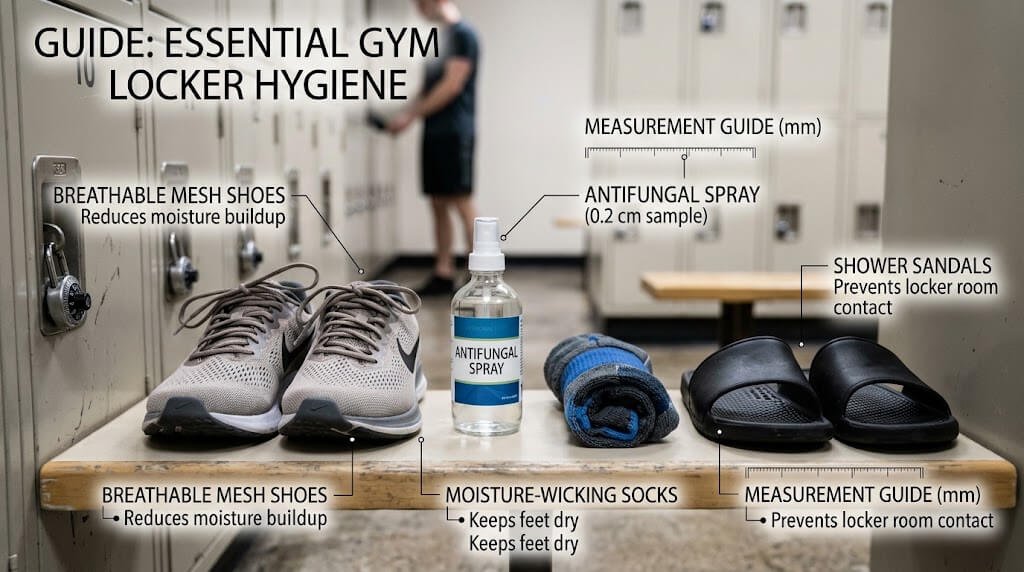
- Gym Floor Etiquette: Always wear flip-flops or dedicated shower shoes in communal gym showers, locker rooms, and around swimming pools. Never walk barefoot in these high-risk zones.
- Proper Shoe Fit: Ensure your athletic shoes have a wide enough toe box. Shoes that are too tight (leaving less than 0.5 inches or 1.2 cm of space past your longest toe) cause repetitive micro-trauma to the nail. This trauma lifts the nail plate slightly, creating an entry point for fungal spores.
- Holistic Health Support: A robust immune system is your best defense against persistent fungal infections. Supporting your overall health includes learning how to support metabolism naturally for weight management, as excess body weight can increase mechanical stress and friction on the feet. Additionally, ensuring you get adequate, high-quality rest is crucial, as studies highlight how sleep affects metabolism and immune recovery.
- Nutrient Density: Consuming a balanced diet rich in specific vitamins and minerals is essential for tissue repair. Knowing which nutrients support normal energy metabolism can help you maintain the cellular energy required for immune function and nail growth. If you have dietary gaps, discussing which vitamins support metabolism when you’re deficient with a healthcare provider can be a proactive step toward better overall resilience.
- Metabolic Health: Maintaining healthy blood sugar levels is vital for fighting infections, as elevated glucose can feed fungal growth. For those managing metabolic syndrome, understanding how to improve insulin sensitivity through diet and exercise is a foundational health strategy. Furthermore, learning how to boost metabolic flexibility without crash dieting ensures your body has steady energy for both physical recovery and immune defense.
- Safe Supplementation: If you are exploring additional support, it is important to know which supplements may support weight management safely without compromising your immune system or interacting with prescribed antifungal medications. Additionally, learning how to manage food cravings without supplements can help maintain a healthy body composition, reducing mechanical stress on the feet during athletic activities.
FAQ: Common Questions About Toenail Fungus Recovery
1. How long does it take for toenail fungus to grow out completely?
It typically takes 12 to 18 months for a toenail to grow out completely. Because the average toenail growth rate is only about 1 to 1.6 mm per month, the entire nail plate must be physically replaced from the cuticle to the tip to see a fully clear, healthy nail.
2. Does toenail fungus ever go away on its own without treatment?
Rarely. While a very mild, superficial infection might occasionally resolve if foot hygiene is drastically improved, onychomycosis is generally a progressive condition. Without targeted antifungal treatment, the fungus usually spreads to adjacent nails, thickens further, and causes pain that alters your natural gait.
3. How long does oral medication take to work for toenail fungus?
Oral antifungal medications like terbinafine are typically taken for 3 to 4 months. However, the medication clears the active infection from the inside out. You must still wait 9 to 15 additional months for the healthy nail to physically grow out and replace the damaged portion.
4. Can you speed up toenail fungus recovery time?
You cannot speed up the biological rate of nail growth, but you can optimize the healing environment. Regular, gentle debridement allows topical medications to penetrate better. Wearing breathable footwear, keeping feet dry, and maintaining overall systemic health creates optimal conditions for steady recovery.
5. How long after starting treatment will I see clear nail growth?
With consistent, correct treatment, you should begin to see a thin band of clear, healthy nail emerging from the cuticle within 2 to 3 months. If you see no clear growth after 4 months of strict adherence, consult your podiatrist.
6. What is the success rate of toenail fungus treatments over 12 months?
Success rates vary significantly by treatment type. Oral terbinafine has a mycological cure rate of roughly 70% to 80%, though the complete clinical cure rate is lower, around 30% to 50%. Topical treatments have lower success rates, typically between 15% and 30%, as noted in fungal infection research.
Conclusion
So, how long does toenail fungus take to go away? The realistic, evidence-based timeline is 12 to 18 months of consistent, dedicated care. While this requires significant patience, understanding the slow biology of nail growth helps set the right expectations and prevents premature abandonment of your treatment plan. By combining evidence-based medical treatments from your doctor or podiatrist with a strict daily hygiene routine, proper footwear rotation, and smart gym habits, you can successfully eradicate the infection.
Remember that foot health is foundational to your overall fitness and mobility. Whether you are squatting heavy weights, running long miles, or pivoting quickly on the pickleball court, pain-free, healthy feet are non-negotiable. Stay consistent, protect your progress, and do not hesitate to seek professional medical guidance if the infection persists or worsens.