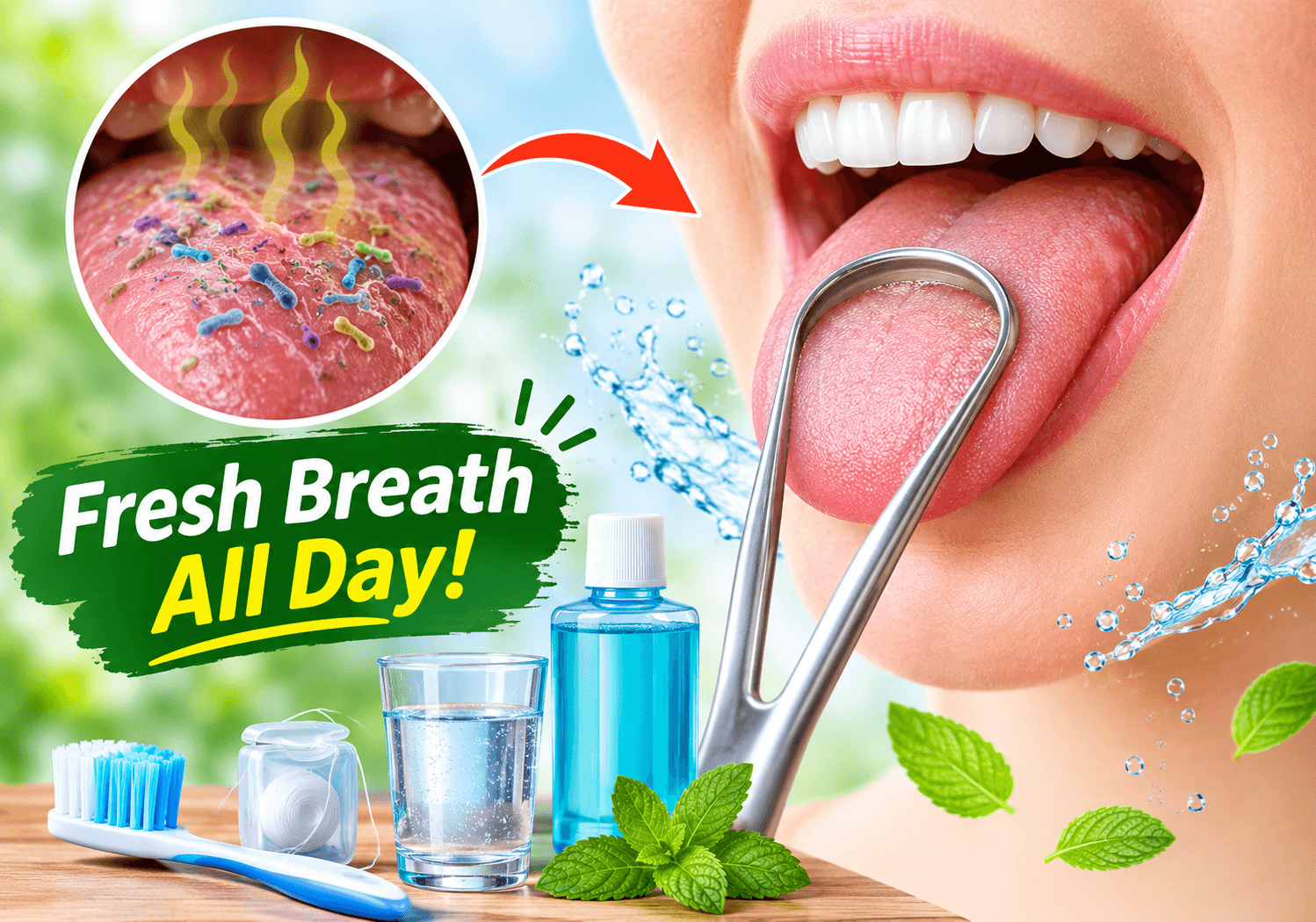
Having bad breath—medically known as halitosis—is one of the most common personal health concerns people face. Whether you notice a sour taste after an intense morning workout or worry about lingering odors during close-range coaching sessions, knowing how to fix bad breath comes down to understanding its root physiological causes and applying a consistent daily strategy.
Bad breath affects millions of adults worldwide. While many people turn to temporary fixes like mints or sugary chewing gums, lasting results require targeted oral hygiene, proper hydration, and an understanding of the oral microbiome. In this comprehensive guide, we will break down the science of halitosis, outline step-by-step solutions to eliminate odors, and share practical habits to keep your breath fresh all day.
What Causes Bad Breath? (The Science Behind Halitosis)
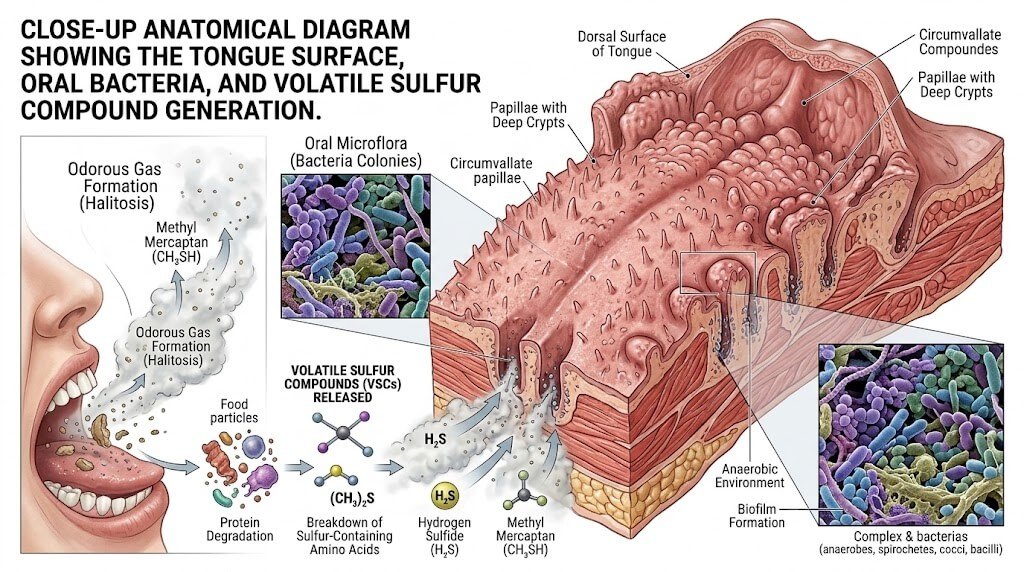
Bad breath is primarily caused by the metabolic activity of specialized bacteria living inside your mouth. Microorganisms thrive in low-oxygen (anaerobic) environments—specifically in the deep crevices of your tongue, along the gumline, and between teeth.
These bacteria break down residual dietary proteins, dead cells, and mucus, releasing volatile sulfur compounds (VSCs) as a byproduct. According to research published in the Journal of Natural Science, Biology, and Medicine, VSCs such as hydrogen sulfide, methyl mercaptan, and dimethyl sulfide are directly responsible for the foul odor associated with chronic halitosis.
The Top 6 Triggers of Halitosis
- Poor Interdental & Tongue Hygiene: Trapped food particles and bacterial plaque accumulate on the back of the tongue and between teeth, feeding odor-producing microbes.
- Dry Mouth (Xerostomia): Saliva is your body’s natural oral cleanser. It contains antibacterial enzymes and continuously washes away food particles. Reduced salivary flow—whether from mouth breathing during exercise, dehydration, or sleeping—allows bacteria to flourish.
- Dietary Choices: High-sulfur foods like garlic, onions, and certain spices release aromatic compounds into the bloodstream, which are later exhaled through the lungs.
- Periodontal Disease: Chronic inflammation of the gums creates deep periodontal pockets where anaerobic bacteria accumulate and produce high concentrations of VSCs.
- Sinus & Post-Nasal Drip: Excess mucus flowing down the back of the throat provides a rich nutrient source for throat bacteria.
- Stomach and Digestive Issues: While less common than oral causes, gastrointestinal conditions like gastroesophageal reflux disease (GERD) can allow acid and odor-producing compounds to travel up the esophagus.
Step-by-Step Daily Routine to Eliminate Bad Breath
To fix bad breath permanently, you must disrupt the bacterial biofilm that builds up in your mouth every day. Follow this evidence-based 4-step oral care routine:
Step 1: Brush Efficiently Twice Daily
Brush your teeth for a full two minutes, morning and night. Angle the bristles at 45 degrees toward your gumline to sweep away plaque without damaging soft tissue. Using a soft-bristled manual or electric toothbrush helps lift sticky microbial films before they harden into calculus (tartar).
Step 2: Use a Tongue Scraper
Brushing your teeth cleans only about 25% of your mouth. The textured surface of your tongue holds the vast majority of odor-causing bacteria.
Coach’s Tip: Toothbrushes are designed to clean smooth enamel, not the papillae (tiny bumps) of your tongue. Using a dedicated metal or silicone tongue scraper is up to 30% more effective at removing sulfur-producing buildup than brushing alone. Extend your tongue, place the scraper at the far back surface, and pull forward with light pressure. Rinse the tool after each sweep.
Step 3: Clean Between Your Teeth (Interdental Care)
String floss, interdental brushes, or water flossers clear trapped food and plaque from areas a toothbrush head simply cannot reach. Skipping interdental cleaning leaves up to 40% of tooth surfaces covered in bacteria, directly contributing to chronic bad breath.
Step 4: Hydrate and Rinse Smart
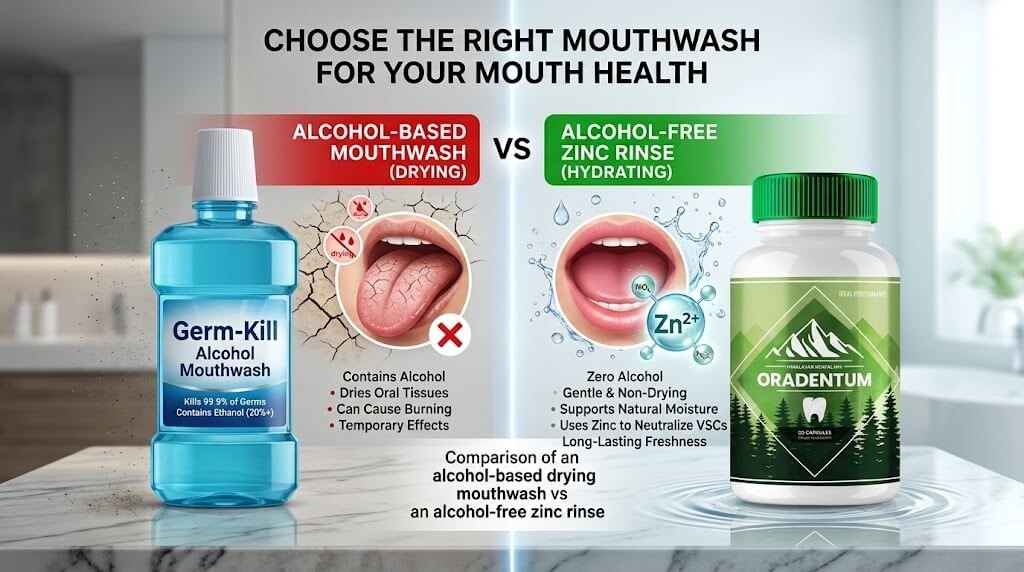
Finish your routine by rehydrating with clear water or an alcohol-free mouth rinse containing active ingredients like zinc ions or cetylpyridinium chloride (CPC). Zinc actively neutralizes volatile sulfur compounds, turning them into odorless salts.

Lifestyle and Nutritional Habits That Support Fresh Breath
Fixing bad breath requires looking at how your overall diet and lifestyle affect salivary flow and metabolic health.
1. Hydration and Salivary Flow
Saliva contains essential immunoglobulins and protective minerals that suppress bacterial growth. Aim for consistent hydration throughout the day, especially during and after intense workouts.
If you are managing your weight or following specialized dietary protocols, ensuring adequate hydration is vital. For instance, staying well-hydrated while managing appetite and metabolic performance helps maintain steady saliva output; you can learn more about how hydration interacts with appetite control in our guide on how dietary fiber helps with appetite and weight management.
2. Dietary Choices and Protein Intake
High-protein diets can sometimes alter breath odor as amino acids are metabolized by oral bacteria into nitrogen compounds and VSCs. Maintaining a balanced diet rich in crunchy, fibrous vegetables like celery and apples helps scrape teeth clean naturally while stimulating saliva. If you follow a higher protein plan for muscle building or appetite control, balance it with sufficient fluid intake. Discover more context on dietary structure in our review on how protein intake affects hunger and fullness hormones.
3. Avoid Mouthwashes with High Alcohol Content
Over-the-counter mouthwashes containing high percentages of alcohol provide a temporary burst of freshness, but ultimately dry out your oral mucosa. This drying effect reduces natural salivary protection, making breath worse a few hours later. Opt for gentle, non-alcoholic rinses formulated with antimicrobial plant extracts or zinc.
Common Mistakes When Trying to Fix Bad Breath
Common Mistake: Masking odor with sugary mints or chewing gum. Mints containing simple sugars actually feed oral bacteria, leading to increased acid production, tooth decay, and stronger sulfur emissions once the mint dissolves. Always select sugar-free gums sweetened with xylitol, which inhibits bacterial growth.
When Bad Breath Comes from the Stomach or Sinuses
While 85–90% of halitosis cases originate inside the oral cavity, persistent bad breath that does not respond to oral hygiene may stem from systemic sources:
- Post-Nasal Drip and Sinusitis: Chronic sinus infections, seasonal allergies, or enlarged tonsils can cause mucus to pool in the pharynx. Bacteria feed on proteins in this mucus, producing a stale, unpleasant odor.
- Gastrointestinal Reflux (GERD): Weakness in the lower esophageal sphincter allows stomach acids and partially digested food contents to back up, causing a distinct sour smell.
- Tonsil Stones (Tonsilloliths): Calcium deposits trapped in the crevices of your tonsils harbor dense colonies of sulfur-producing bacteria.
If your oral care routine is solid but bad breath persists, consult a healthcare provider or dentist to evaluate potential systemic triggers.
Frequently Asked Questions
1. Why does my breath smell bad even after brushing?
Brushing cleans tooth enamel, but odor-causing bacteria frequently reside on the back of your tongue and between teeth where bristles cannot reach. Incorporating tongue scraping and interdental flossing into your routine addresses these hidden bacterial reservoirs.
2. Can dry mouth cause chronic bad breath?
Yes. Saliva plays a critical role in clearing food debris and neutralizing bacterial acids. When salivary flow drops due to mouth breathing, medication, or dehydration, anaerobic bacteria multiply rapidly, leading to increased volatile sulfur compound production.
3. How do I know if I have bad breath?
Licking the inside of your wrist, waiting 10 seconds for it to dry, and smelling the area provides a reliable self-assessment. Alternatively, use clean dental floss between your back molars and smell the floss to check for interdental odor.
4. Does tongue scraping really help fix bad breath?
Clinical research shows that tongue scraping significantly reduces volatile sulfur compounds by physically removing bacterial coating from the papillae. It is markedly more effective at reducing halitosis than brushing the tongue with a standard toothbrush.
5. Can diet or fasting cause bad breath?
Low-carbohydrate diets or extended fasting periods induce ketosis, where the body burns fat for fuel. This process produces acetoacetate, which breaks down into acetone and is exhaled through the lungs, resulting in a distinct fruity or metallic breath odor.
6. When should I see a doctor or dentist for bad breath?
You should consult a dental professional if your bad breath persists after two weeks of thorough oral hygiene (brushing, flossing, tongue scraping) or if it is accompanied by bleeding gums, dry mouth, painful swallowing, or chronic acid reflux.
Summary of Best Practices
Learning how to fix bad breath requires a complete strategy focused on bacterial management and salivary health. By cleaning all oral surfaces daily, using targeted tools like tongue scrapers, and keeping your body hydrated, you can enjoy clean, fresh breath every day.