Probiotics for Bloating and Gut Health: An Evidence-Based Coach’s Guide
If you struggle with digestive discomfort, finding the right probiotics for bloating and gut health can be a game-changer for your fitness journey. Bloating does not just make your clothes feel tight. It can sap your energy, ruin your workout focus, and disrupt your recovery. As a strength and conditioning coach, I see clients skip great training sessions simply because their stomach feels heavy and distended. The good news is that targeted nutritional strategies can resolve this. By introducing specific beneficial bacteria into your digestive tract, you can support a balanced microbiome, improve nutrient absorption, and reduce gastrointestinal distress. This guide breaks down exactly how these supplements work, which strains to look for, and how to apply them safely to your daily routine.
Quick Answer
The best probiotics for bloating and gut health contain specific, researched strains like Bifidobacterium infantis, Lactobacillus plantarum, or Saccharomyces boulardii. Take 1 to 10 billion CFUs daily with a meal containing some fat. Give it 2 to 4 weeks to see reduced gas and abdominal distension. Always pair probiotics with adequate water and prebiotic fiber for the best results.
How Probiotics for Bloating and Gut Health Actually Work
Your gastrointestinal tract is home to trillions of microorganisms, collectively known as the gut microbiome. These microbes help break down food, synthesize certain vitamins, and regulate your immune system. When the balance of these bacteria is disrupted—a state called dysbiosis—harmful bacteria can overgrow. This overgrowth leads to excessive fermentation of undigested carbohydrates, producing excess gas and causing that uncomfortable, tight feeling in your abdomen.
Research from the National Institutes of Health (NIH) shows that introducing specific live microorganisms can help restore this balance. Probiotics work through several mechanisms. First, they compete with harmful bacteria for space and nutrients in the gut lining, effectively crowding out the bad actors. Second, certain strains produce short-chain fatty acids (SCFAs) like butyrate, which strengthen the gut barrier and reduce inflammation.
Furthermore, emerging research on probiotics and appetite weight management suggests that a healthy microbiome also influences hunger hormones and metabolic efficiency. When your gut is calm and functioning properly, your body can focus its energy on muscle repair and performance rather than fighting low-grade digestive inflammation.
The Role of Prebiotics
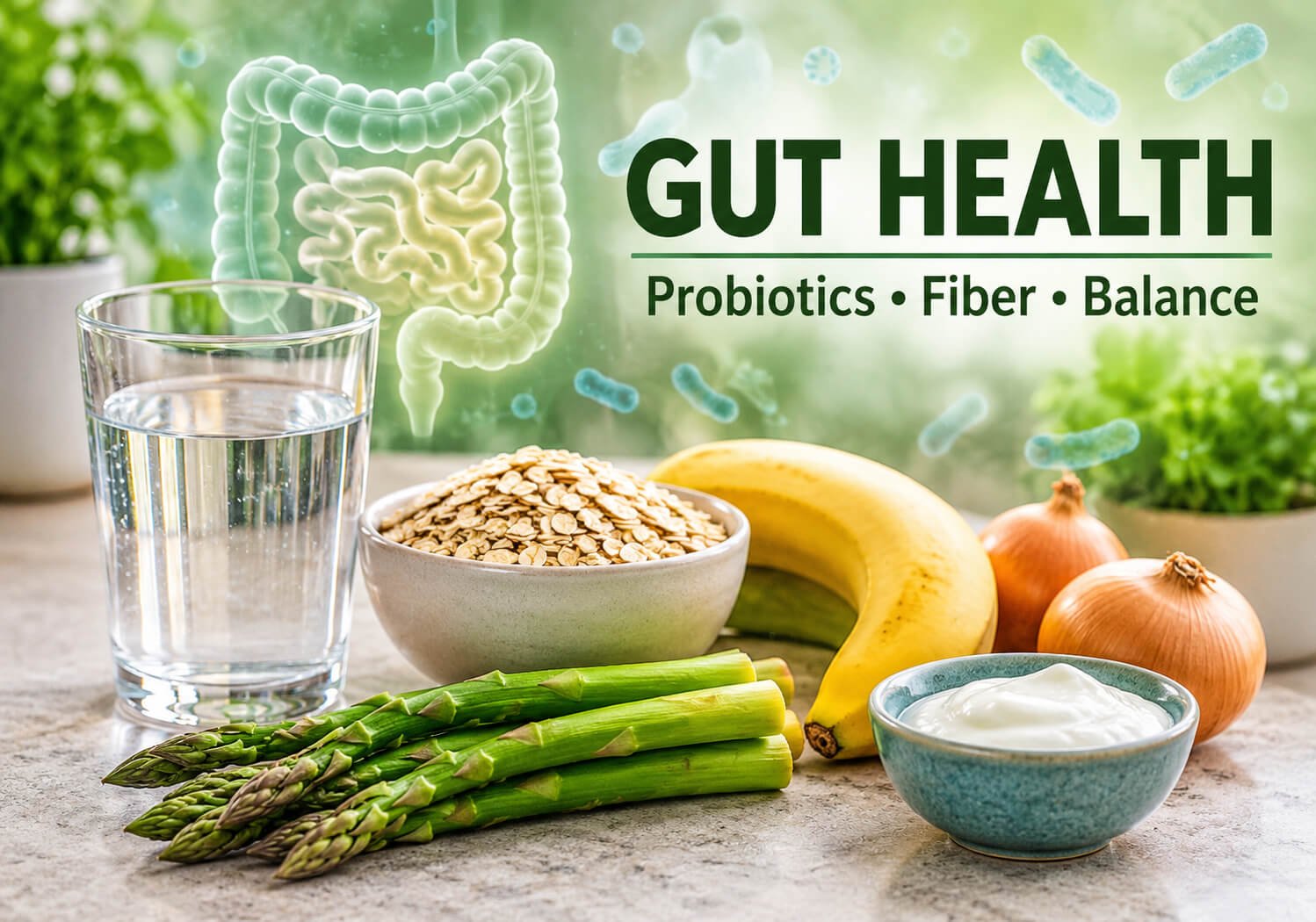
Probiotics need food to survive and thrive. This food comes in the form of prebiotics, which are non-digestible fibers. Understanding how dietary fiber and weight management intersect is crucial here. Prebiotic fibers pass through the upper gastrointestinal tract undigested. Once they reach the colon, they ferment and serve as fuel for your beneficial bacteria. Without prebiotics, probiotic supplements may simply pass through your system without establishing a lasting presence.

Choosing the Best Probiotic Strains for Digestive Comfort
Not all probiotics are created equal. A product might boast “50 billion CFUs,” but if it contains the wrong strains, it will not help your bloating. When shopping for gut health supplements, look for these specific, clinically studied strains on the label.
1. Bifidobacterium infantis (specifically strain 35624)
This is one of the most heavily researched strains for digestive issues. A landmark study published in the journal Gastroenterology found that B. infantis 35624 significantly reduced abdominal pain, bloating, and bowel movement difficulty in patients with irritable bowel syndrome (IBS). It works by modulating the immune response in the gut, lowering inflammatory markers that contribute to swelling and discomfort.
2. Lactobacillus plantarum (specifically strain 299v)
L. plantarum 299v is highly effective at adhering to the intestinal wall. This adhesion prevents pathogenic bacteria from attaching and causing gas. Clinical trials have shown that this strain can reduce the frequency and severity of bloating and flatulence, making it a top choice for post-meal digestive support.
3. Saccharomyces boulardii
Unlike the bacteria listed above, S. boulardii is a beneficial yeast. It is particularly useful if your bloating is triggered by antibiotics or travel. It helps neutralize toxins produced by harmful bacteria and supports the overall integrity of the gut lining.
4. Bifidobacterium lactis (HN019 or BB-12)
This strain is well-known for improving gut transit time. If your bloating is accompanied by constipation, B. lactis can help stimulate peristalsis (the wave-like muscle contractions that move food through your digestive tract), relieving that backed-up, heavy feeling.
| Probiotic Strain | Primary Benefit | Best For | Typical Daily Dose |
| Bifidobacterium infantis 35624 | Reduces gut inflammation and pain | IBS-related bloating, chronic discomfort | 1 billion CFUs |
| Lactobacillus plantarum 299v | Adheres to gut wall, blocks bad bacteria | Post-meal gas, general digestive distress | 10–20 billion CFUs |
| Saccharomyces boulardii | Neutralizes toxins, supports gut lining | Antibiotic-associated bloating, traveler’s diarrhea | 5–10 billion CFUs |
| Bifidobacterium lactis HN019 | Improves gut transit time | Bloating linked to constipation or slow digestion | 1–10 billion CFUs |
How to Apply It: Practical Steps for Gut Health
Knowing which strains to buy is only half the battle. How you take them and support them with your daily habits determines whether they actually work. Follow this step-by-step protocol to maximize your results.
Step 1: Choose the Right Formulation and Dosage
Look for a supplement that clearly lists the genus, species, and strain (e.g., Lactobacillus plantarum 299v, not just “Lactobacillus blend”). Start with a lower dose, around 1 to 5 billion CFUs. Jumping straight to a 50-billion-CFU multi-strain product can sometimes shock your system and temporarily worsen bloating.
Step 2: Pair with Prebiotic Fiber
To feed the new bacteria, include prebiotic-rich foods in your diet. Good sources include oats, bananas, asparagus, and onions. If you struggle to get enough from food, a supplement can help. Research confirms that adding soluble fiber helps control appetite while simultaneously acting as a prebiotic to nourish your microbiome. Start with a small amount (e.g., 3 grams per day) to avoid initial gas, and gradually increase to 10 grams.

Step 3: Optimize Timing and Storage
Take your probiotic with a meal that contains a small amount of dietary fat. Stomach acid is highly acidic and can destroy live bacteria before they reach the intestines. Food buffers this acid, improving bacterial survival rates. Fat also slows gastric emptying, giving the probiotics more time to pass safely into the gut. Check the label for storage instructions. Some strains require refrigeration to maintain potency, while shelf-stable varieties use specialized micro-encapsulation technology.
Step 4: Incorporate Gut-Friendly Movement
As a coach, I always tell clients that movement is medicine for the digestive tract. Light physical activity stimulates the vagus nerve and encourages peristalsis, helping to move trapped gas through your system.
- Regression (Easier Version): If you are highly bloated or fatigued, perform seated spinal twists. Sit tall in a chair, place your right hand on your left knee, and gently twist your torso to the left. Hold for 30 seconds, breathing deeply into your belly. Repeat on the other side. This gentle compression and release can manually help move gas.
- Progression (Harder Version): Engage in a brisk 1.5-mile (2.4-km) walk within 30 minutes after your largest meal. Walking at a pace of 3 to 4 miles per hour (4.8 to 6.4 km/h) uses gravity and core engagement to aid digestion without diverting excessive blood flow away from the stomach, which heavy lifting would do.
Coach’s Tip: Consistency beats intensity with probiotics. It takes time for new bacteria to colonize the gut. Commit to taking your supplement at the same time every day for at least 28 days before evaluating if it is working. Track your bloating on a scale of 1 to 10 in a journal to monitor objective progress.
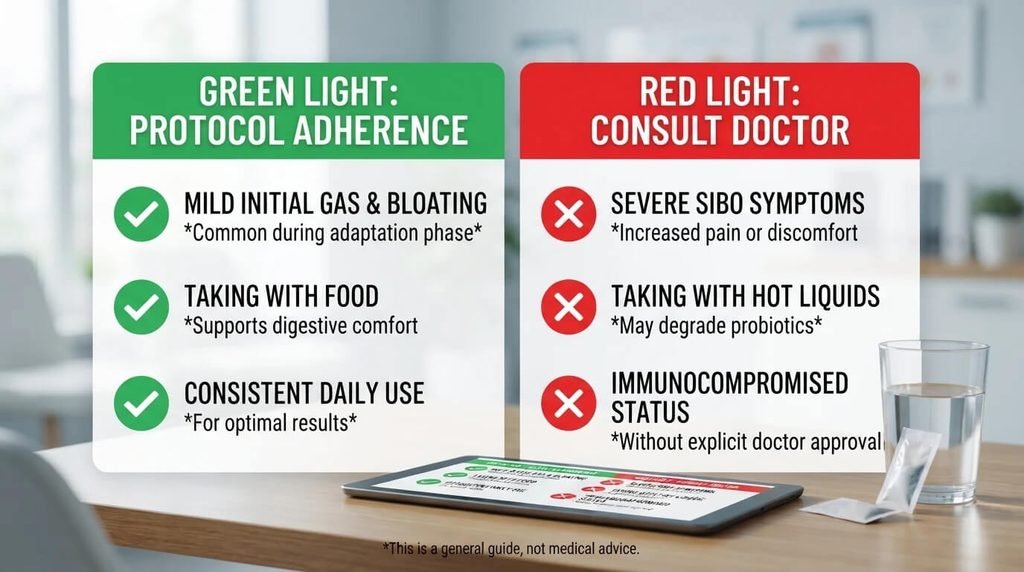
Common Mistake: Taking probiotics with hot coffee or tea. High temperatures (above 120°F or 49°C) can kill live bacterial cultures instantly. Always take your probiotic with room-temperature or cool water, and wait at least 30 minutes before consuming hot beverages.
Safety Notes and Who Should Be Careful
While probiotics are generally recognized as safe for healthy individuals, they are not a one-size-fits-all solution. Certain populations need to exercise caution or consult a healthcare provider before starting supplementation.
Small Intestinal Bacterial Overgrowth (SIBO)
If your bloating is caused by SIBO, taking standard probiotics can sometimes make symptoms worse. SIBO occurs when bacteria that normally live in the colon migrate up into the small intestine. Adding more bacteria to an already overcrowded area can increase fermentation and gas. If you experience severe bloating immediately after eating fiber or probiotics, ask your doctor about SIBO testing.
Immunocompromised Individuals
People with severely weakened immune systems, those undergoing chemotherapy, or individuals with central venous catheters should avoid probiotic supplements unless explicitly directed by a physician. In rare cases, live bacteria or yeast can enter the bloodstream and cause systemic infections.
Initial Adjustment Period
It is normal to experience a slight increase in gas or mild changes in bowel habits during the first 3 to 7 days of taking a new probiotic. This is often called a “Herxheimer reaction” or die-off effect, where shifting microbial populations release temporary byproducts. If severe pain, diarrhea, or vomiting occurs, discontinue use immediately.
Related Tips for Managing Bloating Naturally
Supplements are powerful tools, but they work best when supported by foundational lifestyle habits. As a coach, I recommend addressing these areas alongside your probiotic routine.
Hydration is Non-Negotiable
Water is essential for digestion and preventing constipation, which is a primary cause of bloating. Aim for at least half your body weight in pounds (kg equivalent) in ounces of water daily. For a 160 lb (72.5 kg) individual, that is roughly 80 ounces (2.3 liters) of water. Proper hydration ensures that the prebiotic fiber you consume can swell and move smoothly through the digestive tract.
Mindful Eating Practices
How you eat is just as important as what you eat. Swallowing air while eating quickly, talking excessively during meals, or drinking through a straw can introduce excess air into your stomach. Chew your food thoroughly until it is the consistency of applesauce. This mechanical breakdown in the mouth reduces the workload on your stomach and intestines, minimizing the chance of undigested food fermenting later.
Prioritize Sleep and Stress Management
The gut and the brain are in constant communication via the gut-brain axis. High stress levels trigger the release of cortisol, which slows down digestion and alters the gut microbiome. Furthermore, understanding how sleep affects metabolism is vital, as poor sleep disrupts the hormones that regulate gut motility and repair. Aim for 7 to 9 hours of quality sleep per night to allow your digestive system to rest and regenerate.
Strategic Use of Protein and Fiber
While protein is essential for muscle recovery, some protein powders contain artificial sweeteners like sugar alcohols (sorbitol, xylitol) or thickeners that can cause significant bloating. If you notice discomfort after your post-workout shake, switch to a simpler formula. Learning how protein and fiber supplements reduce hunger without causing distress involves choosing products with minimal, recognizable ingredients like whey isolate or pea protein, paired with natural prebiotics like acacia fiber.

Frequently Asked Questions (FAQ)
What are the best probiotics for bloating and gas?
The most effective strains for bloating and gas include Bifidobacterium infantis 35624, Lactobacillus plantarum 299v, and Saccharomyces boulardii. Look for supplements that clearly list these specific strains and contain 1 to 10 billion CFUs for gentle, effective support.
How long does it take for probiotics to help with bloating?
Most people notice a reduction in bloating and digestive discomfort within 2 to 4 weeks of consistent daily use. However, it can take up to 8 weeks for the new bacteria to fully colonize the gut and establish a stable, balanced microbiome environment.
Can probiotics make bloating worse initially?
Yes, it is common to experience mild, temporary increases in gas or bloating during the first 3 to 7 days. This happens as the new bacteria compete with existing gut flora. If severe discomfort persists beyond two weeks, discontinue use and consult a healthcare provider.
Which probiotic strain is best for IBS-related bloating?
Bifidobacterium infantis 35624 is widely considered the gold standard for IBS-related bloating. Clinical studies show it effectively reduces abdominal pain, distension, and irregular bowel movements by modulating the gut’s immune response and lowering inflammation.
Do probiotics help with stomach bloating after eating?
Yes, specific strains like Lactobacillus plantarum 299v can help. Taking them with a meal buffers stomach acid, allowing the bacteria to survive and assist in the breakdown of food, which reduces the fermentation and gas production that cause post-meal bloating.
Should I take probiotics on an empty stomach or with food?
You should take probiotics with a meal that contains a small amount of dietary fat. Food buffers the harsh stomach acid, significantly improving the survival rate of the live bacteria as they travel to the intestines where they are needed most.
Conclusion
Dealing with constant digestive discomfort can derail your fitness goals and diminish your quality of life. By strategically incorporating probiotics for bloating and gut health into your daily routine, you can restore balance to your microbiome, improve nutrient absorption, and train with confidence. Remember to choose clinically studied strains like Bifidobacterium infantis or Lactobacillus plantarum, start with a moderate dose, and pair your supplement with prebiotic fiber and mindful lifestyle habits.
Be patient with the process. Gut healing takes time, but the payoff is a stronger, more resilient digestive system that supports your active lifestyle. If you are unsure where to start, consult with a registered dietitian or your doctor to tailor a plan to your specific needs.