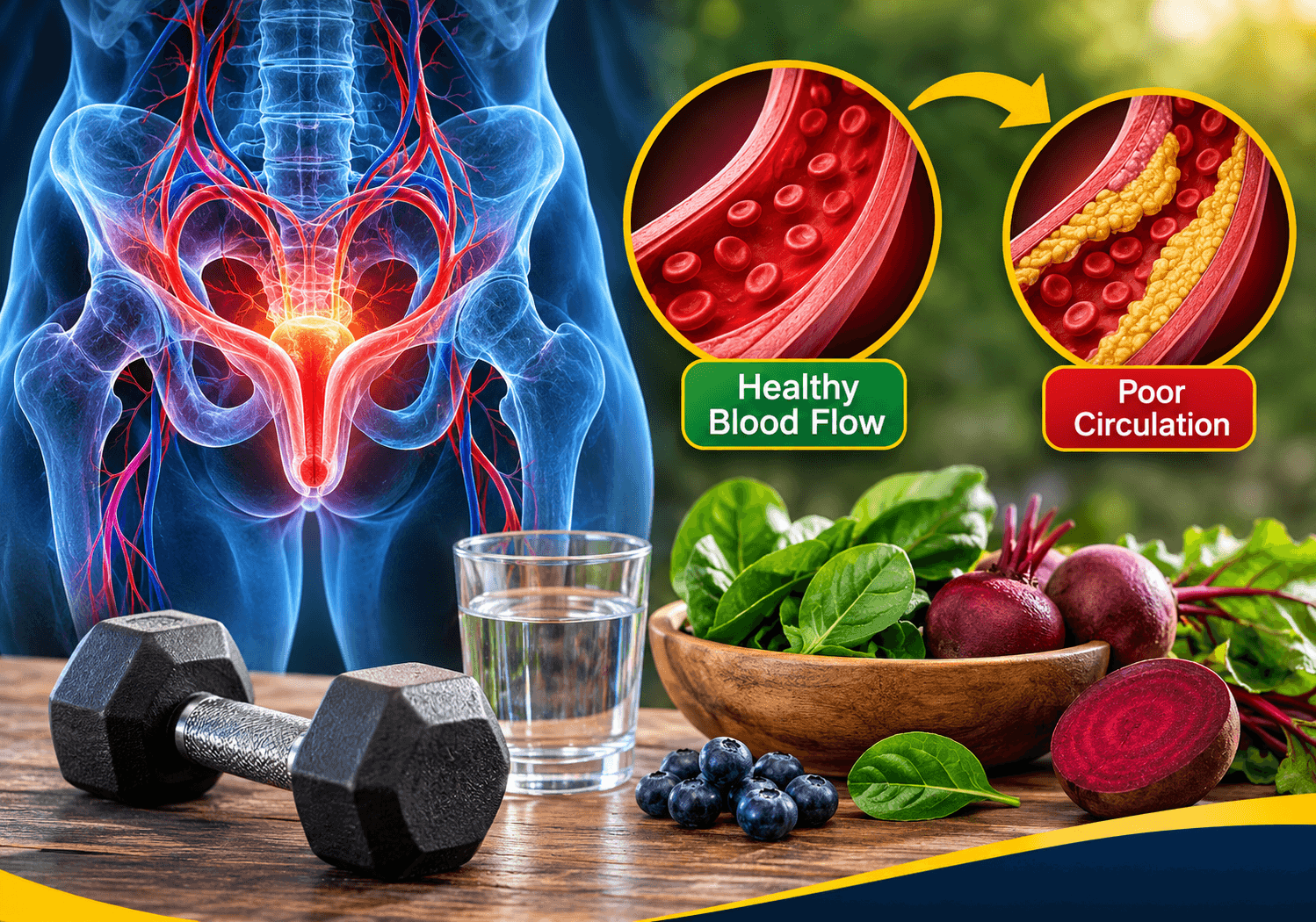
When working with male clients in the gym or reviewing recovery protocols, conversations often center around muscle hypertrophy, strength gains, and fat loss. However, underlying physical vitality relies heavily on a system few men monitor until problems arise: the cardiovascular network. Vascular health is the invisible engine driving overall physical performance, endurance, and intimate wellness. Recognizing the early signs of poor circulation affecting male sexual health is essential for catching systemic vascular issues before they escalate into major cardiovascular events or chronic functional declines.
Circulatory efficiency determines how effectively oxygen and vital nutrients reach every tissue in the body, including the pelvic region. When arterial walls stiffen, plaque builds up, or endothelial cells fail to produce adequate nitric oxide, blood flow to peripheral and pelvic structures diminishes. This reduction in hemodynamic efficiency does not just impact athletic endurance on the turf or squat rack; it directly compromises smooth muscle function and hemodynamic response in intimate physiology. Understanding these warning signs empowers men to take proactive steps through targeted exercise, nutritional adjustments, and medical guidance.
Quick Answer Box
Poor circulation impacts male sexual health primarily by restricting blood flow through narrowed or stiffened arteries, leading to difficulties achieving or maintaining erections, reduced sensitivity, and decreased stamina. Early vascular warning signs include diminished pelvic responsiveness, cold extremities, fatigue during exertion, and systemic symptoms of endothelial dysfunction.
Understanding Vascular Health and Male Sexual Function
The human circulatory system is an intricate web of arteries, veins, and capillaries spanning roughly 60,000 miles. Every organ system depends on this continuous perfusion. Male sexual health is intimately tied to vascular integrity because erectile function is fundamentally a hemodynamic event. Achieving an erection requires a rapid, highly regulated surge of arterial blood flow into the paired corpora cavernosa, followed by compression of the venous outflow to trap blood within the erectile tissue.
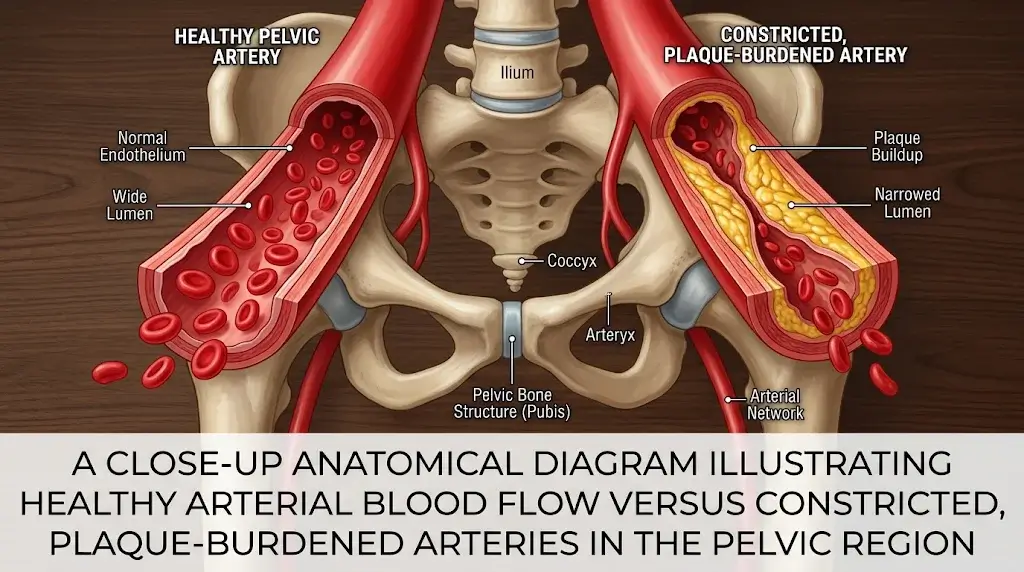
According to research published by the National Institutes of Health (NIH), the internal pudendal arteries supply blood to the pelvic structures. Because these arteries have a relatively small diameter compared to coronary arteries, arterial plaque accumulation or endothelial stiffening often manifests in pelvic blood flow restriction years before a major cardiac event occurs. In essence, the pelvic vasculature acts as an early warning system for systemic cardiovascular disease.
When arterial walls lose their elasticity due to chronic inflammation, smoking, poor diet, physical inactivity, or metabolic syndrome, the endothelium—the inner lining of blood vessels—fails to synthesize sufficient nitric oxide. Nitric oxide is the signaling molecule responsible for relaxing vascular smooth muscle, allowing arteries to dilate and accommodate increased blood flow. Without optimal nitric oxide signaling and clean, pliable vessel walls, the hydraulic mechanics required for peak sexual performance falter.
Top Signs and Symptoms of Poor Circulation Impacting Impacting Intimate Wellness
Identifying vascular insufficiencies early requires paying attention to both systemic and localized signals. While occasional performance dips happen due to stress, fatigue, or acute anxiety, consistent physiological changes point toward circulatory impairment.
1. Gradual Onset of Erectile Difficulty
The most prominent localized indicator of vascular compromise is a progressive decline in erectile firmness or consistency. Unlike psychological performance anxiety—which typically strikes suddenly and varies depending on the partner or setting—vascular-related decline is usually gradual, persistent, and independent of psychological state. If arteries fail to dilate adequately, blood volume entering the pelvic region remains insufficient to achieve rigid tumescence.
2. Reduced Sensitivity and Delayed Responsiveness
Suboptimal blood flow also starves peripheral nerve endings and sensitive tissues of oxygen and micronutrients. Men experiencing restricted circulation often notice diminished tactile sensitivity in the groin and genital region. This reduction in nerve feedback can make sexual arousal feel muted, requiring more direct or intense physical stimulation to achieve the same physiological response.
3. Reduced Stamina and Pelvic Fatigue
Intimate activity requires physical exertion, muscular contraction, and sustained cardiovascular output. Men with compromised peripheral circulation often experience early physical fatigue, cramping, or a feeling of heaviness in the legs and pelvic girdle during exertion. This lack of stamina stems from inadequate oxygen delivery to working skeletal and smooth muscles.
4. Cold Extremities and Peripheral Warning Signs
Systemic poor circulation rarely isolates itself to a single region. If you frequently notice cold fingers, toes, or feet—even in temperate environments—your peripheral vascular resistance is likely elevated. Additionally, slow-healing skin wounds, hair loss on the lower legs, or a pale, bluish tint in the extremities are classic clinical signs of peripheral arterial disease (PAD), which frequently correlates with restricted pelvic blood flow.
The Biological Mechanism: Nitric Oxide, Endothelial Function, and Arterial Blood Flow
To understand why circulation falters and how to restore it, we must examine the microscopic cellular machinery lining our blood vessels. The endothelium is not merely a passive pipe; it is an active endocrine organ that releases vasoactive substances to control vascular tone.
The Role of Nitric Oxide (NO)
Nitric oxide is synthesized in endothelial cells from the amino acid L-arginine by the enzyme endothelial nitric oxide synthase (eNOS). Once released, NO diffuses into adjacent vascular smooth muscle cells, activating guanylyl cyclase and lowering intracellular calcium levels. This process causes smooth muscle relaxation, leading to vasodilation.
When men experience chronic stress, high blood sugar, sedentary habits, or diets high in oxidized fats, reactive oxygen species (free radicals) destroy nitric oxide faster than the body can produce it. This condition is known as endothelial dysfunction. Without adequate nitric oxide, arteries remain constricted, restricting the vital surge of blood needed for intimate vitality.
Atherosclerosis and Arterial Plaque
Over years of systemic inflammation and elevated low-density lipoprotein (LDL) cholesterol oxidation, fatty plaques (atheromas) can accumulate along arterial walls. As these plaques calcify and thicken, they narrow the luminal diameter of the arteries. Because the penile arteries are roughly 1 to 2 millimeters in diameter compared to the coronary arteries (3 to 4 millimeters), plaque accumulation restricts blood flow much faster in smaller vessels. This explains why vascular-based intimacy issues often present 3 to 5 years before a myocardial infarction or stroke.
Lifestyle, Training, and Cardiovascular Conditioning for Better Blood Flow
The encouraging news is that blood vessels are remarkably adaptable. Through targeted physical activity, smart nutritional choices, and positive lifestyle modifications, endothelial function can be partially restored, new collateral micro-vessels can form (angiogenesis), and arterial elasticity can improve.
Cardiovascular Exercise Prescription
Aerobic conditioning is the cornerstone of vascular rehabilitation. Engaging in moderate-intensity steady-state (MISS) cardio—such as brisk walking, cycling, or rowing—forces the heart to pump a higher volume of blood, creating laminar shear stress along the inner walls of blood vessels. This mechanical shear stress stimulates eNOS expression, boosting endogenous nitric oxide production.
- Frequency: 4 to 5 sessions per week.
- Duration: 30 to 45 minutes per session.
- Intensity: Zone 2 heart rate (60–70% of maximum heart rate, where you can converse comfortably without gasping for air).
Resistance Training and Muscle Pump Mechanics
Resistance training builds lean muscle mass, improves insulin sensitivity, and enhances overall metabolic health, all of which protect vascular tissue. Compound movements like squats and deadlifts recruit large muscle groups in the lower body, creating a powerful muscular pump that drives venous return and trains arterial walls to expand and contract efficiently.
Nutritional Strategies and Evidence-Based Supplements Supporting Circulation
Dietary habits dictate the inflammatory environment of your vascular system. Adopting a nutrient-dense, anti-inflammatory eating pattern reduces oxidative stress on the endothelium.
Nitrate-Rich Foods
Dietary nitrates found in leafy greens and beetroot juice are converted by oral bacteria and gastric enzymes into nitrites, which the body readily reduces into nitric oxide independently of the eNOS pathway. Consuming nitrate-rich foods acts as a direct vasodilator.
Targeted Nutritional Support
Certain amino acids and botanical extracts have robust clinical backing for supporting endothelial health and blood flow:
- L-Citrulline: A precursor to L-arginine that bypasses hepatic clearance more effectively than L-arginine supplementation alone, significantly elevating plasma arginine levels and supporting nitric oxide production.
- Omega-3 Fatty Acids: Found in fatty fish, EPA and DHA reduce systemic inflammation, lower triglycerides, and improve endothelial-dependent vasodilation.
- Coenzyme Q10 (CoQ10): Acts as a potent antioxidant protecting LDL cholesterol from oxidation and supporting mitochondrial energy production in vascular smooth muscle.
For further reading on natural approaches to vascular and metabolic health, explore our guide on how to support metabolism naturally for weight management. Additionally, hormonal balance and stress management play a vital role; learn more about how lifestyle factors influence wellness in can stress and poor sleep lower male libido.
Medical Evaluation and When to See a Doctor
While lifestyle interventions are powerful, persistent signs of poor circulation affecting male sexual health warrant professional medical evaluation. Intimate functional changes are frequently the earliest sentinel sign of undiagnosed cardiovascular disease, hypertension, type 2 diabetes, or hormonal imbalances.
A qualified physician or urologist can perform non-invasive diagnostic tests, including:
- Lipid Panels and HbA1c Tests: To check cholesterol ratios and long-term blood sugar control, identifying metabolic risk factors for atherosclerosis.
- Penile Doppler Ultrasound: To evaluate arterial blood flow velocity within the corpora cavernosa and rule out venous leak or arterial blockage.
- Endothelial Function Testing: Assessing peripheral arterial tonometry to gauge vascular reactivity.
If you are experiencing sudden-onset symptoms, severe chest discomfort, shortness of breath, or numbness alongside sexual health changes, consult a physician immediately. Addressing cardiovascular risk early safeguards both your intimate vitality and your long-term life expectancy.
Comprehensive Workout Protocol to Boost Vascular Health
To stimulate angiogenesis, improve endothelial nitric oxide synthesis, and enhance lower-body blood flow, incorporate this structured lower-body and cardiovascular conditioning routine into your weekly training schedule.
Workout Structure: Lower-Body Hemodynamic Priming
- Frequency: 2 times per week (non-consecutive days, e.g., Tuesday and Friday).
- Rest Periods: 60 to 90 seconds between sets to maintain elevated heart rate without excessive fatigue.
| Exercise | Sets | Reps / Duration | Rest | Tempo / Cues |
| Barbell Goblet Squat | 3 | 10 – 12 reps | 90 sec | 3010 tempo; drive through heels, engage glutes at top |
| Dumbbell Romanian Deadlift | 3 | 10 – 12 reps | 90 sec | 3110 tempo; hinge at hips, maintain flat spine, feel hamstring stretch |
| Incline Treadmill Walk | 1 | 25 minutes | N/A | 10-15% incline, 3.0 mph [4.8 km/h]; Zone 2 cardio |
| Seated Calf Raise | 3 | 15 – 20 reps | 60 sec | 2011 tempo; full ankle range of motion to promote calf muscle pump |
Progression and Regression
- Regression: If bodyweight or light dumbbell movements cause joint discomfort, replace barbell squats with assisted box squats or leg press machines. Reduce treadmill incline to 5%.
- Progression: Increase dumbbell load by 5 lb [2.3 kg] increments once you can complete all prescribed repetitions with flawless form. Increase treadmill duration by 2 minutes each week up to 40 minutes.

Common Mistakes and Fixes in Vascular and Sexual Health Management
Men attempting to address circulatory and intimate wellness issues often fall into common traps that delay recovery or exacerbate underlying problems.
- Common Mistake #1: Relying Solely on Quick-Fix Supplements. Taking over-the-counter nitric oxide boosters without changing a sedentary lifestyle, poor diet, or smoking habits yields minimal long-term results.
- The Fix: Prioritize foundational habits—aerobic conditioning, whole-food nutrition, and smoking cessation—before introducing targeted supplements like L-citrulline or omega-3s.
- Common Mistake #2: Ignoring Blood Pressure and Glycemic Control. Assuming occasional intimate difficulties are “just getting older” while ignoring creeping hypertension or insulin resistance.
- The Fix: Track blood pressure regularly and get annual metabolic blood panels done. Controlled blood pressure preserves delicate endothelial linings.
- Common Mistake #3: Overtraining Without Adequate Recovery. Engaging in grueling, high-intensity daily workouts that spike chronic cortisol and systemic inflammation, which actually impairs endothelial recovery.
- The Fix: Balance high-intensity resistance training with ample Zone 2 cardio, restorative sleep, and rest days.
Frequently Asked Questions (FAQ)
Can poor circulation be reversed naturally?
Yes, early-stage endothelial dysfunction and mild arterial plaque buildup can be significantly improved through consistent cardiovascular exercise, a plant-forward anti-inflammatory diet, smoking cessation, and weight management. These habits promote nitric oxide production and enhance overall vascular elasticity.
How does high blood pressure impact male sexual health?
Chronic high blood pressure damages and scars the delicate inner lining of arteries, making them stiff and narrow. This vascular damage restricts the necessary blood flow into pelvic tissues, directly impairing erectile mechanics and reducing intimate responsiveness over time.
What are the best foods to improve pelvic blood flow?
Foods high in dietary nitrates—such as beets, spinach, arugula, and celery—along with antioxidant-rich berries, citrus fruits, and omega-3 fatty acids from salmon or mackerel, strongly support nitric oxide production and overall endothelial health.
Is erectile difficulty always a sign of poor circulation?
While vascular insufficiency is the leading physical cause of erectile difficulty in men over 40, psychological factors like performance anxiety, chronic stress, relationship tension, and hormonal imbalances (such as low testosterone) can also contribute independently or concurrently.
How long does it take to improve circulation through exercise?
Improvements in endothelial function and nitric oxide bioavailability can begin within just two to four weeks of starting a consistent aerobic exercise routine. Long-term structural remodeling of blood vessels typically requires three to six months of dedicated lifestyle changes.
Conclusion & Medical Disclaimer
Vascular health is the foundational pillar of both systemic longevity and male sexual wellness. Recognizing the early signs of poor circulation affecting male sexual health allows you to address root vascular causes before they impact your quality of life. By integrating structured cardiovascular training, nutrient-dense nutrition, stress management, and regular medical check-ups, you can protect your circulatory network, enhance physical stamina, and support long-term vitality.
Always consult with a qualified physician or healthcare provider before beginning any new exercise regimen, significantly altering your diet, or starting new supplements, especially if you have pre-existing cardiovascular conditions, hypertension, or are taking prescription medications.