Navigating the supplement aisle can feel overwhelming. You want to support your energy levels, manage your weight, and optimize your metabolic health, but the marketing claims are often loud and confusing. Knowing exactly what to look for in a metabolism support supplement is the first step toward making a safe, effective, and evidence-based choice. As a strength and conditioning coach, I help clients cut through the noise. This guide will break down the science, the key ingredients, and the red flags so you can invest in your health with confidence.
Quick Answer
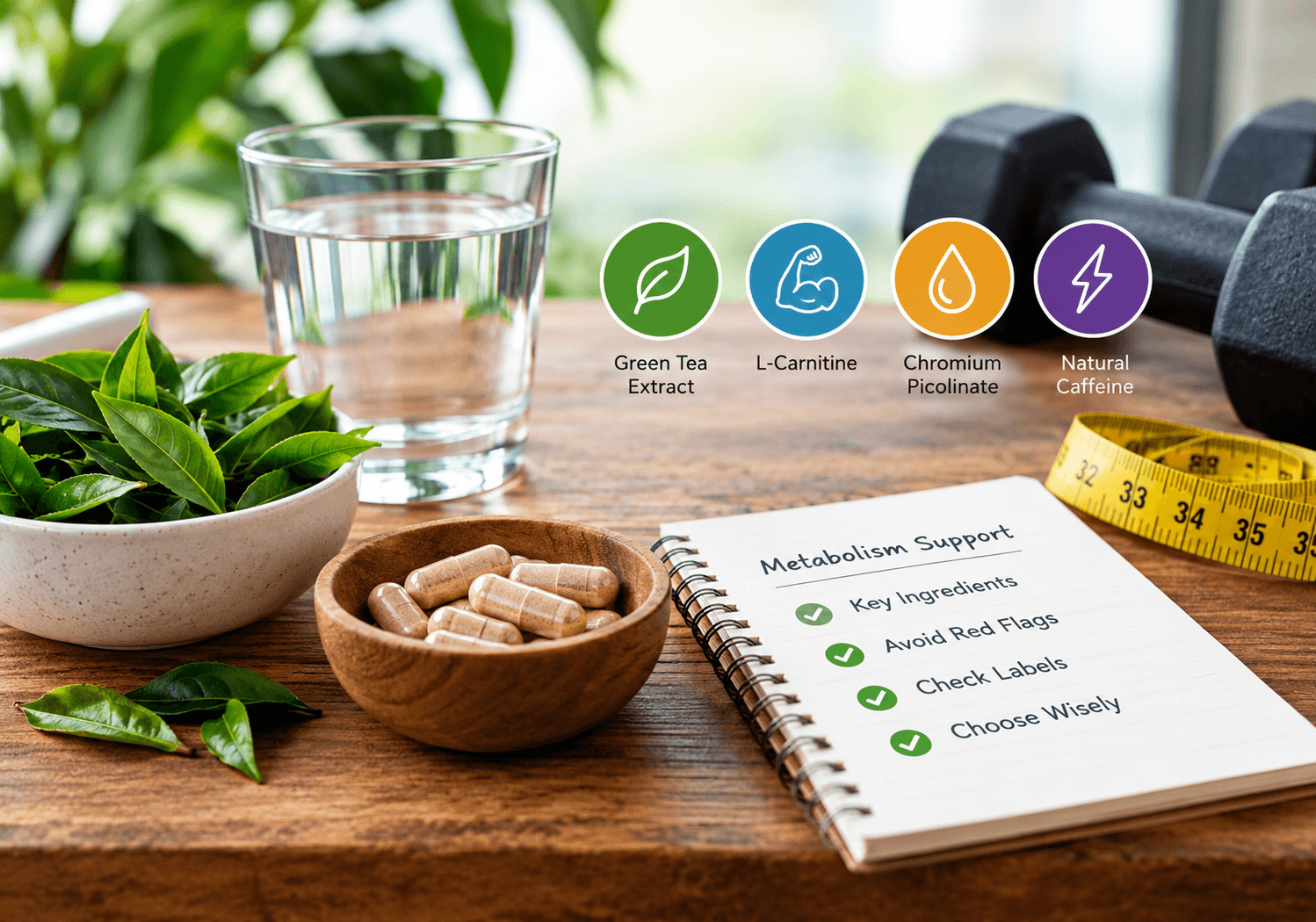
When evaluating what to look for in a metabolism support supplement, prioritize transparent ingredient labels with clinically studied doses of green tea extract (EGCG), L-carnitine, chromium picolinate, or natural caffeine. Always choose products with third-party testing (like NSF or Informed-Choice) and avoid proprietary blends that hide exact dosages.
Understanding Your Metabolism: The Basics
Before buying a product, it helps to understand what “metabolism” actually means. Your metabolism is not a single switch that turns on or off. It is the sum of all chemical processes your body uses to convert food into energy. This total daily energy expenditure (TDEE) is made up of four main components:
- Basal Metabolic Rate (BMR): The calories your body burns at complete rest to keep your heart beating and lungs breathing. This accounts for about 60-70% of your daily calorie burn.
- Thermic Effect of Food (TEF): The energy required to digest, absorb, and process nutrients. Protein has the highest TEF, meaning your body burns more calories digesting it compared to fats or carbs.
- Exercise Activity Thermogenesis (EAT): Calories burned during structured workouts, like lifting weights or running.
- Non-Exercise Activity Thermogenesis (NEAT): Calories burned through daily movement, such as walking 3 miles (5 km) to work, fidgeting, or doing household chores.
Supplements cannot magically rewrite your BMR. However, specific ingredients may support mitochondrial health, enhance fat oxidation during exercise, or help regulate blood sugar, making your overall metabolic engine run more efficiently.

Key Ingredients: What to Look for in a Metabolism Support Supplement
When reading a supplement facts panel, ignore the flashy front-of-bottle marketing. Turn the bottle around and look for these evidence-backed ingredients.
1. Green Tea Extract (Standardized for EGCG)
Green tea extract is one of the most researched natural metabolic supports. The active compounds, catechins, specifically epigallocatechin gallate (EGCG), work synergistically with caffeine to promote thermogenesis. A meta-analysis published in the American Journal of Clinical Nutrition indicates that green tea extract can modestly increase energy expenditure and fat oxidation.
- What to look for: A label that specifies the EGCG content, typically ranging from 250 mg to 500 mg per serving.
- Best for: Individuals seeking a mild, jitter-free metabolic boost, especially when paired with light cardio.
2. L-Carnitine
L-carnitine is an amino acid derivative that plays a crucial role in energy production. It transports long-chain fatty acids into the mitochondria, where they are burned for energy. While it is not a magic fat-loss pill, research in the Journal of the International Society of Sports Nutrition suggests it may support recovery and fat metabolism, particularly in older adults or those with lower baseline levels.
What to look for: L-carnitine L-tartrate or acetyl-L-carnitine, with doses around 1,000 mg to 2,000 mg (0.035 oz to 0.07 oz) per day.
3. Chromium Picolinate
Chromium is an essential trace mineral that enhances the action of insulin, a hormone critical to the metabolism and storage of carbohydrate, fat, and protein. Studies, including those reviewed by the National Institutes of Health (NIH), show that chromium picolinate supports glucose metabolism, which can help reduce sugar cravings and stabilize energy levels throughout the day.
- What to look for: Chromium picolinate at a dose of 200 mcg to 1,000 mcg daily.
- Best for: Individuals who experience mid-afternoon energy crashes or have a high intake of refined carbohydrates.
4. Natural Caffeine Sources
Caffeine is a proven central nervous system stimulant that increases resting metabolic rate and enhances physical performance. However, the source matters. Synthetic caffeine anhydrous can cause jitters and crashes.
- What to look for: Natural sources like green coffee bean extract, yerba mate, or guarana, ideally dosed between 100 mg and 200 mg per serving.
- Best for: Pre-workout energy and temporary metabolic elevation.
5. Inositol
Inositol, often referred to as vitamin B8, is a sugar alcohol that influences the body’s insulin response and several hormones associated with mood and cognition. Clinical trials have demonstrated that inositol improves insulin sensitivity, which is a foundational pillar of metabolic health, especially for women over 40 or those managing conditions like PCOS.
- What to look for: A blend of Myo-inositol and D-chiro-inositol, often in a 40:1 ratio, with total daily doses ranging from 2,000 mg to 4,000 mg.
- Best for: Women over 40 and individuals focused on hormonal balance and blood sugar regulation.
6. Amino Acids for Blood Flow and Nutrient Delivery
Metabolism requires efficient nutrient delivery. Amino acids like L-citrulline are converted in the kidneys to L-arginine, which then boosts nitric oxide production. Understanding how L-citrulline helps produce nitric oxide is key, as this process dilates blood vessels. Improved circulation ensures that oxygen and metabolic substrates reach working muscles efficiently. For those evaluating L-arginine vs L-citrulline for blood flow, citrulline is generally better absorbed and more effective at raising sustained arginine levels in the blood.
- What to look for: Pure L-citrulline or citrulline malate, dosed at 3,000 mg to 6,000 mg.
- Best for: Active individuals and home gym owners wanting to maximize workout performance and metabolic output.

Red Flags: What to Avoid in Metabolic Supplements
Knowing what to look for in a metabolism support supplement also means knowing what to run away from. The supplement industry is not as strictly regulated as pharmaceuticals, making buyer beware a necessary mindset.
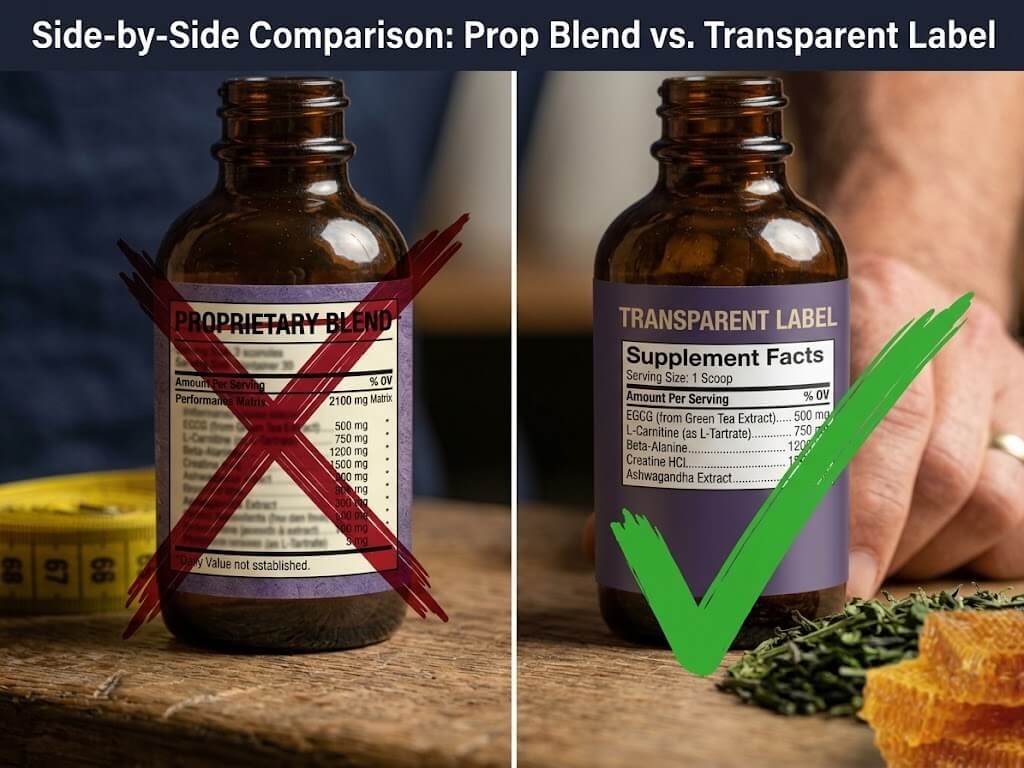
- Proprietary Blends: If a label says “Metabolic Matrix: 2,000 mg” and lists five ingredients without specifying the amount of each, put it back. You have no way of knowing if you are getting a clinical dose of the good stuff or just a sprinkle of caffeine and a lot of cheap filler.
- Excessive Stimulant Loads: Some products pack 300 mg to 400 mg of caffeine per serving, alongside other stimulants like synephrine or yohimbine. This can lead to elevated heart rate, anxiety, and disrupted sleep. Poor sleep directly harms healthy blood vessel function and slows metabolic recovery.
- Unrealistic Claims: Any product promising to “melt 10 pounds of fat in a week” or “boost metabolism by 500%” is lying. Sustainable metabolic support is measured in modest, single-digit percentage increases over time, combined with diet and exercise.
- Lack of Third-Party Testing: Look for seals from NSF Certified for Sport, Informed-Choice, or USP. These indicate the product has been tested for banned substances and label accuracy.
How to Choose: The Buyer’s Checklist
Use this practical checklist the next time you are evaluating a product:
- Transparency: Are all ingredients and their exact dosages listed?
- Clinical Dosing: Do the amounts match the doses used in peer-reviewed studies?
- Third-Party Certification: Is there an independent testing seal on the bottle?
- Allergen Information: Is it manufactured in a facility that processes common allergens if you have sensitivities?
- Budget and Value: Calculate the cost per serving, not just the cost per bottle. A $30 bottle that lasts 15 days is more expensive than a $50 bottle that lasts 60 days.
- Return Policy: Does the company offer a 30- to 60-day money-back guarantee?
Coach’s Tip:
Always take stimulant-based metabolism supplements before 2:00 PM. Caffeine has a half-life of about 5 to 6 hours. Taking it late in the day can disrupt your deep sleep cycles, which in turn elevates cortisol and actually slows your metabolic rate the following day.
Common Mistake:
Relying on a supplement to fix a broken foundation. A metabolism support pill cannot out-work a diet lacking in protein or a sedentary lifestyle. If you are not walking at least 3 miles (5 km) a day and eating whole foods, a supplement will do very little. Fix the foundation first.
Top Metabolism Support Supplement Categories
Rather than endorsing specific, ever-changing commercial brands, it is more useful to understand the top formulation types available. This allows you to match a category to your specific goals. Prices are estimated and should beed at the time of purchase.
1. Stimulant-Free Metabolic Support
Key features: Contains L-carnitine, green tea extract (decaffeinated), and chromium.
- Pros: No jitters, no sleep disruption, supports steady energy.
- Cons: Effects are subtle and require consistent, long-term use.
- Price range: $25 – $45
2. Thermogenic Fat Burner
- Who it’s for: Experienced gym-goers looking for a pre-workout energy and metabolic spike.
- Key features: Natural caffeine (150-200 mg), capsaicin extract, and green tea extract (with EGCG).
- Pros: Noticeable increase in workout energy and short-term calorie burn.
- Cons: Can cause anxiety, elevated heart rate, or digestive upset in sensitive individuals.
- Price range: $30 – $60
- 3. Glucose Metabolism and Blood Sugar Support
- Who it’s for: Individuals with sedentary jobs, high-carb diets, or those managing pre-diabetic markers.
- Key features: Chromium picolinate, berberine, and alpha-lipoic acid (ALA).
- Pros: Helps reduce sugar cravings, stabilizes post-meal energy crashes, and supports long-term metabolic health.
- Cons: Berberine can cause mild digestive discomfort when first introduced.
- Price range: $20 – $40
4. Inositol-Based Hormonal and Metabolic Blend
- Who it’s for: Women over 40, individuals with PCOS, or those experiencing insulin resistance.
- Key features: Myo-inositol and D-chiro-inositol in a 40:1 ratio, sometimes with folate.
- Pros: Excellent for addressing the root hormonal causes of metabolic slowdown. Very well tolerated.
- Cons: Requires higher powder or multi-capsule doses daily, which can be inconvenient.
- Price range: $25 – $50
5. Nitric Oxide and Amino Acid Metabolic Blend
- Who it’s for: Home gym owners and athletes focused on performance-driven metabolism.
- Key features: L-citrulline, beetroot extract, and branched-chain amino acids (BCAAs).
- Cons: Does not directly burn fat; it supports the capacity to work harder.
- Price range: $35 – $55
6. Comprehensive Multivitamin with Metabolic Cofactors
- Who it’s for: Gym beginners or anyone with a highly restricted diet (e.g., vegan, keto).
- Key features: B-complex vitamins (B6, B12, Folate), iodine, selenium, and zinc.
- Pros: Fills nutritional gaps that are strictly required for the thyroid to produce metabolic hormones.
- Cons: Not a targeted “booster,” but rather a foundational insurance policy.
- Price range: $15 – $35
How to Use Metabolism Supplements Safely
Even the best ingredients require proper execution. Follow these practical steps to integrate a supplement into your routine safely.
- Start Low and Go Slow: Begin with half the recommended serving for the first 3 to 5 days to assess your tolerance, especially for thermogenic products.
- Time It Right: Take stimulant-based formulas 30 to 45 minutes before your morning workout or walk. Take stimulant-free formulas like L-carnitine or inositol with your largest carbohydrate-containing meal.
- Hydrate Aggressively: Metabolic processes require water. Aim to drink at least 80 to 100 fluid ounces (2.3 to 3 liters) of water daily. Dehydration mimics fatigue and slows metabolic function.
- Cycle Stimulants: If using a caffeine-based product, take 1 to 2 days off per week (e.g., weekends) to prevent your adrenal system from building a tolerance.
- Monitor Your Body: Keep a simple log of your energy levels, sleep quality, and digestive comfort. If you experience rapid heartbeat, severe jitters, or nausea, discontinue use immediately.

Frequently Asked Questions (FAQ)
1. What is the most important thing to look for in a metabolism support supplement?
The most critical factor is label transparency. You must be able to see the exact milligram dosage of every active ingredient to ensure it matches clinically studied amounts. Avoid proprietary blends that hide these details.
2. Are metabolism supplements safe for women over 40?
Yes, but with caution. Women over 40 should prioritize stimulant-free options containing ingredients like inositol, chromium, or L-carnitine. High-stimulant thermogenics can exacerbate stress hormones and disrupt sleep, which is counterproductive to metabolic health.
3. How long does it take to see results from a metabolism supplement?
Metabolic supplements are not quick fixes. You may feel an energy boost from caffeine within 45 minutes, but changes in body composition or metabolic efficiency typically require 8 to 12 weeks of consistent use alongside proper diet and exercise.
4. Can I take a metabolism supplement if I have high blood pressure?
You should avoid supplements containing high doses of caffeine, synephrine, or yohimbine, as these can elevate blood pressure. Always consult your physician before starting any new supplement if you have a cardiovascular condition.
5. Do metabolism boosters actually work without exercise?
Their effect is minimal without exercise. While ingredients like green tea extract may increase resting energy expenditure by a small margin (around 3-4%), this is not enough to cause significant weight loss without a caloric deficit and physical activity.
6. What is the best time of day to take a metabolism supplement?
For stimulant-based supplements, take them in the morning or early afternoon, ideally 30 minutes before exercise. For stimulant-free options like inositol or chromium, take them with your largest meal to help manage blood sugar spikes.
Conclusion
Knowing what to look for in a metabolism support supplement empowers you to make smart, science-backed decisions for your body. Focus on transparent labels, clinically dosed ingredients like green tea extract, L-carnitine, and chromium, and always verify third-party testing. Remember that supplements are exactly that: supplementary. They work best when they support a solid foundation of whole-food nutrition, consistent resistance training, and adequate daily movement.