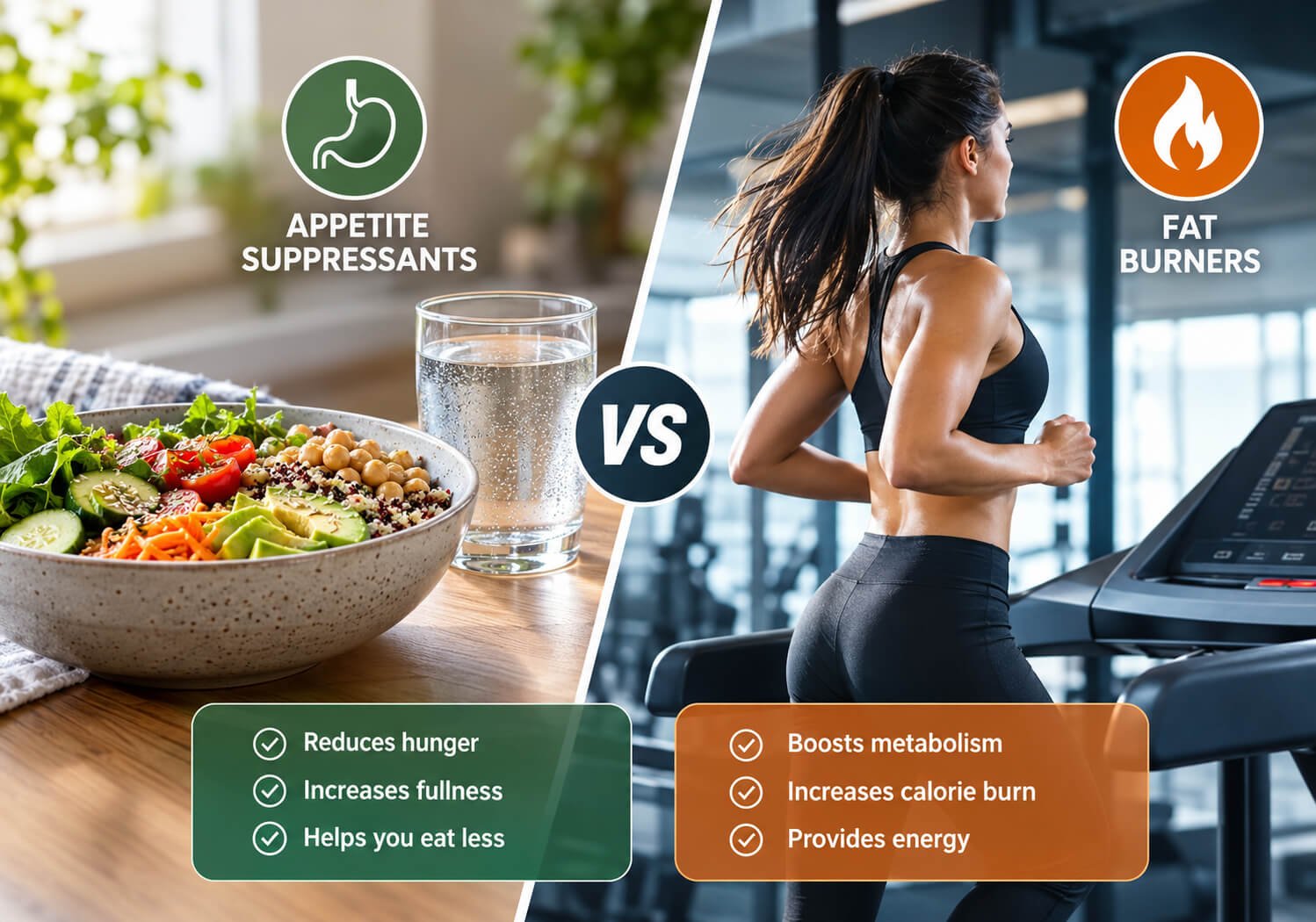
Navigating the weight loss supplement aisle can feel overwhelming. You see bottles promising to melt fat, curb cravings, and boost energy. But if you are trying to make an informed decision, you need to know: what is the difference between appetite suppressants and fat burners? These two categories of supplements serve entirely different purposes in your weight management journey. Understanding this difference is the first step toward building a safe, effective, and sustainable plan.
As a strength and conditioning coach, I see clients waste money on the wrong supplements because they do not match their specific hurdles. If your main struggle is late-night snacking, a fat burner will not fix that. If your main struggle is a sluggish metabolism and low workout energy, an appetite suppressant will not help. This guide breaks down the science, the ingredients, and the practical applications of both, so you can choose the right tool for your goals.
Quick Answer
Appetite suppressants work by reducing hunger signals in the brain or physically filling your stomach to help you eat fewer calories. Fat burners work by increasing your body’s internal heat production (thermogenesis) and boosting your metabolic rate to help you burn more calories at rest and during exercise. They target different problems in the weight loss process.
Side-by-Side Comparison: Appetite Suppressants vs. Fat Burners
| Feature | Appetite Suppressants | Fat Burners |
| Primary Goal | Reduce calorie intake by controlling hunger. | Increase calorie expenditure by boosting metabolism. |
| Main Mechanism | Influences hunger hormones (ghrelin, leptin) or expands in the stomach. | Stimulates the central nervous system to increase thermogenesis and lipolysis. |
| Key Ingredients | Glucomannan, protein, fiber, 5-HTP, green tea extract (low dose). | Caffeine, green tea extract (EGCG), yohimbine, synephrine, L-carnitine. |
| Best For | People who struggle with portion control, binge eating, or constant cravings. | People who have their diet under control but need an energy or metabolic boost. |
| Common Side Effects | Digestive upset, bloating, gas, mild nausea. | Jitters, elevated heart rate, insomnia, increased blood pressure. |
| Timing | Typically taken 30–60 minutes before meals. | Typically taken in the morning or 30 minutes before a workout. |
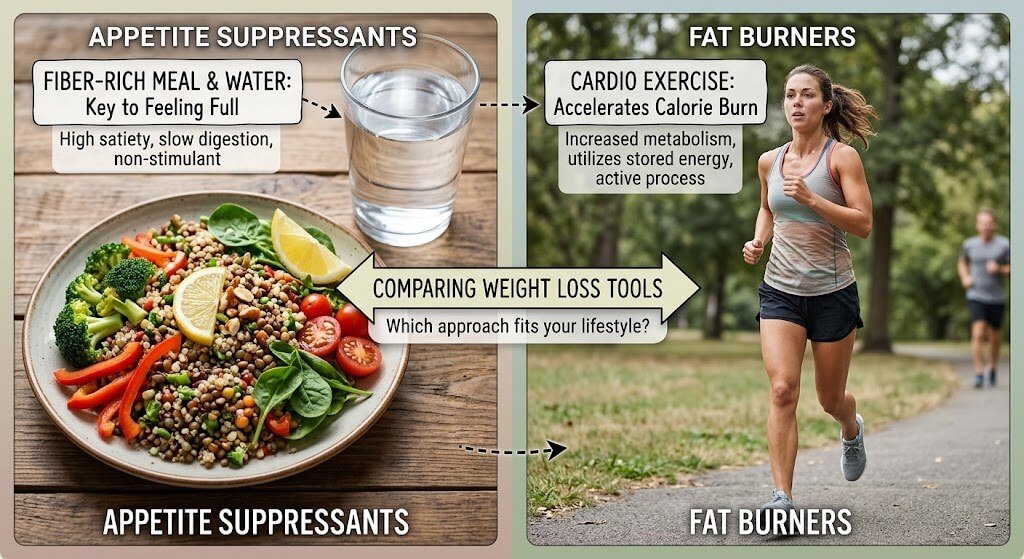
How Appetite Suppressants Work
Appetite suppressants target the root cause of overeating: hunger. Your body regulates hunger through a complex system of hormones, primarily ghrelin (the “hunger hormone”) and leptin (the “satiety hormone”). When you diet, ghrelin levels often rise, making you feel ravenous. Appetite suppressants intervene in this process through two main pathways: hormonal regulation and physical volume.
1. Hormonal Regulation
Some ingredients signal to your brain that you are full. For example, certain plant extracts and amino acids may influence neurotransmitters like serotonin, which plays a role in mood and satiety. When your brain receives these “fullness” signals, the urge to snack between meals diminishes.
2. Physical Volume (Fiber and Protein)
The most evidence-backed natural appetite suppressants work mechanically. Soluble fibers, such as glucomannan, absorb water in your digestive tract and expand into a gel-like substance. This physically stretches the stomach wall, sending immediate fullness signals to the brain via the vagus nerve. Similarly, consuming adequate protein increases the release of peptide YY, a hormone that reduces appetite.
Research supports the use of glucomannan for weight management. A review published in the Journal of the American College of Nutrition noted that glucomannan, when combined with a calorie-controlled diet, can promote modest weight loss by enhancing satiety.
Common Ingredients in Appetite Suppressants:
- Glucomannan: A natural, water-soluble dietary fiber extracted from the roots of the elephant yam.
- Protein Powders: Whey or plant-based proteins that trigger satiety hormones.
- 5-HTP (5-Hydroxytryptophan): A compound that helps produce serotonin, potentially reducing carb cravings.
- Green Tea Extract: Contains mild compounds that may support fullness, though it is more famous for fat burning.
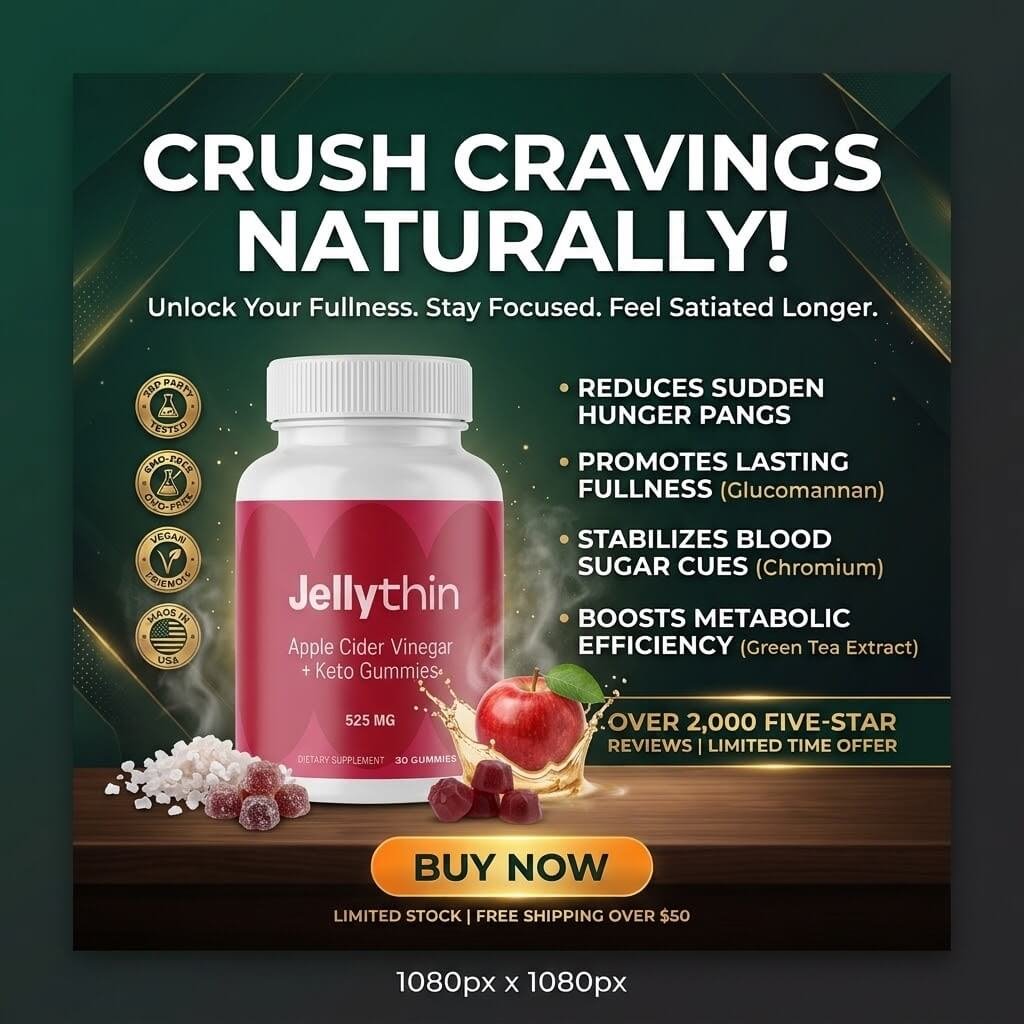
How Fat Burners Work
Fat burners, often called thermogenics, do not directly stop you from feeling hungry. Instead, they aim to increase the number of calories your body burns throughout the day. They achieve this by stimulating the central nervous system, which in turn ramps up your basal metabolic rate (BMR) and enhances lipolysis (the breakdown of fat cells for energy).
1. Thermogenesis
Thermogenesis is the process of heat production in organisms. Certain ingredients force your body to work harder and generate more heat, which requires extra energy (calories). This is the same mechanism that makes you sweat during a hard workout, but thermogenics attempt to trigger a mild version of this effect at rest.
2. Enhanced Lipolysis and Energy Mobilization
Fat burners often contain stimulants that increase the release of catecholamines (like adrenaline). These hormones bind to fat cells, signaling them to release stored fatty acids into the bloodstream to be used as fuel. If you are exercising, this mobilized fat is more readily available to be burned off.
According to the National Institutes of Health (NIH), ingredients like caffeine and green tea extract (specifically the catechin EGCG) have been shown to mildly increase energy expenditure and fat oxidation. However, the effect is modest, typically amounting to an extra 50 to 100 calories burned per day.
Common Ingredients in Fat Burners:
- Caffeine: The most common and well-researched stimulant for boosting metabolic rate and workout performance.
- Green Tea Extract (EGCG): Works synergistically with caffeine to enhance thermogenesis.
- Yohimbine: Derived from the bark of an African tree, it may help target stubborn fat stores, though it can cause anxiety in some users.
- Synephrine (Bitter Orange): A milder stimulant similar to ephedrine, used to increase metabolic rate without the same level of cardiovascular strain, though caution is still required.
Key Differences Between Appetite Suppressants and Fat Burners
When evaluating what is the difference between appetite suppressants and fat burners, it helps to look at three core areas: mechanism of action, primary goals, and side effect profiles.
1. Mechanism of Action
Appetite suppressants act on the digestive system and the brain’s hunger centers. They are defensive tools, designed to protect your caloric deficit by stopping you from eating too much. Fat burners act on the central nervous system and cellular metabolism. They are offensive tools, designed to actively increase the number of calories you expend.
2. Primary Goals
If your daily struggle is staring into the refrigerator at 9 PM or finishing your child’s leftover chicken nuggets, your primary goal is hunger management. An appetite suppressant is the logical choice. If you already eat in a caloric deficit, track your macros, and feel hungry but simply want to break through a weight loss plateau by increasing your daily energy output, a fat burner is the better fit.
3. Side Effect Profiles
Because they work differently, their side effects differ drastically. Appetite suppressants, especially fiber-based ones, commonly cause gastrointestinal distress. Bloating, gas, and stomach cramps are frequent if you do not drink enough water. Fat burners, being stimulants, commonly cause jitteriness, elevated heart rate, insomnia, and increased blood pressure. Individuals sensitive to caffeine should avoid most traditional fat burners.
When to Choose Appetite Suppressants
You should consider an appetite suppressant if you identify with the following scenarios:
- You struggle with portion control: You frequently eat past the point of fullness.
- You experience intense sugar or carb cravings: Especially in the late afternoon or evening.
- You are new to a caloric deficit: Your body is actively fighting the reduction in food by spiking hunger hormones.
- You are sensitive to stimulants: You get anxious or lose sleep from caffeine, making fat burners a poor choice.
Practical Application:
If you choose a fiber-based suppressant like glucomannan, take it with at least 8 to 16 ounces (240 to 470 ml) of water 30 minutes before your largest meals. This gives the fiber time to expand in your stomach. A 150 lb (68 kg) individual might start with 1 gram before lunch and dinner, monitoring how their digestion responds.
When to Choose Fat Burners
You should consider a fat burner if you identify with the following scenarios:
- Your diet is already dialed in: You consistently hit your protein and calorie targets but have stopped losing weight.
- You need a pre-workout energy boost: You train in the morning or after a long workday and feel sluggish.
- You tolerate caffeine well: You can drink a cup of coffee in the afternoon without it ruining your sleep.
- You want to maximize calorie burn during cardio: A mild thermogenic can make a 3-mile (5 km) brisk walk feel more energizing and productive.
Practical Application:
Take a fat burner 30 to 45 minutes before your workout. Start with a half-scoop or half-pill to assess your tolerance. Never take a stimulant-based fat burner within 6 hours of your intended bedtime, as it can severely disrupt your sleep architecture, which is counterproductive to weight loss.
Can You Take Appetite Suppressants and Fat Burners Together?
The short answer is yes, but with major caveats. Many commercial “weight loss blends” actually combine both types of ingredients into a single pill. However, stacking separate supplements requires careful planning to avoid adverse effects.
Coach’s Tip:
Before buying any supplement, test your baseline. Track your hunger levels and energy for one week using just water, high-protein meals, and whole-food fiber. You might not need a supplement at all. If you do stack them, take the appetite suppressant with your meals and the fat burner before your workout. Never take them at the exact same time on an empty stomach, as this can cause severe nausea and jitters.
Common Mistake:
Relying on fat burners to out-train a poor diet. A thermogenic pill might burn an extra 50 to 100 calories a day. However, a single sugary snack or oversized coffee can easily add 300 to 500 calories, completely erasing that deficit and halting your progress. Supplements are the cherry on top, not the foundation.
The Real Foundation: Diet, Exercise, and Metabolic Health
No pill can replace the fundamental laws of thermodynamics. Sustainable weight loss requires a consistent caloric deficit, supported by resistance training and cardiovascular exercise.
When you lift weights, you build lean muscle mass. Muscle tissue is metabolically active, meaning it burns more calories at rest than fat tissue. This naturally improves your basal metabolic rate, making the job of a fat burner much easier. Furthermore, strength training improves your body’s ability to manage blood sugar. Supporting healthy glucose metabolism is critical for weight management, as stable blood sugar prevents the energy crashes that lead to cravings. You can learn more about how specific nutrients, like chromium picolinate, support glucose metabolism in a balanced diet.
Additionally, improving insulin sensitivity through regular exercise and proper nutrition helps your body partition nutrients effectively, directing them toward muscle repair rather than fat storage. Research on compounds like inositol highlights the importance of improving insulin sensitivity for overall metabolic health and weight management.
Cardiovascular health is also deeply tied to your weight loss efforts. Efficient blood flow delivers oxygen and nutrients to working muscles, allowing you to train harder and recover faster. Promoting healthy blood vessel function through a diet rich in nitrates and regular aerobic exercise ensures your body can handle the increased demands of a fat-loss phase. For those looking to optimize their pre-workout routine, understanding how L-citrulline helps produce nitric oxide can be a game-changer for endurance and pumps, often making it a better choice than comparing L-arginine vs L-citrulline for blood flow due to superior absorption.
Finally, be aware of lifestyle factors that can sabotage your efforts. Chronic stress, poor sleep, and sedentary behavior are primary factors that cause poor blood circulation in men and women alike, leading to fatigue and a sluggish metabolism. Address these foundational habits before spending money on supplements.

Cost and Value Comparison
When budgeting for supplements, it is important to evaluate cost versus actual value.
- Appetite Suppressants: High-quality fiber supplements (like pure glucomannan) are generally inexpensive, ranging from $15 to $30 for a month’s supply. They offer high value because they address a direct behavioral hurdle (overeating) and provide additional digestive health benefits.
- Fat Burners: These tend to be more expensive, typically ranging from $30 to $60 per month. The value is lower for the average person because the metabolic boost is modest. However, for a competitive athlete or someone who needs a specific pre-workout energy lift, the cost may be justified.
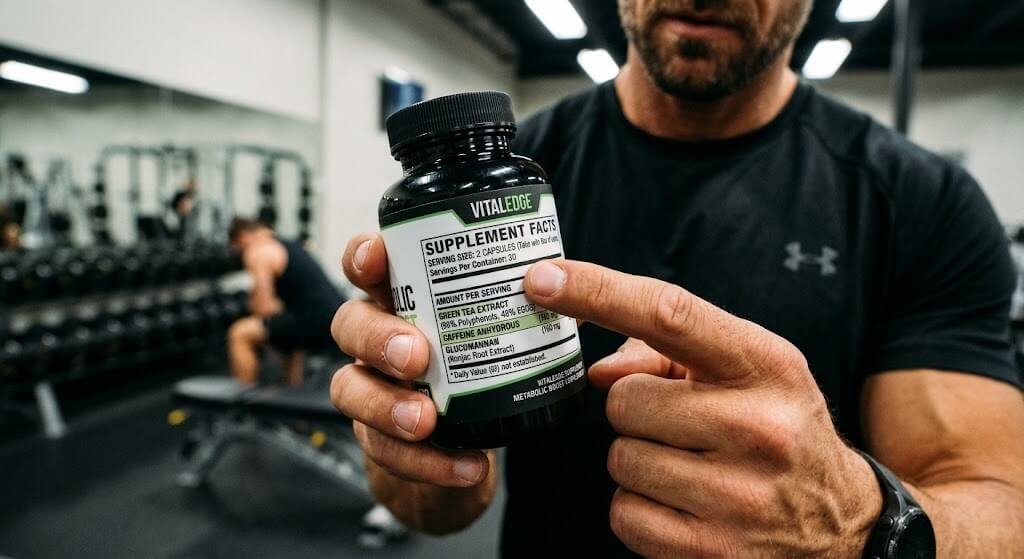
Always check the label for proprietary blends. If a company hides the exact dosages of its ingredients behind a “matrix” or “blend,” do not buy it. You need to know exactly what is the difference between appetite suppressants and fat burners in the product you are holding to ensure it is safe and effective.
Frequently Asked Questions
1. Do fat burners suppress appetite?
Most traditional fat burners do not suppress appetite. In fact, stimulants like caffeine can sometimes increase feelings of hunger or cause stomach discomfort. However, some hybrid supplements include a small amount of fiber or green tea extract, which may offer mild appetite control alongside a metabolic boost.
2. Can you take appetite suppressants and fat burners together?
Yes, but proceed with caution. Taking them together on an empty stomach can cause nausea, jitters, and digestive distress. It is safer to take the appetite suppressant with meals and the fat burner before your workout, ensuring you stay well-hydrated throughout the day.
3. Which is better for weight loss: appetite suppressants or fat burners?
For most beginners, appetite suppressants are more effective. Weight loss is primarily driven by a caloric deficit. If a supplement helps you consistently eat fewer calories without feeling miserable, it will yield better results than a fat burner that only burns an extra 50 to 100 calories a day.
4. What are the side effects of fat burners?
Because most fat burners contain stimulants, common side effects include jitters, anxiety, elevated heart rate, increased blood pressure, and insomnia. Always start with a half-dose to assess your tolerance and avoid taking them late in the day.
5. Are natural appetite suppressants effective?
Yes, certain natural ingredients are highly effective. Soluble fibers like glucomannan and high-protein foods are scientifically proven to increase satiety and reduce overall calorie intake. They are generally safer and have fewer side effects than synthetic alternatives.
6. Do fat burners actually burn fat?
Fat burners can mildly increase the rate of lipolysis (fat breakdown) and thermogenesis (calorie burning). However, they cannot burn fat on their own. They only work if you are already in a caloric deficit through proper diet and exercise.
Conclusion
Understanding what is the difference between appetite suppressants and fat burners is crucial for making smart, safe choices in your weight loss journey. Appetite suppressants are defensive tools that help you control calorie intake by managing hunger hormones and increasing stomach fullness. Fat burners are offensive tools that slightly increase your metabolic rate and energy expenditure through thermogenesis.
Neither supplement is a magic pill. The most successful clients I coach use supplements sparingly, only after they have mastered the fundamentals: a consistent caloric deficit, adequate protein intake, regular strength training, and quality sleep. Choose the tool that matches your specific hurdle, read the labels carefully, and always prioritize your long-term health over rapid, unsustainable results.