If you are exploring natural ways to support your weight management goals, you have likely heard about capsaicin supplements for fat oxidation and appetite control. As a strength and conditioning coach, I frequently get asked if the “heat” from chili peppers can genuinely translate into measurable fat loss. The short answer is yes, but with important caveats. This compound does interact with your body’s metabolic pathways, but it is a supporting tool, not a magic pill.
This guide breaks down the exact science behind red pepper extract, how to dose it safely, and how to pair it with your workouts for the best possible results. We will cut through the marketing hype and focus on what the peer-reviewed research actually says about metabolic health and hunger management.
Quick Answer
Yes, research suggests capsaicin supplements for fat oxidation and appetite control can provide a modest boost to your metabolism. By activating heat-sensitive receptors, capsaicin may slightly increase energy expenditure and promote feelings of fullness. However, it works best as a supporting tool alongside a balanced diet and regular exercise, not as a standalone miracle cure.
Detailed Explanation: What the Research Says
To understand how this works, we need to look at the biology of your metabolism. Capsaicin is the active compound responsible for the spicy heat in chili peppers. When you consume it, it interacts with a specific protein in your body called the vanilloid receptor 1 (TRPV1). This receptor is highly sensitive to heat and plays a major role in how your body regulates temperature and energy.
Thermogenesis and Energy Expenditure
When capsaicin binds to TRPV1 receptors, it triggers a mild stress response in the sympathetic nervous system. This process is known as diet-induced thermogenesis. Essentially, your body has to work a little harder to process the compound, which slightly raises your resting metabolic rate. Research indicates that this process can lead to a measurable increase in daily energy expenditure, helping you burn more calories even at rest
pmc.ncbi.nlm.nih.gov
. If you want to dive deeper into this process, you can read more about what is thermogenesis and how it drives your daily calorie burn.
Fat Oxidation and Lipid Metabolism
Beyond just burning calories, capsaicin appears to shift what your body burns for fuel. Studies have shown that capsaicin treatment causes sustained fat oxidation during weight maintenance compared to a placebo
pubmed.ncbi.nlm.nih.gov
. This means your body becomes slightly more efficient at tapping into stored visceral fat and using it for energy, a process known as lipid oxidation. This effect is particularly valuable for individuals trying to improve their body composition while maintaining muscle mass.
Appetite Regulation and Satiety Hormones
One of the biggest hurdles in weight management is managing hunger cues. Capsaicin influences the gut-brain axis by modulating specific appetite-regulating hormones. Research shows that capsaicinoids ingestion prior to a meal can reduce caloric intake by influencing hormones like ghrelin (which stimulates hunger) and peptide YY (which signals fullness)
By helping you feel satisfied with less food, it creates a natural caloric deficit without the intense cravings that often derail diet plans.
However, it is crucial to maintain realistic expectations. A comprehensive review noted that while capsaicin effects on appetite are measurable, they are modest, and their long-term influence on body weight is questionable without broader lifestyle changes
Capsaicin vs. Capsinoids: Understanding the Difference
Not everyone can tolerate the intense burn of traditional capsaicin. For those with sensitive stomachs, the gastrointestinal distress can outweigh the metabolic benefits. This is where capsinoids come into play.
Capsinoids (such as capsiate and dihydrocapsiate) are non-pungent analogs of capsaicin. They are naturally found in certain sweet pepper varieties, like the CH-19 Sweet pepper. They share a similar chemical structure but do not activate the pain receptors in your mouth and stomach to the same degree.
| Feature | Traditional Capsaicin | Capsinoids (e.g., Capsiate) |
| Source | Hot chili peppers (e.g., cayenne, jalapeño) | Sweet peppers (e.g., CH-19 Sweet) |
| Pungency (Heat) | High (causes burning sensation) | Non-pungent (no burning sensation) |
| Fat Oxidation Effect | Moderate to High (dose-dependent) | Moderate (similar to capsaicin)pmc.ncbi.nlm.nih.gov |
| GI Tolerance | Low for sensitive individuals | High (much gentler on the stomach) |
| Best For | Those with robust digestive systems | Beginners or those with sensitive stomachs |
Research confirms that capsinoids offer similar beneficial effects on energy expenditure and substrate oxidation to those of traditional capsaicin, making them a highly viable alternative for daily supplementation
If you are trying to evaluate ingredients in weight management supplements, checking whether a product uses capsaicin or the gentler capsinoids is a critical first step.
How to Apply It: Practical Steps for Weight Management
Knowing the science is only half the battle. As a coach, I care about how you apply this information to your daily routine. Here is a practical, step-by-step guide to using these supplements effectively.
1. Determine Your Dosage
Clinical studies typically use doses ranging from 2 mg to 6 mg of pure capsaicinoids per day, or up to 135 mg of standardized red pepper extract
- Beginner Dose: Start with 1 mg to 2 mg of capsaicinoids (or 30–50 mg of red pepper extract) to assess tolerance.
- Target Dose: Gradually work up to 4 mg to 6 mg of capsaicinoids daily, split into two doses if necessary.
2. Optimize Your Timing
Timing matters for appetite control. Take your supplement 30 to 45 minutes before your largest meal of the day. This allows the compound to begin interacting with your TRPV1 receptors and gut hormones right as you start eating, maximizing the satiety effect and the thermic effect of food.
3. Pair with Movement for Amplified Results
Supplements work best when they support an active lifestyle. You can pair your supplementation with targeted exercise to create a highly favorable fat-burning environment.
Sample Weekly Integration:
- Monday (Strength): Take your supplement 30 minutes before a lower-body session. Perform 3 sets of 10 goblet squats using a 25 lb (11.3 kg) dumbbell, resting 60 seconds between sets. The added thermogenic effect may slightly enhance lipid oxidation during the workout.
- Wednesday (Cardio): Take your supplement 30 minutes before a 1.5-mile (2.4 km) brisk walk. Maintain a pace where you can still hold a conversation.
- Friday (Full Body): Take your supplement before a circuit of 15 lb (6.8 kg) dumbbell rows and overhead presses (3 sets of 12 reps, 45 seconds rest).

4. Progression and Regression Strategies
Just like lifting weights, you should adjust your supplement strategy based on your current tolerance and goals.
- Regression (Easier): If you are new to thermogenic compounds, do not start with a pill. Begin by adding 1/4 teaspoon of culinary cayenne pepper to your soups or scrambled eggs. This allows you to gauge your gastrointestinal response to the heat in a whole-food format.
- Progression (Harder): Once your stomach adapts and you want a more precise, non-pungent dose, transition to a high-bioavailability capsinoid extract (e.g., 9 mg daily) taken consistently before your two largest meals.
Common Mistakes and Coach’s Tips
Even with the best intentions, people often misuse these supplements, leading to discomfort or wasted money. Avoid these pitfalls.
Many people take thermogenic supplements first thing in the morning with only black coffee. For capsaicin, this is a recipe for severe heartburn, nausea, and stomach cramps. The acidic and irritating nature of the compound needs a buffer. Always take it shortly before or with a meal.
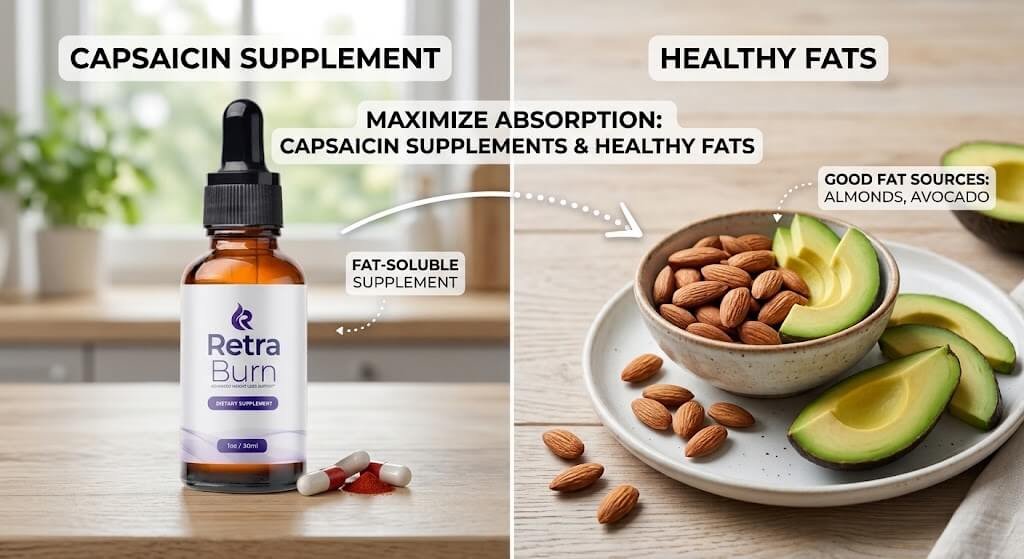
💡 Coach’s Tip: Pair with Dietary Fat for Better Absorption
Capsaicin is a fat-soluble compound. This means it dissolves in fat, not water. To maximize bioavailability and further protect your stomach lining, take your supplement alongside a meal that contains healthy fats. A handful of almonds (about 1 oz or 28 grams), half an avocado, or a tablespoon of olive oil is perfect. This simple tweak improves absorption and significantly reduces the chance of gastrointestinal upset.
Safety Notes and Who Should Be Careful
While generally recognized as safe by food safety authorities, capsaicin supplements are not for everyone. Because they actively stimulate the digestive tract and nervous system, certain individuals should exercise extreme caution or avoid them entirely.
- Gastrointestinal Conditions: If you have irritable bowel syndrome (IBS), gastroesophageal reflux disease (GERD), or a history of stomach ulcers, capsaicin can exacerbate your symptoms and cause significant pain.
- Medication Interactions: Capsaicin may interact with certain medications, particularly blood thinners (like warfarin) and ACE inhibitors used for high blood pressure. It can also theoretically increase the absorption of other drugs, altering their effectiveness.
- Pregnancy and Nursing: There is insufficient clinical data on the safety of high-dose capsaicin supplementation during pregnancy or breastfeeding. It is best to stick to normal culinary amounts of spicy food and avoid concentrated extracts.
Always remember that while these compounds can increase metabolism naturally, they are not a substitute for medical treatment. If you experience persistent stomach pain, dizziness, or unusual heart palpitations, discontinue use immediately and consult a healthcare provider.

Related Tips: Maximizing Your Results
A supplement is only one piece of the puzzle. To truly optimize fat oxidation and appetite control, you must build a supportive environment in your body. Here are three evidence-based strategies to pair with your capsaicin routine.
1. Prioritize Protein Intake
Capsaicin helps manage hunger, but protein is the undisputed king of satiety. Consuming adequate protein triggers the release of fullness hormones and has the highest thermic effect of any macronutrient. Learning how protein helps control hunger during weight loss will multiply the appetite-suppressing effects of your supplement. Aim for 20–30 grams of high-quality protein at every meal.
2. Leverage Soluble Fiber
Fiber physically expands in your stomach, slowing gastric emptying and keeping you full. Research shows that dietary fiber for appetite and weight management is highly effective. Combining a capsaicin supplement with a high-fiber meal (like oatmeal with chia seeds or a large leafy green salad) creates a powerful, dual-action fullness signal to your brain.
3. Protect Your Sleep
No supplement can outwork poor sleep. Sleep deprivation disrupts the very same hunger hormones (ghrelin and leptin) that capsaicin is trying to help regulate. If you want to understand exactly how sleep affects metabolism and weight management, prioritize getting 7 to 9 hours of quality rest per night. A well-rested body responds far better to both dietary interventions and exercise.
4. Consider Stimulant-Free Alternatives
If you find that capsaicin is too harsh, or if you are sensitive to caffeine, you are not out of options. There are many effective supplements that support metabolism without stimulants, such as green tea extract (decaffeinated) or certain amino acids, which can provide a gentler metabolic nudge.
FAQ
Does capsaicin really burn fat?
Yes, but modestly. Research indicates that capsaicin can enhance lipid oxidation and increase energy expenditure by stimulating the sympathetic nervous system. However, it is not a magic fat melter; it works best as a minor boost alongside a caloric deficit and regular exercise.
How much capsaicin should I take for weight loss?
Clinical studies typically use doses ranging from 2 mg to 6 mg of pure capsaicinoids per day, or up to 135 mg of standardized red pepper extract. Always start at the lowest possible dose to assess your gastrointestinal tolerance before increasing.
Are capsaicin supplements safe for daily use?
For most healthy adults, yes, when taken at recommended dosages with food. However, long-term daily use can cause gastrointestinal irritation in some individuals. It is highly recommended to cycle the supplement (e.g., 5 days on, 2 days off) or consult a doctor for prolonged use.
What is the best time to take capsaicin for appetite control?
The optimal time is 30 to 45 minutes before your largest meal of the day. This timing allows the compound to begin interacting with your gut hormones and TRPV1 receptors right as you start eating, maximizing satiety and the thermic effect of food.
Can capsaicin supplements cause stomach upset?
Yes, this is the most common side effect. Traditional capsaicin can cause heartburn, nausea, or abdominal cramping, especially on an empty stomach. Choosing a non-pungent capsinoid alternative or taking the supplement with a fat-containing meal can significantly reduce this risk.
Do capsinoids work as well as capsaicin for fat loss?
Research suggests that capsinoids offer similar beneficial effects on energy expenditure and substrate oxidation as traditional capsaicin. The main advantage is that capsinoids are non-pungent, making them much gentler on the stomach while still supporting metabolic health.
Conclusion
When evaluating natural tools for weight management, it is important to separate marketing hype from physiological reality. The evidence shows that capsaicin supplements for fat oxidation and appetite control can indeed offer a legitimate, science-backed advantage. By activating TRPV1 receptors, they promote a slight increase in thermogenesis, encourage the body to utilize stored fat, and help modulate hunger hormones.
However, as a coach, I must emphasize that this is a marginal gain. A supplement will never outwork a poor diet, chronic sleep deprivation, or a sedentary lifestyle. Use capsaicin or capsinoids as a strategic tool to take the edge off your hunger and slightly elevate your daily calorie burn. Pair it with adequate protein, soluble fiber, and consistent movement, and you will create a powerful, sustainable environment for achieving your body composition goals.