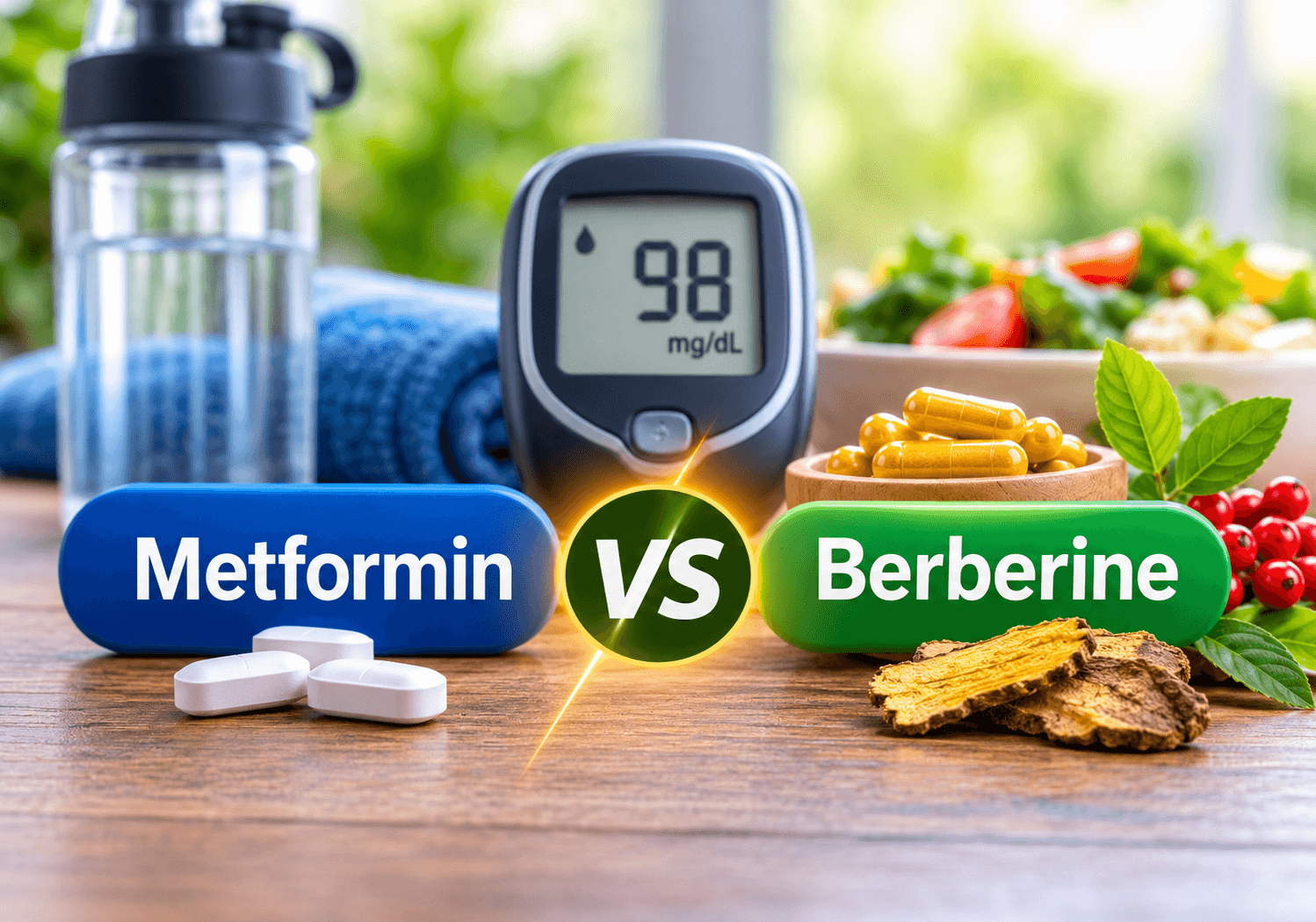
When client glucose logs show persistent morning spikes or sluggish post-meal recoveries, two primary tools dominate modern discussions on metabolic health: metformin and berberine. One is a decades-old prescription powerhouse, while the other is a botanical alkaloid often dubbed “nature’s metformin.” Both compounds target similar biological machinery to support healthy blood glucose regulation, yet they differ significantly in regulatory approval, side-effect profiles, and practical application. Understanding how berberine vs metformin for blood sugar control stacks up is essential whether you are exploring natural health options or evaluating prescription strategies with your healthcare team.
Understanding Metabolic Health and Blood Glucose Regulation
Blood sugar control is the cornerstone of long-term health, physical performance, and body composition. When you consume carbohydrates, your digestive system breaks them down into glucose, which enters your bloodstream. In response, your pancreas secretes insulin, a hormone that acts as a key to unlock cell membranes, allowing glucose to enter skeletal muscle and liver cells for storage or energy production.
When cells become resistant to insulin, glucose remains elevated in the bloodstream, leading to chronical hyperglycemia. Over time, high blood glucose damages microvascular networks, impairs athletic recovery, and increases the risk of chronic cardiometabolic conditions. To reverse or manage this state, targeted interventions aim to enhance tissue sensitivity to insulin and suppress excess glucose production by the liver. Maintaining stable blood glucose is closely tied to overall energy balance, and strategies to support metabolism naturally for weight management frequently center on improving cellular energy pathways.
What Is Metformin?
Metformin (commonly sold under brand names like Glucophage) is a biguanide medication that serves as the first-line pharmacotherapy for type 2 diabetes worldwide. Discovered in the early 20th century and derived from the French lilac (Galega officinalis), metformin earned FDA approval in the United States in 1995.
Metformin works primarily by decreasing liver glucose production (gluconeogenesis) and improving muscle tissue sensitivity to circulating insulin. Beyond its blood sugar benefits, metformin is widely studied for its cardiovascular protective qualities and potential longevity benefits. Because it is a regulated prescription drug, its manufacturing, potency, and purity are strictly controlled by pharmaceutical standards.
What Is Berberine?
Berberine is a natural isoquinoline alkaloid extracted from several traditional medicinal plants, including Berberis aristata (tree turmeric), Berberis vulgaris (barberry), and Hydrastis canadensis (goldenseal). It has been used for centuries in Traditional Chinese Medicine (TCM) and Ayurvedic practice to treat digestive issues and infections.
Modern nutritional science has focused on berberine due to its striking metabolic effects. Researchers have observed that berberine triggers intracellular cascades similar to prescription glucose-lowering agents. Those looking into botanical options often ask if berberine can support metabolic health as part of a comprehensive lifestyle plan, making it one of the most widely researched plant extracts for glycemic regulation.
Mechanisms of Action: How Berberine vs Metformin Works in the Body
While both agents help improve glycemic markers, their precise cellular pathways share some overlaps alongside key distinct biological targets.
AMPK Activation: The Master Metabolic Switch
Both compounds activate AMP-activated protein kinase (AMPK), often referred to as the body’s cellular “energy sensor.” When AMPK is switched on, it promotes fuel-burning pathways (like fatty acid oxidation and glucose uptake) while inhibiting fuel-storing processes (like fat synthesis and glucose production).
- Metformin activates AMPK primarily by mildly inhibiting Complex I of the mitochondrial respiratory chain, causing a subtle shift in the cell’s energy ratio (increasing AMP relative to ATP).
- Berberine similarly disrupts mitochondrial ATP production to stimulate AMPK, but it also directly influences gene transcription factors involved in lipid and carbohydrate metabolism.
Hepatic Gluconeogenesis Suppression
The liver acts as a glucose reservoir, releasing sugar into the bloodstream during fasting periods or stress. In insulin-resistant states, the liver releases far too much glucose, causing high morning readings. Metformin excels at inhibiting key enzymes responsible for gluconeogenesis, ensuring the liver does not overproduce glucose overnight. Berberine also suppresses liver glucose output, though its liver-specific potency is heavily influenced by how much of the compound gets absorbed through the intestine.
Insulin Sensitivity and Glucose Transporters (GLUT4)
Both compounds increase the expression and translocation of GLUT4 transporters in muscle and fat cells. GLUT4 acts as a doorway that allows circulating blood sugar into muscle cells for immediate workout fuel or glycogen storage. By mobilizing GLUT4 to the cell membrane, both compounds clear glucose from the blood quickly—even when circulating insulin levels are low.
Gut Microbiota and Hormone Secretion
Recent research highlights the gut microbiome as a key mediator for both substances:
- Metformin alters the composition of gut flora, encouraging the growth of short-chain fatty acid (SCFA)-producing bacteria like Akkermansia muciniphila, which supports gut barrier integrity and metabolic signaling.
- Berberine exhibits antimicrobial properties that remodel the intestinal ecosystem. It slows down carbohydrate absorption in the gut and stimulates L-cells to release glucagon-like peptide-1 (GLP-1), a hormone that boosts satiety and insulin secretion. Given this gut-focused action, many researchers investigate whether berberine affects appetite and weight management alongside its direct glycemic effects.
Berberine vs Metformin: Head-to-Head Comparison
Comparing berberine vs metformin for blood sugar control reveals surprising similarities in clinical outcomes, alongside critical operational differences in safety and regulation.
| Feature / Metric | Metformin | Berberine |
| Primary Classification | FDA-Approved Prescription Drug | Dietary Supplement / Botanical Extract |
| Typical Daily Dose | 500 mg – 2,000 mg (extended or immediate release) | 1,000 mg – 1,500 mg (split into 2–3 doses) |
| Average HbA1c Reduction | ~1.0% to 1.5% | ~0.8% to 1.0% |
| Fasting Blood Glucose Lowering | 20 – 40 mg/dL | 15 – 35 mg/dL |
| Impact on Lipids (Triglycerides/LDL) | Mild improvement | Moderate to Significant reduction |
| Bioavailability | High (~50–60%) | Low (<5%) |
| Primary Side Effects | Diarrhea, nausea, gas, B12 deficiency | Constipation, cramping, stomach upset |
| Long-Term Safety Data | 60+ years of clinical use | Century-old traditional use; limited multi-year RCTs |
| Prescription Required? | Yes | No |
What the Science Says: Clinical Efficacy and Glycemic Control
Clinical trials comparing berberine vs metformin for blood sugar control show that berberine is a capable non-prescription alternative, though metformin remains the gold standard.
A seminal study published in the journal Metabolism compared the efficacy of berberine and metformin in patients with newly diagnosed type 2 diabetes. Researchers found that 500 mg of berberine taken three times daily exhibited identical efficacy to 500 mg of metformin taken three times daily in controlling blood glucose, significantly reducing HbA1c, fasting glucose, and postprandial glucose levels over a 3-month trial period (Yin et al., Metabolism, 2008).
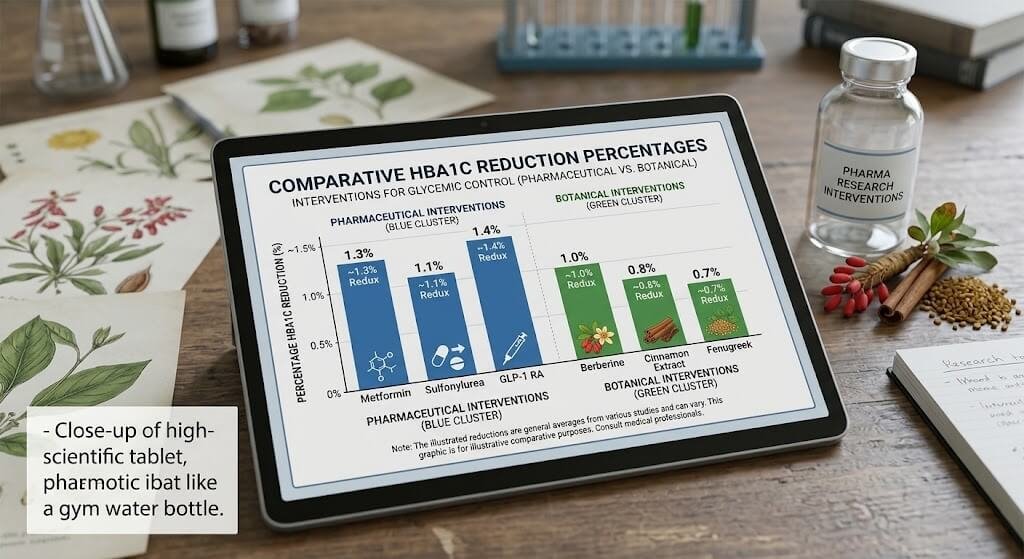
A comprehensive meta-analysis in the Journal of Ethnopharmacology evaluated randomized controlled trials comparing berberine to metformin and lifestyle changes. The authors concluded that berberine demonstrated comparable glycemic efficacy to metformin in reducing fasting blood glucose and glycated hemoglobin (HbA1c) (Dong et al., Journal of Ethnopharmacology, 2012).
However, clinical researchers emphasize crucial caveats:
- Sample Sizes: Metformin trials involve tens of thousands of participants tracked across decades (such as the landmark Diabetes Prevention Program trial). Berberine trials tend to involve smaller cohorts over shorter durations (typically 8 to 16 weeks).
- Lipid Advantage: Berberine often shows superior secondary effects on lipid panels, reducing serum triglycerides and total cholesterol more significantly than metformin in several head-to-head trials.
- Synergistic Effects: Some clinical research indicates that combining low-dose metformin with berberine may produce additive glycemic benefits, though this must only be done under strict medical supervision.
Side Effects, Safety, and Tolerability
No active compound, whether synthetic or plant-derived, comes without potential side effects.
Metformin Side Effects
The most frequent issue with metformin is gastrointestinal distress. Up to 30% of patients experience nausea, abdominal bloating, gas, and loose stools when starting treatment.
- Mitigation: Doctors usually prescribe an extended-release (ER) version or slowly titrate the dose upward over several weeks.
- Nutritional Note: Long-term metformin use can decrease intestinal absorption of Vitamin B12, occasionally leading to deficiency and related peripheral nerve symptoms. Periodic screening for B12 levels is recommended.
Berberine Side Effects
Because berberine has antimicrobial activity and poor intestinal absorption, it stays in the digestive tract longer.
- GI Upset: High single doses can cause gastrointestinal discomfort, abdominal pain, flatulence, and particularly constipation (unlike metformin, which more commonly causes loose stools).
- Liver Enzymes: While generally safe for liver tissue, exceptionally high doses may transiently elevate liver enzymes.
- Enzyme Inhibition: Berberine strongly inhibits cytochrome P450 enzymes (specifically CYP3A4, CYP2D6, and CYP2C9). This means berberine can interfere with how your liver processes hundreds of prescription drugs—including blood thinners, blood pressure medications, and immunosuppressants—leading to dangerously high levels of those drugs in your bloodstream.
Coach’s Tip: Never swap a prescribed medication for a supplement on your own. If you and your doctor decide to try berberine, start with a single 500 mg capsule daily with food for the first week to assess your digestive tolerance before stepping up to a split daily dose.
Practical Dosage, Timing, and Bioavailability
Achieving optimal results with either substance requires precise dosing strategies tailored to meal timing.
How to Take Metformin
Metformin is typically prescribed at an initial dose of 500 mg once daily with the evening meal, gradually increasing to a maintenance dose between 1,500 mg and 2,000 mg per day. Taking metformin with meals substantially reduces initial stomach upset. Extended-release formulations allow once-daily dosing with dinner, ensuring smooth 24-hour plasma concentrations.
How to Take Berberine
Standard clinical protocols for berberine use 1,000 mg to 1,500 mg per day, split into two or three 500 mg doses.
- Timing: Take berberine roughly 15 to 30 minutes before a main meal containing carbohydrates. This allows the compound to be present in the digestive tract as glucose absorption begins.
- Bioavailability Challenge: Standard berberine HCL has notoriously poor oral absorption (<5%). Taking it alongside healthy dietary fats or combining it with absorption enhancers like silymarin (milk thistle) or sodium caprate can improve systemic availability.
Exercise, Nutrition, and Metabolic Synergies
Neither metformin nor berberine can replace fundamental lifestyle habits. Active muscle tissue is the primary sink for circulating blood glucose, absorbing sugar via non-insulin-dependent mechanisms during physical exertion.

Muscle Building and Physical Training
Some fitness enthusiasts worry about potential interactions between these metabolic regulators and exercise adaptations:
- Metformin and Hypertrophy: Certain studies suggest that high-dose metformin may slightly blunt blunted adaptations to acute aerobic resistance training by altering mitochondrial signaling in skeletal muscle. However, for most individuals managing glucose disorders, the overall health benefits far outweigh potential minor impacts on elite muscle growth.
- Berberine and Training: Current data does not show significant negative impacts on muscle hypertrophy or strength gains from berberine. Its ability to activate AMPK makes it a complementary tool alongside progressive resistance training and cardiovascular work.
Nutrition and Lifestyle Integration
To get the best results for your blood sugar, pair these metabolic strategies with foundation habits:
- Fiber Intake: High dietary fiber slows glucose absorption. Soluble fibers work exceptionally well alongside glucose management strategies, which is why active individuals often explore how dietary fiber helps with appetite and weight management.
- Protein Priorities: Adequate dietary protein stabilizes post-meal blood sugar levels by prompting insulin release without raising glucose levels. Combining proper protein intake with AMPK-activating tools supports lean tissue retention while encouraging fat loss.
- Sleep and Stress: Chronic sleep deprivation raises cortisol levels, driving liver gluconeogenesis and causing insulin resistance regardless of what supplements or medications you take. Understanding how sleep affects metabolism and weight management is vital for maximizing glycemic gains.
If your goals include body composition changes, you can read more about how berberine supports weight loss and metabolism alongside structured physical training.
Which One Is Right for You? Decision Matrix
Selecting between metformin and berberine depends on your medical history, diagnosis, and current prescription regimens.
Choose Metformin If:
- You have a formal diagnosis of type 2 diabetes or significant insulin resistance requiring regulated medical therapy.
- You want a medication backed by multi-decade human clinical trials confirming long-term cardiovascular safety.
- You prefer a low-cost, FDA-regulated prescription covered by standard health insurance.
- You are taking multiple medications that present high risk for botanical drug-drug interactions.
Consider Berberine If:
- You have mild elevations in fasting blood sugar or are looking to support general metabolic wellness without a prescription.
- You cannot tolerate metformin due to persistent loose stools or GI distress.
- You are looking for a dual-action supplement that lowers lipids (triglycerides and LDL) alongside modest glucose-lowering effects.
- You are working with a qualified provider who can evaluate potential interactions with your current supplement stack.
Sample Weekly Metabolic Support Routine
To maximize glycemic control and sensitivity, integrate your chosen regimen into a weekly physical training schedule:
| Day | Training Focus | Glycemic Strategy |
| Monday | Full-Body Resistance Training | Pre-meal Berberine/Metformin + Post-workout carb management |
| Tuesday | Zone 2 Cardio (45 mins [7.2 km/h]) | Consistent meal timing; emphasis on fiber-rich complex carbs |
| Wednesday | Upper Body Hypertrophy | Pre-meal dose prior to highest-carbohydrate meal |
| Thursday | Active Recovery & Mobility | Focus on sleep hygiene and stress management |
| Friday | Lower Body Hypertrophy | Pre-meal dose; prioritize protein intake for recovery |
| Saturday | High-Intensity Interval Training (HIIT) | Monitor post-workout recovery; ensure hydration |
| Sunday | Rest & Meal Prep | Standard daily supplement/medication timing with meals |
Frequently Asked Questions
Can I take berberine and metformin together for blood sugar control?
Combining berberine and metformin can lead to an additive blood sugar-lowering effect, increasing the risk of hypoglycemia (excessively low blood sugar). While some clinical trials have investigated combination therapy under strict observation, you should never combine them without direct medical supervision and regular glucose monitoring.
Is berberine truly a natural alternative to metformin?
Berberine shares similar cellular mechanisms with metformin, particularly the activation of the AMPK enzyme, leading to comparable improvements in fasting glucose and HbA1c in short-term studies. However, metformin is a regulated pharmaceutical drug with extensive long-term safety data, whereas berberine is an over-the-counter supplement with variable product quality.
How long does it take for berberine vs metformin to show results?
Metformin typically begins improving blood glucose readings within one to two weeks, with full HbA1c changes reflecting over eight to twelve weeks. Berberine demonstrates measurable impacts on post-meal blood glucose within a few weeks, but optimal reductions in fasting glucose and blood lipids generally require consistent use for two to three months.
What are the main digestive differences between berberine and metformin?
Metformin frequently causes loose stools, diarrhea, gas, and nausea during early treatment. Berberine, due to its antimicrobial properties and direct effects on intestinal transit, is more prone to causing constipation, stomach cramps, and abdominal discomfort.
Does berberine cause Vitamin B12 deficiency like metformin?
Metformin is known to reduce Vitamin B12 absorption in the ileum over prolonged periods, often requiring supplementation. Berberine does not share this specific metabolic pathway for B12 malabsorption, though long-term studies on its interaction with micronutrient absorption remain more limited.
Can berberine be taken long-term for glycemic health?
Most human clinical studies on berberine evaluate safety and efficacy over durations ranging from 8 to 24 weeks. Because long-term continuous safety data over multiple years is limited, many practitioners recommend cycling berberine (e.g., 8 to 12 weeks on, followed by a 2- to 4-week break) while monitoring liver enzymes and blood markers.
Conclusion
When evaluating berberine vs metformin for blood sugar control, both compounds stand out as effective tools for improving insulin sensitivity and supporting healthy glucose metabolism. Metformin remains the gold standard in clinical medicine—offering regulated potency, decades of robust trial data, and reliable long-term safety for managing type 2 diabetes. Berberine presents an intriguing, research-backed botanical alternative that lowers blood sugar while improving lipid profiles.
Ultimately, neither supplement nor pharmaceutical can replace solid lifestyle fundamentals. Coupling these targeted interventions with regular resistance training, consistent sleep, high dietary fiber, and adequate protein creates the ultimate foundation for sustainable glycemic control and long-term metabolic health.