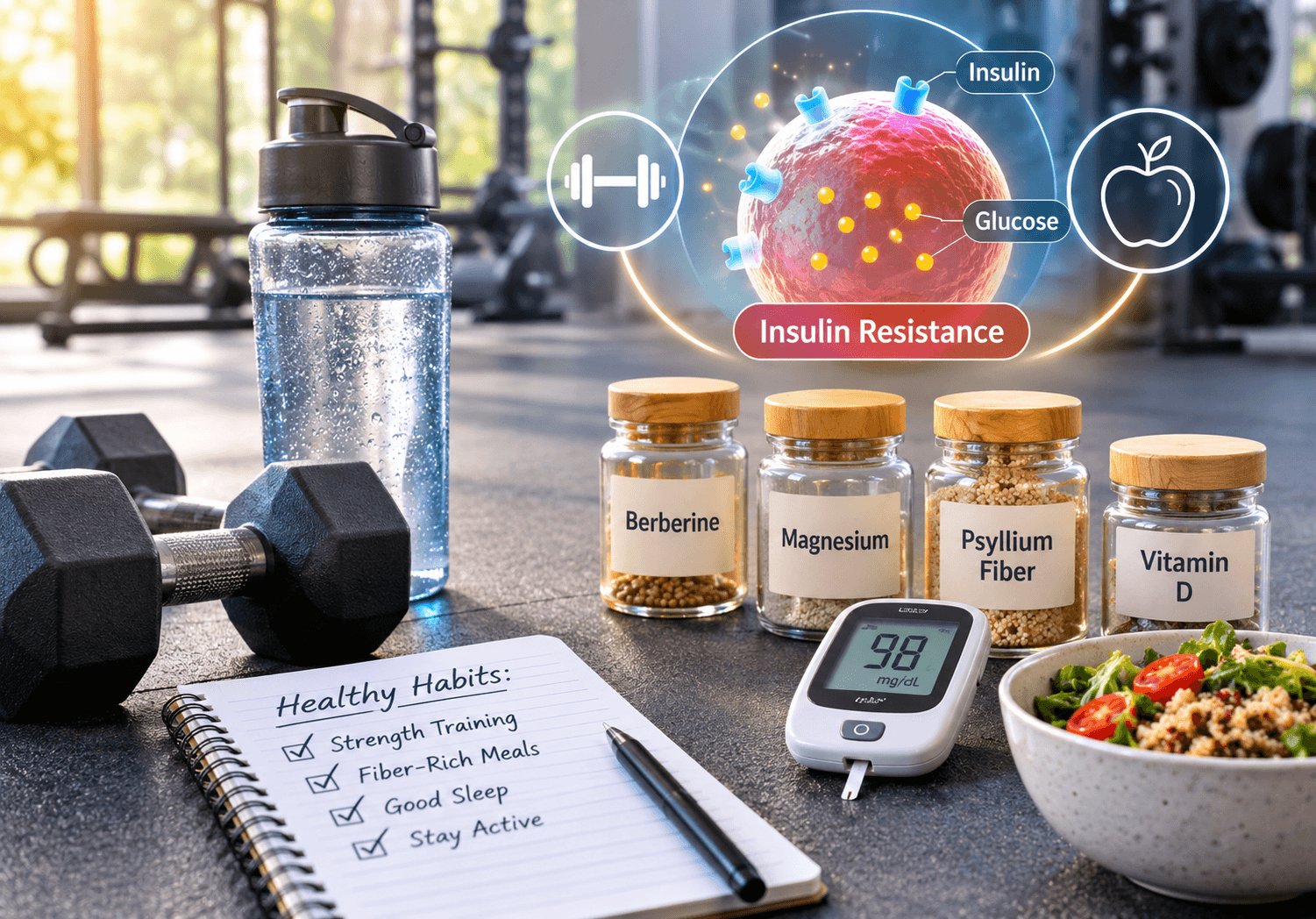
Insulin resistance means the body’s cells do not respond to insulin as well as they should. The pancreas then has to produce more insulin to help move glucose from the blood into muscle, liver, and fat cells. Over time, this pattern can raise the risk of prediabetes, type 2 diabetes, and cardiovascular disease.
So, which supplements have scientific evidence for insulin resistance? A few ingredients have promising research, but none replace medical care, nutrition habits, sleep, daily movement, or a well-planned resistance-training program. The strongest practical approach is to treat supplements as a possible add-on—not the foundation.
Quick Answer: The supplements with the most meaningful evidence for insulin resistance include berberine, myo-inositol in specific groups such as people with PCOS, magnesium when intake or blood levels are low, vitamin D for deficiency, and soluble fiber such as psyllium. Alpha-lipoic acid and omega-3s may help selected health markers, but effects on insulin sensitivity are less consistent.
If you take glucose-lowering medication, are pregnant, have kidney or liver disease, or have been diagnosed with diabetes, speak with your doctor or pharmacist before adding a supplement. Combining products with medication can push blood glucose too low or create drug interactions.
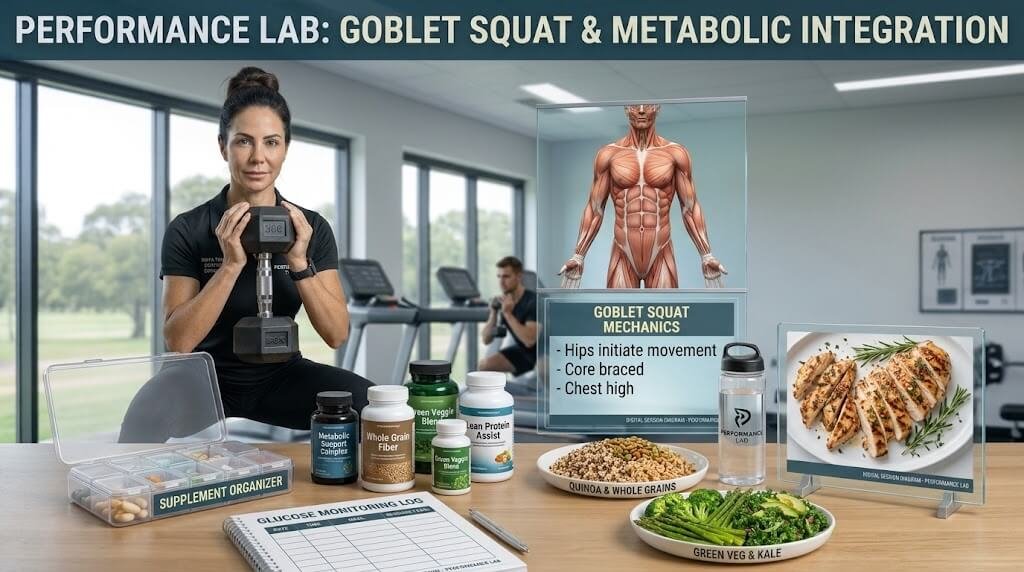
What Insulin Resistance Is—and Why Supplements Are Only One Piece
Insulin is a hormone that helps regulate blood sugar. After you eat carbohydrates, your body breaks much of that food down into glucose. Insulin helps guide that glucose into cells, especially working skeletal muscle, where it can be used or stored for later.
Insulin resistance can develop for several reasons. Excess body fat, particularly around the abdomen, low physical activity, poor sleep, family history, certain medicines, PCOS, and aging can all play a role. It is not a personal failure, and it does not have one simple fix.
The good news is that muscle is one of the body’s largest places for glucose disposal. Contracting muscle can take up glucose through pathways that do not rely entirely on insulin. That is one reason regular cardio and strength training matter so much for metabolic health.
The CDC physical activity guidelines recommend adults get at least 150 minutes of moderate-intensity aerobic activity weekly plus muscle-strengthening activity on at least two days per week. Supplements may support this larger plan, but they cannot reproduce the effect of consistently using your muscles.
How insulin resistance is measured
Clinicians may use several markers together rather than relying on one lab value:
- Fasting plasma glucose
- Hemoglobin A1c, which estimates average blood glucose over roughly the prior two to three months
- Oral glucose tolerance testing
- Fasting insulin, sometimes used with glucose to estimate HOMA-IR
- Triglycerides, HDL cholesterol, waist circumference, and blood pressure as part of broader metabolic-risk assessment
A supplement cannot diagnose or treat insulin resistance. Lab changes also need context. For example, fasting glucose could look normal while insulin levels remain elevated, or A1c may not fully reflect glucose patterns in some medical situations.
Which Supplements Have Scientific Evidence for Insulin Resistance? The Evidence at a Glance
The table below ranks options by practical evidence and safety context—not by marketing popularity.
| Supplement | What research suggests | Best fit | Main caution |
| Berberine | May improve fasting glucose, A1c, and insulin-resistance markers in some studies | Adults under clinician guidance, especially with elevated blood sugar | Can interact with medicines and cause GI effects |
| Myo-inositol | May improve insulin-related measures, particularly in PCOS | People with PCOS or specific clinician recommendations | Product formulas and study doses vary |
| Magnesium | May support insulin action when intake or status is low | People with low dietary intake or documented deficiency | Kidney disease raises safety concerns |
| Vitamin D | May offer modest benefits when deficiency exists | People with confirmed low vitamin D | High-dose self-treatment can be harmful |
| Psyllium / soluble fiber | Can blunt post-meal glucose response and support cardiometabolic health | People who need more dietary fiber | Must be taken with enough fluid and separated from some medicines |
| Alpha-lipoic acid | May help some glucose-related and nerve-symptom outcomes | Selected cases with medical oversight | May lower glucose and interact with treatment |
| Omega-3 fatty acids | Useful for high triglycerides; insulin effects are inconsistent | People with elevated triglycerides | Not a primary insulin-resistance supplement |
| Chromium | Evidence is mixed and benefits appear small or inconsistent | Only if clinician identifies a reason | Avoid high-dose, long-term self-use |
The question, “Which supplements have scientific evidence for insulin resistance?” deserves a careful answer: evidence ranges from moderate and condition-specific to weak and inconsistent. “Natural” does not automatically mean safe, necessary, or effective.
Berberine: Promising, but Not a Casual Add-On
Berberine is a plant-derived compound found in several botanical sources. It gets a lot of attention because clinical trials and meta-analyses suggest it may improve fasting blood glucose, A1c, triglycerides, and some insulin-resistance measures in people with metabolic conditions.
A systematic review and meta-analysis in Frontiers in Nutrition found that berberine supplementation was associated with improvements in several glycemic outcomes, though the authors also noted variation in study quality, populations, and protocols. That variability matters. It means berberine is not equivalent to a standard prescription medication with a consistent dose and manufacturing standard.
Who may consider berberine?
Berberine may be worth discussing with a clinician if you have prediabetes, type 2 diabetes, metabolic syndrome, or PCOS and are already working on food, sleep, and training habits. It should be part of a monitored plan with lab follow-up, not a substitute for prescribed treatment.
For a deeper look at claims and limitations, see our guide on whether berberine can support metabolic health.
Safety and coaching perspective
The most common complaint is gastrointestinal upset: nausea, constipation, diarrhea, or stomach cramps. Starting at a lower dose and taking it with food may improve tolerance, but dosage should come from a qualified clinician who knows your medications and history.
Berberine can interact with medication metabolism and may amplify the blood-sugar-lowering effects of diabetes drugs. Do not stack it with other glucose-lowering supplements because a label says “metabolic support.”
Coach’s Tip: If you change a supplement, do not change five other things at the same time. Keep your lifting plan, step count, and eating pattern steady for two to four weeks. That gives you and your clinician a better chance of spotting side effects or useful changes.
Myo-Inositol: Strongest Case for PCOS-Related Insulin Resistance
Myo-inositol is a carbohydrate-like compound involved in cellular signaling. It is especially relevant for people with polycystic ovary syndrome, a condition often linked with insulin resistance, irregular menstrual cycles, and fertility concerns.
A meta-analysis of randomized controlled trials reported that inositol supplementation may improve insulin-related measures in women with PCOS. However, outcomes varied between studies, and inositol should not replace evaluation for PCOS, diabetes risk, or menstrual concerns.
What makes it different?
Myo-inositol is not a universal “blood sugar supplement.” Its best evidence applies to a more defined group: people with PCOS, especially those with metabolic or reproductive concerns. Some products combine myo-inositol with D-chiro-inositol, but the ideal formulation depends on the individual and should be discussed with a clinician.
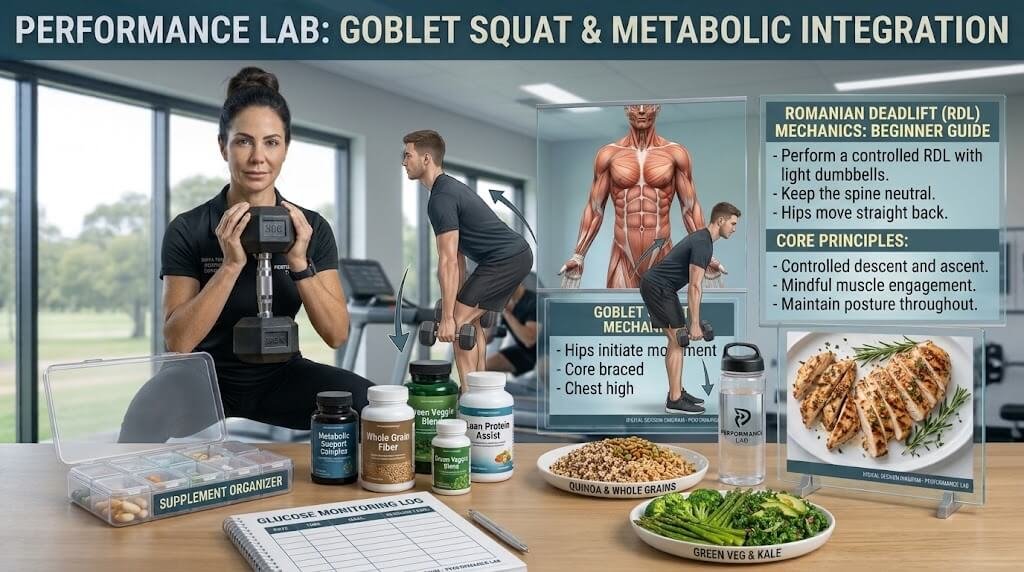
If insulin resistance is part of PCOS, strength training can complement clinical care. A practical starting point is two or three full-body sessions per week, using movements such as goblet squats, Romanian deadlifts, rows, presses, and loaded carries.
Magnesium: Most Useful When You Are Not Getting Enough
Magnesium is involved in hundreds of biological processes, including pathways tied to glucose metabolism and insulin signaling. Low intake is common, particularly when a diet lacks beans, leafy greens, nuts, seeds, whole grains, and other minimally processed foods.
A systematic review and meta-analysis in Diabetes & Metabolism found that magnesium supplementation may improve measures of glucose control and insulin resistance, with benefits more likely among people with low magnesium status or elevated diabetes risk. That does not mean everyone needs a magnesium pill.
Food first, then assess the gap
Before buying a supplement, look at your usual intake. Magnesium-rich foods include:
- Pumpkin seeds, almonds, cashews, peanuts, and chia seeds
- Black beans, edamame, lentils, and chickpeas
- Spinach and other dark leafy greens
- Whole grains
- Yogurt and fortified foods, depending on the product
If a clinician recommends a supplement, magnesium glycinate and citrate are often used, but the best form depends on tolerance and the reason for taking it. Magnesium citrate can loosen stools, which may be helpful for constipation but inconvenient if you are trying to train hard or travel.
People with impaired kidney function should not self-prescribe magnesium. The kidneys clear excess magnesium, so reduced kidney function changes the safety equation.
Vitamin D: Correct Deficiency Rather Than Chasing a Shortcut
Vitamin D deficiency is associated with poorer metabolic health in observational research, but association is not proof that taking more vitamin D will fix insulin resistance. Randomized trials show mixed results, and the clearest reason to supplement is a confirmed deficiency or a clinician’s recommendation.
A systematic review and meta-analysis in Clinical Nutrition found that vitamin D supplementation may produce modest improvements in insulin resistance in some populations, particularly those with low baseline vitamin D. Results were not uniform across all studies.
Practical takeaway
Ask your clinician whether testing makes sense instead of using high-dose vitamin D on your own. Vitamin D is fat-soluble, which means it can build up in the body. More is not automatically better.
If you need it, treat vitamin D as deficiency correction—not as a replacement for sleep, dietary fiber, daily walking, or progressive resistance training.
Psyllium and Soluble Fiber: A Practical First Choice
Psyllium husk is a soluble, viscous fiber. When mixed with water, it forms a gel-like consistency in the digestive tract. That can slow carbohydrate absorption, support fullness, and help improve cholesterol-related markers.
A meta-analysis in the American Journal of Clinical Nutrition found that viscous fiber supplementation improved several cardiometabolic risk factors, including glycemic control measures in people with type 2 diabetes. Results depend on the dose, the person’s baseline diet, and whether the product is actually taken consistently.
How to use it safely
Start small. A sudden jump in fiber can cause gas, bloating, or cramping.
- Begin with a small serving mixed thoroughly into at least 8–12 fluid ounces (240–355 mL) of water.
- Drink it promptly before it thickens.
- Follow with another glass of water if your gut tolerates it.
- Increase gradually only if you feel well and your clinician agrees.
- Separate psyllium from oral medicines by the timing recommended by your pharmacist because fiber can affect absorption.
Psyllium is not a magic “glucose blocker.” It works best alongside meals built around protein, vegetables, beans, fruit, and minimally processed carbohydrates. You can also learn more about psyllium for hunger and weight management if fullness is one of your goals.
Alpha-Lipoic Acid: More Targeted Than Universal
Alpha-lipoic acid is an antioxidant involved in energy metabolism. It has been studied for glucose regulation and, in some settings, diabetic peripheral neuropathy symptoms. The latter is a medical issue that needs professional evaluation rather than a self-treatment experiment.
Research on alpha-lipoic acid and insulin sensitivity is mixed. A systematic review in Diabetes Care found evidence that intravenous alpha-lipoic acid improved insulin-stimulated glucose disposal in people with type 2 diabetes, but that does not automatically translate to the same effect from over-the-counter oral supplements.
Use added caution
Alpha-lipoic acid may lower blood glucose, especially alongside diabetes medication. It can also cause nausea, rash, or headache in some users. People with thyroid conditions, heavy alcohol use, or risks for thiamine deficiency should ask a clinician before using it.
If you have burning, numbness, weakness, or persistent tingling in your feet, get medical assessment. Do not assume it is “just insulin resistance” or try to manage it only with supplements.
Omega-3s, Chromium, and Probiotics: What the Evidence Really Says
Many products market fish oil, chromium, and probiotics as insulin sensitivity supplements. Their roles are more limited than the labels suggest.
Omega-3 fatty acids
Omega-3 supplements can be useful for triglyceride management under medical guidance. Yet their direct effect on insulin sensitivity is inconsistent. A Cochrane review of omega-3 fats found limited evidence of meaningful benefit for diabetes prevention or glucose control.
If your goal is insulin resistance, put omega-3s lower on the list than exercise, dietary fiber, sleep, and addressing vitamin D or magnesium deficiency. For some people, eating fatty fish twice weekly may be more practical than buying a supplement, but medical needs differ.
Chromium
Chromium is sometimes promoted for blood sugar and sugar cravings. Studies have produced mixed results, and any benefit is usually modest. The NIH Office of Dietary Supplements chromium fact sheet notes that evidence for glucose control remains uncertain and that chromium can interact with diabetes medications.
Avoid high-dose chromium products or long-term self-treatment. “More minerals” is not better coaching or better health care.
Probiotics
The gut microbiome is an exciting research area, but the probiotic market has run ahead of the evidence. Different strains, doses, products, and study designs make it hard to give a universal recommendation. Some research suggests small improvements in glucose-related markers, but the effect is not reliable enough to make probiotics a first-line insulin-resistance strategy.
The Supplements to Avoid or Treat With Extra Skepticism
The supplement aisle is full of “blood sugar support” blends that combine many ingredients at unclear doses. These products make it difficult to know what you are taking or how it interacts with medication.
Be cautious with:
- Proprietary blends that do not list individual ingredient doses
- “Insulin mimetic” or “glucose disposal agent” claims
- High-dose cinnamon products, especially cassia cinnamon, which can contain coumarin
- Bitter melon, gymnema, and multi-herb blends marketed as medication alternatives
- Stimulant-heavy fat burners marketed for “metabolic flexibility”
- Products that promise to “reverse diabetes” or replace a prescribed medication
A good rule: if the marketing sounds more confident than your doctor, dietitian, or pharmacist, slow down. Read how to evaluate weight-management ingredients before spending money on a complicated formula.
The Training Plan That Makes Supplements More Useful
Supplements may help at the margins, but muscle contractions are an immediate, repeatable tool for glucose management. The American College of Sports Medicine position stand supports regular aerobic and resistance exercise for people with type 2 diabetes and elevated metabolic risk.
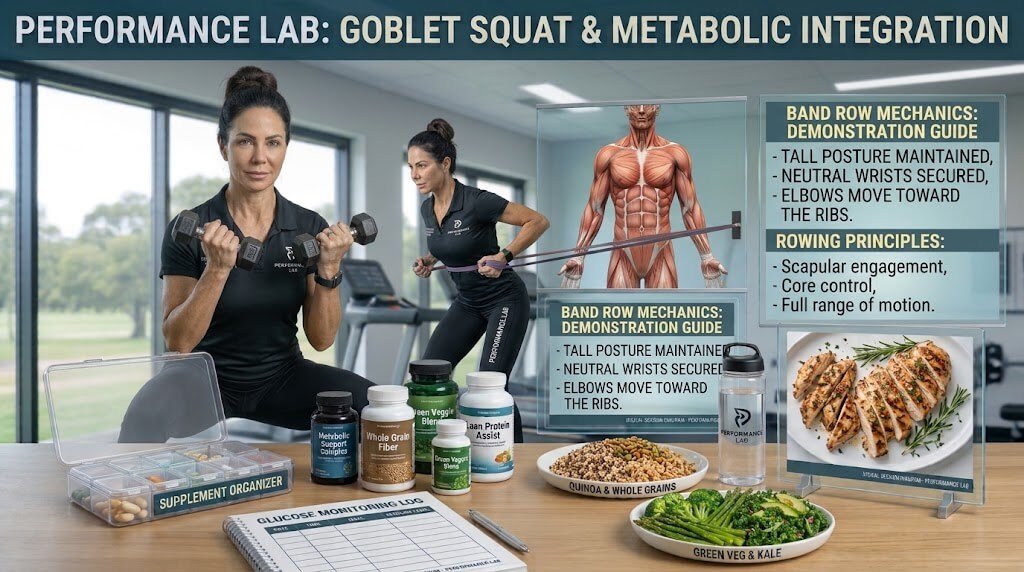
The program below is built for beginners who have clearance to exercise. It takes about 35 to 45 minutes, requires dumbbells or resistance bands, and can be done two or three nonconsecutive days per week.
Full-body insulin-sensitivity workout
| Exercise | Sets | Reps | Rest | Key cue |
| Goblet squat to a box | 3 | 8–10 | 60–90 seconds | Sit hips back, then drive through the whole foot |
| Dumbbell Romanian deadlift | 3 | 8–10 | 60–90 seconds | Keep weights close to legs and feel hamstrings load |
| Incline push-up or dumbbell floor press | 3 | 8–12 | 60 seconds | Keep ribs down and elbows about 30–45 degrees from torso |
| One-arm dumbbell or band row | 3 | 10–12 per side | 45–60 seconds | Pull elbow toward your back pocket |
| Farmer carry | 3 | 30–45 seconds | 45–60 seconds | Walk tall without leaning or gripping your shoulders upward |
| Brisk walk or stationary bike | 1 | 10–20 minutes | — | Work at a pace where you can talk in short sentences |
Choose a load that leaves about two or three good reps “in the tank.” For many beginners, that might mean starting goblet squats with a 10–25 lb (4.5–11 kg) dumbbell, but the right weight depends on your current ability, mobility, and training history.
Use a controlled tempo: lower for roughly 2–3 seconds, pause briefly in the stable position, then stand or press with intent. You should feel your legs working on squats, hamstrings and glutes on deadlifts, chest and triceps on pressing, and the mid-back on rows. Joint pain, sharp pain, dizziness, or chest discomfort are not normal training sensations.
Easier and harder versions
Regression: Use a bodyweight box squat, wall push-up, lighter band row, and short carries with one light dumbbell. A 10-minute walk after one meal is also a valuable starting habit.
Progression: Add 2.5–5 lb (1–2 kg) when you complete the top end of the rep range with clean form. You can also add one set, use a lower box for squats, carry heavier dumbbells, or build the final walk to 1 mile (1.6 km).
Common Mistake: Going all-out in one workout and then needing a week to recover. For insulin resistance, repeatable training wins. Leave the gym feeling like you could have done a little more, then return consistently.
For support with the nutrition side, a higher-protein meal pattern can help some people stay full; read about protein intake and appetite without assuming protein powder itself is a treatment for insulin resistance.
A Simple Daily Plan Beyond Supplements
If you are wondering which supplements have scientific evidence for insulin resistance, start by setting up the habits that make any supplement more meaningful.
Build meals around the basics
At most meals, include:
- A protein source such as eggs, Greek yogurt, tofu, fish, chicken, beans, or lentils
- High-fiber plants such as vegetables, fruit, beans, oats, or whole grains
- A carbohydrate portion that fits your needs and activity level
- A source of unsaturated fat such as olive oil, avocado, nuts, seeds, or fish
You do not need to eliminate carbohydrates. A better goal is to improve meal quality, portion awareness, and consistency. Soluble fiber can support fullness, but start with this evidence-based guide to dietary fiber and appetite rather than relying on powders alone.
Add movement after meals
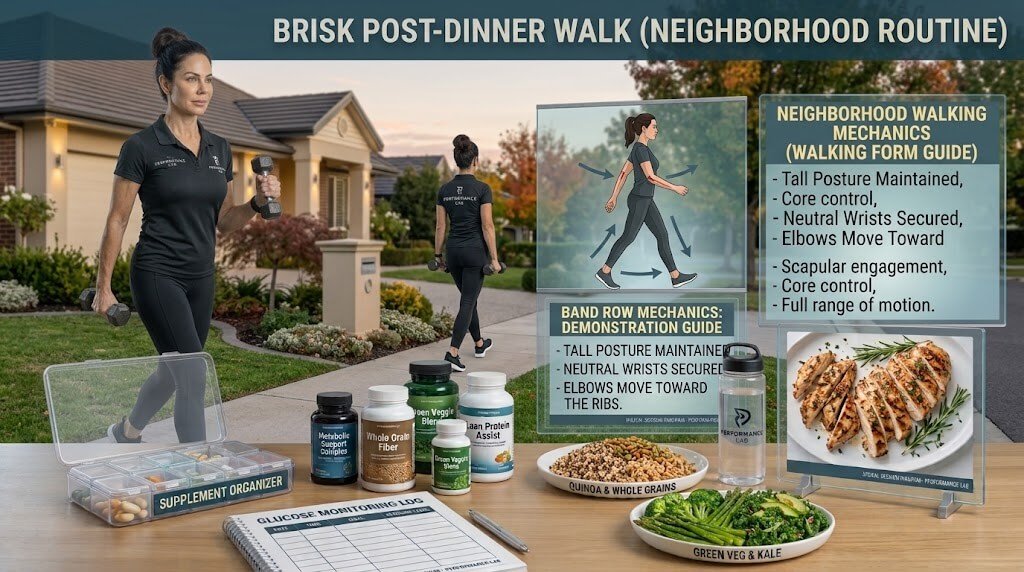
A short walk after eating is one of the lowest-cost habits you can build. Start with 5–10 minutes after your largest meal, then build toward 10–15 minutes when your schedule allows. If outdoor walking is not practical in Chicago weather, use a treadmill, walk indoor laps, climb a few flights of stairs if safe, or pedal a stationary bike at easy effort.
Protect sleep and stress recovery
Sleep loss can disrupt appetite, training recovery, and glucose regulation. You cannot always control stress, but you can build a steadier recovery routine: a consistent wake time, a screen-free wind-down, moderate caffeine use, and daily movement.
Our guide on sleep and metabolism explains why recovery belongs in a weight-management and metabolic-health plan.
How to Choose a Supplement Product Safely
Quality control is a major issue with dietary supplements. A label does not guarantee that a product is useful, accurately dosed, or right for you.
Use this checklist:
- Identify the goal. Are you correcting a confirmed deficiency, increasing fiber intake, managing triglycerides, or responding to a clinician’s specific recommendation?
- Choose one change at a time. Do not begin berberine, magnesium, psyllium, vitamin D, and a new fat burner in the same week.
- Look for third-party testing. Certifications such as NSF Certified for Sport or USP verification can add confidence, though they do not prove an ingredient works.
- Avoid unclear blends. You should be able to see the dose of each active ingredient.
- Check interactions. Ask a pharmacist, especially if you take diabetes medicine, blood-pressure medicine, anticoagulants, thyroid medication, or multiple prescriptions.
- Track practical outcomes. Record gastrointestinal symptoms, energy, training performance, sleep, and clinician-ordered lab results. Do not obsessively chase single glucose readings.
- Set a review date. Reassess with your health professional after a reasonable period instead of taking a product indefinitely.
For example, psyllium may be a reasonable first supplement trial for someone whose diet is low in fiber and who has no swallowing problems or contraindications. Berberine is a more medication-like decision that deserves stronger oversight.
FAQ
What supplements improve insulin resistance the most?
Berberine, myo-inositol for PCOS-related insulin resistance, magnesium for low intake or deficiency, vitamin D for deficiency, and psyllium have the most practical evidence. However, effects vary, and no supplement works as well as a consistent plan that includes movement, resistance training, balanced meals, sleep, and medical follow-up.
Does berberine help insulin resistance?
Research suggests berberine may improve fasting glucose, A1c, triglycerides, and some insulin-resistance markers in certain adults. But study quality and product consistency vary. It can also interact with diabetes drugs and other medications, so use it only after discussing it with a clinician or pharmacist.
Is magnesium good for insulin resistance?
Magnesium may help insulin-related measures, especially if dietary intake or magnesium status is low. It is not automatically useful for everyone. Food sources such as beans, nuts, seeds, leafy greens, and whole grains are a smart foundation, while people with kidney disease need medical guidance before supplementing.
Can vitamin D improve insulin sensitivity?
Vitamin D may modestly improve insulin resistance in some people with low vitamin D levels, but research results are mixed. Its strongest role is correcting a true deficiency. Ask a clinician whether testing is appropriate rather than taking high doses based only on insulin-resistance concerns.
Does myo-inositol help with insulin resistance?
Myo-inositol has its best support in people with PCOS, where it may improve insulin-related measures and some reproductive outcomes. Evidence is less clear for the general population. PCOS, irregular periods, fertility concerns, and elevated blood sugar all deserve individualized medical evaluation.
Can supplements lower A1c?
Some supplements may modestly improve A1c in selected people, but they should not replace prescribed medication or lifestyle treatment. A1c changes slowly and need clinical context. Follow-up lab work, medication review, nutrition support, aerobic activity, and resistance training are usually more important than adding another product.
Bottom Line: Which Supplements Have Scientific Evidence for Insulin Resistance?
Which supplements have scientific evidence for insulin resistance? The most reasonable options to discuss with a health professional are berberine, myo-inositol for PCOS, magnesium when status is low, vitamin D for deficiency, and soluble fiber such as psyllium. Alpha-lipoic acid may have a narrower, more medically supervised role, while omega-3s, chromium, and probiotics should not be treated as primary solutions.
Start with the habits that make the largest difference: regular walking, two or more weekly strength workouts, fiber-rich meals, adequate sleep, and medical monitoring. Then, if a supplement fits your health history and goals, introduce one product at a time and evaluate it carefully.