Meta Title: What Causes Nail Discoloration and Brittleness? (Coach Guide) Meta Description: Discover what causes nail discoloration and brittleness. Learn how nutritional deficits, training stress, and systemic health impact nail strength.
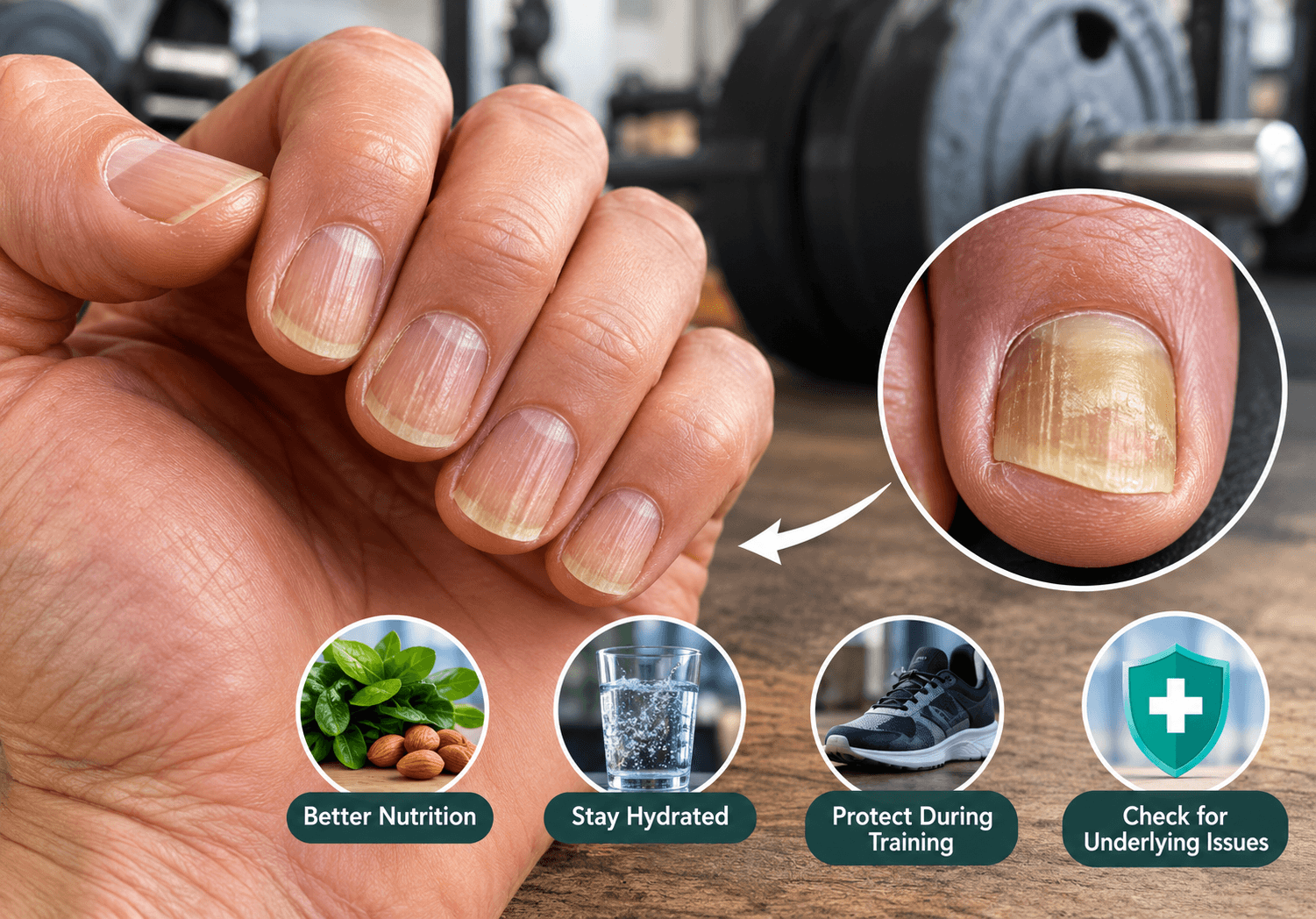
As a strength and conditioning coach, I focus heavily on how external tissues reflect internal metabolic health and recovery status. Athletes and active adults frequently ask me why their nails suddenly develop ridges, turn yellow, or snap during basic daily tasks. Understanding what causes nail discoloration and brittleness is vital because your nails are visible indicators of your overall physiological well-being, nutritional balance, and peripheral circulation.
Quick Answer Box
What causes nail discoloration and brittleness?
Nail discoloration and brittleness are primarily caused by fungal infections (onychomycosis), repeated exposure to moisture or harsh chemicals, physical trauma, aging, and nutritional deficiencies like low iron or biotin. Underlying metabolic or systemic conditions, such as hypothyroidism, psoriasis, or impaired microvascular circulation, can also disrupt healthy keratin production, causing nails to yellow, thicken, or split.
1. The Anatomy of Human Nails: Keratin and Matrix Biology
Your fingernails and toenails are made of dense layers of a tough fibrous protein called keratin, the same structural building block found in human hair and outer skin layers. Healthy nails appear smooth, uniform in color, translucent pink over the nail bed, and free from deep pits or grooves.
Nail Plate: The hard keratin shell you see and feel.
- Nail Matrix: The living tissue hidden beneath the cuticle where new nail cells are created.
- Nail Bed: The vascularized tissue directly underlying the plate, supplying nutrients and blood flow.
- Cuticle (Eponychium): The protective seal guarding the matrix against bacterial and fungal entry.
When cellular metabolism or peripheral blood flow drops, keratin production in the matrix slows down. This altered keratin structure leads directly to structural dystrophy, causing the nail plate to become thin, weak, yellow, brown, or easily prone to splitting.
2. Top Causes of Discolored and Brittle Nails
Identifying what causes nail discoloration and brittleness requires analyzing environmental habits, physical stressors, and internal biological factors.
1. Fungal Infections (Onychomycosis)
Fungal invasion of the nail bed, known clinically as onychomycosis, is the leading cause of yellow, thickened, and crumbly nails. Microscopic fungi thrive in warm, moist environments like damp gym sneakers, communal locker rooms, and sweaty training footwear. The fungus digests keratin, destroying the structural integrity of the nail plate, which causes distally lifted nail beds, friable edges, and cloudy yellow or brown discoloration.
2. Nutritional Deficiencies
Inadequate vitamin and mineral intake directly starves the nail matrix.
- Iron Deficiency Anemia: Prevents adequate oxygen delivery to the matrix, leading to severe brittleness and koilonychia (spoon-shaped, concave nails).
- Biotin (Vitamin B7): Critical for keratin structural assembly; low levels produce thin, easily layered nail edges.
- Zinc & Protein Intake: Deficiencies impair protein synthesis, showing up as white transverse lines (Mees’ lines) alongside brittle, fragile nails.
Understanding which vitamins support metabolism when you have a deficiency helps explain how trace nutrient deficits impact hard structural tissues like hair and nails.
3. Environmental Exposure & Chemical Stress
Frequent handwashing, prolonged water immersion, and harsh chemicals strip natural lipids from the nail plate. Athletes using dry gym chalk or liquid chalk repeatedly draw moisture out of the surrounding tissue, creating micro-cracks in the cuticle that invite bacterial and fungal pathogens.
4. Physical Trauma and Repetitive Stress
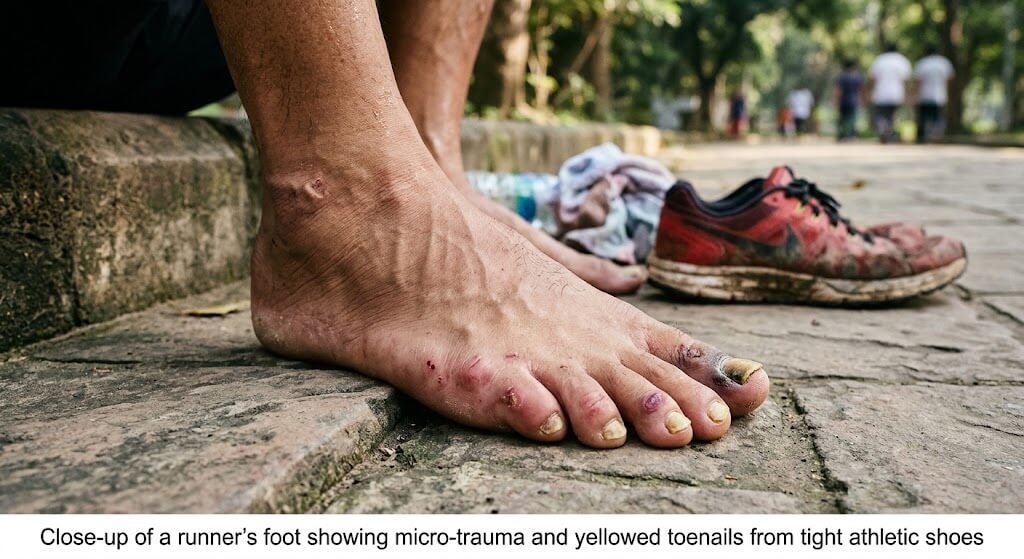
Dropping heavy weights, jamming toes during sprint workouts, or wearing tight athletic shoes causes acute or micro-repetitive trauma to the nail bed. Subungual hematomas (blood pools beneath the nail) initially present as dark purple or black patches, turning yellow or brown as the injury heals, causing the top layer to detach and flake off.
3. Systemic Health and Metabolic Links
Changes in nail health often signal systemic physiological imbalances. The micro-capillaries underneath your nails are sensitive indicators of peripheral vascular flow, oxygen transport, and hormone regulation.
| Systemic Condition | Key Nail Symptoms | Biological Mechanism |
| Hypothyroidism | Brittle, slow-growing, dry nails | Reduced thyroid hormone slows cell turnover in matrix tissue |
| Psoriasis | Pitting, yellow-brown “oil drop” spots | Autoimmune skin cell overproduction disrupting the nail bed |
| Peripheral Artery Disease | Thickened, yellow, slow-growing nails | Restricted arterial blood flow to distal limbs starves matrix |
| Diabetes Mellitus | Yellowing, fungal overgrowth, brittle edges | High blood glucose alters micro-capillaries and immunity |
| Iron Deficiency Anemia | Fragile, soft, spooned nails (koilonychia) | Low hemoglobin levels limit cellular oxygenation |
Thyroid issues, for example, directly lower basal metabolic rate. Readers exploring what affects metabolism and body weight will recognize that lowered cellular energy production slows matrix cell turnover, producing thin, brittle nails prone to splitting.
Coach’s Tip: The 5-Second Capillary Refill Test
Press firmly on your thumbnail until the bed turns white, then release. Red blood flow should return in under 2 seconds. If it takes longer than 3-4 seconds, your peripheral microvascular circulation or tissue oxygenation may be sluggish. This delay often correlates with cold hands, slow recovery, and brittle nail formation.
4. How Physical Training and Gym Habits Affect Nails
As a strength coach, I frequently see athletes suffer unnecessary nail damage due to simple gym habits. High-volume resistance training, outdoor running, and specialized sports place unique biomechanical stresses on fingernails and toenails.
Chalk and Liquid Drying Agents: Carbonate chalk strips essential oils from the nail plate. Over time, dehydrated nails lose elasticity and split along natural ridge lines when gripping heavy deadlifts or kettlebells.
- Compression Footwear: Running shoes with tight toe boxes force toes against the shoe front during downhill running or quick agility cuts. This continuous impact damages the distal nail matrix, causing yellowing and thickening.
- Humid Footwear Environments: Wearing damp socks after intense cardio sessions creates an ideal environment for dermatophytes (fungi) to infect both the surrounding skin and nail beds.
If you are training hard while managing your diet, knowing what helps control hunger during weight loss ensures you don’t inadvertently cut vital micronutrients—like zinc, selenium, or essential fatty acids—that support matrix health.

5. Medical Diagnosis vs. Harmless Changes
It is important to differentiate between temporary, harmless nail changes and conditions requiring medical evaluation.
When It Is Harmless
- Vertical Ridges: Longitudinal lines extending from cuticle to tip are a natural part of aging, much like wrinkles on the skin.
- Minor Superficial White Spots: Leukonychia usually results from minor trauma to the matrix (like striking your hand against a weight rack) and disappears as the nail grows out.
When to Seek Medical Attention
- Onycholysis: Spontaneous detachment of the nail plate from the bed.
- Subungual Melanoma Signs: A new dark brown or black longitudinal band running down the nail that widens or darkens over time.
- Severe Pain or Suppuration: Redness, swelling, or pus around the cuticle fold (paronychia).
6. Nutritional Strategies for Stronger Nails
Fixing brittle, yellow nails requires an internal approach focused on nutrient-dense foods that support protein synthesis and structural matrix health.Eating sufficient dietary protein is foundational. Just as reading about how protein intake affects hunger and fullness hormones highlights its metabolic benefits, getting enough amino acids like cysteine and methionine provides the essential raw building blocks your body needs to form strong keratin structures.
7. Practical Step-by-Step Nail Care & Prevention Routine
Follow this actionable 4-step routine to protect your nails from environmental stress and fungal infection:
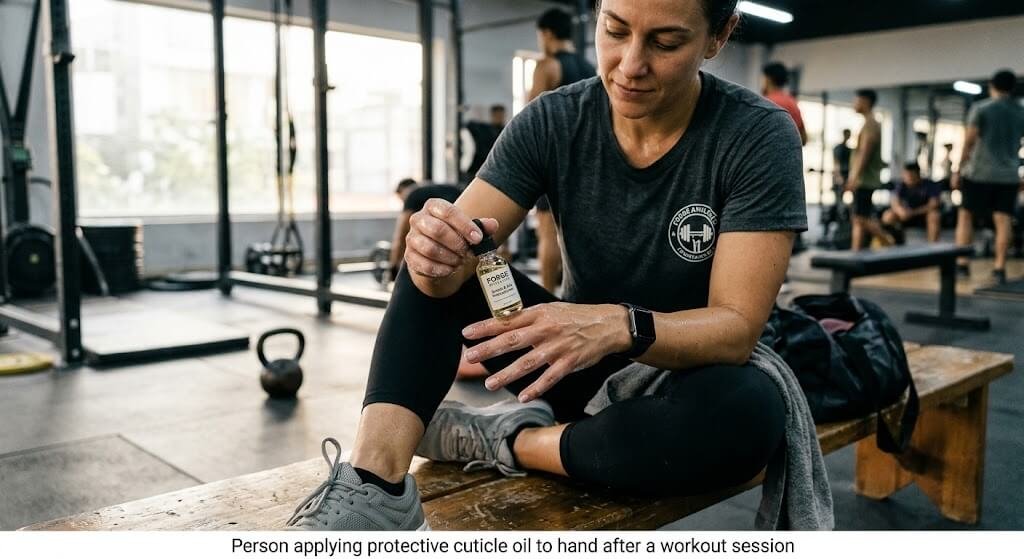
- Hydrate the Cuticles Daily: Apply a dedicated cuticle oil containing jojoba or vitamin E oil after showering to seal moisture into the matrix.
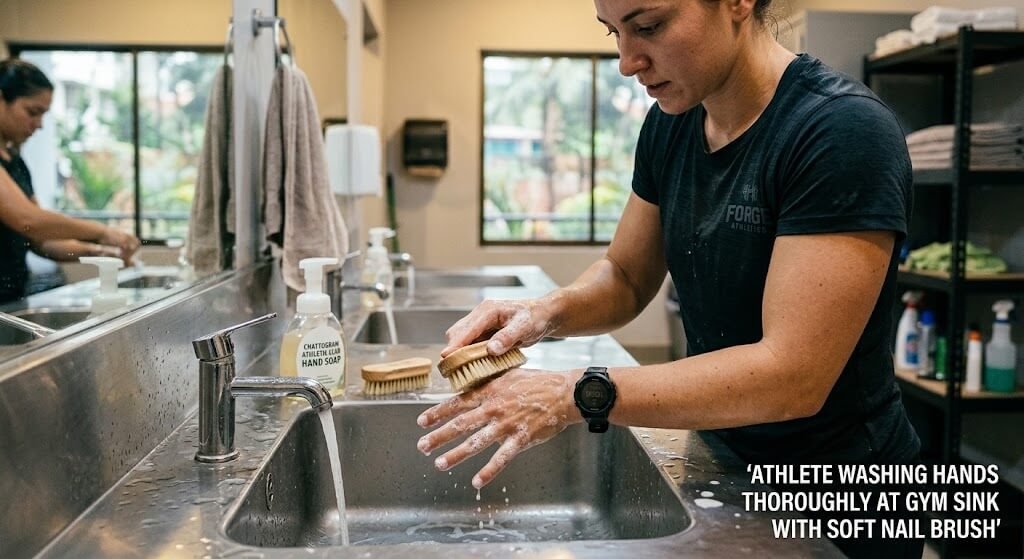
- Wash Chalk off Post-Workout: Immediately wash your hands with mild soap and warm water after lifting to remove drying chalk residues.
- Trim Toenails Straight Across: Prevent ingrown nails and matrix pressure by cutting toenails straight across using clean clippers, smoothing sharp edges with an emery board.
- Use Breathable Athletic Footwear: Select shoes with a wide toe box (allowing 0.5 inches [1.3 cm] of space in front of your longest toe) and wear moisture-wicking synthetic or wool socks.
Common Mistake: Picking or Cutting the Cuticle Back Too Far
Ripping off hangnails or cutting your cuticles back to the proximal fold breaks the protective seal guarding your matrix. This allows bacteria and fungi easy access beneath the skin, increasing the risk of chronic infections that cause discolored, brittle nails.
8. Lifestyle, Hydration, and Environmental Habits
In addition to targeted nutrition, everyday lifestyle habits heavily influence nail flexibility and color balance.
- Systemic Hydration: Dehydration makes the nail plate brittle and prone to snapping under minimal load.
- Wear Gloves During Chores: Domestic detergents and dish soaps contain harsh surfactants that break down lipid bonds in the keratin matrix.
- Limit Excessive Solvents: Frequent use of acetone-based nail polish removers strips moisture from the nail bed, turning nails yellow and weak over time.
Prioritizing overall lifestyle recovery works hand in hand with cellular health. For instance, understanding how sleep affects metabolism and weight management reveals how deep sleep cycles promote systemic tissue repair, growth hormone release, and microvascular recovery across all bodily tissues.
9. Sample Workout & Care Routine for Active Individuals
If you train frequently with barbells, chalk, or high-impact cardio, incorporate this physical and preventative routine to protect your hands and feet.The “Nail-Safe” Hand & Foot Maintenance Protocol
- Frequency: 3 times per week after training sessions.
- Step 1: Thoroughly scrub chalk out from under the distal edge using a soft nail brush.
- Step 2: Apply a drop of topical tea tree oil or clear antifungal coating if training barefoot (e.g., martial arts, yoga).
- Step 3: Massage a high-lipid moisturizer into the hands and feet, working from the wrist/ankle down to the tips of each digit.
Coupling structural tissue care with sensible weight management strategies, such as using dietary fiber for appetite and weight management, helps support overall health without sacrificing micro-nutrient absorption.
10. Frequently Asked Questions (FAQ)
Can lifting heavy weights directly cause yellow or brittle fingernails?
Lifting heavy weights does not directly cause internal discoloration, but environmental factors like gym chalk, rough knurling, and friction strip moisture from your nails. This dehydrates the keratin structure, making nails brittle and prone to micro-cracks where surface stains and fungal infections can easily take root.
What vitamin deficiency turns nails yellow and brittle?
Severe deficiencies in biotin (vitamin B7), iron, zinc, and vitamin C can cause brittle, yellowing, or mis-shapen nails. Low iron reduces oxygen delivery to the matrix, while lack of biotin impairs keratin production, leaving nails fragile, thin, and discolored.
How long does it take for a damaged, brittle nail to grow back completely?
Fingernails grow at an average rate of 3.4 millimeters per month, taking about 4 to 6 months to replace themselves completely. Toenails grow much slower, taking anywhere from 9 to 12 months to fully regenerate from matrix to edge.
Are yellow brittle toenails always caused by a fungal infection?
No, while fungal infections (onychomycosis) are a leading cause of yellow toenails, repeated trauma from tight shoes, microvascular conditions like peripheral artery disease, psoriasis, and natural aging can also cause toenails to thicken, yellow, and crumble.
Does taking biotin supplements actually fix discolored nails?
Research shows that biotin supplementation may improve nail thickness and reduce brittleness in individuals with low baseline levels or brittle nail syndrome. However, if your discoloration stems from a fungal infection or systemic illness, biotin alone will not solve the underlying issue.
Can poor circulation cause my nails to turn yellow and break easily?
Yes, poor circulation limits blood flow, oxygen, and vital nutrients to the nail matrix in your fingers and toes. Restricting these nutrients slows nail growth, impairs cell turnover, and leads to thick, discolored, and brittle nail plates.
Conclusion
Understanding what causes nail discoloration and brittleness requires looking beyond surface cosmetics to evaluate environmental habits, mechanical trauma, and internal metabolic health. Whether your nail issues stem from gym chalk dehydration, athletic micro-trauma, a fungal infection, or a nutrient deficit like low iron or biotin, addressing the root cause is essential for long-term improvement. Hydrate your cuticle matrix, protect your hands and feet during intense training, eat a protein- and micronutrient-dense diet, and consult a doctor or dermatologist if discolored nails persist.