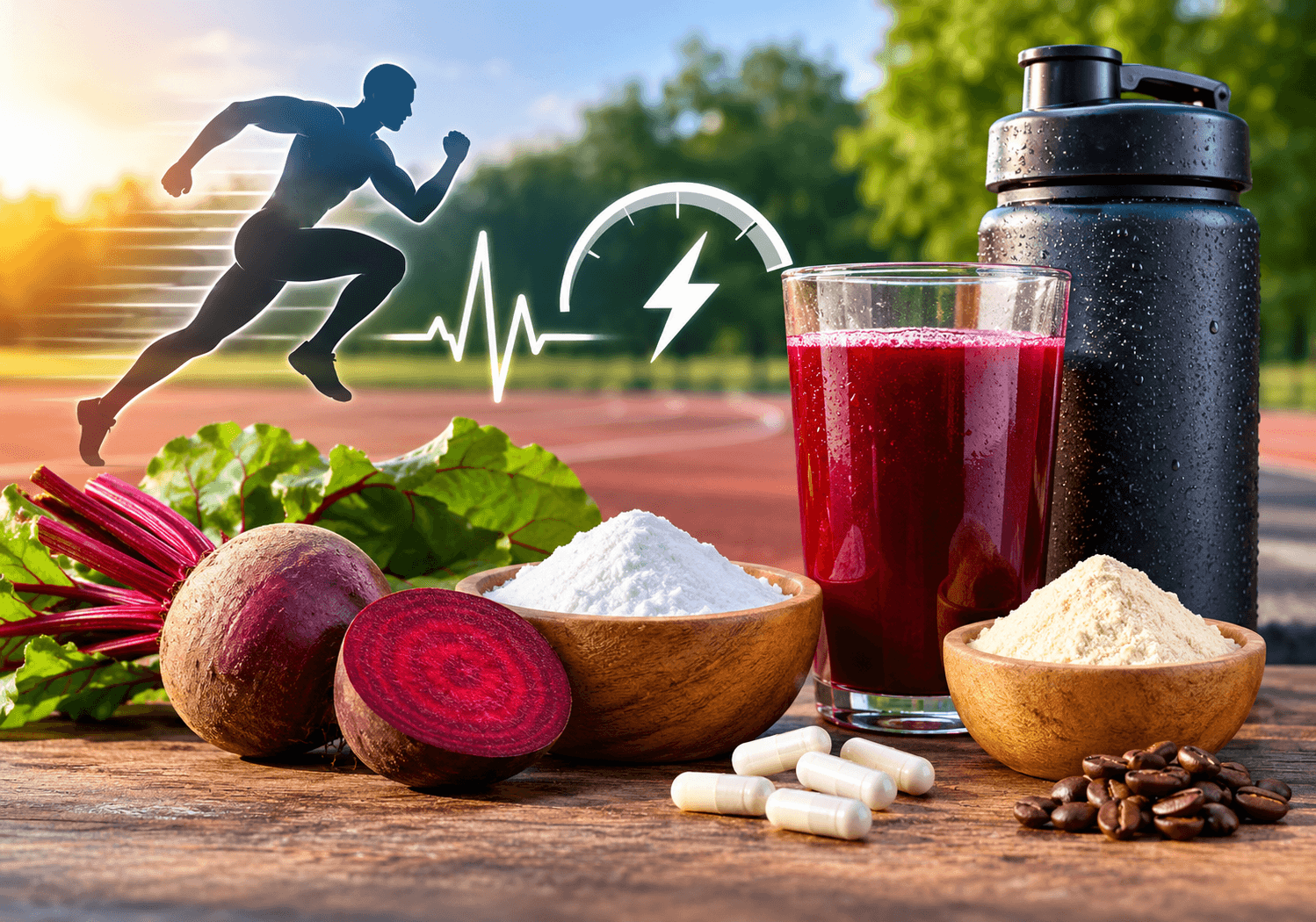
Whether you are grinding through the final miles of a half-marathon, powering through a high-intensity interval training (HIIT) session, or pushing past muscle fatigue during heavy resistance circuits, physical stamina dictates how long you can perform at your best. As a strength coach, I often get asked by athletes and gym-goers alike: what supplements help with physical stamina, and which ones are just clever marketing?
In this comprehensive guide, we will break down the science of fatigue, explore the top evidence-based supplements for stamina, analyze exact dosages and timing, and reveal how to combine performance nutrition with practical training strategies to maximize your cellular energy and aerobic capacity.
Quick Answer Box
Physical stamina relies on efficient energy production, oxygen delivery, and muscle buffering. Evidence-based supplements that boost physical stamina include creatine monohydrate (increases ATP replenishment), beta-alanine (buffers lactic acid and delays muscle fatigue), citrulline malate (enhances nitric oxide production and blood flow), caffeine (reduces perceived exertion), and beetroot juice/nitrates (improves oxygen efficiency). Combining these ergogenic aids with solid hydration, balanced nutrition, and structured endurance training yields the best performance gains.
Understanding Physical Stamina and Cellular Energy
Before introducing performance aids, it is crucial to understand what “stamina” actually means inside your body. Physical stamina—often referred to as endurance—is your body’s ability to sustain prolonged physical effort without giving out to physical or neuromuscular fatigue.
At the microscopic level, your muscle fibers require a constant stream of adenosine triphosphate (ATP), the primary energy currency of human cells. During high-intensity or extended exercise, your muscles produce ATP through three primary metabolic pathways:
- ATP-PCr (Phosphagen) System: Provides immediate energy for short, explosive bursts (0–10 seconds).
- Glycolytic System: Breaks down glycogen to provide rapid energy for moderate-duration efforts (30 seconds to 2 minutes), yielding metabolic byproducts like hydrogen ions (H+).
- Oxidative (Aerobic) System: Uses oxygen inside the mitochondria to break down carbohydrates and fats for long-duration activities.
When muscle fatigue sets in, it is typically caused by a combination of ATP depletion, intracellular acid accumulation (which lowers muscle pH and causes “burn”), reduced oxygen delivery to tissues, and central nervous system (CNS) fatigue.
Understanding which nutrients support normal energy metabolism gives you a clear foundational advantage when selecting supplements designed to target these specific cellular bottlenecks.
Top 5 Science-Backed Supplements for Physical Stamina
When evaluating what supplements help with physical stamina, we rely strictly on peer-reviewed human trials. The following five ingredients have earned top marks from sports scientists for their ability to improve aerobic capacity, increase time-to-exhaustion, and maintain peak power output.
1. Creatine Monohydrate: The Cellular Energy Workhorse
While traditionally recognized as a strength and muscle-building aid, creatine is one of the most effective endurance enhancing ingredients available for high-intensity stamina.
- How It Works: Creatine increases your intramuscular stores of phosphocreatine. During high-demand exercise, phosphocreatine donates a phosphate group to ADP, rapidly regenerating ATP. Research highlights that creatine supplementation supports high-intensity interval performance and speeds up recovery between intense work intervals.
- Effective Dose: 0.11 oz [3 g to 5 g] daily. A loading phase of 0.71 oz [20 g] per day split into 4 doses for 5–7 days is optional to saturate muscle stores faster.
- Best Timing: Daily, ideally post-workout with a source of carbohydrates and protein.
2. Beta-Alanine: The Lactic Acid Buffer
If your legs feel like they are burning during intense cycling or high-rep workouts, beta-alanine is your direct answer.
- How It Works: Beta-alanine is a precursor to carnosine, a natural intracellular buffer stored in skeletal muscle fibers (specifically the quadriceps and hamstrings). During sustained intense exercise, hydrogen ions accumulate, lowering cellular pH. Carnosine acts like a sponge, soaking up these acidic protons. Studies show beta-alanine consistently increases time-to-exhaustion during exercise lasting 1 to 4 minutes.
- Effective Dose: 0.11 oz to 0.23 oz [3.2 g to 6.4 g] per day, split into smaller 0.06 oz [1.6 g] doses throughout the day to prevent harmless skin tingling (paresthesia).
- Best Timing: Daily loading is required; exact timing relative to a workout is non-critical as long as daily intake is consistent over 4–6 weeks.
3. L-Citrulline Malate: The Nitric Oxide Booster
Nitric oxide precursors play a major role in maximizing vascular function and endurance.
- How It Works: L-citrulline is converted in the kidneys into L-arginine, which increases systemic nitric oxide (NO) levels. Elevated NO causes vasodilation (relaxing of blood vessels), resulting in enhanced blood delivery, optimal oxygen availability, and accelerated metabolite removal. Adding malic acid (malate) further aids the Krebs cycle to produce energy.
- Effective Dose: 0.21 oz to 0.28 oz [6 g to 8 g] of Citrulline Malate (2:1 ratio) taken before exercise.
- Best Timing: 45 to 60 minutes prior to physical activity.
4. Caffeine Anhydrous: The Central Fatigue Shield
Caffeine is arguably the most widely tested ergogenic aid for both aerobic and anaerobic stamina.
- How It Works: Caffeine crosses the blood-brain barrier and binds to adenosine receptors in the brain. By blocking adenosine, caffeine reduces your Rating of Perceived Exertion (RPE)—making hard physical exertion feel significantly easier. It also enhances neuromuscular drive and mobilizes free fatty acids for energy spare glycogen.
- Effective Dose: 0.0001 oz to 0.0002 oz [3 mg to 6 mg per kg] of body weight (e.g., about 0.007 oz to 0.014 oz [200 mg to 400 mg] for a 154 lb [70 kg] individual).
- Best Timing: 30 to 60 minutes pre-workout. To prevent tolerance and sleep disruptions, avoid taking high doses late in the day. Understanding why caffeine pills cause energy crashes and how to prevent it will help you manage caffeine intake intelligently.
5. Beetroot Extract (Dietary Nitrates): Mitochondrial Efficiency
Consuming dietary nitrates derived from beetroot juice is a popular strategy among long-distance runners and cyclists.
- How It Works: Inorganic nitrates (NO3-) convert to nitrite (NO2-) and then into nitric oxide. Beyond vasodilation, research indicates dietary nitrates reduce the oxygen cost of submaximal exercise, essentially making your cellular engines (mitochondria) more efficient at generating power per liter of oxygen consumed.
- Effective Dose: 300 to 500 mg of inorganic nitrate (equivalent to roughly 16.9 fl oz [500 mL] of standard beetroot juice or concentrated beetroot shots).
- Best Timing: 2 to 3 hours before your endurance event or hard session.
Supporting Micronutrients and Adaptogens
While the primary ergogenic aids directly drive muscle buffering and blood flow, secondary nutrients support baseline energy production and stress resilience.
Electrolytes (Sodium, Potassium, Magnesium)
Dehydration equal to just a 2% drop in total body water severely degrades physical stamina, elevates heart rate, and causes early muscle cramping. Maintaining an optimal electrolyte balance ensures proper nerve impulse transmission and muscle contraction throughout long sessions.
B-Complex Vitamins
Vitamins B1, B2, B3, B6, and B12 act as essential cofactors in converting dietary macronutrients into usable ATP energy. When you are deficient in these nutrients, your metabolic pathways slow down. Learning which vitamins support metabolism when you are deficient ensures your metabolic engine has all the necessary spark plugs.
L-Tyrosine
During long, stressful physical endeavors, catecholamine neurotransmitters like dopamine and norepinephrine become depleted. Supplementing with L-tyrosine provides the raw building blocks to synthesize these brain chemicals. Athletes find learning how L-tyrosine supports energy during intense demands helpful for maintaining mental stamina and focus when physical exhaustion peaks.
Adaptogens (Ashwagandha & Rhodiola Rosea)
Adaptogens help modulate the body’s adrenal response to physical and psychological stressors. Rhodiola Rosea has been shown to reduce perceived physical fatigue during high-intensity endurance testing, while Ashwagandha may assist with overall stress management and baseline recovery. Readers interested in stress eating and hormonal control can explore how adaptogens support cortisol management.
Supplement Comparison: Dosage, Timing, and Effects
To help you build an effective routine targeting physical performance boosters, the table below compares the top stamina ingredients side-by-side.
| Supplement | Clinical Effective Dose | Optimal Timing | Targeted Energy System / Mechanism | Main Stamina Benefit |
| Creatine Monohydrate | 0.11–0.18 oz [3–5 g] | Daily (Post-workout) | Phosphagen (ATP-PCr) System | Faster recovery between sprints, increased peak power |
| Beta-Alanine | 0.11–0.23 oz [3.2–6.4 g] | Daily (Split doses) | Intracellular pH Buffering | Delays leg “burn” during 1–4 min high-intensity efforts |
| Citrulline Malate | 0.21–0.28 oz [6–8 g] | 45–60 min Pre-workout | Nitric Oxide / Vasodilation | Enhances blood flow, oxygen uptake, and waste removal |
| Caffeine Anhydrous | 3–6 mg/kg body weight | 30–60 min Pre-workout | Central Nervous System (Adenosine) | Decreases perceived effort, boosts mental focus |
| Beetroot Nitrates | 300–500 mg Nitrates | 2–3 hours Pre-workout | Oxygen Cost / Mitochondrial Efficiency | Improves submaximal aerobic capacity for running/cycling |
Practical Application: How to Stack Stamina Supplements
Knowing what supplements help with physical stamina is only half the battle; combining them correctly creates a powerful synergistic performance stack.
💡 Coach’s Tip: Cycle Your Pre-Workout Stimulants
Caffeine is an incredible tool for boosting physical performance, but your brain adapts to it quickly. To keep caffeine effective without escalating your dosage, cycle off all caffeine for 7 to 10 days every 6 to 8 weeks. During off-weeks, rely on non-stimulant stamina support like Citrulline Malate, Beta-Alanine, and Beetroot extract. If you are sensitive to stimulants, explore which supplements support energy without stimulants.
Sample Daily Stamina Stack Schedule
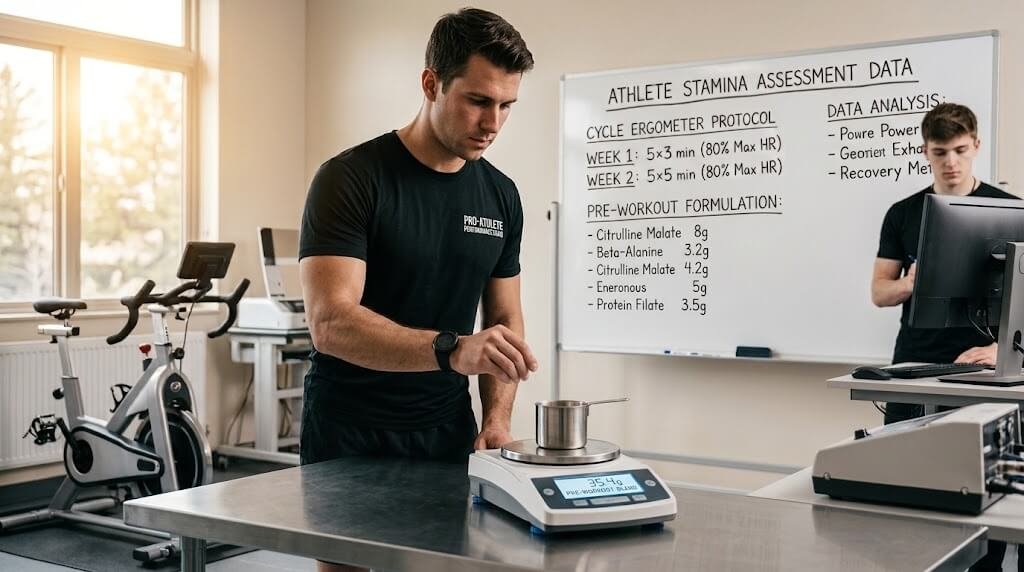
Here is how an athlete preparing for an intense training day should structure their timing for maximum efficacy:
- Morning (With Breakfast):
- 0.11 oz [3 g to 5 g] Creatine Monohydrate.
- 0.06 oz [1.6 g] Beta-Alanine.
- Daily Multivitamin/B-Complex (if dietary intake is insufficient).
- 2 to 3 Hours Before Training:
- 16.9 fl oz [500 mL] Beetroot juice or concentrated nitrate shot.
- 45 to 60 Minutes Before Training:
- 0.28 oz [8 g] Citrulline Malate (2:1 ratio).
- 0.06 oz [1.6 g] Beta-Alanine (second dose).
- 0.007 oz [200 mg] Caffeine Anhydrous or L-Tyrosine for non-stimulant days.
- 16 to 24 fl oz [473 to 710 mL] water with electrolytes (sodium/potassium).
- Post-Workout (Within 1 Hour):
- Balanced meal with high-quality protein and carbohydrates to initiate glycogen replenishment.
4 Common Mistakes When Taking Stamina Supplements
Even with the best products, basic dosing errors can hinder your endurance or cause gastrointestinal distress.
⚠️ Common Mistake: Taking Citrulline or Nitrates Right Before Exercise
Many gym-goers chug their pre-workout mix as they walk through the gym doors. Nitric oxide precursors like Citrulline Malate and dietary nitrates require time to digest, absorb, and convert in your bloodstream. Taking them 5 minutes before your workout means the peak blood flow benefits won’t kick in until your session is almost over. Always consume L-Citrulline 45–60 minutes prior, and beetroot nitrates 2–3 hours prior.
- Relying on Supplements to Replace Fuel: Dietary supplements enhance energy pathways, but they cannot replace actual carbohydrate fuel. Glycogen stores are your primary fuel for hard work.
- Inconsistent Beta-Alanine and Creatine Use: Neither creatine nor beta-alanine works acutely like caffeine. They require daily consistency over several weeks to fully saturate your muscle cells.
- Overdosing Pre-Workout Caffeine: High doses of caffeine (>6 mg/kg) can lead to rapid heart rates, gastrointestinal distress, elevated anxiety, and premature central fatigue.
- Ignoring Hydration and Electrolytes: Trying to force stamina with ergogenic aids while dehydrated is counterproductive. Without adequate water volume, blood viscosity increases, making your heart work significantly harder.
Progression & Regression Strategies for Stamina Training
Supplements provide an extra 5% to 10% performance edge, but progressive exercise training supplies the core 90%. Below is a practical endurance routine featuring regressions and progressions to match your current fitness level.
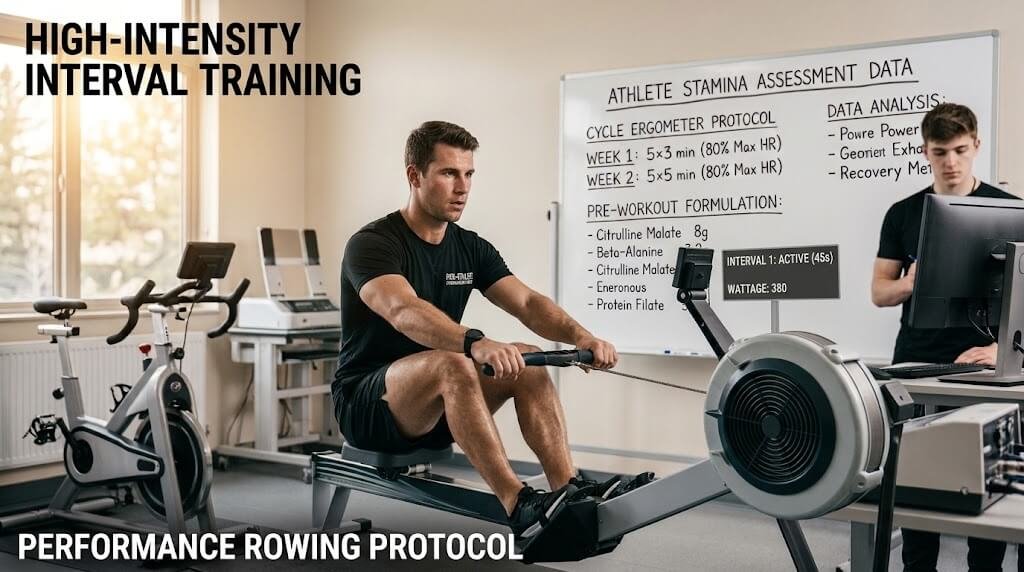
Sample 20-Minute Aerobic Capacity Interval Workout
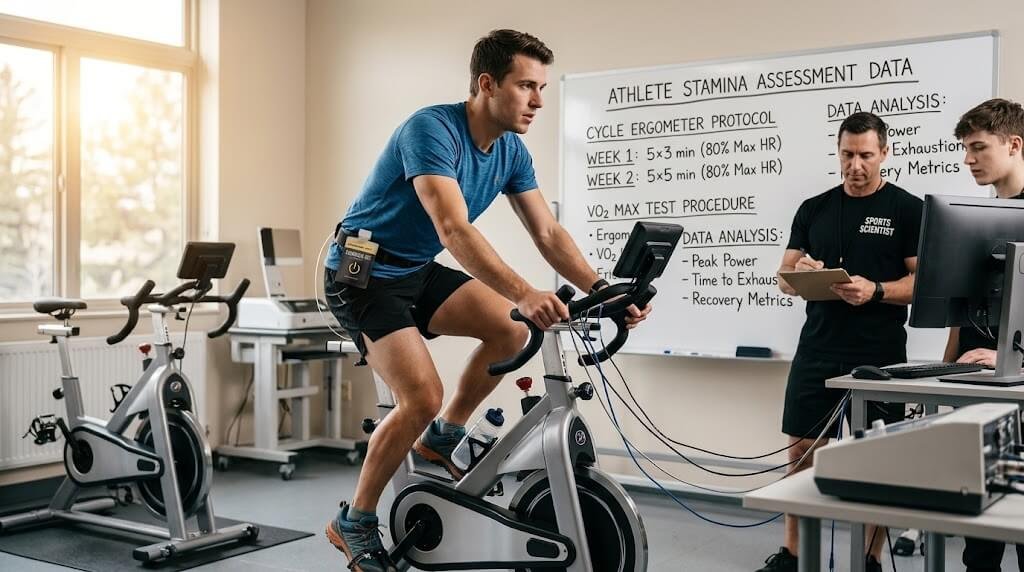
Perform this interval routine twice a week on non-consecutive days (e.g., Tuesday and Friday) using a cycle ergometer, rowing machine, or outdoor running track.
- Warm-Up: 5 minutes of easy jogging or light cycling, followed by dynamic mobility work (leg swings, hip openers).
- Main Set: 4 rounds of:
- Work Interval: 3 minutes at an effort level of 8/10 (Heart Rate: ~85-90% of max).
- Rest Interval: 2 minutes of active recovery (light walking/easy pedaling).
- Cool-Down: 3 to 5 minutes of light walking and static stretching.
How to Adjust the Intensity (Regression vs. Progression)
- Easier Version (Beginner Regression): Reduce the work interval to 1.5 minutes at a 7/10 effort, and extend the recovery rest interval to 2.5 minutes. Complete 3 total rounds.
- Harder Version (Advanced Progression): Increase the work interval to 4 minutes at an 8.5/10 effort, decrease the rest interval to 1.5 minutes, and increase to 5 total rounds.
Safety, Precautions, and Special Populations
While the supplements discussed here are generally safe for healthy adults, individual responses can vary.
- Cardiovascular Considerations: Individuals with high blood pressure, heart arrhythmias, or cardiovascular conditions should consult a physician before using heavy doses of stimulants or vasodilators.
- Renal Health: Those with pre-existing kidney disease should seek medical guidance before supplementing with creatine or high protein intakes.
- Pregnancy & Nursing: Expectant mothers should strictly manage caffeine levels and avoid unnecessary ergogenic aids.
- Regulated Athletics: Competitive athletes should ensure all supplements are third-party tested (e.g., NSF Certified for Sport or Informed Choice) to ensure they are free of banned substances.
Frequently Asked Questions
How long does it take for beta-alanine to build physical stamina?
Beta-alanine requires continuous daily use to saturate intramuscular carnosine levels. Most athletes notice significant improvements in lactic acid buffering and high-intensity stamina within 4 to 6 weeks of consistent daily supplementation (3.2 to 6.4 grams per day).
Does caffeine increase long-distance workout endurance?
Yes. Caffeine reduces your brain’s perception of effort (RPE) and lowers fatigue thresholds. Clinical studies show that moderate caffeine doses (3 to 6 mg per kg of body weight) enhance endurance performance in running, cycling, and rowing.
What is the best natural supplement for daily physical stamina?
For long-term natural stamina support without stimulants, combining daily Creatine Monohydrate (3–5 g) with dietary nitrates (such as concentrated Beetroot juice) offers a safe, research-backed method to enhance energy synthesis and oxygen efficiency.
What vitamins help with physical fatigue during workouts?
B-complex vitamins (especially B1, B6, and B12) are crucial because they act as coenzymes in converting carbohydrates, fats, and proteins into ATP. Vitamin D and Iron are also critical; deficiencies in either can severely limit oxygen transport and cellular energy.
Can creatine improve aerobic endurance and stamina?
Creatine primarily supports short, high-intensity anaerobic efforts. However, for aerobic sports that involve intermittent bursts of speed or power—such as soccer, basketball, or interval-based cycling—creatine improves overall stamina by accelerating ATP recovery during rest periods between sprints.
How do endurance supplements improve stamina compared to food?
Endurance supplements deliver isolated, concentrated doses of active compounds (like pure L-Citrulline or Beta-Alanine) that are difficult to obtain in performance-enhancing amounts from whole foods alone, allowing for precise pre-workout timing without heavy digestion demands.
Conclusion
When asking what supplements help with physical stamina, science gives us a clear answer: target your body’s energy pathways directly. Creatine monohydrate fuels cellular ATP regeneration; beta-alanine buffers acidity inside working muscles; citrulline malate and beetroot nitrates boost blood flow and oxygen delivery; and caffeine sharpens your mental drive while lowering perceived exertion.
To get the best results, use these performance aids alongside a structured training program, proper hydration, and an energy-supporting diet. Start with one or two proven supplements, track your workout stamina, and adjust your routine as you progress!