
If you have ever asked, “What role does selenium play in thyroid hormone production?” you are asking one of the most important questions about your metabolic health. As a strength and conditioning coach, I see clients struggle with low energy, stubborn weight plateaus, and sluggish recovery. Often, the root cause traces back to the endocrine system, specifically the thyroid gland. This small, butterfly-shaped gland controls your basal metabolic rate, energy levels, and overall hormonal balance.
Selenium is a trace mineral that acts as a critical catalyst in this system. Without adequate selenium, your body cannot efficiently convert inactive thyroid hormones into their active forms, nor can it protect the thyroid gland from the oxidative stress caused by its own hormone production. This guide breaks down the science, provides practical nutritional guidance, and offers a targeted workout routine to help you support your metabolic health safely and effectively.
Quick Answer
Selenium is essential for thyroid health because it forms selenoproteins, specifically iodothyronine deiodinases, which convert inactive T4 hormone into active T3 hormone. It also produces glutathione peroxidase, an antioxidant enzyme that protects the thyroid gland from oxidative damage during hormone synthesis.
What Role Does Selenium Play in Thyroid Hormone Production? The Science Explained
To understand how this mineral impacts your fitness and energy, we must look at the biochemical processes inside your body. The thyroid gland produces two primary hormones: thyroxine (T4) and triiodothyronine (T3). T4 is the mostly inactive storage hormone, while T3 is the metabolically active hormone that binds to cells throughout your body to regulate metabolism, heart rate, and body temperature.
The Conversion Process: T4 to T3
Your body does not use T4 directly for most metabolic functions. It must be converted into T3. This conversion happens primarily in the liver, kidneys, and skeletal muscle, and it is entirely dependent on a family of enzymes called iodothyronine deiodinases. These enzymes are “selenoproteins,” meaning they require selenium to function. According to the National Institutes of Health (NIH) Office of Dietary Supplements, without adequate selenium, deiodinase activity drops, leading to lower active T3 levels and a slowed metabolic rate.
Protection Against Oxidative Stress
Hormone production is a chemically harsh process. The synthesis of thyroid hormones generates hydrogen peroxide, a reactive oxygen species that can damage thyroid follicular cells if left unchecked. Selenium steps in as the body’s primary defense mechanism here. It is a core component of glutathione peroxidase, a powerful antioxidant enzyme. This enzyme neutralizes hydrogen peroxide, preventing oxidative stress and inflammation in the thyroid gland. Research published in the journal Endocrine highlights that adequate selenium status is linked to reduced thyroid inflammation and lower levels of thyroid autoantibodies in conditions like Hashimoto’s thyroiditis.
The Pituitary Gland Connection
The pituitary gland in your brain monitors your blood’s thyroid hormone levels. If T3 is low, it releases Thyroid-Stimulating Hormone (TSH) to tell the thyroid to work harder. If selenium deficiency impairs T4-to-T3 conversion, the pituitary keeps pumping out TSH, which can eventually lead to thyroid enlargement (goiter) and chronic fatigue. Ensuring proper micronutrient intake is a foundational step when you want to increase metabolism naturally without relying on harsh stimulants.
Selenium Requirements and Top Food Sources
Before considering supplements, it is always best to evaluate your diet. The body needs only a small amount of selenium, but consistency is key. The Recommended Dietary Allowance (RDA) for adults is 55 micrograms (mcg) per day, with an Upper Tolerable Limit (UL) of 400 mcg per day to prevent toxicity.
| Food Source | Serving Size | Approximate Selenium Content | % of Daily Value (DV) |
| Brazil Nuts | 1 ounce (6–8 nuts) | 544 mcg | 989% |
| Yellowfin Tuna | 3 oz (85 g), cooked | 92 mcg | 167% |
| Halibut | 3 oz (85 g), cooked | 47 mcg | 85% |
| Sardines | 3 oz (85 g), canned | 45 mcg | 82% |
| Cottage Cheese | 1 cup (226 g) | 20 mcg | 36% |
| Brown Rice | 1 cup, cooked | 19 mcg | 35% |
| Eggs | 1 large, hard-boiled | 15 mcg | 27% |
| Spinach | 1 cup, boiled | 11 mcg | 20% |
Data sourced from the NIH Selenium Fact Sheet for Health Professionals.
Coach’s Tip: Brazil nuts are incredibly potent. Eating just two to three Brazil nuts per day provides more than enough selenium to meet your daily needs. Do not eat an entire bag, as this can quickly push you over the 400 mcg safety limit and cause selenosis (selenium toxicity).
How to Apply This Knowledge: A Thyroid-Supportive Training Guide
Understanding what role does selenium play in thyroid hormone production is only half the battle. As a coach, I know that nutrition and training must work together. When thyroid function is suboptimal, clients often feel too fatigued to exercise, or they overtrain, which further stresses the endocrine system.
The goal of this workout is to stimulate metabolic flexibility and muscle protein synthesis without causing excessive systemic fatigue. We will focus on moderate-intensity, full-body resistance training. This approach has been shown by the American College of Sports Medicine (ACSM) to improve insulin sensitivity and support a healthy basal metabolic rate.
The Thyroid-Supportive Full-Body Routine
Perform this routine 2 to 3 times per week, with at least one full rest day between sessions.
Warm-Up (5–7 minutes)
- 3 minutes of light rowing or brisk walking (2.5 to 3.0 mph / 4.0 to 4.8 km/h).
- 10 bodyweight squats.
- 10 arm circles (forward and backward).
- 10 cat-cow stretches to mobilize the spine.

Exercise 1: Dumbbell Goblet Squat
- Sets: 3
- Reps: 10–12
- Rest: 60–90 seconds
- Tempo: 3-1-1 (3 seconds down, 1-second pause at the bottom, 1 second up)
- Weight Guidance: Start with a 15 lb (7 kg) dumbbell for women or 25 lb (11 kg) for men. Adjust based on form.
- How to do it: Hold a dumbbell vertically against your chest with both hands. Keep your chest up and core braced. Push your hips back and bend your knees, lowering until your thighs are parallel to the floor. Drive through your mid-foot to stand.
- Regression: Sit back onto a bench or chair (box squat) to ensure depth and safety.
- Progression: Increase the dumbbell weight by 5 lb (2.2 kg) or pause for 2 seconds at the bottom.

Exercise 2: Dumbbell Romanian Deadlift (RDL)
- Sets: 3
- Reps: 10–12
- Rest: 60–90 seconds
- Tempo: 3-1-1
- Weight Guidance: Start with 20 lb (9 kg) dumbbells in each hand for women, 30 lb (13.5 kg) for men.
- How to do it: Stand with feet hip-width apart, holding dumbbells in front of your thighs. Keep a slight bend in your knees. Hinge at your hips, pushing them backward as you lower the weights along your legs. Stop when you feel a deep stretch in your hamstrings (usually just below the knees). Squeeze your glutes to return to standing.
- Regression: Perform the movement without weights, focusing purely on the hip hinge pattern.
- Progression: Use a barbell or increase dumbbell weight by 5–10 lb (2.2–4.5 kg).
Common Mistake: Rounding the lower back during the RDL. This shifts the tension away from the hamstrings and puts dangerous shear force on the lumbar spine. Fix: Keep your chest proud and imagine you are trying to touch your glutes to the wall behind you, rather than trying to touch the floor with the weights.
Exercise 3: Incline Dumbbell Bench Press
- Sets: 3
- Reps: 10–12
- Rest: 60 seconds
- Tempo: 2-1-1
- Weight Guidance: 15 lb (7 kg) dumbbells for women, 25 lb (11 kg) for men.
- How to do it: Set an adjustable bench to a 30- to 45-degree incline. Lie back with a dumbbell in each hand at shoulder level. Press the weights up and slightly together until your arms are extended, then lower them slowly with control.
- Regression: Perform a push-up against a wall or an elevated bench.
- Progression: Increase weight or slow the eccentric (lowering) phase to 3 seconds.
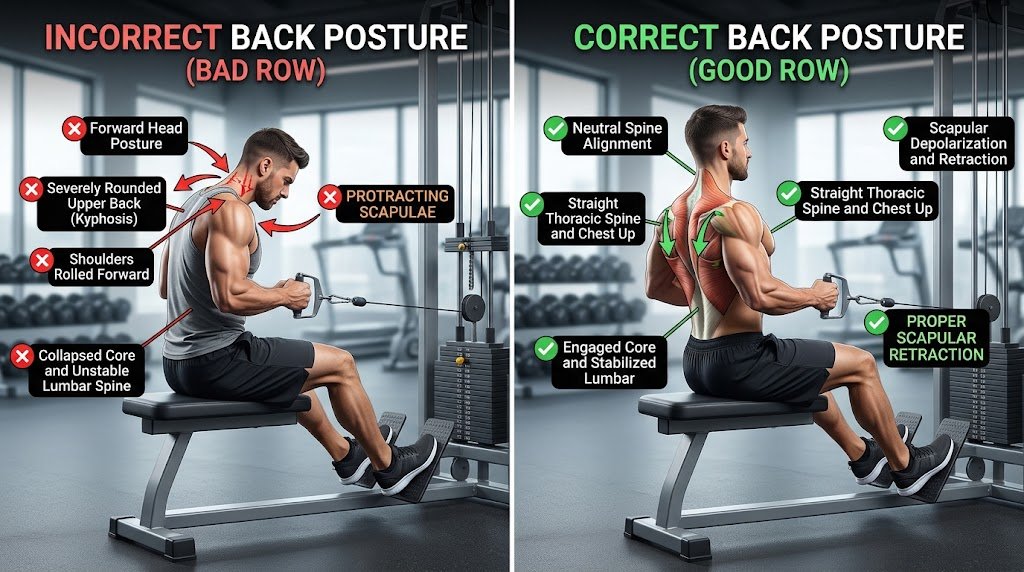
Exercise 4: Seated Cable Row
- Sets: 3
- Reps: 12–15
- Rest: 60 seconds
- Tempo: 2-1-1
- Weight Guidance: 40 lb (18 kg) for women, 60 lb (27 kg) for men.
- How to do it: Sit at a cable row machine with feet braced. Grab the handle with both hands. Keep your back straight and pull the handle toward your lower abdomen, squeezing your shoulder blades together. Extend your arms slowly to the starting position.
- Regression: Use a lighter weight and focus on a 1-second squeeze at the peak contraction.
- Progression: Use a single-arm cable row to increase core stabilization demands.
Cool-Down (5 minutes)
- 3 minutes of light walking.
- 1 minute of child’s pose stretch.
- 1 minute of standing quad stretch per leg.
This structured approach ensures you are providing the mechanical stimulus needed to maintain lean muscle mass, which is a primary driver of resting metabolic rate. Pairing this with nutrients that support normal energy metabolism creates a powerful synergy for your overall health.
Safety Notes and Precautions
While selenium is vital, more is not always better. The margin between adequate intake and toxicity is relatively narrow compared to other vitamins.
Understanding Selenosis
Consuming more than 400 mcg of selenium per day over an extended period can lead to selenosis. Symptoms include garlic-scented breath, hair loss, brittle nails, gastrointestinal upset, and nervous system abnormalities. The NIH notes that chronic high intake can actually impair thyroid function and increase the risk of type 2 diabetes.
Medication Interactions
If you are taking thyroid hormone replacement medication, such as levothyroxine (Synthroid), you must be cautious. Selenium can alter the conversion of T4 to T3, potentially changing your body’s requirement for the medication. Always separate the intake of any mineral supplement from your thyroid medication by at least 4 hours to prevent absorption issues, and consult your endocrinologist before starting supplementation.
Who Should Be Careful?
- Individuals with pre-existing kidney or liver disease should avoid high-dose selenium, as impaired organs cannot clear excess minerals efficiently.
- Pregnant or breastfeeding women should stick strictly to the RDA (60–70 mcg) and avoid high-dose standalone supplements unless prescribed by a doctor.
Related Tips for Holistic Thyroid and Metabolic Health
Optimizing your thyroid requires a multi-faceted approach. Selenium is a crucial piece of the puzzle, but it does not work in isolation.
1. Prioritize Sleep Quality
Poor sleep disrupts the hypothalamic-pituitary-thyroid (HPT) axis. Chronic sleep deprivation elevates cortisol, which can inhibit the conversion of T4 to T3. Learning how sleep affects metabolism is just as important as your diet. Aim for 7 to 9 hours of quality sleep per night in a cool, dark room.
2. Synergistic Nutrients
Selenium works best when other foundational nutrients are present.
- Zinc: Like selenium, zinc is required for the synthesis of TSH and the conversion of T4 to T3.
- Iron: Iron deficiency impairs thyroid peroxidase, the enzyme that initiates thyroid hormone production.
- Vitamin D: Low vitamin D is strongly correlated with autoimmune thyroid conditions. Ensuring you get enough vitamins that support metabolism is critical for long-term endocrine health.
3. Manage Chronic Stress
Chronic psychological stress keeps cortisol levels elevated. High cortisol directly suppresses TSH secretion and blocks deiodinase enzymes from doing their job. Incorporating stress-reduction techniques like deep breathing, walking in nature, or light yoga can physically protect your thyroid function.
4. Evaluate Your Overall Dietary Pattern
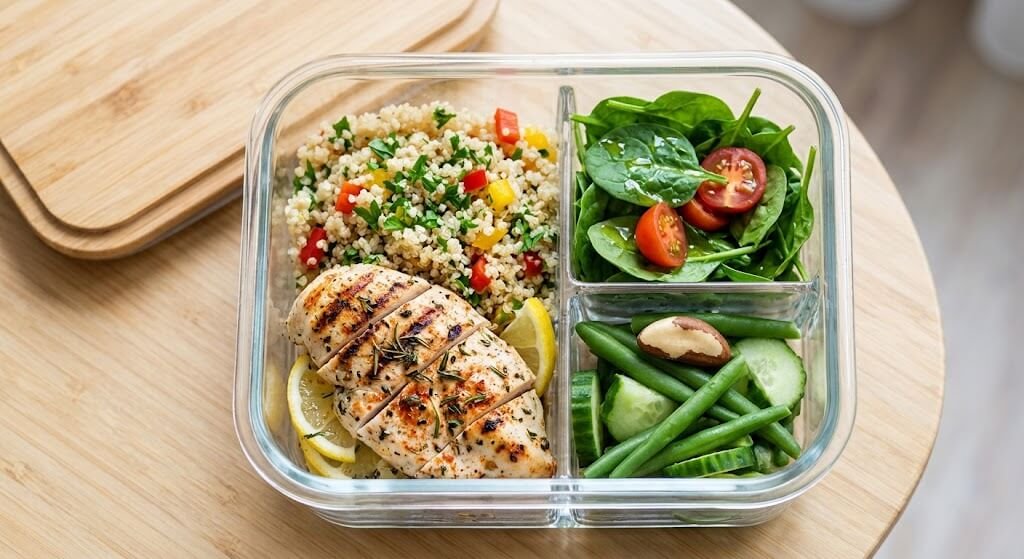
Focusing on a single mineral can lead to tunnel vision. A balanced diet rich in lean proteins, healthy fats, and fiber provides the broad spectrum of micronutrients your body needs. For example, ensuring adequate protein intake and metabolism support helps maintain the muscle mass that actively utilizes T3 hormone.
Frequently Asked Questions (FAQ)
1. How much selenium is needed for optimal thyroid health?
The Recommended Dietary Allowance (RDA) for adults is 55 micrograms (mcg) per day. Pregnant women need 60 mcg, and breastfeeding women need 70 mcg. Do not exceed the upper tolerable limit of 400 mcg per day without medical supervision.
2. Can selenium reverse hypothyroidism?
Selenium cannot reverse hypothyroidism caused by complete thyroid failure or surgical removal. However, research suggests it may help reduce thyroid autoantibodies and improve symptoms in mild cases of Hashimoto’s thyroiditis by reducing glandular inflammation.
3. What are the signs of selenium deficiency?
True selenium deficiency is rare in developed countries due to soil content and food transport. However, signs can include muscle weakness, fatigue, hair loss, weakened immune function, and in severe cases, a specific type of heart disease called Keshan disease.
4. Is it better to get selenium from food or supplements?
It is always better to get selenium from whole food sources like Brazil nuts, seafood, and eggs. Food provides a natural matrix of co-factors that aid absorption. Supplements should only be used if a blood test confirms a deficiency or under a doctor’s guidance.
5. Can I take selenium supplements with my levothyroxine medication?
You should not take them at the exact same time. Minerals can interfere with the absorption of levothyroxine in the gut. Take your thyroid medication on an empty stomach, and wait at least 4 hours before consuming a selenium supplement or a high-selenium meal.
6. Does cooking destroy selenium in food?
Selenium is relatively stable during cooking. While some water-soluble vitamins degrade with heat, the selenium content in foods like tuna, eggs, and meats remains largely intact whether baked, grilled, or boiled.
Conclusion
Understanding what role does selenium play in thyroid hormone production is a fundamental step in taking control of your metabolic health. This essential trace mineral acts as both the key that unlocks active T3 hormone and the shield that protects your thyroid gland from oxidative damage. By incorporating selenium-rich foods like Brazil nuts, seafood, and eggs into your diet, you provide your endocrine system with the raw materials it needs to function optimally.
Pair this nutritional foundation with a consistent, moderate-intensity resistance training routine to build metabolic resilience. Remember that fitness and health are not about extreme measures, but about consistent, evidence-based habits. If you suspect a thyroid issue, always consult with a healthcare provider or registered dietitian to get personalized blood work and guidance.