If you feel wiped out by 2:00 PM or notice your muscle pumps in the gym are not what they used to be, your daily nutrition might be missing a few key building blocks. Many men assume chronic fatigue is just a normal part of aging or a lack of sleep. However, research from the National Institutes of Health shows that micronutrient gaps directly impair vascular tone and cellular energy production. Finding the best vitamins for male circulation and energy levels can completely transform how you feel, train, and recover.
As a strength and conditioning coach, I evaluate gym-goers and athletes every week who struggle with sluggish energy and poor physical endurance. Often, the bottleneck is not their workout routine; it is poor microcirculation. When blood vessels stiffen or red blood cells lack the micronutrients needed to carry oxygen efficiently, every organ and muscle fiber starves for fuel. This comprehensive guide breaks down the exact vitamins, minerals, and lifestyle strategies required to upgrade your cardiovascular network, fire up your cellular energy factories, and restore your peak physical vitality.
Quick Answer
The best vitamins for male circulation and energy levels include Vitamin B3 (niacin) for vascular dilation, Vitamin B12 and folate for red blood cell production, Vitamin D3 for endothelial health, and Vitamin C to protect nitric oxide. Combined with amino acids like L-citrulline and CoQ10, these micronutrients optimize blood flow and boost daily stamina.
Understanding the Connection Between Circulation, Vascular Health, and Energy
To understand why certain vitamins change your energy levels, you have to look at how your body transports fuel. Your circulatory system is a 60,000-mile highway network of arteries, veins, and capillaries. Every time you lift a 50 lb [22.7 kg] dumbbell or run 3 miles [4.8 km], your heart pumps oxygen-rich blood directly to working muscle tissue.
When your circulation is restricted, oxygen delivery drops. Your mitochondria—the tiny power plants inside your cells—cannot produce enough adenosine triphosphate (ATP) without a steady stream of oxygen and micronutrients. This bottleneck creates mental fog, heavy limbs during exercise, and slow recovery times.
According to guidelines from the American Heart Association, maintaining flexible, responsive blood vessels is essential not just for heart health, but for sustained daily stamina. Vitamins do not act as magic stimulants like caffeine; instead, they repair the cellular lining of your blood vessels, reduce low-grade inflammation, and ensure your red blood cells can deliver oxygen without resistance.

Top Vitamins and Micronutrients for Male Circulation and Energy
Targeting male vitality requires specific micronutrients that play a direct, scientifically proven role in vascular dilation and cellular respiration. Let us examine the top vitamins and cofactors that deliver measurable results.
1. Vitamin B3 (Niacin) for Vascular Expansion
Vitamin B3, specifically in the form of niacin or nicotinic acid, is one of the most powerful natural vasodilators available. Niacin activates specific receptors that cause small blood vessels to widen, instantly improving peripheral microcirculation.
- How it helps: It helps lower LDL cholesterol and triglycerides while supporting the production of signaling molecules that relax vascular smooth muscle.
- Coach’s dosing advice: Standard therapeutic doses range from 50 mg to 250 mg daily. Always start with a low dose to minimize the harmless “niacin flush” (a temporary warm, tingling redness in the skin).
- Food sources: Chicken breast, turkey, tuna, brown rice, and fortified grains.
If you want to explore how micronutrients influence daily vitality without relying on heavy stimulants, read our guide on how to improve daily energy without caffeine.
2. Vitamin B12 for Oxygen Delivery
If your red blood cells are misshapen or too small, they cannot transport oxygen effectively. Vitamin B12 is mandatory for synthesizing healthy red blood cells and preventing megaloblastic anemia, a condition that triggers profound fatigue and muscle weakness.
- How it helps: B12 teams up with folate to clear homocysteine—an amino acid that, when elevated, damages the inner lining of your arteries and restricts blood flow.
- Coach’s dosing advice: Methylcobalamin is the most bioavailable form. Daily doses of 500 mcg to 1,000 mcg are common for active men, especially those following plant-based diets.
- Food sources: Beef liver, clams, wild-caught salmon, eggs, and nutritional yeast.
For a deeper dive into cellular metabolism, review our analysis on vitamin B12 for cellular energy.
3. Vitamin D3 for Endothelial Function
Vitamin D is technically a steroid hormone that influences over 1,000 physiological processes. Research published by the National Institutes of Health Office of Dietary Supplements highlights Vitamin D3’s vital role in preserving endothelial function—the health of the single-cell layer lining your blood vessels.
- How it helps: Adequate Vitamin D prevents arterial stiffness and helps maintain normal blood pressure by regulating nitric oxide production. Deficiencies are directly linked to vascular dysfunction and chronic fatigue.
- Coach’s dosing advice: Aim for 2,000 IU to 5,000 IU daily, ideally taken with a fat-containing meal for optimal absorption. Get your blood levels checked to maintain a target range of 40–60 ng/mL.
- Food sources: Fatty fish, egg yolks, cod liver oil, and sensible sun exposure.
4. Vitamin C for Nitric Oxide Protection
Nitric oxide (NO) is the key gas your body produces to relax blood vessels and widen arterial pathways. However, free radicals in your bloodstream rapidly destroy nitric oxide before it can do its job. Vitamin C acts as a powerful antioxidant shield.
- How it helps: By neutralizing oxidative stress, Vitamin C preserves nitric oxide levels, directly improving blood flow during physical exertion and supporting natural testosterone support and male vitality.
- Coach’s dosing advice: 500 mg to 1,000 mg split into two daily doses ensures steady antioxidant protection without causing digestive upset.
- Food sources: Bell peppers, citrus fruits, strawberries, broccoli, and kiwifruit.
5. Coenzyme Q10 (CoQ10) and Cellular Power
While CoQ10 is a vitamin-like compound rather than a true vitamin, no discussion of male energy and circulation is complete without it. CoQ10 lives inside your cellular mitochondria, driving the electron transport chain that generates ATP.
- How it helps: It protects low-density lipoproteins from oxidative damage and improves endothelial-dependent vasodilation in aging blood vessels.
- Coach’s dosing advice: Ubiquinol (the active, reduced form of CoQ10) is absorbed much more efficiently by men over 40. Standard daily dosages range from 100 mg to 300 mg.
Comparison Table: Key Micronutrients for Circulation and Energy
| Nutrient | Primary Vascular Benefit | Energy Impact | Daily Recommended Dosage | Best Food Sources |
| Vitamin B3 (Niacin) | Vasodilation & capillary expansion | Moderate ATP support | 50 mg – 250 mg | Chicken breast, tuna, peanuts |
| Vitamin B12 | Reduces arterial homocysteine | High red blood cell production | 500 mcg – 1,000 mcg | Beef liver, salmon, eggs |
| Vitamin D3 | Improves endothelial elasticity | Indirect hormone support | 2,000 IU – 5,000 IU | Sunlight, fatty fish, egg yolks |
| Vitamin C | Protects nitric oxide from breakdown | Antioxidant cellular defense | 500 mg – 1,000 mg | Bell peppers, citrus, broccoli |
| CoQ10 | Enhances arterial blood flow | Maximum mitochondrial ATP | 100 mg – 300 mg | Grass-fed beef, sardines, spinach |
How to Choose and Stack Supplements Safely
Walking into a supplement store can feel overwhelming. When selecting vitamins for circulation and energy, quality and purity matter. Always look for third-party testing certifications such as NSF International, USP, or Informed-Sport to ensure the label matches what is inside the bottle.
When stacking these nutrients, timing makes a noticeable difference. Take your B-vitamins and Vitamin C in the morning with breakfast to support your natural circadian cortisol spike and daytime energy levels. Take Vitamin D3 and CoQ10 with your largest meal of the day containing healthy fats, as these compounds are fat-soluble or heavily enhanced by dietary lipids.
To understand how foundational nutrients fit into your broader wellness plan, explore our expert guide on vitamins supporting energy metabolism.
Coach’s Tip: Never take high-dose niacin on an empty stomach. The sudden flush combined with gastric acidity can cause intense discomfort. Always consume your B3 with at least 8 oz [0.24 L] of water and a balanced meal.
Practical Training and Lifestyle Protocols for Maximum Blood Flow
Vitamins provide the raw materials, but physical movement builds the network. Your blood vessels adapt to demand through a process called shear stress—the friction of flowing blood against your arterial walls stimulates the release of nitric oxide.
1. Progressive Resistance Training
Lifting weights forces your muscles to contract forcefully, temporarily cutting off blood flow and creating a reactive hyperemia (the massive “pump” effect) when you release the contraction. Over time, this stimulates angiogenesis—the creation of brand-new capillary beds.
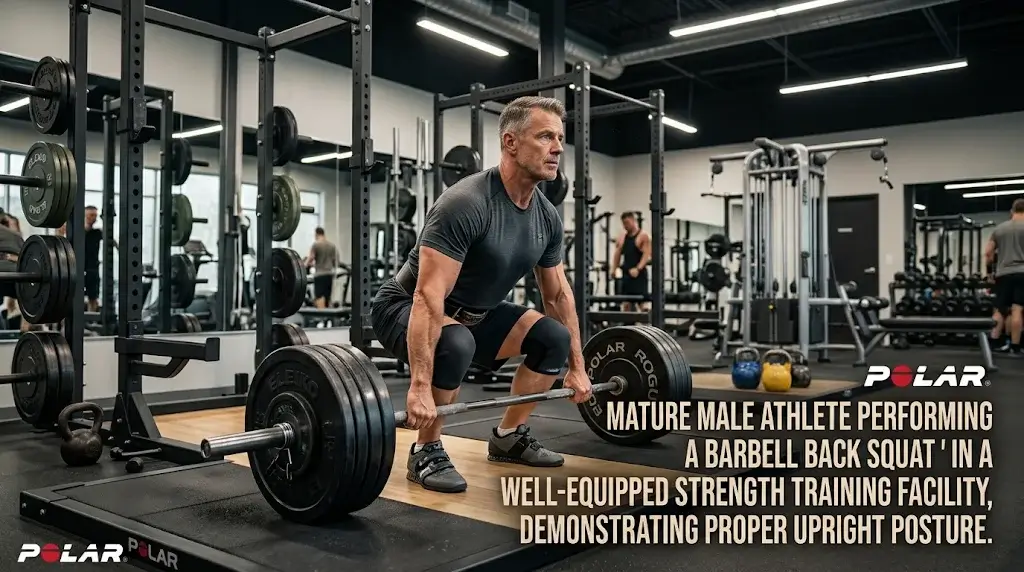
- Prescription: Perform compound movements (squats, deadlifts, rows) 3 to 4 days per week. Aim for 3 sets of 8 to 12 repetitions with a moderate-heavy weight, resting 90 seconds between sets.
2. Zone 2 Cardiovascular Conditioning
Low-to-moderate steady-state cardio builds cardiovascular endurance and increases the density of your mitochondria.
- Prescription: 30 to 45 minutes of brisk incline walking, cycling, or swimming at a heart rate where you can still maintain a conversation, performed 3 times per week.
Common Mistake: Many trainees rely exclusively on high-stimulant pre-workouts to manufacture energy. While caffeine creates temporary alertness, it vasoconstricts blood vessels and spikes blood pressure, working against long-term circulation and stamina goals. Balance stimulants with targeted vasodilating vitamins and amino acids.
Comprehensive Sample Weekly Routine for Energy and Vascular Health
Integrating your supplement protocol with structured physical training guarantees the best results. Below is a sample 4-day hybrid protocol designed by strength coaches to maximize stamina and vascular tone.
| Day | Training Focus | Vascular & Energy Protocol |
| Monday | Upper Body Strength (Push/Pull) | Morning: B-Complex + Vitamin C With Lunch: Vitamin D3 + CoQ10 |
| Tuesday | Zone 2 Cardio (45 min stationary bike) | Morning: B-Complex + Vitamin C Pre-Workout: 3g L-Citrulline |
| Wednesday | Lower Body Hypertrophy (Squat/Hinge) | Morning: B-Complex + Vitamin C With Lunch: Vitamin D3 + CoQ10 |
| Thursday | Active Recovery & Mobility (30 min walk) | Morning: B-Complex + Vitamin C |
| Friday | Full Body Athletic Circuit | Morning: B-Complex + Vitamin C With Lunch: Vitamin D3 + CoQ10 |
| Saturday | Outdoor Activity / Recreation | Flexible morning routine |
| Sunday | Complete Rest & Meal Prep | Baseline daily hydration (1 gal [3.8 L] water) |
For further reading on optimizing physical drive and stamina, review our detailed guide on supplements for libido and energy in men.
Frequently Asked Questions
What vitamins improve blood circulation in men?
Vitamins B3 (niacin) and D3 are exceptional for male circulation. Niacin acts as a powerful vasodilator that widens small blood vessels, while Vitamin D3 preserves the elasticity of endothelial cells. Combined with Vitamin C, which protects nitric oxide, these micronutrients optimize overall vascular blood flow.
Which supplement gives the best daily energy boost for men over 40?
Coenzyme Q10 (CoQ10) paired with Vitamin B12 provides the most reliable daily energy boost for mature men. CoQ10 directly fuels cellular mitochondria to produce ATP, while B12 prevents deficiency-related fatigue and ensures optimal oxygen transport through red blood cells.
Can vitamin deficiencies cause poor circulation and fatigue?
Yes, specific deficiencies directly impair energy and blood flow. A lack of Vitamin B12 causes fatigue via megaloblastic anemia, low Vitamin D restricts vascular tone, and iron shortages limit oxygen delivery to every tissue in your body, resulting in persistent physical exhaustion.
How long does it take for circulation supplements to work?
Most men notice improved gym pumps and subtle increases in daily energy within 2 to 4 weeks of consistent supplementation. Structural improvements in endothelial health and normalized red blood cell counts typically require 6 to 12 weeks of steady daily habits.
Are there specific vitamins that boost nitric oxide naturally?
Vitamins do not create nitric oxide directly, but they protect and support the biological pathways that do. Vitamin C safeguards existing nitric oxide from free radical destruction, while B-vitamins support the enzymatic reactions required for healthy vascular function.
To learn more about boosting your overall vitality framework, check out our resource on increasing energy and stamina naturally.
Conclusion
Maximizing your daily energy levels and long-term cardiovascular health requires more than just drinking coffee and hoping for the best. By targeting micronutrient gaps with the right combination of B-vitamins, Vitamin D3, Vitamin C, and CoQ10, you support the intricate network of blood vessels that fuel your body. Pair these evidence-based nutritional strategies with consistent resistance training and aerobic conditioning, and you will unlock sustainable stamina that lasts all day long.