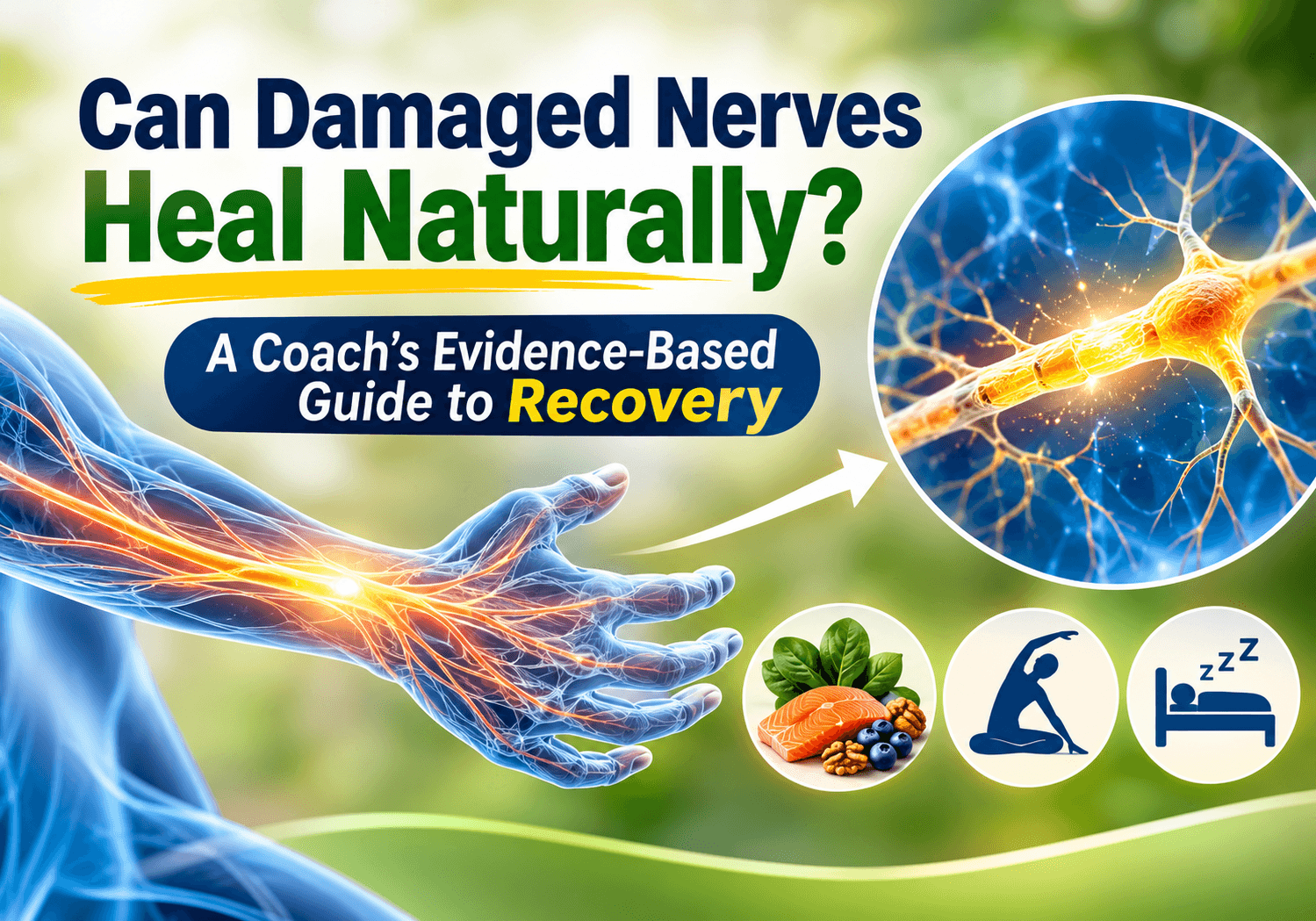
Dealing with tingling, numbness, or weakness in your limbs can be incredibly frustrating and disruptive to your daily life. If you are wondering, can damaged nerves heal naturally, the short answer is yes, but it requires patience, consistency, and the right approach. The human body possesses a remarkable ability to repair itself, especially within the peripheral nervous system. While central nervous system injuries are more complex and have limited regenerative capacity, peripheral nerves can and do regenerate under the right conditions.
As a certified strength and conditioning coach, I frequently work with clients recovering from nerve compression, mild neuropathy, or sports-related nerve irritation. The key to recovery is not to rush the process or rely on quick fixes, but to consistently support your body’s natural healing mechanisms. This involves a combination of targeted nutrition, specific mobility exercises, and smart lifestyle habits. This comprehensive guide will walk you through the science of nerve repair and provide you with a practical, evidence-based routine to support your natural recovery journey.
Quick Answer
Yes, peripheral nerves can heal naturally at a rate of about 1 millimeter per day, or roughly 1 inch (2.54 cm) per month, provided the nerve cell body remains intact. Supporting this process with nerve gliding exercises, targeted nutrition like Vitamin B12 and Alpha-Lipoic Acid, and proper blood sugar management significantly improves natural recovery outcomes.
Detailed Explanation: How Nerves Heal (The Science)
To truly understand how nerve repair works, we must first distinguish between the central nervous system (CNS) and the peripheral nervous system (PNS). The CNS includes your brain and spinal cord, which are protected by the skull and vertebral column. Unfortunately, the CNS has very limited natural regenerative capacity due to the inhibitory environment created by scar tissue and specific proteins after an injury.
The PNS, however, includes all the nerves branching out from the spinal cord to your arms, legs, and organs. These peripheral nerves have a much higher potential for natural healing. When a peripheral nerve is injured, a highly organized biological process begins.
The Stages of Peripheral Nerve Regeneration
- Wallerian Degeneration: Immediately after an injury, the portion of the nerve fiber (the axon) that is disconnected from the cell body begins to break down. Specialized immune cells called macrophages move in to clear away this cellular debris. This cleanup phase is essential because it removes the physical and chemical barriers to new growth.
- Schwann Cell Activation: Specialized cells called Schwann cells, which normally produce the myelin sheath (the protective, insulating coating around the axon), change their behavior. They multiply and align themselves to form a protective tunnel or “band of Büngner.” This tunnel acts as a physical guide for the regenerating nerve, ensuring it grows in the correct direction.
- Axon Regeneration: The surviving nerve cell body begins to sprout new growth cones. Driven by neurotrophic factors (proteins that stimulate nerve growth and survival), these new axons grow down the tunnel created by the Schwann cells, seeking to reconnect with their target muscle or sensory organ.
Research shows that axons regenerate at a relatively constant rate of 1 millimeter per day, or about 1 inch (2.54 cm) per month, according to NIH research on peripheral nerve healing. This means that if you have a nerve injury in your lower leg, it may take many months for the nerve to fully reach the foot and restore normal sensation and strength. Maximal recovery may take many months or even years, depending on the severity of the injury and your overall health, as noted by the Mayo Clinic.
Sensory vs. Motor Nerve Healing
It is also important to note that sensory nerves (which transmit touch, pain, and temperature) and motor nerves (which control muscle movement) heal differently. Sensory nerves often regenerate more successfully and with fewer complications than motor nerves. Motor nerves require precise reconnection to the correct muscle fibers to restore function, which is a more complex biological task. Furthermore, the concept of neuroplasticity plays a role; as the nerve heals, your brain must “relearn” how to interpret the signals or send the correct motor commands, which is why physical therapy is often a crucial component of recovery.
Factors that influence this healing rate include your age, nutritional status, blood sugar levels, and the specific type of nerve injury. A mild compression injury (neurapraxia) often heals naturally with conservative care, while a severed nerve (neurotmesis) may require surgical intervention to align the ends for regeneration to occur.

Table: Nerve Healing Timelines and Factors
| Injury Type | Description | Natural Healing Potential | Estimated Timeline |
| Neurapraxia | Nerve is stretched or compressed, but the axon and connective tissue remain intact. | High. Often resolves completely with conservative care and time. | Days to a few weeks. |
| Axonotmesis | The axon is damaged and degenerates, but the outer connective tissue framework remains intact. | Moderate to High. Axons can regenerate along the existing, intact pathway. | 1 inch (2.54 cm) per month (requires several months). |
| Neurotmesis | The nerve is completely severed, including the connective tissue. | Low without surgery. Requires surgical repair to guide regeneration. | Many months to years post-surgery. |
| Diabetic Neuropathy | Chronic, progressive nerve damage due to prolonged high blood sugar levels. | Moderate. Symptoms can be managed and halted, with some functional improvement. | Ongoing, lifelong management required. |
How to Apply It: Natural Nerve Recovery Routine
Understanding the biological science is only half the battle. As a coach, I believe in actionable, daily steps. Here is a comprehensive, natural routine to support nerve healing, broken down into nutrition, targeted exercises, and lifestyle habits.
Nutrition for Nerve Repair
Your nerves require specific micronutrients to rebuild the myelin sheath and generate new nerve fibers. A nutrient-dense diet is non-negotiable for optimal nerve repair.
- Vitamin B12 (Methylcobalamin): Vitamin B12 is absolutely essential for maintaining the health of the myelin sheath. Research indicates that high-dose vitamin B12 increases functional recovery and promotes peripheral nerve regeneration, according to NIH studies. A common therapeutic dose used in clinical settings is 1,000 mcg per day, often in the methylcobalamin form, which is highly bioavailable and easily utilized by the nervous system, as supported by PubMed research. If you are looking into broader nutritional support, understanding which vitamins support metabolism can also be beneficial for overall cellular energy during recovery.
- Vitamin B1 (Benfotiamine): Benfotiamine is a fat-soluble form of Vitamin B1 (thiamine) that is highly effective at penetrating nerve tissues. It has been shown to reduce advanced glycation end-products (AGEs), which are harmful compounds that accumulate in nerves due to high blood sugar, thereby protecting nerve cells from further damage.
- Alpha-Lipoic Acid (ALA): ALA is a powerful, unique antioxidant that is both water- and fat-soluble, allowing it to penetrate nerve cells effectively. Clinical trials have shown that treatment with alpha-lipoic acid at a dose of 600 mg per day is safe and effective in reducing symptoms of diabetic peripheral neuropathy, according to clinical trials published in PubMed. It helps combat oxidative stress, a major contributor to ongoing nerve damage.
- Acetyl-L-Carnitine (ALCAR): This amino acid derivative has been shown to support nerve regeneration and reduce neuropathic pain. It helps improve nerve conduction velocity and supports mitochondrial function within the nerve cells, providing the cellular energy (ATP) needed for the demanding repair process.
- Vitamin D and Magnesium: Vitamin D receptors are present in nerve tissue, and deficiency is linked to increased neuropathic pain. Magnesium acts as a natural calcium channel blocker, helping to calm overactive, irritated nerves and reduce muscle spasms that can compress nerves.
- Omega-3 Fatty Acids: Chronic inflammation can actively impede nerve healing. Incorporating omega-3 fatty acids for inflammation through foods like wild-caught salmon, walnuts, chia seeds, and flaxseeds provides the essential building blocks for healthy, flexible nerve cell membranes.
- Blood Sugar Management: Elevated blood glucose is directly toxic to nerves over time, a condition known as glucotoxicity. Compounds like berberine have been shown in research to support metabolic health and help maintain healthy blood sugar levels, which is critical for preventing further nerve degradation and creating a healing environment.
Sample Nerve-Supporting Meal Idea: A dinner of grilled wild-caught salmon (omega-3s), a large spinach salad with walnuts and olive oil (magnesium and healthy fats), and a side of quinoa. This combination provides a synergistic blend of anti-inflammatory and nerve-repairing nutrients.
2. Nerve Gliding and Flossing Exercises
Nerve gliding, also known as nerve flossing, involves gentle, specific movements designed to help irritated or compressed nerves glide more freely through the surrounding tissues, as explained by anatomy and physiology research. Unlike stretching a muscle, which can actually aggravate an irritated nerve by pulling it taut, gliding encourages the nerve to slide back and forth. This improves local blood flow, reduces adhesions, and promotes the exchange of nutrients.
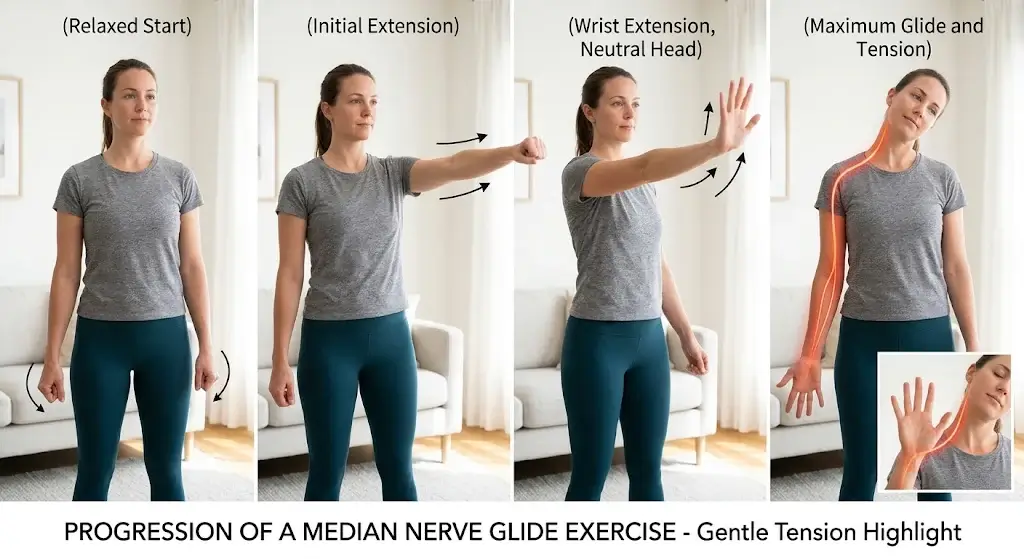
Exercise 1: Median Nerve Glide (For Hand and Wrist Tingling)
This is ideal for symptoms related to carpal tunnel syndrome or mild median nerve irritation in the forearm.
- Starting Position: Stand tall with your affected arm relaxed at your side. Make a gentle, relaxed fist.
- Step 1: Slowly straighten your fingers and extend your wrist backward, keeping your elbow straight.
- Step 2: Gently tilt your head away from the extended arm. You should feel a mild, painless pull along the inside of your arm and into your fingers.
- Step 3: Return your head to the center, then bend your wrist and elbow back to the starting position.
- Sets and Reps: Perform 10 repetitions, 2 to 3 times per day.
- Tempo: Slow and controlled (2 seconds out, 2 seconds back).
- Regression: If this causes tingling, keep your head completely neutral and only move the wrist and fingers.
- Progression: Add a gentle, sustained stretch at the end range for 3 seconds before returning to the start, or gently pull the thumb back with the other hand.
Exercise 2: Sciatic Nerve Floss (For Lower Back and Leg Tingling)
This targets the sciatic nerve, which is often irritated in cases of mild sciatica, herniated discs, or piriformis syndrome.
- Starting Position: Sit upright on a chair with your feet flat on the floor. Slump your neck and tuck your chin down toward your chest.
- Step 1: Slowly straighten the affected leg out in front of you while simultaneously lifting your head and looking up at the ceiling.
- Step 2: As you bend your knee to lower the leg back down to the floor, drop your chin back to your chest.
- Sets and Reps: Perform 10 to 15 repetitions, 2 times per day.
- Tempo: Rhythmic and smooth, like a seesaw motion. Do not hold the end position.
- Regression: Only straighten the leg halfway if full extension causes sharp pain or increased numbness. Keep the movement small.
- Progression: Add a gentle ankle dorsiflexion (pulling your toes toward your shin) when the leg is straight, or add a light 2 lb (0.9 kg) ankle weight to increase the neural glide tension.
Coach’s Tip: Nerve gliding should never cause sharp pain or a significant increase in tingling. The sensation should be a mild, tolerable pull or tension. If symptoms worsen during the exercise, stop immediately and reduce the range of motion. The goal is to mobilize the nerve, not stretch it aggressively.
Common Mistake: The most frequent error is treating nerve flossing like a traditional muscle stretch. Holding the end position for 30 seconds can actually compress and further irritate the nerve, worsening the symptoms. Keep the movements dynamic, rhythmic, and continuous.

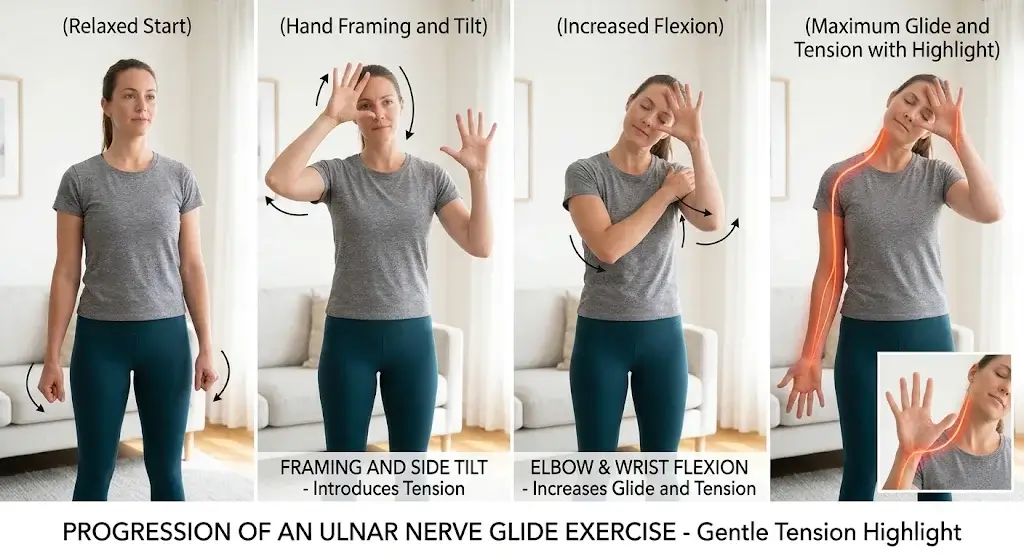
Exercise 3: Ulnar Nerve Glide (For Pinky and Ring Finger Numbness)
This targets the ulnar nerve, commonly compressed at the elbow (cubital tunnel syndrome).
- Starting Position: Stand tall. Bring your affected arm up, bending the elbow so your hand is near your ear, palm facing forward (like a waiter holding a tray).
- Step 1: Slowly straighten your elbow while simultaneously tilting your head away from the arm.
- Step 2: Form an “OK” sign with your thumb and index finger, and bring the remaining fingers down to touch your face, framing your eye (this specifically targets the ulnar nerve distribution).
- Sets and Reps: Perform 10 repetitions, 2 times per day.
- Tempo: Slow and controlled.
- Regression: Keep the head neutral and only move the arm to a comfortable angle.
- Progression: Gently use the opposite hand to pull the fingers back slightly at the end range.
3. Lifestyle and Recovery Habits
Healing does not just happen in the gym or the kitchen; a significant portion of the repair process happens when you rest.
- Prioritize Sleep: Deep, restorative sleep is when the body releases growth hormones that facilitate tissue repair and cellular regeneration. Understanding how sleep affects metabolism and recovery is crucial, as poor sleep elevates cortisol, which can actively hinder the healing process and increase systemic inflammation. Aim for 7 to 9 hours of quality, uninterrupted sleep per night in a cool, dark room.
- Stress Management and Nervous System Regulation: Chronic psychological stress keeps your autonomic nervous system in a prolonged “fight or flight” (sympathetic) state. This diverts vital resources away from repair and regeneration. Utilizing proven strategies for cortisol management and stress can create a physiological environment that heavily favors healing. Practices like diaphragmatic breathing (box breathing: inhale 4s, hold 4s, exhale 4s, hold 4s) stimulate the vagus nerve, shifting the body into the “rest and digest” (parasympathetic) state where healing occurs.
- Ergonomics and Avoiding Repetitive Strain: If a specific motion caused the nerve irritation (like prolonged typing, gripping tools, or repetitive lifting), you must modify your ergonomics. Ensure your keyboard is at elbow height, your wrists are neutral, and you take micro-breaks every 30 to 45 minutes to reset your posture, shake out your limbs, and perform a few gentle nerve glides.
- Hydration: Nerves are highly dependent on proper fluid and electrolyte balance to conduct electrical signals efficiently. Dehydration can make nerve symptoms feel more pronounced and sluggish. Aim for at least half your body weight in pounds (lb) of water (in ounces) daily, adjusting for activity level and climate.
Sample Weekly Nerve Recovery Schedule
Consistency is more important than intensity when it comes to nerve healing. Here is a practical weekly template to integrate these habits seamlessly into your life.
| Day | Morning Routine | Mid-Day Check-in | Evening Routine |
| Monday | 10x Median Nerve Glides + B12 Supplement | 5-min posture reset & hydration | 10x Sciatic Nerve Floss + Magnesium |
| Tuesday | 10x Ulnar Nerve Glides + ALA Supplement | 5-min posture reset & hydration | Light walk + Omega-3 rich dinner |
| Wednesday | 10x Median Nerve Glides + B12 Supplement | 5-min posture reset & hydration | 10x Sciatic Nerve Floss + 5-min box breathing |
| Thursday | 10x Ulnar Nerve Glides + ALA Supplement | 5-min posture reset & hydration | Light walk + Omega-3 rich dinner |
| Friday | 10x Median Nerve Glides + B12 Supplement | 5-min posture reset & hydration | 10x Sciatic Nerve Floss + Magnesium |
| Saturday | Active recovery: 20-min gentle walk | Hydration focus | Meal prep with nerve-supporting foods |
| Sunday | Rest and gentle full-body stretching | Hydration focus | Early bedtime for deep, restorative sleep |
Safety Notes and When to See a Doctor
While natural methods are highly effective for mild to moderate nerve irritation and compression, it is critical to know when to seek professional medical evaluation. Do not attempt to self-treat if you experience any of the following red flags:
- Sudden, severe weakness in a limb (e.g., foot drop, inability to lift the wrist, or inability to grip objects).
- Loss of bowel or bladder control, which can indicate a severe, life-altering spinal nerve compression known as cauda equina syndrome.
- Numbness that is rapidly spreading or ascending up your limbs.
- Nerve symptoms following a significant trauma, such as a deep cut, fracture, or joint dislocation.
- Symptoms that progressively worsen despite 4 to 6 weeks of consistent, conservative natural care.
A physician or physical therapist can perform nerve conduction studies (EMG) to determine the exact location, type, and severity of the damage.
Related ips for Nerve Health
- Footwear Matters: If you have lower extremity nerve issues, wear shoes with a wide toe box (at least 4 inches / 10 cm across at the widest point) and adequate cushioning. Tight shoes can compress the digital nerves in your feet, exacerbating conditions like Morton’s neuroma or peripheral neuropathy.
- Nutrient Timing: Pairing your nerve-supporting nutrients with meals can drastically improve absorption. For instance, taking fat-soluble nutrients alongside a meal containing healthy fats ensures you get the maximum benefit from the nutrients that support normal energy metabolism, ensuring optimal cellular function during repair.
- Temperature Therapy: For acute nerve irritation, ice can help numb sharp pain and reduce local inflammation. For chronic, dull aching or stiffness, gentle heat can improve blood flow to the area, bringing fresh oxygen and nutrients to the healing nerve. Always use a barrier (like a towel) to protect the skin, as numb areas are highly susceptible to burns or frostbite.
- The Role of Physical Therapy: Working with a licensed physical therapist can accelerate natural healing. They can perform manual therapy to release tight muscles compressing the nerve, provide customized nerve gliding protocols, and use modalities like TENS (Transcutaneous Electrical Nerve Stimulation) to manage pain while the nerve repairs itself.
Frequently Asked Questions (FAQ)
Q1: Can peripheral nerves heal on their own?
Yes, peripheral nerves can heal on their own if the nerve cell body is intact and the damage is not a complete severance. The peripheral nervous system has a natural capacity for regeneration, guided by Schwann cells, though the process is slow and requires optimal health, nutrition, and protected conditions.
Q2: How long does it take for a damaged nerve to heal naturally?
Nerves regenerate at an average rate of 1 millimeter per day, or about 1 inch (2.54 cm) per month. Therefore, healing time depends entirely on the distance the nerve must regrow to reach its target. A mild compression may resolve in weeks, while a lower leg injury could take many months to fully restore sensation.
Q3: What vitamins help repair nerve damage?
Vitamin B12 (especially methylcobalamin) is the most critical vitamin for repairing the myelin sheath and promoting nerve regeneration. B-complex vitamins, including B1 (benfotiamine) and B6, along with powerful antioxidants like Alpha-Lipoic Acid, also play vital, evidence-based roles in nerve health and symptom reduction.
Q4: Can exercise reverse nerve damage?
While exercise cannot “reverse” a completely severed nerve, targeted nerve gliding and flossing exercises can significantly improve symptoms of nerve compression. These specific movements improve local blood flow, reduce tissue adhesions, and encourage the nerve to glide freely, accelerating functional recovery.
Q5: Does nerve damage always require surgery?
No, surgery is typically only required for neurotmesis (complete nerve severance) or severe, unyielding compression that does not respond to months of conservative care. Many cases of neurapraxia and mild axonotmesis heal naturally with time, physical therapy, and dedicated nutritional support.
Q6: What foods promote nerve regeneration?
Foods rich in B vitamins (like eggs, lean meats, and leafy greens), omega-3 fatty acids (like wild-caught salmon and walnuts), and antioxidants (like berries and spinach) actively promote nerve regeneration. These foods reduce systemic inflammation and provide the essential molecular building blocks for nerve repair.
Q7: Can stress make nerve damage worse?
Yes, chronic stress keeps the body in a sympathetic “fight or flight” state, which increases systemic inflammation and diverts resources away from tissue repair. Managing stress through breathing exercises and adequate sleep is a critical component of natural nerve healing.
Conclusion
So, can damaged nerves heal naturally? The scientific and clinical evidence is clear: yes, the peripheral nervous system has a remarkable, built-in capacity for repair. However, this natural healing process is not entirely passive. It requires a proactive, dedicated approach from the individual. By combining patience with evidence-based strategies—such as consistent nerve gliding exercises, targeted nutrition like Vitamin B12 and Alpha-Lipoic Acid, and smart lifestyle habits—you can create the optimal internal environment for your nerves to regenerate. Remember to listen to your body, avoid aggressive stretching of irritated nerves, and consult a healthcare professional if your symptoms are severe, sudden, or worsening. With consistent, informed effort, you can support your body’s natural ability to heal and regain full, pain-free function.