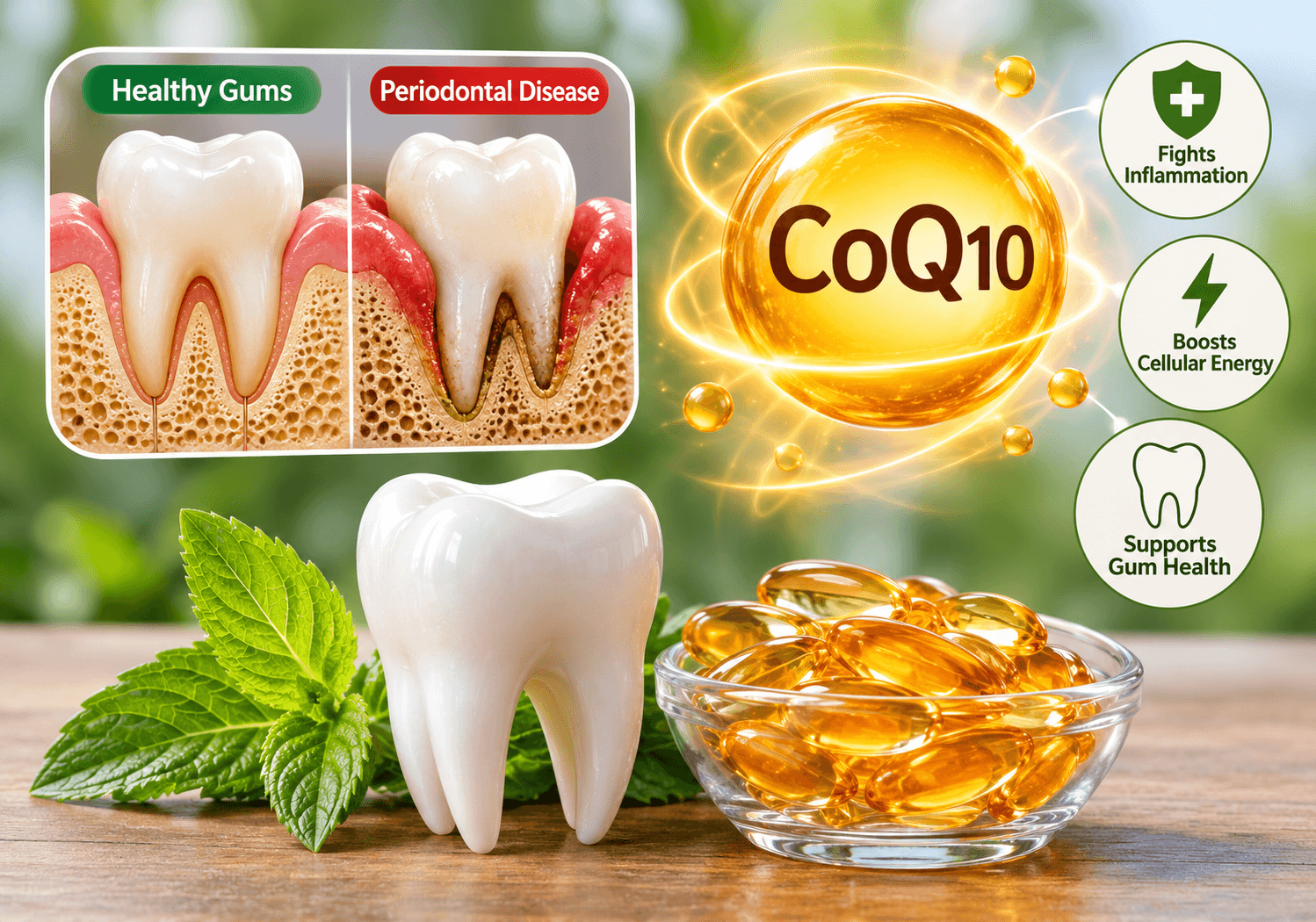
When you look at health optimization through the lens of cellular bioenergetics, the body operates as an interconnected web of energy-demanding systems. As a strength and conditioning coach, I spend a great deal of time analyzing how skeletal muscle tissue produces ATP, handles oxidative stress, and recovers from micro-trauma. Interestingly, oral tissues—specifically the gingiva and periodontal ligament—share identical metabolic demands. Chronic inflammation in the oral cavity places an extraordinary energetic burden on local cells, often depleting vital endogenous antioxidants. Exploring coq10 supplement benefits for periodontal disease reveals a fascinating intersection between cellular energy production, systemic inflammation reduction, and periodontal tissue regeneration.
Periodontal disease is far more than a localized dental nuisance; it is a chronic inflammatory condition characterized by the progressive destruction of the supporting structures of the teeth, including the alveolar bone and periodontal ligament. Standard dental interventions such as scaling and root planing focus heavily on mechanical plaque removal and bacterial reduction. However, healing ultimately depends on the host’s tissue repair capacity and local immune resilience. Coenzyme Q10 (CoQ10), a vital fat-soluble quinone synthesized naturally within the human body, plays a non-negotiable role in mitochondrial electron transport and cellular energy generation. By examining how targeted supplementation supports gingival health, practitioners and individuals alike can adopt a more holistic, evidence-based approach to long-term oral vitality.
Before making significant changes to your supplement regimen or attempting to manage chronic dental inflammation, always consult with your dentist, periodontist, or primary physician.
Quick Answer: CoQ10 supplements help periodontal disease by acting as a powerful mitochondrial antioxidant and energy booster within inflamed gingival tissues. Research shows that CoQ10 supplementation can reduce bleeding on probing, decrease periodontal pocket depths, lower oxidative stress markers in saliva, and accelerate tissue healing when combined with standard periodontal therapy. Typical oral dosages range from 50 mg to 150 mg daily.
1. The Physiology of Periodontal Disease and Cellular Energy
To understand why coq10 supplement benefits for periodontal disease are gaining traction in clinical research, we must first examine what happens inside the periodontium during disease progression. Periodontitis begins as gingivitis—an inflammatory response to microbial biofilms accumulating along the gingival margin. If left unchecked, this bacterial challenge triggers an immune response where host neutrophils and macrophages flood the tissue, releasing massive amounts of reactive oxygen species (ROS) and pro-inflammatory cytokines such as interleukin-1 beta (IL-1) and tumor necrosis factor-alpha (TNF-).
This oxidative burst is designed to destroy invading pathogens, but chronic activation results in collateral damage to host cells, including gingival fibroblasts and periodontal ligament cells. These specialized cells require high amounts of adenosine triphosphate (ATP) to maintain extracellular matrix integrity, synthesize collagen, and repair connective tissue attachments. When local oxidative stress outpaces antioxidant defenses, mitochondrial dysfunction ensues.
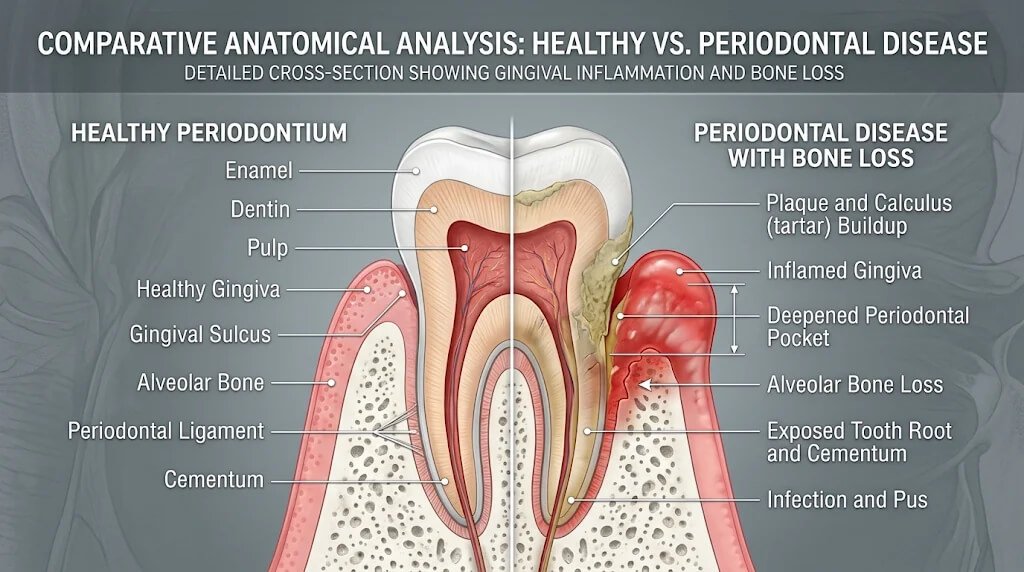
Cellular respiration falters, ATP production drops, and fibroblasts lose their ability to maintain structural collagen fibers. Consequently, connective tissue degrades, epithelial attachment migrates apically, and alveolar bone resorption accelerates. Supporting cellular bioenergetics through targeted antioxidant intervention helps break this destructive cycle by restoring mitochondrial efficiency and dampening local inflammation.
2. What Is Coenzyme Q10 and How Does It Work in Human Tissues?
Coenzyme Q10, also known as ubiquinone, is an endogenous, vitamin-like substance found in virtually all respiring eukaryotic cells, with the highest concentrations residing in organs and tissues with high energy requirements, such as the heart, kidneys, and skeletal muscles. Within the inner mitochondrial membrane, CoQ10 serves as an essential electron carrier in the electron transport chain, shuttling electrons from complexes I and II to complex III. This movement is a mandatory prerequisite for the oxidative phosphorylation process that generates ATP.
Beyond its bioenergetic role, CoQ10 functions as a potent intracellular lipid-soluble antioxidant. In its reduced form, known as ubiquinol, CoQ10 neutralizes free radicals directly and helps regenerate other essential antioxidants like vitamin E (alpha-tocopherol) and vitamin C. This antioxidant shielding is particularly critical in inflamed vascular and connective tissues, where lipid peroxidation can wreak havoc on cell membranes.
Research published in the National Institutes of Health highlights that endogenous CoQ10 synthesis peaks in early adulthood and gradually declines with advancing age, chronic illness, and high systemic stress. When local CoQ10 levels in the gingiva drop below optimal thresholds, gum tissues become exceptionally vulnerable to microbial toxins and oxidative injury.
3. Core CoQ10 Supplement Benefits for Periodontal Disease
Clinical studies investigating the therapeutic applications of CoQ10 in dentistry have uncovered several distinct physiological advantages for individuals suffering from gingivitis and periodontitis. While supplementation does not replace mechanical dental cleaning, it provides robust adjunctive support.
Reduction of Gingival Inflammation and Bleeding
Bleeding on probing (BOP) is a classic clinical indicator of active periodontal inflammation. Clinical trials evaluating topical and systemic CoQ10 administration have demonstrated significant reductions in BOP scores. By mitigating oxidative stress in the microvasculature of the gingiva, CoQ10 helps stabilize endothelial cell membranes and decreases vascular permeability, resulting in firmer, less hyperemic gum tissue.
Decreased Periodontal Pocket Depths
Deep periodontal pockets harbor anaerobic bacteria that perpetuate tissue destruction. Adjunctive CoQ10 therapy has been shown in various clinical evaluations to promote more favorable reductions in probing pocket depths following scaling and root planing procedures. Enhanced cellular energy allows periodontal fibroblasts to rapidly remodel extracellular matrix proteins and re-establish clinical attachment.
Lowering Oxidative Stress Biomarkers
Salivary and gingival crevicular fluid (GCF) analyses in patients with periodontitis consistently reveal elevated markers of oxidative damage and reduced total antioxidant capacity. Supplementing with CoQ10 significantly elevates local antioxidant defenses, normalizing GCF enzyme levels and reducing lipid peroxidation byproducts. You can explore complementary nutritional strategies for cellular vitality in our guide on which nutrients support normal energy metabolism.
4. Ubiquinone vs. Ubiquinol: Which Form Works Best for Gum Health?
When shopping for a CoQ10 supplement, consumers typically encounter two distinct chemical forms: ubiquinone and ubiquinol. Understanding the functional differences between these two molecules is essential for maximizing therapeutic efficacy.
| Feature | Ubiquinone (Oxidized Form) | Ubiquinol (Reduced Form) |
| Oxidation State | Oxidized; accepts electrons | Reduced; donates electrons |
| Bioavailability | Standard; requires enzymatic conversion | Enhanced; ready for immediate cellular uptake |
| Primary Role | Mitochondrial electron transport | Direct lipid-soluble antioxidant |
| Age Consideration | Well-utilized in younger populations | Highly efficient for adults over 40 |
| Cost Profile | More economical | Typically higher priced due to stabilization technology |
Ubiquinone is the traditional, stable oxidized form of CoQ10 found in most commercial supplements. Once ingested, the human body naturally converts ubiquinone into ubiquinol via specific reductase enzymes in the intestinal mucosa and liver. However, this conversion efficiency declines with age, chronic systemic inflammation, or oxidative stress.
For older adults or individuals dealing with advanced periodontal breakdown, taking the pre-reduced ubiquinol form often yields superior plasma concentrations and more rapid tissue saturation. For broader systemic health optimization, many practitioners pair mitochondrial support with essential micronutrients, as outlined in our review of which vitamins support metabolism when you’re deficient.
5. Clinical Research, Dosages, and Biomarkers of Periodontal Healing
Scientific inquiry into CoQ10 and periodontal health spans several decades. Early foundational studies by dental researchers noted that patients with periodontal disease frequently exhibited severe deficiencies of CoQ10 in their inflamed gingival tissues compared to healthy controls.
Clinical protocols generally divide administration methods into two categories: systemic supplementation (oral capsules) and local application (direct subgingival gel delivery or periodontal pocket irrigation).
- Systemic Oral Dosage: Typically ranges from 50 mg to 150 mg per day taken with a fat-containing meal to ensure optimal micellization and lymphatic absorption.
- Duration of Intervention: Most clinical trials observe measurable improvements in gingival index scores, plaque index scores, and attachment levels after 4 to 12 weeks of consistent daily use.
- Biochemical Markers Monitored: Researchers track superoxide dismutase (SOD) activity, malondialdehyde (MDA) levels in saliva, and probing pocket depth measurements in millimeters.
When evaluating cellular health across different physiological systems, maintaining adequate micronutrient status is paramount. Further insights into cellular support can be found in our detailed breakdown of what vitamins support metabolism when you have a deficiency.
6. Integrating CoQ10 Supplementation with Standard Periodontal Care
As a coach who emphasizes structured, multi-disciplinary habit building, I always remind clients that no single supplement can override poor foundational hygiene. CoQ10 supplementation is an accelerator and a protective shield, not a standalone cure for periodontal disease. To achieve optimal clinical outcomes, supplementation must be integrated into a rigorous oral hygiene framework.
Step-by-Step Integration Protocol
- Mechanical Debridement First: Schedule professional scaling and root planing with your dental hygienist or periodontist to eliminate subgingival calculus and bacterial biofilm.
- Daily Hygiene Mastery: Commit to strict mechanical plaque control, brushing twice daily with a soft-bristled or sonic toothbrush and utilizing interdental brushes or water flossers daily.
- Strategic Supplementation: Introduce a high-quality CoQ10 or ubiquinol supplement (50–100 mg daily) taken alongside a meal containing healthy dietary fats to enhance bioavailability.
- Topical Adjuncts (If Recommended): In consultation with your periodontist, explore topical CoQ10 gels or oral rinses designed for direct gingival application.
- Re-Evaluation: Return for periodontal re-evaluation at 6 to 12 weeks to measure pocket depth reductions and bleeding index improvements.
Coach’s Tip: CoQ10 is a fat-soluble molecule. Never take your CoQ10 supplement on an empty stomach with just water, as absorption rates plummet drastically. Always pair your capsule with a meal containing healthy fats such as avocado, olive oil, eggs, or nuts.
7. Dietary Synergies, Lifestyle Factors, and Systemic Inflammation
Periodontal health is deeply intertwined with systemic health and lifestyle habits. Chronic psychological stress, smoking, poor sleep hygiene, and nutrient-deficient diets all elevate systemic inflammatory markers like C-reactive protein (CRP), which in turn exacerbates periodontal tissue destruction.
Dietary patterns rich in omega-3 fatty acids, polyphenols, and fat-soluble antioxidants create an internal biochemical environment that supports tissue repair. For example, incorporating healthy fats and anti-inflammatory nutrients helps modulate the arachidonic acid cascade, lowering the production of inflammatory prostaglandins in the gums. To understand how systemic inflammation intersects with metabolic health, review our guide on omega-3 fatty acids for skin hydration and inflammation.
Furthermore, cellular energy preservation relies heavily on mitochondrial integrity. Protecting mitochondria from excessive oxidative stress requires minimizing exposure to environmental toxins, managing chronic cortisol spikes, and ensuring adequate daily hydration.
8. Safety, Potential Side Effects, and Drug Interactions
Coenzyme Q10 is exceptionally well-tolerated by the vast majority of individuals, with a robust safety profile established across numerous clinical trials involving high daily dosages. When minor side effects do occur, they are typically mild and gastrointestinal in nature, including upper abdominal discomfort, nausea, loss of appetite, or mild diarrhea, especially when doses exceed 200 mg per day.
However, certain pharmacological interactions warrant caution:
- Warfarin (Coumadin): CoQ10 shares a structural similarity to vitamin K and has been observed in some cases to decrease the anticoagulant efficacy of warfarin, potentially increasing thrombosis risk. Regular INR monitoring is essential.
- Blood Pressure Medications: Because CoQ10 can exert mild hypotensive effects, individuals taking antihypertensive drugs should monitor their blood pressure closely to avoid additive blood pressure drops.
- Chemotherapy Agents: Some oncologists advise against high-dose antioxidants during active cytotoxic chemotherapy or radiation therapy, as they may theoretically protect cancer cells from oxidative therapy. Always coordinate with your medical oncologist.
9. Frequently Asked Questions
How does CoQ10 help gum disease?
CoQ10 acts as a potent mitochondrial antioxidant and energy carrier in gingival tissues. By neutralizing reactive oxygen species and boosting ATP production in periodontal fibroblasts, CoQ10 reduces local oxidative stress, lowers inflammation, and accelerates the repair of connective tissue attachments.
What is the best CoQ10 dosage for periodontal health?
Clinical studies on periodontal health typically utilize daily oral doses ranging from 50 mg to 150 mg of CoQ10 (or ubiquinol). It is best taken with a fat-containing meal to maximize absorption. Always consult your dentist or physician for personalized dosing.
Can CoQ10 supplements reverse gum recession?
CoQ10 cannot regenerate lost alveolar bone or fully reverse advanced, long-standing gingival recession on its own. However, it can significantly reduce active inflammation, stop ongoing tissue destruction, and support healthy healing following professional periodontal treatments.
How long does it take for CoQ10 to improve gum health?
Most clinical evaluations observe measurable improvements in bleeding on probing, gingival index scores, and pocket depth reductions after 4 to 12 weeks of consistent daily supplementation combined with professional dental cleanings.
Is ubiquinol better than ubiquinone for periodontal disease?
Ubiquinol is the active, reduced form of CoQ10 that requires no enzymatic conversion in the body. While both forms are effective, ubiquinol offers superior bioavailability, making it particularly beneficial for older adults or individuals with impaired metabolic conversion pathways.
Can you take CoQ10 alongside standard periodontal therapy?
Yes. CoQ10 is most effective when used as an adjunctive therapy alongside professional scaling, root planing, and meticulous daily home care. It enhances the body’s natural tissue healing capacity following standard dental interventions.
10. Conclusion
Navigating periodontal health requires a comprehensive strategy that bridges meticulous daily dental hygiene, professional periodontal care, and targeted cellular support. Understanding coq10 supplement benefits for periodontal disease opens up an exciting avenue for individuals looking to fortify their oral tissues from the inside out. By supporting mitochondrial bioenergetics, dampening destructive oxidative stress, and reducing inflammatory markers in the gingival sulcus, CoQ10 serves as a valuable ally in preserving a strong, resilient smile. Remember to consult your healthcare provider or periodontist before starting any new supplement regimen to ensure it aligns safely with your overall health profile.