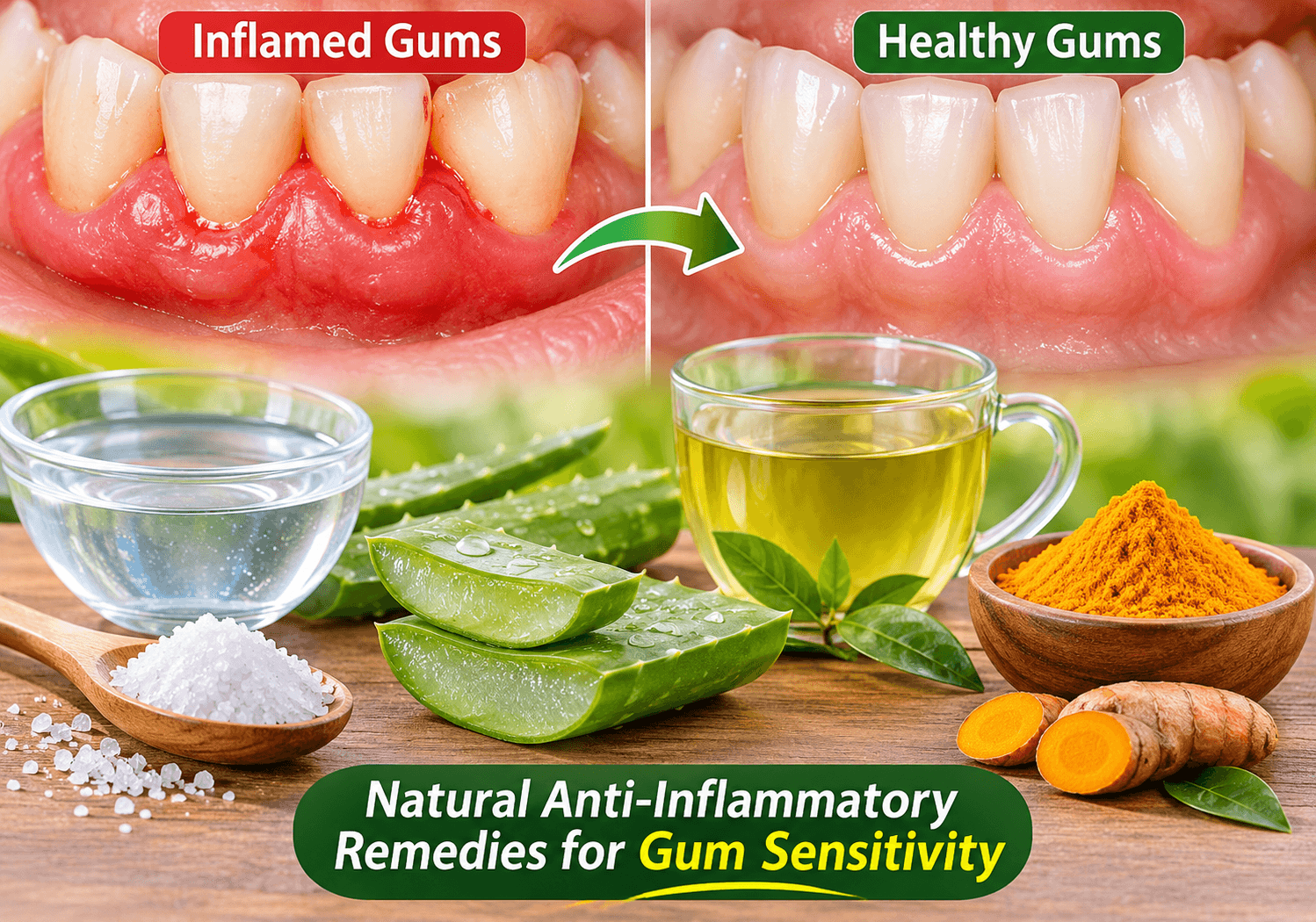
Tender, swollen, or bleeding gums are your body’s way of signaling localized inflammation. Just like a strained muscle after a tough workout, your gingival tissue needs the right care to recover. Finding effective natural anti-inflammatory remedies for gum sensitivity can transform your daily comfort, protect your teeth, and support your overall systemic health.
As a health and conditioning coach, I view oral health as a direct extension of your whole-body wellness. Chronic inflammation in the mouth does not stay in the mouth. It can affect your metabolic health, energy levels, and recovery. The good news is that you do not always need harsh chemicals to find relief. By combining targeted nutrients, gentle topical treatments, and smart daily habits, you can calm irritated gums and build a resilient oral environment.
This guide breaks down the most effective, science-backed natural strategies to soothe your gums. We will cover exactly what to use, how to apply it, and the common mistakes that keep your gums from healing.
Quick Answer
How do you treat sensitive, inflamed gums naturally? Start with a warm salt water rinse (1/2 teaspoon in 8 oz of water) swished for 30 seconds, twice daily. Support this topically with 100% pure aloe vera gel and systemically with 1,000–2,000 mg of omega-3 fatty acids and 500 mg of vitamin C daily. Consistency over 2 to 4 weeks yields the best results.
Understanding Gum Sensitivity and Systemic Inflammation
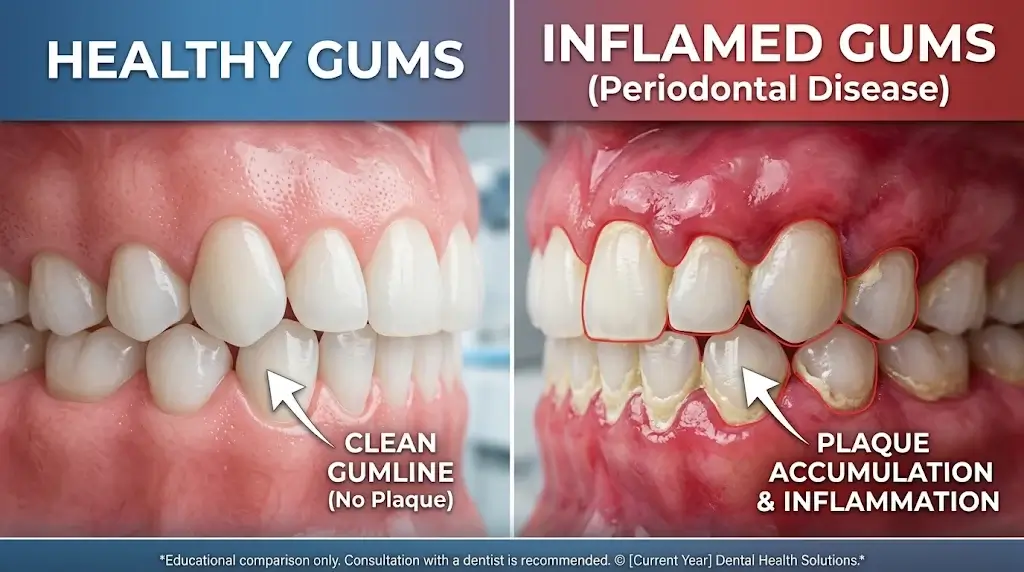
Gum sensitivity usually stems from gingivitis, the earliest stage of gum disease. It occurs when plaque—a sticky film of bacteria—builds up along the gumline. Your immune system responds by sending inflammatory cells to the area, causing redness, swelling, and tenderness.
However, oral inflammation is rarely an isolated event. Research shows a strong bidirectional link between periodontal health and systemic inflammation. When your body is already fighting high levels of inflammation from poor diet, lack of sleep, or chronic stress, your gums are more vulnerable to irritation.
By addressing gum sensitivity with natural anti-inflammatory remedies for gum sensitivity, you are not just treating a local symptom. You are supporting your body’s broader inflammatory response. Think of your oral care routine like a recovery protocol for your muscles: it requires the right inputs, consistent application, and time to heal.
Top Natural Anti-Inflammatory Remedies for Gum Sensitivity
Below are 10 evidence-based, natural strategies to calm gum inflammation. Each includes a practical “how-to” protocol, much like a set and rep scheme for your fitness routine.
1. Warm Salt Water Rinse (The Foundational Protocol)
What it is: A simple, hypertonic saline solution that draws out excess fluid from inflamed tissues and creates a hostile environment for harmful bacteria. How to use it: Dissolve 1/2 teaspoon of sea salt or Himalayan pink salt into 8 ounces (240 ml) of warm (not hot) water. Swish vigorously around your mouth for 30 seconds, focusing on the gumline. Spit it out. Repeat 2 to 3 times per day, especially after meals. Why it works: The National Institutes of Health (NIH) notes that saline rinses help reduce edema (swelling) and promote a neutral pH in the mouth, accelerating the healing of soft tissue. Coach’s Tip: Do not use hot water, as it can further irritate sensitive nerve endings in the gums. Warm is soothing; hot is damaging.
2. Omega-3 Fatty Acids (Systemic Inflammation Control)
What it is: Essential fats, specifically EPA and DHA, found in fatty fish and high-quality fish oil supplements. How to use it: Aim for 1,000 to 2,000 mg of combined EPA and DHA daily. You can get this from two servings of wild-caught salmon per week or a daily high-quality supplement taken with a meal containing fat for better absorption. Why it works: Omega-3s are potent resolvins, meaning they actively help resolve inflammation rather than just blocking it. Studies published in the Journal of the American Dental Association show that higher dietary intake of omega-3s is linked to a lower prevalence of periodontal disease. For more on how these fats work, see how omega-3 fatty acids reduce inflammation systemically. Common Mistake: Taking a low-dose supplement that contains mostly filler oils. Always check the label for the actual EPA/DHA content, not just the total “fish oil” amount.
3. Vitamin C (Collagen Support)
What it is: A crucial water-soluble vitamin required for the synthesis of collagen, the main structural protein in your gums. How to use it: Consume 500 mg to 1,000 mg of vitamin C daily. Food sources are best: 1 cup of strawberries, 1 medium orange, or 1 cup of bell peppers. If using a supplement, choose a buffered form (like sodium ascorbate) to avoid stomach upset. Why it works: The Mayo Clinic emphasizes that vitamin C deficiency directly leads to weakened connective tissue, making gums prone to bleeding and slow healing. Adequate intake strengthens the gingival barrier against bacterial invasion. Coach’s Tip: If you brush your teeth immediately after eating acidic, vitamin C-rich fruits, wait 30 minutes. Brushing right away can brush away softened enamel.
4. Green Tea Extract or Brew (Antioxidant Powerhouse)
What it is: A beverage or supplement rich in catechins, particularly epigallocatechin gallate (EGCG), a powerful natural antioxidant. How to use it: Drink 1 to 2 cups of unsweetened, freshly brewed green tea daily. Alternatively, you can use a standardized green tea extract supplement (250–500 mg) with breakfast. Why it works: Research in the Journal of Periodontology indicates that the antioxidants in green tea reduce the production of inflammatory cytokines in the gums and decrease the depth of periodontal pockets. Just as green tea extract offers systemic benefits for metabolism, it actively calms oral inflammation. Common Mistake: Adding sugar or honey to green tea. Sugar feeds the exact bacteria you are trying to starve, canceling out the anti-inflammatory benefits.
5. Aloe Vera Gel (Topical Soothing)
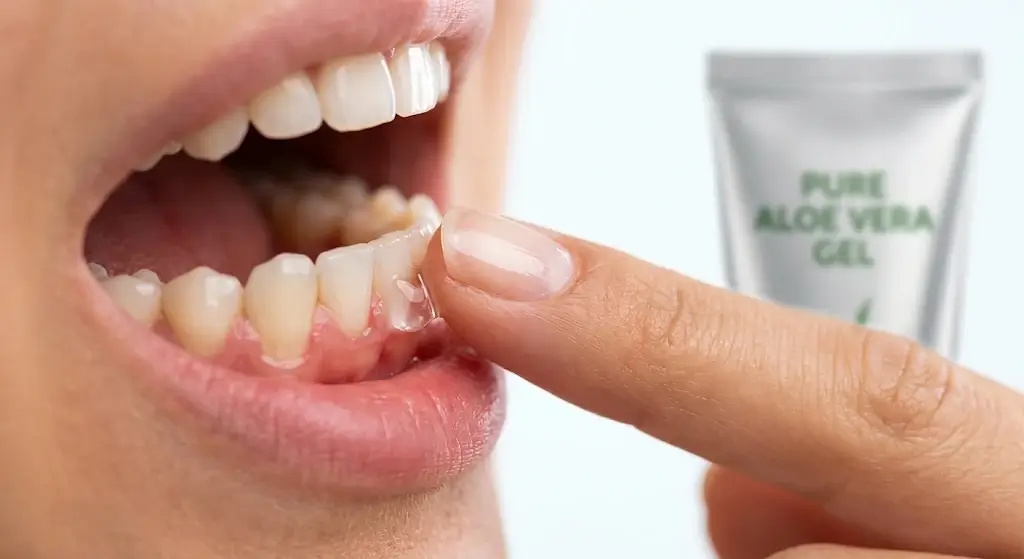
What it is: A clear, viscous gel derived from the aloe plant, known for its cooling and tissue-repairing properties. How to use it: Use 100% pure, food-grade aloe vera gel (ensure it contains no added alcohol, sugar, or artificial colors). Apply a small amount directly to the inflamed gums with a clean finger or cotton swab. Leave it on for 2 to 3 minutes, then rinse gently with water. Do this twice daily. Why it works: A clinical trial documented by the NIH found that aloe vera gel was as effective as chlorhexidine (a common prescription mouthwash) in reducing plaque and gingivitis scores, without the risk of tooth staining. Coach’s Tip: Store your aloe vera gel in the refrigerator. The added cold temperature provides immediate vasoconstriction, which numbs pain and reduces swelling faster.
6. Oral Probiotics (Microbiome Balance)
What it is: Beneficial bacteria strains, specifically Lactobacillus reuteri and Lactobacillus brevis, designed to colonize the mouth. How to use it: Use a probiotic lozenge or chewable tablet specifically formulated for oral health. Dissolve one lozenge in your mouth slowly after brushing your teeth at night. Do not eat or drink for 30 minutes afterward. Why it works: Your mouth has its own microbiome. When bad bacteria dominate, inflammation follows. Probiotics support a balanced microbiome by outcompeting pathogenic bacteria and reducing the inflammatory response in gingival tissues. Common Mistake: Swallowing the lozenge like a regular pill. It must dissolve in the mouth to seed the oral cavity with beneficial bacteria.
7. Coenzyme Q10 (Cellular Energy for Gums)
What it is: A naturally occurring antioxidant that helps generate energy in your cells. How to use it: Take 100 to 200 mg of ubiquinol (the active, more absorbable form of CoQ10) daily with a meal containing fat. Why it works: Inflamed gum tissue has been shown to have lower levels of CoQ10. Supplementing helps restore cellular energy, allowing the gum tissue to repair itself more efficiently. Ensuring you have essential nutrients support cellular energy is vital for both muscle recovery and gum healing. Coach’s Tip: If you are taking a statin medication, talk to your doctor before starting CoQ10, as statins can deplete natural CoQ10 levels.
8. Turmeric (Curcumin) Paste (Potent Anti-Inflammatory)
What it is: A bright yellow spice whose active compound, curcumin, is one of the most studied natural anti-inflammatories in the world. How to use it: Mix 1/4 teaspoon of organic turmeric powder with a few drops of water or coconut oil to form a thick paste. Apply it to the gums with a soft toothbrush or finger. Leave it for 2 minutes, then rinse thoroughly. Use once daily. Why it works: Curcumin inhibits the COX-2 and LOX enzymes, which are responsible for triggering inflammation. A study in the Journal of Indian Society of Periodontology confirmed that turmeric gel significantly reduced plaque and gingival inflammation. Pairing this with other potent antioxidants combat oxidative stress creates a strong defense. Common Mistake: Using regular turmeric without a fat source. Curcumin is fat-soluble. Mixing it with coconut oil dramatically increases its absorption and effectiveness. Note: It will temporarily stain your teeth yellow, but this brushes off easily.
9. Xylitol Products (Bacteria Reduction)
What it is: A natural sugar alcohol found in many fruits and vegetables, used as a sweetener. How to use it: Chew xylitol-sweetened gum or suck on xylitol mints after meals. Aim for a total of 5 to 6 grams of xylitol per day, spread across 3 to 5 exposures. Why it works: Harmful oral bacteria (like Streptococcus mutans) cannot metabolize xylitol. When they consume it, they starve and die off, reducing the overall bacterial load and the subsequent inflammatory response. Coach’s Tip: Check the ingredient label. Xylitol must be the first ingredient to ensure you are getting a therapeutic dose.
10. Clove Oil (Targeted Temporary Relief)
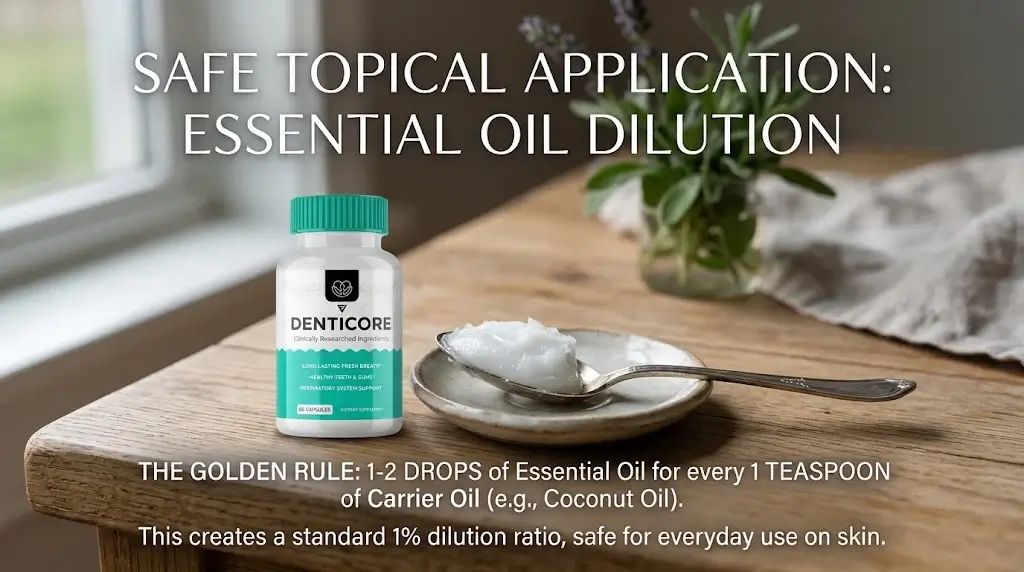
What it is: An essential oil derived from clove buds, containing eugenol, a natural anesthetic and antiseptic. How to use it: Never apply undiluted. Mix 1 drop of pure clove essential oil with 1 teaspoon of a carrier oil (like olive or coconut oil). Dip a cotton swab in the mixture and dab it directly onto the most sensitive area of the gum for 30 seconds. Rinse. Use only as needed for acute flare-ups. Why it works: Eugenol has been used in dentistry for over a century to numb pain and reduce localized inflammation quickly. Common Mistake: Using too much or applying it undiluted. Pure clove oil can cause a chemical burn on the delicate gum tissue, making the sensitivity much worse.
Your Daily “Oral Fitness” Routine
Just as you would not expect to build muscle by lifting weights once a month, you cannot heal gum sensitivity with sporadic effort. You need a consistent, daily protocol. Follow this step-by-step routine:
- Morning (2 minutes): Brush gently with a soft-bristled toothbrush and fluoride or hydroxyapatite toothpaste. Use small, circular motions at a 45-degree angle to the gumline. Do not scrub horizontally.
- Post-Breakfast (1 minute): Chew a piece of xylitol gum for 5 minutes to neutralize acids and stimulate protective saliva flow.
- Evening (3 minutes): Floss carefully to remove interdental plaque. Follow with your warm salt water rinse (30 seconds).
- Before Bed (2 minutes): Apply your chosen topical treatment (aloe vera or diluted turmeric) to the gumline. Dissolve an oral probiotic lozenge.
Regression (If your gums are highly painful): Switch to an ultra-soft or post-surgical toothbrush. Use only the salt water rinse and aloe vera for the first 3 days until the acute tenderness subsides, then gradually reintroduce brushing. Progression (For maintenance): Add a water flosser on a low setting to deeply clean periodontal pockets without the friction of string floss.
Foods and Habits That Worsen Gum Sensitivity
You cannot out-supplement a bad diet. If you are using natural anti-inflammatory remedies for gum sensitivity, you must also remove the triggers that cause the inflammation in the first place. Avoid or strictly limit the following:
- Refined Sugars and Simple Carbs: Candy, soda, and white bread break down into simple sugars in the mouth, providing an immediate food source for inflammatory bacteria.
- Highly Acidic Foods and Drinks: Citrus juices, sports drinks, and vinegar can erode enamel and irritate exposed, sensitive gum tissue. If you consume them, rinse with water immediately afterward.
- Crunchy, Sharp Foods: Hard tortilla chips or crusty bread can physically lacerate swollen gums, introducing more bacteria into the wound.
- Smoking and Vaping: Nicotine constricts blood vessels in the gums, masking the signs of inflammation (like bleeding) while severely impairing the tissue’s ability to heal and fight infection.
Focusing on boosting metabolic flexibility through a whole-food diet naturally reduces the sugar cravings that drive poor oral health.
When to See a Professional (Safety Notes)
Natural remedies are highly effective for mild to moderate gingivitis and general sensitivity. However, they are not a substitute for professional dental care. You should schedule an appointment with a dentist or periodontist if you experience:
- Gums that bleed heavily or consistently for more than two weeks despite improved hygiene.
- Visible recession (teeth looking longer) or loose teeth.
- Persistent bad breath (halitosis) that does not improve with brushing and flossing.
- Pus between your teeth and gums, or a foul taste in your mouth.
- Severe, throbbing pain that disrupts your sleep.
These are signs of advanced periodontitis, which requires professional scaling, root planing, or medical intervention to prevent permanent bone and tooth loss. Always inform your dentist about any supplements you are taking, as some (like high-dose vitamin E or fish oil) can mildly increase bleeding risk during dental procedures.
Frequently Asked Questions (FAQ)
How long does it take for natural remedies to heal inflamed gums? With consistent daily application of remedies like salt water rinses and improved brushing, you should notice a reduction in swelling and bleeding within 7 to 14 days. Complete tissue healing may take 3 to 4 weeks.
Can I use hydrogen peroxide instead of a salt water rinse? While diluted hydrogen peroxide (1.5%) can kill bacteria, frequent use can damage healthy gum tissue and disrupt the oral microbiome. Warm salt water is gentler, safer for daily use, and equally effective for reducing swelling.
Does brushing harder clean sensitive gums better? No. Brushing harder is one of the most common causes of gum recession and sensitivity. Always use a soft-bristled brush and gentle, circular motions. Let the bristles do the work, not force.
Are there specific vitamins that stop gums from bleeding? Yes. Vitamin C is essential for collagen production, which strengthens gum tissue. Vitamin K2 also plays a role in proper calcium utilization and tissue health. Correcting a deficiency in these areas often stops minor bleeding.
Can stress cause gum sensitivity? Yes. Chronic stress elevates cortisol levels, which suppresses the immune system and increases systemic inflammation. This makes your gums more vulnerable to bacterial plaque and slower to heal.
Is it safe to use clove oil every day? No. Clove oil is potent and should only be used as a short-term, targeted remedy for acute pain. Daily use can irritate the mucous membranes and cause tissue damage. Stick to gentler daily options like aloe vera or xylitol.
Conclusion
Dealing with tender, swollen gums is uncomfortable, but it is highly manageable. By implementing these natural anti-inflammatory remedies for gum sensitivity, you address the root cause of the irritation rather than just masking the symptoms. Start with the foundational warm salt water rinse, support your body with omega-3s and vitamin C, and maintain a gentle, consistent oral hygiene routine.
Remember that your mouth is the gateway to your overall health. Protecting your gums is an investment in your long-term wellness, energy, and vitality. Be patient, stay consistent, and your tissues will respond.