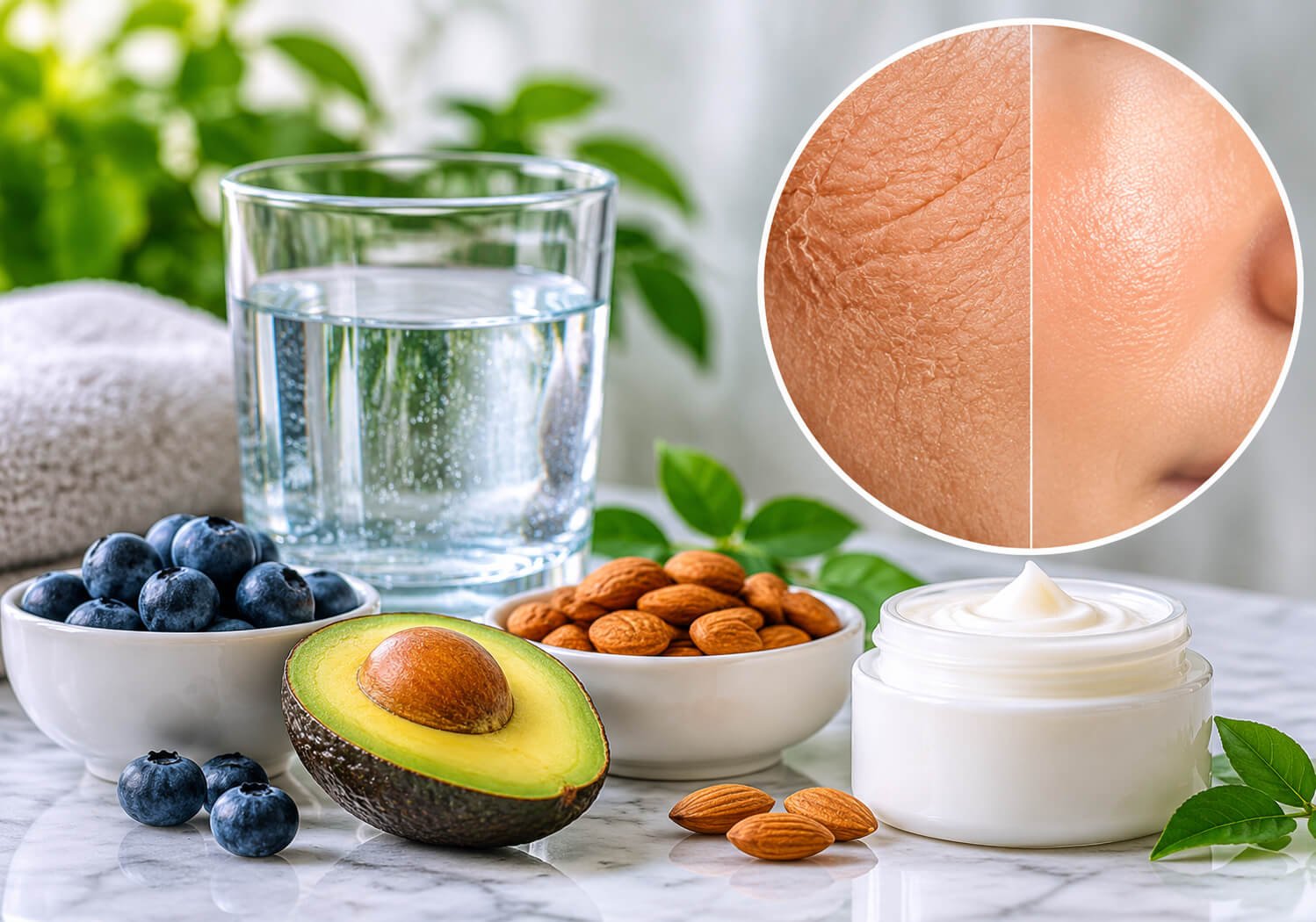
As a strength and conditioning coach, I spend my days teaching clients how to build resilient, powerful bodies that handle life with ease. But physical resilience goes far beyond muscle strength and bone density. Your skin is your body’s largest organ, and learning how to hydrate aging skin is one of the most effective ways to maintain overall vitality, comfort, and confidence as the years add up. Over the decades, natural changes in oil production, cellular turnover, and structural proteins alter how your skin holds onto water.
If you have noticed that your usual lotions no longer cut it, or that your face feels tight and flaky by midday, you are not alone. Aging skin requires a strategic, multi-layered approach that combines targeted topical care, smart internal nutrition, and regular movement to boost circulation. In this comprehensive guide, we will break down the exact science of why skin dries out with age and give you a practical, actionable blueprint to restore deep, lasting moisture from the inside out.
Quick Answer: To effectively hydrate aging skin, combine a three-step topical routine—using a gentle cleanser, a humectant like hyaluronic acid on damp skin, and a ceramide-rich occlusive cream—with adequate daily water intake, omega-3 fatty acids, and regular cardiovascular exercise to enhance dermal blood flow and natural barrier repair.
1. Understanding Aging Skin and Moisture Loss
To fix dry skin, you first need to understand what is happening beneath the surface. As we age, the physiological machinery that keeps our skin plump and dewy slows down significantly. The outermost layer of your skin, known as the stratum corneum, undergoes structural shifts that reduce its capacity to retain water.
Natural Moisturizing Factors (NMFs)—a complex mix of amino acids, lactic acid, and sugars produced naturally by your skin cells—decrease in concentration over time. At the same time, your sebaceous glands produce less sebum, the natural oil that acts as an umbrella over your skin to lock moisture in. Without these internal defenses, water escapes more rapidly into the surrounding air.
This decline is further accelerated by hormonal shifts, particularly during and after perimenopause and menopause, when estrogen levels drop sharply. Estrogen plays a direct role in stimulating oil production, collagen synthesis, and acid mucopolysaccharide production in the dermis. When estrogen wanes, skin thickness drops by as much as 30% in the first five years following menopause, according to research cited by the Harvard Health Publishing. Recognizing these shifts helps you target the root causes rather than just masking surface flakes with heavy creams.
2. The Role of Transepidermal Water Loss (TEWL) and How to Stop It
Transepidermal Water Loss, or TEWL, is the medical term for water passing passively from the inside of the body through the epidermal layer to the atmosphere. In youthful skin, a tight matrix of intercellular lipids—composed of ceramides, cholesterol, and free fatty acids—acts like mortar between bricks, sealing water inside. In mature skin, this lipid mortar degrades, causing TEWL to spike.
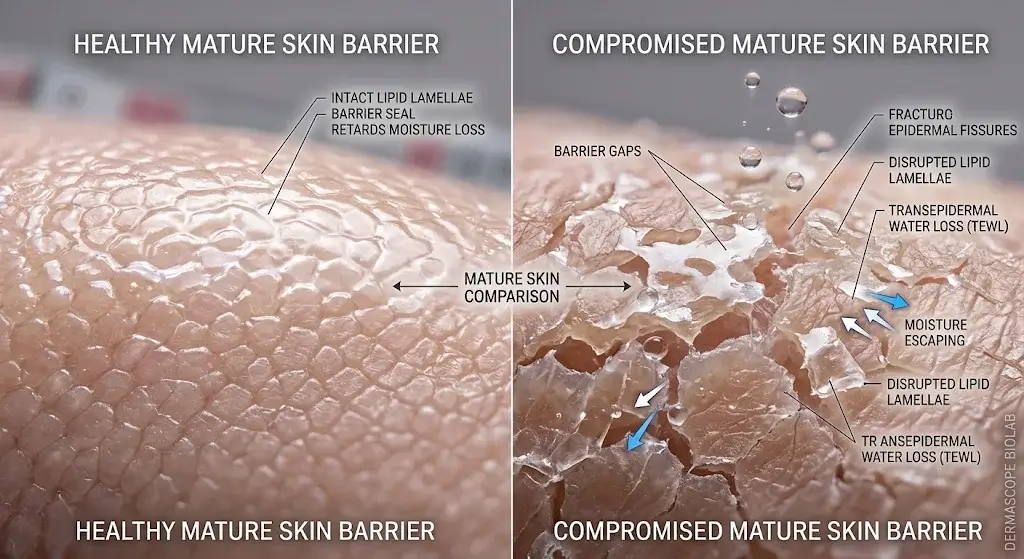
When your skin barrier is compromised, environmental stressors like dry indoor heating, cold wind, and harsh detergents strip away remaining lipids. To stop TEWL, you cannot just add water; you must trap it. This requires understanding the three pillars of topical hydration:
- Humectants: Ingredients like glycerin, hyaluronic acid, and urea that draw water molecules from the air and deeper skin layers into the surface.
- Emollients: Ingredients like squalane and fatty alcohols that smooth rough skin cells by filling in microscopic gaps.
- Occlusives: Heavy hitters like ceramides, petrolatum, and shea butter that form a protective physical seal over the skin, halting TEWL in its tracks.
3. Internal Hydration and Dietary Foundations
Topical creams are essential, but true skin health is a systemic reflection of what you put into your body. While drinking eight glasses of water a day will not instantly cure dry skin if your lipid barrier is broken, chronic dehydration reduces blood volume and impairs overall tissue turgor.
Beyond plain water, your skin cells need specific nutritional building blocks to manufacture their own internal moisture. Essential fatty acids, particularly omega-3s, are incorporated directly into cell membranes throughout the epidermis, helping maintain cellular flexibility and reducing inflammatory pathways that dry out tissue. You can explore more about this connection in our detailed guide on omega-3 fatty acids skin hydration and inflammation.
Antioxidants also play a critical protective role by shielding skin lipids from oxidative damage caused by UV rays and pollution. Incorporating targeted nutritional compounds like astaxanthin supplement skin glow anti aging can support skin elasticity and moisture retention. Furthermore, supporting your structural proteins with discover the best time to take collagen powder for skin absorption learn the science optimal dosing and how to pair it with vitamin c for maximum results helps reinforce the dermal matrix that holds water. If you are wondering about timelines, learning how long for collagen supplements to work on skin typically reveals visible improvements in skin hydration and firmness within 8 to 12 weeks of consistent daily intake.
4. The Exercise Connection: How Movement Boosts Skin Hydration
As a coach, I always remind clients that exercise is the ultimate anti-aging tool. While most people associate workouts with muscle tone and cardiovascular fitness, physical activity triggers powerful physiological responses that directly benefit aging skin.
When you elevate your heart rate through brisk walking, cycling, or strength training, your cardiovascular system pumps oxygen-rich blood throughout your body. This surge in microcirculation delivers vital nutrients and water directly to dermal cells while carrying away metabolic waste products. Enhanced blood flow also stimulates fibroblasts—the specialized cells responsible for producing collagen and elastin—helping maintain the structural scaffolding that keeps skin plump.

Furthermore, moderate sweating acts as a natural flushing mechanism for the pores, and sweat itself contains natural moisturizing factors like urea and lactic acid. However, leaving sweat on the skin too long can cause irritation, so always cleanse gently post-workout. To learn more about integrating sustainable movement into your routine, read our guide on how to support metabolism naturally for weight management a complete guide.
5. Topical Skincare Routine for Mature Skin
Building an effective daily skincare routine does not require a dozen expensive bottles. In fact, layering too many active ingredients can irritate mature skin and worsen dryness. A streamlined, evidence-based routine focuses on gentle cleansing, strategic hydration sealing, and daily sun protection.
| Step | Product Type | Key Active Ingredients | Purpose |
| 1. Cleanse | Cream or Milk Cleanser | Ceramides, Glycerin | Removes impurities without stripping natural facial oils. |
| 2. Hydrate | Hydrating Serum | Hyaluronic Acid, Panthenol | Pulls moisture into the epidermis while skin is damp. |
| 3. Nourish | Barrier Cream | Niacinamide, Squalane, Peptides | Repairs cellular communication and calms micro-inflammation. |
| 4. Seal / Protect | Rich Moisturizer (AM/PM) / SPF | Ceramides, Zinc Oxide (AM) | Locks in hydration and blocks UV-induced moisture depletion. |
Apply these products in order of ascending thickness, making sure to press your hyaluronic acid serum onto skin that is still slightly damp from washing. This ensures the humectant binds water from the environment rather than pulling it from deeper skin layers.
6. Lifestyle Factors: Sleep, Stress, and Hormones
Your skin’s hydration status is intimately connected to your central nervous system and daily recovery habits. When you experience chronic stress, your adrenal glands flood your bloodstream with cortisol. Elevated cortisol breaks down hyaluronic acid and collagen in the skin while impairing barrier recovery, leading directly to parched, fragile tissue.
Sleep is equally critical. During deep sleep stages, human growth hormone (HGH) levels peak, and skin cell mitotic division increases dramatically. Blood flow to the skin increases by up to 200%, allowing the epidermis to repair micro-damage and replenish moisture stores. Poor sleep disrupts this restorative window, reducing skin elasticity and increasing water loss. To understand how sleep rhythms impact your systemic health, review our insights on how does sleep affect metabolism and weight management the hormonal connection.
For women navigating midlife transitions, understanding hormonal shifts is paramount. Adopting holistic habits outlined in how to increase metabolism naturally after 40 a coachs practical guide can help stabilize overall vitality and support skin resilience during hormonal fluctuations.
7. Common Skincare Mistakes to Avoid
Even with the best products, certain daily habits can sabotage your efforts to hydrate aging skin. Avoiding these pitfalls will protect your hard-earned moisture barrier and prevent chronic irritation.
Common Mistake: Taking long, steaming hot showers. While hot water feels relaxing, temperatures above 110°F [43°C] strip away your skin’s remaining natural sebum and ceramides, causing immediate TEWL and flaking. Keep showers lukewarm and limit them to 10 minutes maximum.
Another frequent error is over-exfoliating. Many people believe that scrubbing away flaky, dead skin will reveal a dewy glow. In mature skin, physical scrubs with walnut shells or harsh chemical peels can create microscopic tears in the epidermal barrier, worsening dehydration. Instead, opt for gentle, low-percentage polyhydroxy acids (PHAs) like gluconolactone, which hydrate while gently loosening dead cells.
Coach’s Tip: Apply your facial moisturizer within 60 seconds of stepping out of the shower or washing your face. This “window of hydration” captures ambient moisture before evaporation sets in, doubling the efficacy of your creams.
8. Step-by-Step Daily Skin Hydration Protocol
Consistency is the secret sauce in skincare, just as it is in strength training. Here is a step-by-step daily protocol designed to optimize moisture retention for mature skin.
- Morning Gentle Cleansing: Splash your face with lukewarm water or use a dime-sized amount of a non-foaming cream cleanser. Pat dry gently with a clean microfiber towel—never rub.
- Antioxidant and Hydration Layer: While skin is damp, press 3 to 4 drops of a hyaluronic acid and Vitamin C serum into your face, neck, and chest area.
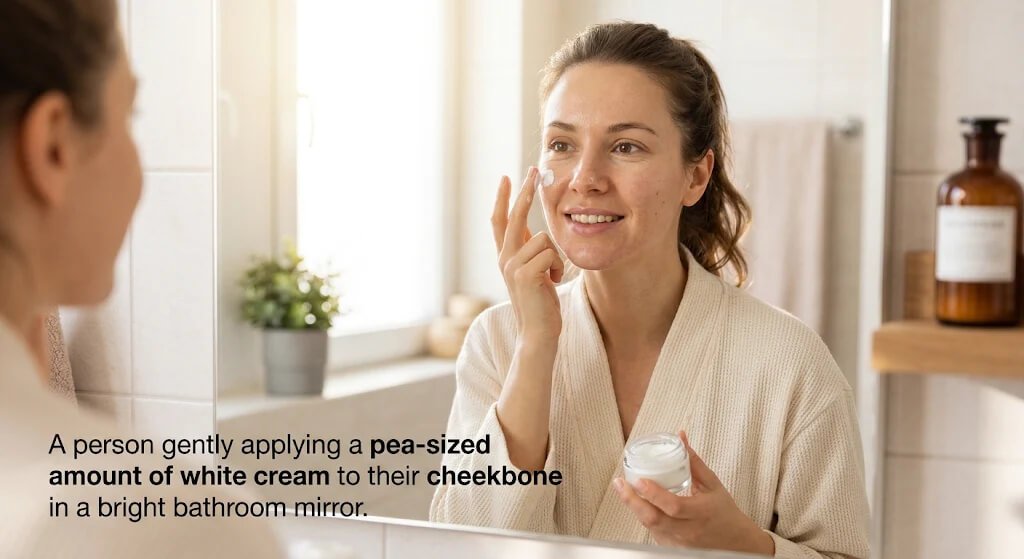
- Barrier Sealing: Apply a nickel-sized amount of a ceramide-and-peptide moisturizer to lock in the active serums.
- UV Defense: Finish your morning routine with a broad-spectrum mineral sunscreen of SPF 30 [or higher], as UV radiation degrades skin lipids and accelerates moisture loss.
- Evening Repair Routine: Cleanse away makeup and pollution, apply a hydrating essence or peptide serum, and follow with a richer, nourishing night cream containing squalane or niacinamide.
9. Professional and Advanced Treatments
When at-home routines hit a plateau, professional dermatological treatments can offer deeper structural revitalization for aging skin. Procedures like micro-infusion or gentle microneedling stimulate controlled collagen production and create micro-channels that allow hydrating serums to penetrate deep into the dermis.
Additionally, professional hyaluronic acid dermal fillers or low-depth mesotherapy treatments can instantly restore plumpness to dehydrated, depleted tissue. Always consult a board-certified dermatologist before undergoing advanced treatments to ensure they align with your skin’s unique sensitivity level and health history.
10. Frequently Asked Questions
Does drinking more water instantly hydrate aging skin?
While adequate systemic hydration is essential for overall health, drinking extra water alone will not fix dry, aging skin if your skin barrier’s lipid matrix is compromised. Water must be sealed into the epidermis using topical humectants and occlusives to prevent rapid evaporation into the air.
What are the best topical ingredients for dry, mature skin?
The most effective ingredients include hyaluronic acid and glycerin to draw in water, ceramides and squalane to rebuild the damaged lipid barrier, and niacinamide to calm inflammation and boost natural ceramide synthesis within aging epidermal cells over consistent daily use.
How do hormones affect skin moisture after 40?
Declining estrogen levels during perimenopause and menopause significantly reduce natural sebum production, collagen synthesis, and hyaluronic acid concentrations. This hormonal shift leads to thinner skin, slower cellular turnover, and a dramatic increase in transepidermal water loss.
Can facial exercise help with skin hydration and elasticity?
Yes, facial exercises and regular cardiovascular workouts increase microcirculation, pumping oxygen-rich blood, water, and vital nutrients directly to dermal cells. Enhanced blood flow also stimulates fibroblast activity, supporting the structural matrix that holds moisture.
Why does my skin feel tighter and drier in the winter?
Cold outdoor air holds very little moisture, and indoor heating systems create arid microclimates that accelerate transepidermal water loss. This environmental mismatch strips away surface lipids faster than mature sebaceous glands can replenish them, causing tightness and flaking.
Conclusion
Learning how to hydrate aging skin is an empowering journey that requires patience, consistency, and a smart combination of topical care, targeted nutrition, and active movement. By repairing your skin’s lipid barrier, locking in moisture with proven humectants, and supporting your body through healthy lifestyle habits, you can restore a radiant, comfortable glow at any age.