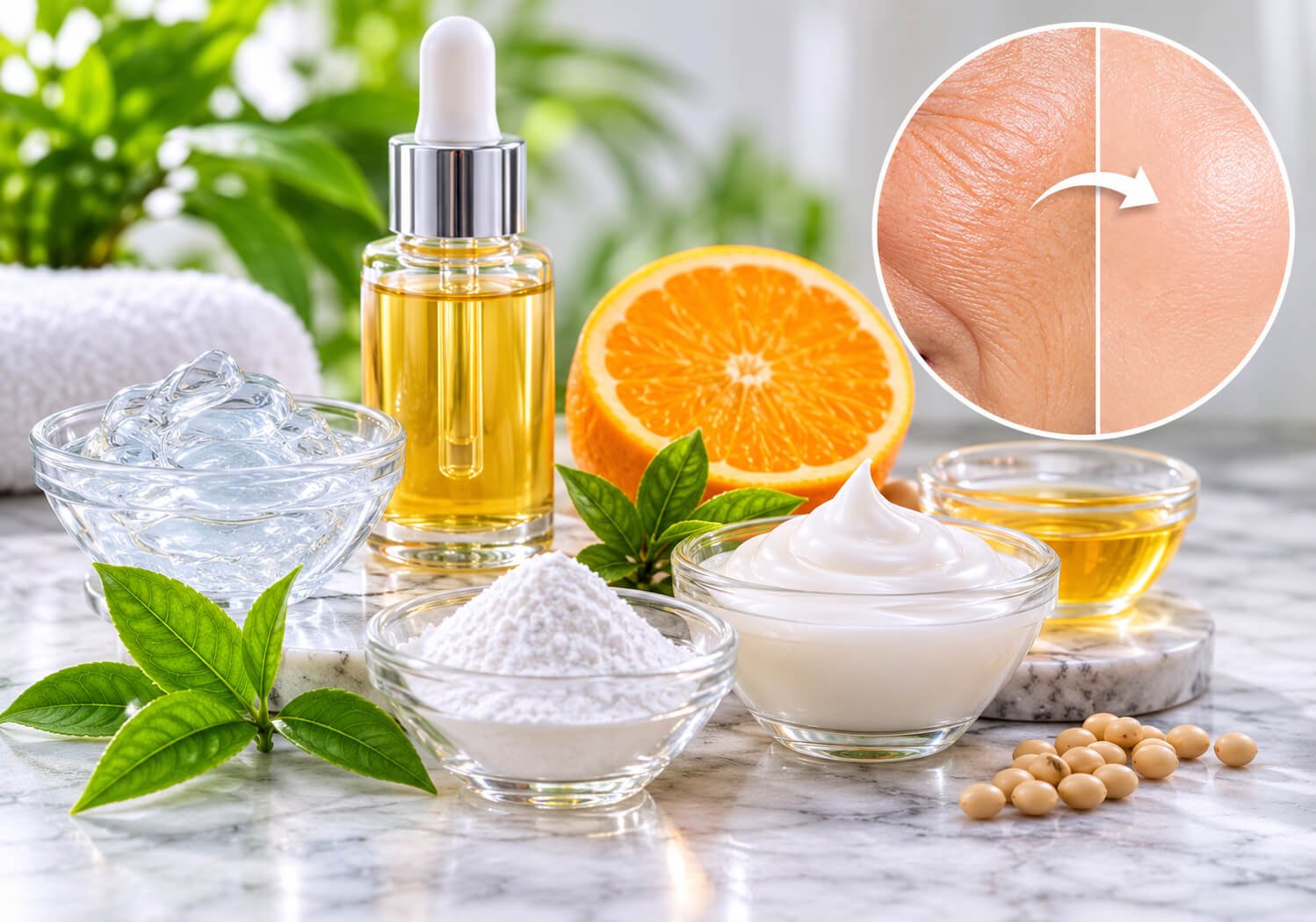
As a strength and conditioning coach, I see firsthand how outdoor training, sweat, and sun exposure accelerate skin aging. Just like we optimize our nutrition and training for muscle recovery, we must optimize our topical skincare. Finding the best ingredients for anti aging moisturizer is critical for maintaining skin elasticity, preventing transepidermal water loss, and supporting long-term barrier function. This guide breaks down the science-backed components you need to protect your skin while staying active.
Quick Answer
The best ingredients for anti aging moisturizer include retinol (for cellular turnover), hyaluronic acid (for deep epidermal hydration), vitamin C (for antioxidant protection), peptides (for collagen support), and ceramides (for barrier repair). For maximum photodamage prevention, always pair these active ingredients with a broad-spectrum SPF during the day.
Why Active Adults Need Targeted Skincare
Physical activity is one of the most powerful tools for longevity, but it introduces unique stressors to the skin. Outdoor runners, cyclists, and gym-goers face prolonged UV exposure, wind, and sweat, all of which degrade collagen and compromise the skin barrier. Furthermore, as we age, our natural production of collagen, elastin, and hyaluronic acid declines.
Research shows that metabolic changes also impact cellular repair. Learning how to increase metabolism naturally after 40 through resistance training and proper nutrition directly benefits skin vitality by improving blood circulation and nutrient delivery to the dermis. However, internal health must be paired with external protection. Using a moisturizer formulated with the best ingredients for anti aging moisturizer ensures your skin can recover from environmental stressors just as effectively as your muscles recover from a heavy squat session.
Top 7 Best Ingredients for Anti Aging Moisturizer
When evaluating skincare, ignore the marketing hype and look at the ingredient list. Here are the seven most evidence-backed components to seek out.
1. Retinol (Vitamin A)
Retinol is a derivative of vitamin A and remains the gold standard in dermatological research for addressing fine lines and wrinkles. It works by binding to retinoic acid receptors in the skin, which accelerates cellular turnover. This process sheds dead, dull skin cells and stimulates the fibroblasts responsible for producing new collagen and elastin fibers. According to a comprehensive review in the Journal of Clinical and Aesthetic Dermatology, topical retinoids significantly improve skin texture and reduce photodamage over a 12-week period.
- Who it’s for: Individuals with normal to oily skin looking to reduce deep wrinkles and hyperpigmentation.
- Key features: Look for concentrations between 0.25% and 1.0%. Beginners should always start at the lower end to build tolerance.
- Pros: Clinically proven to reverse signs of aging; improves overall skin tone and texture.
- Cons: Can cause initial dryness, redness, and peeling (known as the “retinization” phase). It also increases sun sensitivity.
2. Hyaluronic Acid
Hyaluronic acid (HA) is a naturally occurring glycosaminoglycan found in the human body, renowned for its ability to hold up to 1,000 times its weight in water. In topical formulations, it acts as a powerful humectant, drawing moisture from the environment into the epidermis. A study published in the Journal of Clinical and Aesthetic Dermatology highlights that low-molecular-weight hyaluronic acid penetrates deeper into the skin, improving elasticity and reducing the depth of wrinkles more effectively than high-molecular-weight variants alone.
- Who it’s for: All skin types, especially those with dry, dehydrated, or mature skin.
- Key features: Seek products listing “sodium hyaluronate” or a blend of multiple molecular weights of HA for multi-depth hydration.
- Pros: Provides an immediate plumping effect; non-irritating; layers seamlessly under sunscreen.
- Cons: In very dry climates, it may draw moisture out of the deeper layers of skin if not sealed with an occlusive moisturizer.
3. Vitamin C (L-Ascorbic Acid)
L-ascorbic acid is the most biologically active form of vitamin C. It is a potent antioxidant that neutralizes free radicals generated by UV exposure and environmental pollution. Furthermore, it is a necessary cofactor for the enzymes responsible for collagen synthesis. Research in the Indian Dermatology Online Journal confirms that topical vitamin C at concentrations of 10% to 20% effectively brightens the complexion, fades dark spots, and mitigates photodamage.
- Who it’s for: Those dealing with dullness, uneven skin tone, or early signs of aging.
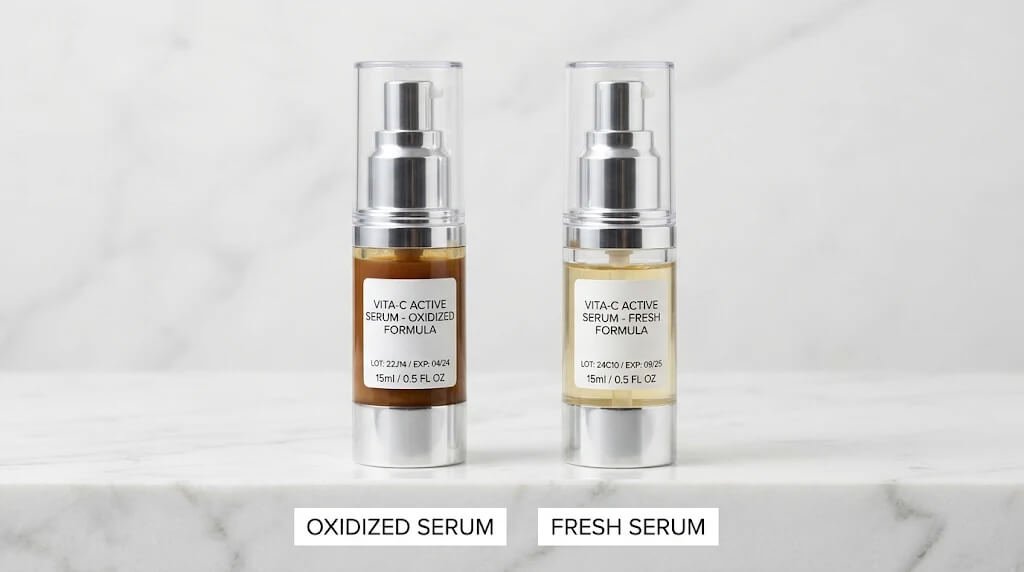
- Key features: Packaging is critical. Choose opaque, airless pump bottles to prevent oxidation, which turns the serum brown and renders it ineffective.
- Pros: Brightens skin; boosts collagen production; enhances the protective efficacy of sunscreen.
- Cons: Can be chemically unstable; may cause mild stinging on highly sensitive skin.
4. Peptides
Peptides are short chains of amino acids that serve as the building blocks of proteins like collagen, elastin, and keratin. When applied topically, certain signal peptides (such as Matrixyl or copper peptides) trick the skin into thinking it is injured, prompting a repair response that boosts natural collagen production. A study in the International Journal of Molecular Sciences notes that topical peptides can improve skin firmness and reduce wrinkle depth with minimal to no irritation.
- Who it’s for: Sensitive skin types who cannot tolerate retinol but still want structural collagen support.
- Key features: Look for palmitoyl pentapeptide-4, palmitoyl tripeptide-1, or copper tripeptide-1 on the ingredient list.
- Pros: Extremely gentle; supports long-term skin structure; highly compatible with most other skincare ingredients.
- Cons: Results take longer to appear (typically 8 to 12 weeks) compared to the faster action of retinoids.
5. Ceramides
Ceramides are lipid molecules naturally found in the skin’s stratum corneum (the outermost layer). They make up over 50% of the skin’s composition and are essential for maintaining the skin barrier and preventing transepidermal water loss (TEWL). As we age, natural ceramide production declines, leading to chronic dryness, flakiness, and irritation. According to dermatological literature and the National Eczema Association, replenishing ceramides topically restores barrier function and dramatically improves hydration levels.
- Who it’s for: Dry, sensitive, or compromised skin barriers, especially after intense outdoor workouts.
- Key features: Products containing a physiological blend of ceramides (e.g., Ceramide NP, AP, EOP), cholesterol, and free fatty acids.
- Pros: Repairs the skin barrier; locks in moisture; reduces redness and environmental irritation.
- Cons: Does not directly stimulate collagen; works best as a supportive, hydrating ingredient rather than a primary active.
6. Niacinamide (Vitamin B3)
Niacinamide is a versatile, water-soluble vitamin that offers multiple anti-aging benefits. It improves skin elasticity, enhances the skin barrier, and reduces the appearance of enlarged pores and fine lines. A clinical trial published in the British Journal of Dermatology demonstrated that a 5% niacinamide formulation significantly improved skin elasticity, reduced hyperpigmentation, and decreased redness after just 8 weeks of consistent use.
- Who it’s for: All skin types, particularly those with redness, enlarged pores, or uneven texture.
- Key features: Clinically effective at concentrations between 2% and 5%.
- Pros: Multi-tasking; anti-inflammatory; stabilizes other ingredients in a formulation.
- Cons: High concentrations (above 10%) may cause temporary flushing, redness, or mild irritation in some users.
7. Antioxidant Botanicals (Green Tea Extract & Astaxanthin)
Plant-derived antioxidants provide a crucial secondary defense against environmental stressors. Green tea extract contains polyphenols (specifically EGCG) that reduce inflammation and protect against UV-induced DNA damage. Similarly, astaxanthin is a powerful carotenoid that neutralizes free radicals more effectively than many other antioxidants. Research indicates that combining topical antioxidants with internal support, such as an astaxanthin supplement for skin glow and anti-aging, can provide comprehensive, systemic protection against oxidative stress.
- Who it’s for: Active individuals exposed to high levels of sun, wind, and pollution.
- Key features: Look for stabilized green tea extract (Camellia sinensis) or astaxanthin high on the ingredient list.
- Pros: Soothes post-workout inflammation; complements sunscreen; provides broad-spectrum antioxidant support.
- Cons: Less potent than primary actives like retinol or vitamin C; often used as a supporting ingredient rather than a standalone solution.
Comparison Table: Anti-Aging Ingredients at a Glance
| Ingredient | Primary Benefit | Best For | Potential Irritation |
| Retinol | Accelerates cell turnover, boosts collagen | Normal to oily skin, deep wrinkles | High (requires acclimation) |
| Hyaluronic Acid | Deep epidermal hydration, plumping | Dry, dehydrated, all skin types | Very Low |
| Vitamin C | Antioxidant protection, brightening | Dullness, hyperpigmentation, early aging | Moderate (can sting) |
| Peptides | Signals collagen production, firms skin | Sensitive skin, long-term maintenance | Very Low |
| Ceramides | Repairs skin barrier, prevents water loss | Compromised, dry, or eczema-prone skin | Very Low |
| Niacinamide | Improves elasticity, reduces redness/pores | All skin types, uneven texture | Low (at high concentrations) |
| Botanical Antioxidants | Neutralizes free radicals, soothes inflammation | Active lifestyles, sun exposure | Very Low |
How to Choose the Right Moisturizer for Your Skin
Selecting the right product requires more than just picking the most expensive jar on the shelf. Use this buyer’s checklist to find a formulation that matches your specific needs.
- Assess Your Skin Type: If your skin feels tight after washing, you have dry skin and need heavy ceramides. If you shine by midday, you have oily skin and should opt for a lightweight, gel-based hyaluronic acid formula.
- Check the Packaging: The best ingredients for anti aging moisturizer are often unstable. Vitamin C and retinol degrade rapidly when exposed to light and air. Always choose opaque, airless pump bottles over wide-mouth jars.
- Verify Concentrations: A product listing “peptides” at the very end of the ingredient list likely contains a negligible, ineffective amount. Active ingredients should appear in the top half of the list.
- Consider Your Budget: You do not need to spend hundreds of dollars. Many drugstore brands (priced between $15 and 30for1.7ozor50ml)offerexcellent,evidence-basedformulationswithceramidesandniacinamide.Clinicalbrands(50–$150) may offer more elegant textures or higher, stabilized concentrations of retinol and vitamin C.
How to Layer Your Skincare for Maximum Results
Just as you would not expect to build muscle without adequate protein, you cannot expect topical creams to fully reverse aging without internal support. Ensuring you have adequate vitamins that support metabolism is crucial, as metabolic slowdown affects cellular repair rates, including skin cell turnover.
Furthermore, dietary fats are essential. Consuming adequate omega-3 fatty acids for skin hydration helps maintain the skin’s lipid bilayer from the inside out, reducing dryness and inflammation. Pairing your topical routine with internal support, such as timing your collagen powder for skin absorption alongside vitamin C, creates a synergistic effect that maximizes collagen synthesis. Even the anti-inflammatory properties of green tea extract benefits can support systemic reduction in oxidative stress, which manifests as slower skin aging.
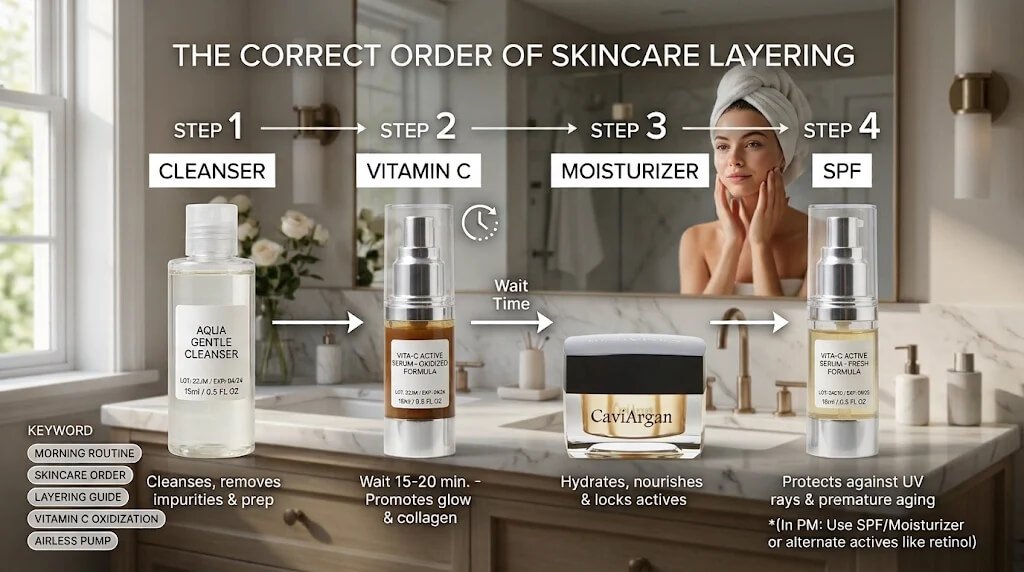
Once your internal foundation is set, follow this evidence-based topical layering routine. The golden rule of skincare is to apply products from thinnest to thickest consistency.
Morning Routine
- Cleanser: Use a gentle, non-foaming cleanser to remove overnight sweat and sebum.
- Vitamin C Serum: Apply 3 to 4 drops to dry skin. Wait 2 to 3 minutes for absorption.
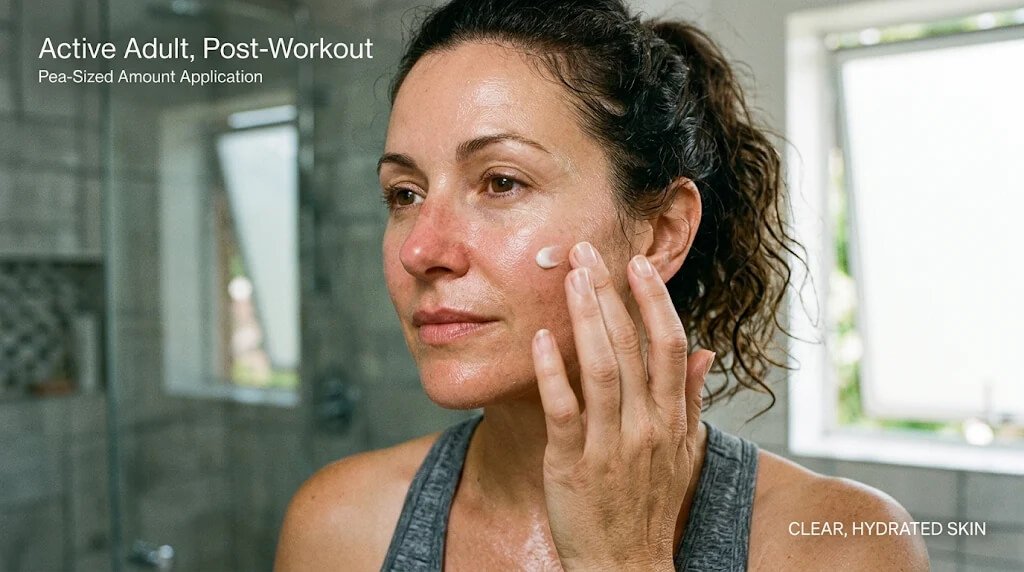
- Moisturizer: Apply a pea-sized amount (about 0.25 inches or 0.6 cm in diameter) of a peptide or hyaluronic acid-based moisturizer.
- Sunscreen (SPF 30+): Apply at least 0.04 ounces (1.2 grams), or two finger-lengths, to the face and neck. This is non-negotiable for preventing photodamage.
Evening Routine
- Double Cleanse: Use an oil-based cleanser to remove sunscreen and sweat, followed by a gentle water-based cleanser.
- Retinol: Apply a pea-sized amount to completely dry skin. Start with 2 nights per week, gradually increasing to nightly as tolerated.
- Barrier Cream: Follow with a rich moisturizer containing ceramides and niacinamide to buffer any potential retinol irritation and lock in moisture overnight.
Coach’s Tip: Always apply your thinnest products first (like vitamin C serums) and your thickest products last (like ceramide creams). This ensures maximum absorption without the products “pilling” or rolling up on your skin.
Common Mistake: Mixing retinol and vitamin C at the exact same time of day. This can cause severe irritation, compromise the skin barrier, and destabilize the vitamin C. Use vitamin C in the morning for antioxidant protection, and reserve retinol for your nighttime repair routine.
Ingredients to Avoid in Anti-Aging Products
Not all ingredients are created equal. When searching for the best ingredients for anti aging moisturizer, you must also know what to avoid.
- Denatured Alcohol (Alcohol Denat.): Often used to make products feel lightweight, it strips the skin of natural oils, leading to chronic dryness and accelerated aging.
- Heavy Synthetic Fragrances: These are among the most common causes of contact dermatitis and can cause low-grade inflammation, which breaks down collagen over time.
- Harsh Physical Scrubs: Walnut shells or large sugar crystals cause micro-tears in the epidermis. Rely on chemical exfoliants (like low-dose AHAs) or let your retinol handle the cellular turnover.
Frequently Asked Questions (FAQ)
What is the single best ingredient for anti aging moisturizer?
Retinol is widely considered the single most effective, evidence-backed ingredient for anti-aging. It directly stimulates collagen production and accelerates cell turnover, addressing wrinkles, texture, and hyperpigmentation simultaneously.
Can I use retinol and hyaluronic acid together?
Yes, absolutely. Hyaluronic acid is a hydrating humectant, not an active exfoliant. Applying a hyaluronic acid moisturizer after your retinol serum actually helps buffer the skin, reducing the dryness and irritation commonly associated with retinoid use.
How long does it take to see results from anti-aging ingredients?
Patience is required. While hyaluronic acid provides immediate hydration, structural changes take time. Expect to see initial improvements in skin texture and brightness within 4 to 6 weeks, but significant reduction in deep wrinkles typically requires 12 weeks of consistent, daily use.
Are peptide moisturizers worth the investment?
Yes, particularly for individuals with sensitive skin who cannot tolerate retinol. While peptides work more slowly than retinoids, clinical studies show they effectively signal the skin to produce more collagen and elastin without causing redness, peeling, or barrier disruption.
What ingredients should I avoid in an anti-aging moisturizer?
Avoid products containing high levels of denatured alcohol (alcohol denat.), heavy synthetic fragrances, and harsh physical scrubs. These ingredients strip the skin’s natural lipid barrier, leading to chronic inflammation and accelerated collagen breakdown.
Does a higher price mean a better anti-aging moisturizer?
Not necessarily. Many affordable, drugstore brands offer excellent, evidence-based formulations with proven ingredients like ceramides, niacinamide, and hyaluronic acid. You are often paying a premium for elegant textures, fancy packaging, or brand name, not superior active ingredients.
Conclusion
Protecting your skin is just as important as protecting your joints during a heavy lift. By focusing on the best ingredients for anti aging moisturizer—specifically retinol, hyaluronic acid, vitamin C, peptides, ceramides, and niacinamide—you can effectively combat the environmental stressors that accelerate skin aging. Remember to pair your topical routine with a solid internal foundation of proper nutrition, hydration, and metabolic health. Start slowly, introduce one active ingredient at a time, and always finish your morning routine with broad-spectrum sunscreen. Your skin will thank you for the long-term investment.