Can Supplements Actually Lighten Dark Spots on Face? An Evidence-Based Guide
Dark spots, sun damage, and uneven skin tone are common concerns for fitness enthusiasts and adults over 40. If you are wondering can supplements actually lighten dark spots on face, the short answer is yes, but with important caveats. Oral supplements cannot erase deep pigmentation overnight. However, specific, research-backed nutrients can inhibit melanin production, reduce oxidative stress, and support your skin’s natural healing processes from the inside out.
As a health and conditioning coach, I see clients focus heavily on their workout routines and protein intake while neglecting the nutritional building blocks required for skin repair. True skin health is a reflection of your internal wellness. This guide breaks down the clinical evidence behind popular skin supplements, how to use them safely, and how to build a realistic routine for a clearer, more even complexion.
Quick Answer
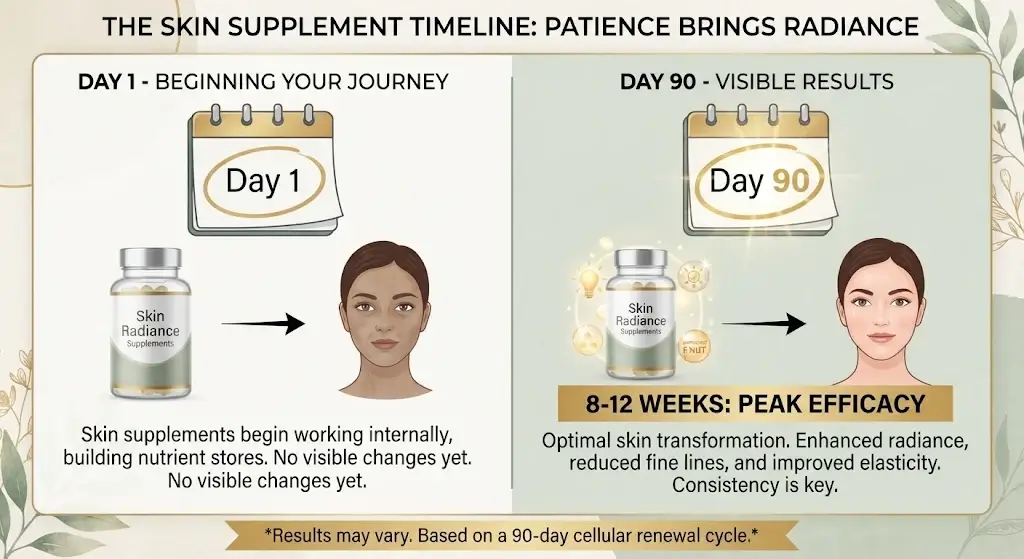
Yes, specific supplements can help lighten dark spots on the face. Ingredients like oral glutathione, vitamin C, and polypodium leucotomos work by inhibiting tyrosinase (the enzyme that creates melanin) and reducing oxidative stress. However, they require 8 to 12 weeks of consistent use and must be paired with daily broad-spectrum sunscreen to be effective.
How Can Supplements Actually Lighten Dark Spots on Face? The Science
To understand how oral nutrients affect your skin, we must first look at how dark spots form. Hyperpigmentation occurs when melanocytes, the pigment-producing cells in your skin, overproduce melanin. This overproduction is usually triggered by ultraviolet (UV) radiation, hormonal fluctuations, or inflammation from acne or injuries (post-inflammatory hyperpigmentation).
The key enzyme in this process is called tyrosinase. Tyrosinase catalyzes the first step of melanin synthesis. When your skin is exposed to UV rays or experiences oxidative stress, tyrosinase activity spikes, leading to concentrated patches of dark pigment.
Oral supplements intervene in this process through two primary mechanisms:
- Tyrosinase Inhibition: Certain compounds, like glutathione, can directly downregulate tyrosinase activity, shifting melanin production from darker eumelanin to lighter pheomelanin.
- Antioxidant Protection: Nutrients like vitamin C and alpha-lipoic acid neutralize free radicals generated by sun exposure and metabolic stress. By reducing oxidative stress, these antioxidants prevent the inflammatory signals that trigger excess melanin production in the first place.
While topical treatments (like serums and creams) deliver ingredients directly to the epidermis, oral supplements work systemically. They improve the overall health of the skin barrier, enhance collagen synthesis, and provide a baseline of antioxidant defense that topical products cannot achieve alone. According to the Cleveland Clinic, treating hyperpigmentation effectively requires a multi-modal approach that addresses both internal inflammation and external UV exposure.
Can Supplements Actually Lighten Dark Spots on Face? What the Research Shows
Not all supplements marketed for “skin glow” are backed by science. Below is a breakdown of the most rigorously studied oral ingredients for hyperpigmentation, their mechanisms, and typical clinical dosages.
| Supplement | Primary Mechanism | Evidence Level | Typical Clinical Dose |
| Glutathione | Inhibits tyrosinase; shifts melanin type; powerful systemic antioxidant. | Moderate to Strong | 250–500 mg daily |
| Vitamin C | Neutralizes free radicals; supports collagen; mild tyrosinase inhibition. | Strong | 500–1,000 mg daily |
| Polypodium Leucotomos | Protects against UV-induced DNA damage; reduces inflammation. | Strong | 240–480 mg daily |
| Niacinamide (B3) | Inhibits melanosome transfer to skin cells; strengthens skin barrier. | Moderate (Topical > Oral) | 500 mg daily |
| Alpha-Lipoic Acid | Regenerates other antioxidants (like Vit C & E); reduces oxidative stress. | Moderate | 300–600 mg daily |
1. Glutathione: The Master Antioxidant
Glutathione is naturally produced by your liver and is critical for detoxification and immune function. In dermatology, it has gained attention for its skin-lightening properties. A randomized, double-blind, placebo-controlled trial published in the National Institutes of Health (NIH) database demonstrated that oral glutathione supplementation significantly reduced melanin indices and improved skin elasticity over a four-week period. It works by binding to copper at the active site of tyrosinase, effectively deactivating the enzyme.
2. Vitamin C (Ascorbic Acid)
Vitamin C is a potent water-soluble antioxidant. A PubMed study on Vitamin C and skin health highlights its dual role in protecting the skin from photoaging and promoting collagen synthesis. While topical vitamin C is highly concentrated, oral supplementation ensures your body has the systemic reserves needed to combat the free radicals that exacerbate dark spots. For optimal results, many experts recommend pairing it with collagen, as discussed in guides on the best time to take collagen powder to maximize skin absorption and structural repair.
3. Polypodium Leucotomos (Fern Extract)
This tropical fern extract is one of the most exciting developments in oral photoprotection. Marketed under names like Fernblock, it does not replace sunscreen, but it acts as an internal shield. Research in the Journal of Clinical and Aesthetic Dermatology shows that oral polypodium leucotomos significantly reduces UV-induced erythema (redness) and prevents the activation of melanocytes. It is particularly beneficial for individuals with melasma or those who spend extended time training outdoors.
4. Niacinamide (Vitamin B3)
While topical niacinamide is the gold standard for blocking the transfer of pigment to skin cells, oral niacinamide also offers systemic benefits. It supports the production of ceramides, strengthening the skin barrier and improving hydration. A well-hydrated, healthy skin barrier naturally sheds pigmented cells more efficiently, aiding in the gradual fading of dark spots.
Practical Steps: How to Use Supplements to Lighten Dark Spots
Knowing the science is only half the battle. Implementing these nutrients effectively requires a structured, consistent approach. Here is a practical, step-by-step routine to integrate these supplements into your daily life.
Step 1: Establish Your Baseline Protection Before adding any pill or powder, you must secure your external defense. Apply a broad-spectrum sunscreen with at least SPF 30 every single morning. Use a nickel-sized amount (about 0.1 oz or 3 grams) for your face and neck. Reapply every two hours if you are training outdoors.
Step 2: Morning Antioxidant Stack Take your Vitamin C (500 mg) and Polypodium Leucotomos (240 mg) with breakfast. Taking these with a meal that contains healthy fats (like eggs or avocado) can improve the absorption of fat-soluble compounds and reduce the chance of stomach upset from the ascorbic acid.
Step 3: Evening Repair and Regeneration Take Glutathione (250–500 mg) or Niacinamide (500 mg) in the evening. Your body undergoes its most intensive repair cycles during deep sleep. Providing your system with these building blocks at night aligns with your natural circadian rhythm.
Step 4: Support Overall Circulation Supplements need a healthy vascular system to reach your skin cells. Aim to walk at least 2 miles (3.2 km) daily or engage in 30 minutes of moderate cardiovascular exercise to support healthy blood circulation and nutrient delivery to the dermis.
Coach’s Tip: Treat your supplement routine like your workout program. Consistency beats intensity. Taking a moderate, evidence-based dose of vitamin C and glutathione every single day yields vastly better results than doubling the dose sporadically. Keep your supplement bottles stored in a cool, dark place, at least 6 inches (15 cm) away from direct sunlight or humid bathroom counters to preserve their potency.
Common Mistake: Relying solely on pills while skipping sunscreen. Many people spend hundreds of dollars on oral supplements but skip their morning SPF. UV rays trigger melanin production instantly. Without a broad-spectrum sunscreen, your supplements are fighting a losing battle against daily sun exposure.
Safety Notes and Who Should Be Careful
While the supplements listed above are generally recognized as safe, they are not without potential side effects or interactions.
- Digestive Upset: High doses of Vitamin C (above 2,000 mg daily) can cause diarrhea, nausea, and abdominal cramps. Stick to the 500–1,000 mg range.
- Glutathione Considerations: Long-term, high-dose oral glutathione may theoretically lower zinc levels in the body. Some clinical protocols use doses up to 0.02 lb (10 grams) per month for specific therapeutic protocols, but this should only be done under medical supervision.
- Medication Interactions: Polypodium leucotomos may interact with immunosuppressant drugs. Niacinamide in very high doses can affect liver enzymes, though 500 mg is generally well-tolerated.
- Pregnancy and Nursing: Always consult your obstetrician before starting any new supplement regimen, including antioxidants, during pregnancy or while breastfeeding.
If you have a history of hormonal imbalances, such as PCOS, be aware that insulin resistance can exacerbate melasma and dark spots. In these cases, addressing metabolic health with a professional to improve insulin sensitivity may be a necessary foundational step before targeting the skin directly.
Related Tips for Holistic Skin Health
Supplements are just one piece of the puzzle. To truly fade dark spots and maintain an even complexion, you must support your body’s overall recovery and metabolic processes.
1. Prioritize Sleep for Cellular Repair During deep sleep, your body increases blood flow to the skin and rebuilds collagen. Chronic sleep deprivation elevates cortisol, a stress hormone that can trigger inflammation and worsen hyperpigmentation.
2. Address Underlying Nutrient Gaps Your skin cannot heal if it is starved of basic micronutrients. Addressing vitamin deficiencies is critical. A basic multivitamin or a diet rich in colorful vegetables ensures you have the foundational co-factors needed for enzymatic processes, including melanin regulation.
3. Leverage Anti-Inflammatory Fats Inflammation drives post-inflammatory hyperpigmentation (the dark marks left after acne). Incorporating omega-3 fatty acids for skin hydration and reduced inflammation can calm the skin from the inside, making it less reactive to breakouts and environmental stressors.
4. Consider Advanced Antioxidants For those looking to further protect their skin from environmental aging, exploring an astaxanthin supplement for skin glow can provide an additional layer of potent, carotenoid-based UV protection and free radical neutralization.

FAQ
What is the best supplement for dark spots on the face?
Oral glutathione, vitamin C, and polypodium leucotomos are the most researched supplements for reducing hyperpigmentation. They work by inhibiting tyrosinase, the enzyme responsible for melanin production, and reducing oxidative stress in the skin. Always pair oral supplements with daily SPF 30+ sunscreen for visible results.
How long does it take for supplements to fade dark spots?
Clinical studies show that oral skin supplements typically require 8 to 12 weeks of consistent daily use to show visible improvements in hyperpigmentation. Skin cell turnover takes about 28 days, so patience is essential. Results vary based on the depth of the pigmentation and your daily sun protection habits.
Can vitamin C pills reduce hyperpigmentation effectively?
Yes, oral vitamin C acts as a powerful antioxidant that neutralizes free radicals and supports collagen synthesis. While it helps brighten the overall complexion and protects against UV-induced damage, topical vitamin C serums are generally more effective for targeting specific, localized dark spots on the face.
Are there any side effects of skin lightening supplements?
Most well-researched supplements like vitamin C and polypodium leucotomos are safe at recommended doses. However, high doses of glutathione may cause mild digestive upset or bloating in some individuals. Always consult a healthcare provider before starting new supplements, especially if you take prescription medications.
Do oral niacinamide supplements work for dark spots?
Oral niacinamide (vitamin B3) helps improve the skin barrier and may reduce the transfer of melanin to skin cells. While topical niacinamide is the gold standard for fading dark spots, oral supplementation supports overall skin hydration and reduces inflammation, creating a better environment for hyperpigmentation to fade.
Can I rely only on supplements without using sunscreen?
No. Supplements cannot block UV rays. Without daily broad-spectrum sunscreen, UV exposure will continuously trigger melanin production, completely canceling out any benefits from your oral supplements. Sun protection is the non-negotiable foundation of any hyperpigmentation treatment plan, whether you use topical creams or oral pills.
Conclusion
Ultimately, the question of can supplements actually lighten dark spots on face comes down to consistency, realistic expectations, and a holistic approach to health. Oral supplements like glutathione, vitamin C, and polypodium leucotomos are powerful tools that can inhibit melanin production and protect your skin from oxidative stress. However, they are not magic pills.
To see real results, you must pair your internal supplement routine with strict external sun protection, adequate hydration, and a nutrient-dense diet. If you are unsure about which supplements are right for your specific skin type or health history, consult a dermatologist or a registered healthcare provider.