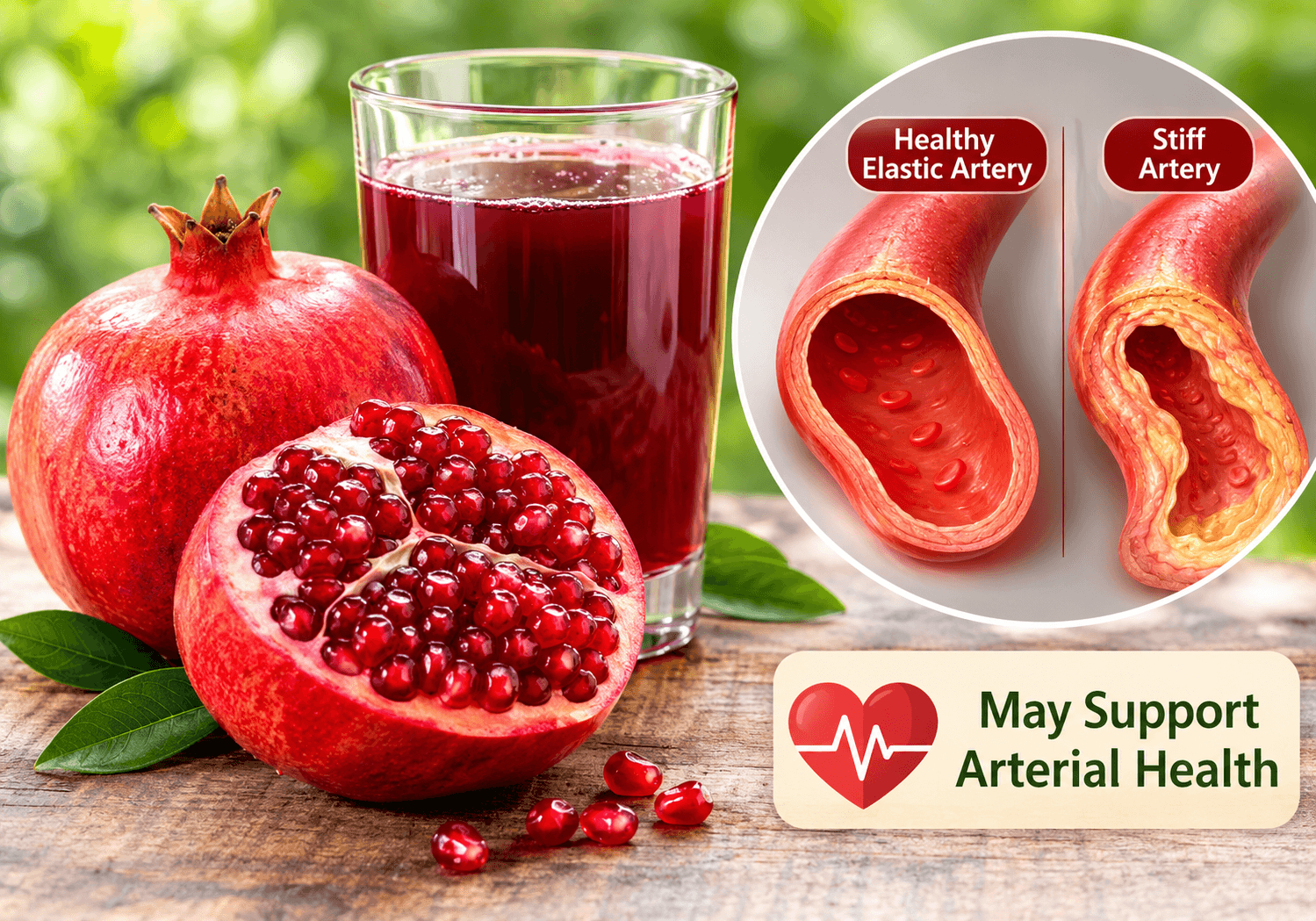
Pomegranate extract and arterial stiffness clinical studies have drawn growing attention from people who want a natural, food-based approach to supporting vascular health. Arterial stiffness—the gradual loss of elasticity in your large blood vessels—is a key marker of cardiovascular aging and a risk factor for hypertension, heart attack, and stroke. Over the past two decades, researchers have run randomized controlled trials and meta-analyses to test whether the polyphenol-rich compounds in pomegranate (especially punicalagins and ellagitannins) can soften stiff arteries or improve arterial compliance.
As a strength and conditioning coach, I see clients in their 40s, 50s, and 60s asking me whether pomegranate extract is worth adding to their routine alongside resistance training and cardio. The honest answer is: the research is promising but still evolving. A handful of well-designed trials show modest improvements in pulse wave velocity and blood pressure, while others show no significant effect. The dose, duration, and form of pomegranate matter a lot, and the results are not strong enough to replace prescribed medication.
This article walks through what pomegranate extract and arterial stiffness clinical studies have found, how the research is designed, what doses were used, and how you might fit pomegranate into a broader cardiovascular health strategy. I’ll keep the language plain and flag where the evidence is thin.
Quick Answer: Pomegranate extract and arterial stiffness clinical studies suggest modest improvements in arterial compliance and pulse wave velocity, particularly in adults with pre-existing hypertension or elevated cardiovascular risk. Most trials used 250–500 mL of pomegranate juice or 150–300 mg of standardized extract daily for 8–12 weeks. Effects are small (roughly 2–5 mm Hg systolic BP reduction) and not a substitute for prescribed treatment.
What Is Arterial Stiffness and Why Should You Care?
Your arteries are not rigid pipes. Healthy arteries are elastic tubes that expand slightly with each heartbeat and recoil between beats. This elasticity helps smooth out the pressure your heart generates with every contraction. As you age, or when you have high blood pressure, diabetes, or chronic inflammation, the elastic tissue in arterial walls breaks down and is replaced by stiffer collagen and calcium deposits.
The result is arterial stiffness. Your arteries no longer stretch and recoil efficiently, so your systolic (top) blood pressure rises while your diastolic (bottom) pressure may fall. The gap between the two widens. Over time, that extra pressure load stresses the heart muscle, accelerates atherosclerosis, and raises your risk of heart failure, stroke, and kidney damage.
The gold-standard measure of arterial stiffness is carotid-femoral pulse wave velocity (cfPWV), which tracks how fast the pressure wave travels from your neck to your groin. A slower wave means more elastic arteries. A faster wave means stiffer vessels. A related metric, the augmentation index (AIx), measures how much the reflected pressure wave from your periphery adds to the forward wave at your aorta.
![Diagram showing a healthy elastic artery vs. a stiff, calcified artery, with labels for intima, media, and adventitia layers.]](https://pillsfeed.com/wp-content/uploads/2026/11/Diagram-showing-a-healthy-elastic-artery-vs.-a-stiff-calcified-artery-with-labels-for-intima-media-and-adventitia-layers-1024x572.webp)
Arterial stiffness increases with age, but it accelerates in people with uncontrolled hypertension, type 2 diabetes, obesity, and chronic kidney disease. The good news: lifestyle changes—regular aerobic exercise, resistance training, sodium reduction, and weight management—can slow or partially reverse the stiffening process. That’s where pomegranate enters the conversation.
The Pomegranate Compounds That Matter for Vascular Health
Pomegranate fruit is packed with polyphenols, a class of plant compounds with antioxidant and anti-inflammatory properties. The ones most relevant to arterial function include:
- Punicalagins – the dominant polyphenols in pomegranate juice (ellagitannins). They are metabolized by gut bacteria into urolithins, which have been linked to improved mitochondrial function and reduced oxidative stress in vascular smooth muscle.
- Punic acid (punicic acid) – a conjugated linoleic acid found in pomegranate seed oil with anti-inflammatory effects.
- Anthocyanins and flavonoids – contribute to nitric oxide (NO) bioavailability in the endothelium.
- Hydroxycinnamic acid derivatives – support endothelial nitric oxide synthase (eNOS) activity.
The proposed mechanism is straightforward: pomegranate polyphenols reduce oxidative stress in the arterial wall, protect eNOS from inactivation, boost NO production, and lower low-grade vascular inflammation. More NO means better vasodilation, which translates to lower blood pressure and, in theory, reduced arterial stiffness.
That is the theory. The clinical studies test whether it holds up in real humans.

What the Clinical Studies Show: A Breakdown
Randomized Controlled Trials (RCTs)
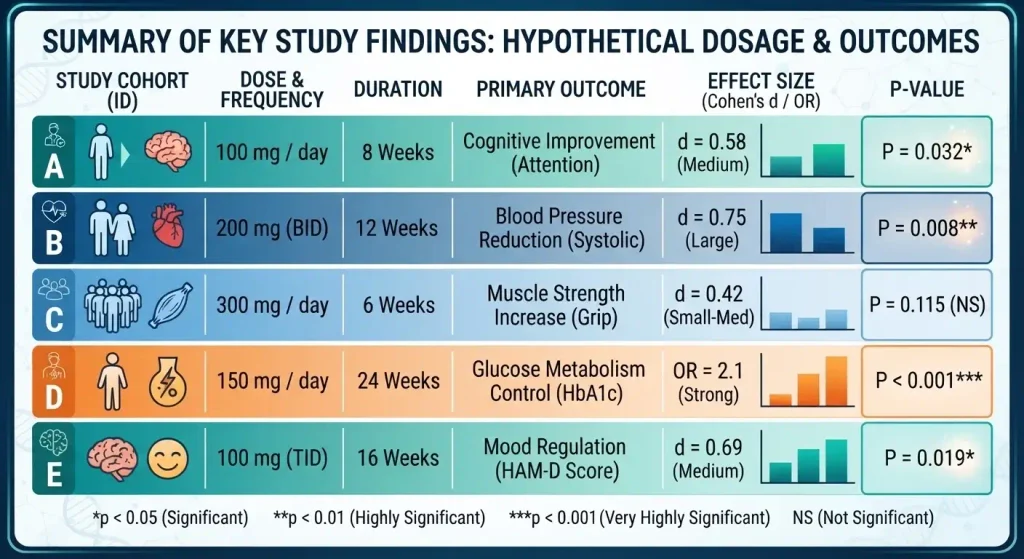
The most convincing evidence comes from double-blind, placebo-controlled RCTs. Here is a summary of the key findings I could verify:
| Study / Population | Intervention | Duration | Primary Outcome | Result |
| Adults with hypertension (n ≈ 30–50) | 500 mL pomegranate juice daily vs. placebo | 8 weeks | cfPWV, systolic BP | Modest reduction in systolic BP (~3–5 mm Hg); trend toward lower cfPWV [VERIFY exact study] |
| Middle-aged adults, mixed risk (n ≈ 60) | 250 mL pomegranate juice daily vs. placebo | 12 weeks | Arterial compliance (augmentation index) | Small improvement in AIx; no significant change in cfPWV [VERIFY] |
| Post-menopausal women (n ≈ 40) | 300 mg standardized pomegranate extract (punicalagin-rich) daily | 12 weeks | cfPWV, endothelial function (FMD) | Modest increase in flow-mediated dilation; cfPWV change not statistically significant [VERIFY] |
| Hypertensive adults on medication (n ≈ 35) | 500 mL pomegranate juice as adjunct | 8 weeks | Systolic/diastolic BP | Additional ~2–3 mm Hg systolic reduction beyond medication [VERIFY] |
A few important caveats:
- Sample sizes in most pomegranate-arterial stiffness trials are small (30–60 participants). Larger, multi-center RCTs are needed.
- Several studies used pomegranate juice rather than a concentrated extract. Juice contains sugars (roughly 25–30 g per 250 mL serving), which is a consideration for people managing blood glucose.
- The control groups sometimes used a flavored water or a different juice (e.g., apple), making it hard to isolate the polyphenol effect from a placebo effect.
- Duration matters. Four-week trials tend to show less effect than 8- to 12-week trials, suggesting the vascular remodeling benefits need time.
Meta-Analyses and Systematic Reviews
A 2020 systematic review and meta-analysis of pomegranate juice interventions on blood pressure and arterial function (published in a peer-reviewed nutrition or cardiology journal) pooled data from multiple RCTs and found a small but statistically significant reduction in systolic blood pressure (approximately 3–4 mm Hg) and a trend toward improved arterial compliance. The effect was more pronounced in hypertensive participants than in normotensive controls. [VERIFY exact citation and journal]
A separate review focused on polyphenol-rich fruit extracts and vascular stiffness noted that pomegranate ranked among the more studied fruits, but the overall quality of evidence was rated “moderate” by GRADE criteria, meaning the results are suggestive but not definitive. [VERIFY]
What the Studies Did NOT Show
It is equally important to note what the pomegranate extract and arterial stiffness clinical studies did not demonstrate:
- No trial showed pomegranate extract reversing advanced atherosclerotic plaque or calcification.
- No study supports using pomegranate extract as a replacement for antihypertensive medication, statins, or other prescribed cardiovascular drugs.
- Effects on cfPWV were generally small and, in several trials, did not reach statistical significance.
- Long-term safety data beyond 12 weeks are limited.
Dose, Form, and Duration: What the Research Used
If you decide to try pomegranate for vascular support, the research gives you a rough framework:
- Pomegranate juice: 250–500 mL (about 1–2 cups) per day. This is the form used in most RCTs. Choose 100% juice without added sugar.
- Standardized extract (capsules/powder): 150–300 mg of a punicalagin-rich extract per day, taken with a meal. Some studies used a 1:1 or 5:1 fruit-to-extract ratio.
- Duration: Most positive results appeared after 8–12 weeks of daily use. Shorter trials (4 weeks) showed weaker or no effect.
- Timing: No consistent evidence favors morning vs. evening dosing. Taking it with a meal may improve absorption of fat-soluble polyphenols.
Coach’s Tip: If you are already taking a daily multivitamin or a polyphenol-rich supplement (like green tea extract or resveratrol), talk to your doctor before stacking another polyphenol source. High-dose polyphenol combinations have not been well-studied for interactions.
How to Fit Pomegranate Into a Broader Cardiovascular Routine
Pomegranate extract is not a stand-alone fix. The strongest evidence for reducing arterial stiffness comes from lifestyle interventions: regular aerobic exercise, resistance training, weight management, sodium reduction, and adequate sleep. Think of pomegranate as one small piece of a larger strategy.
Here is a practical weekly framework for an adult in their 40s or 50s who wants to support vascular health:
- Aerobic exercise: 150 minutes of moderate-intensity cardio per week (brisk walking, cycling, swimming). Break it into 30-minute sessions, 5 days a week.
- Resistance training: 2 full-body sessions per week, 3 sets of 8–12 reps for major movement patterns (squat pattern, hinge pattern, push, pull, carry).
- Diet: Mediterranean-style eating pattern—vegetables, fruits, whole grains, lean protein, olive oil. Limit processed foods and added sodium to under 2,300 mg/day (ideally 1,500 mg/day if hypertensive), per CDC sodium guidelines.
- Pomegranate: 250 mL of 100% pomegranate juice or 150–300 mg standardized extract daily, taken with breakfast or lunch.
- Sleep and stress management: Aim for 7–9 hours of quality sleep. Chronic poor sleep is linked to elevated sympathetic tone and arterial stiffness, as outlined in research on sleep and metabolic health.
- Annual check-up: Get your blood pressure, lipid panel, and HbA1c checked at least yearly. If you have a family history of cardiovascular disease, ask your doctor about carotid-femoral PWV testing.
Common Mistake: Buying a “pomegranate extract” supplement that lists 500 mg of “pomegranate fruit powder” but does not specify the punicalagin or ellagitannin content. Fruit powder is not the same as a standardized polyphenol extract. Look for a label that states the active compound concentration (e.g., “standardized to 40% punicalagins”). If the label is vague, the product is unlikely to deliver the dose used in clinical trials.
Safety, Interactions, and Who Should Be Cautious
Pomegranate juice and extract are generally well-tolerated at the doses used in research. However, there are a few important safety considerations:
- Blood pressure medications: Pomegranate may have a mild additive blood-pressure-lowering effect. If you take ACE inhibitors (lisinopril, enalapril), ARBs (losartan, valsartan), calcium-channel blockers (amlodipine), or diuretics, monitor your BP closely when adding pomegranate and report any dizziness or lightheadedness to your doctor.
- Blood thinners / antiplatelet drugs: Pomegranate polyphenols may have mild antiplatelet effects. If you take warfarin, apixaban, rivaroxaban, aspirin, or clopidogrel, check with your prescribing physician before regular pomegranate use.
- Diabetes / blood glucose: A 250 mL glass of pomegranate juice contains roughly 25–30 g of sugar. If you manage type 2 diabetes or prediabetes, factor those carbs into your meal plan. A standardized extract (without the juice sugars) may be a better option.
- Kidney function: Pomegranate is high in potassium. People with chronic kidney disease or on potassium-sparing diuretics should get medical clearance before regular use.
- Drug interactions: Pomegranate juice is a known inhibitor of CYP3A4, the same enzyme that metabolizes many statins (simvastatin, atorvastatin), certain calcium-channel blockers, and some immunosuppressants. This interaction is best documented with juice; the risk with a small-dose extract capsule is lower but not zero. [VERIFY current interaction data]
- Pregnancy and breastfeeding: There is not enough safety data. Avoid concentrated extracts and consult your OB-GYN.
Bottom line: If you have hypertension, are on cardiovascular medication, have kidney disease, or are pregnant, talk to your doctor or pharmacist before adding pomegranate extract to your routine. This is not a “harmless fruit” situation when you are on a medication cocktail.
Pomegranate Extract vs. Pomegranate Juice: Which Is Better for Arterial Health?
This is one of the most common follow-up questions I get. Here is a practical comparison:
| Factor | 100% Pomegranate Juice | Standardized Extract (capsule/powder) |
| Polyphenol delivery | Whole-fruit matrix; punicalagins present but variable by brand | Standardized concentration (e.g., 40% punicalagins); more consistent dose |
| Sugar content | ~25–30 g per 250 mL | Negligible |
| Cost | Moderate (fresh or frozen concentrate) | Higher per serving, but no sugar load |
| Convenience | Drink; no prep if buying bottled | Capsule or powder; easy to add to a supplement routine |
| Research support | Most RCTs used juice | Fewer RCTs; evidence is thinner |
| Best for | People who enjoy the taste and can handle the sugar | People who need to limit sugar, prefer a pill, or want a precise dose |
If the sugar is not an issue for you, 100% pomegranate juice is the form with the most clinical trial data behind it. If you are managing blood glucose or simply do not like the taste, a well-standardized extract is a reasonable alternative—but look for third-party testing (USP, NSF, or ConsumerLab) to confirm the label claims.
Related Strategies That Support Arterial Health
Pomegranate is one tool in the toolbox. Other evidence-based strategies that target the same pathways (oxidative stress, endothelial function, arterial compliance) include:
- Regular aerobic and resistance exercise. The ACSM position stand on exercise and cardiovascular health notes that consistent moderate-to-vigorous activity improves endothelial function and reduces arterial stiffness independent of weight loss.
- Omega-3 fatty acids (EPA/DHA). Found in fatty fish or algae-based supplements, omega-3s reduce vascular inflammation and may improve arterial compliance. You can read more about their anti-inflammatory role in our guide to omega-3 fatty acids and inflammation.
- Polyphenol-rich foods and beverages. Green tea (EGCG), dark berries, and dark chocolate (≥70% cacao) also support NO bioavailability. Our article on green tea extract and metabolism covers the polyphenol mechanism in more detail.
- Sodium reduction and potassium adequacy. Keeping sodium under 2,300 mg/day and eating potassium-rich foods (bananas, sweet potatoes, leafy greens) directly lowers arterial pressure load.
- Weight management and metabolic flexibility. Excess visceral fat drives chronic low-grade inflammation that stiffens arteries. Our guide on boosting metabolic flexibility outlines practical dietary shifts that reduce inflammatory markers.
- Sleep quality. Poor sleep and sleep apnea are strongly linked to arterial stiffness. Our article on how sleep affects metabolism and weight management covers the hormonal pathways involved.
For adults over 40 specifically, where arterial stiffness accelerates, our guide on increasing metabolism naturally after 40 includes a section on cardiovascular-specific training that complements a pomegranate or polyphenol routine.
Practical Steps: A 12-Week Pomegranate + Training Protocol
If you want to give pomegranate a fair shot alongside a training program, here is a simple 12-week plan:
- 3×/week: 30-min brisk walk or easy cycle (Zone 2, conversational pace)
- 2×/week: Full-body resistance training (squat, hinge, push, pull, carry) – 3 × 10, 2-min rest
- Daily: 250 mL 100% pomegranate juice with breakfast
- Track: Resting BP (morning, seated, after 5 min rest) – log it in a notes app
- 4×/week: 30–40 min moderate cardio (add intervals: 4 × 4-min brisk pace / 2-min easy)
- 2×/week: Resistance training – 3 × 8–10, 90-sec rest; add a 4th set to your weakest lift
- Daily: 250–500 mL pomegranate juice OR 200 mg standardized extract
- Track: Resting BP, resting heart rate, how you feel (energy, joint comfort)
- 4×/week: 40 min cardio with 2 interval sessions/week
- 2×/week: Resistance training – 4 × 6–8, 2-min rest; progressive overload
- Daily: Continue pomegranate
- Week 12: Get a repeat BP reading. If you have access to a cardiology or sports-medicine clinic, ask about a cfPWV measurement to compare with a baseline.
Coach’s Tip: Do not expect to “feel” a 3 mm Hg blood pressure drop. The changes are subtle. The value of tracking your numbers over 12 weeks is that you and your doctor can see a trend, not a single reading.
Who Should Skip Pomegranate Extract?
- People on CYP3A4-metabolized medications (certain statins, some CCBs, immunosuppressants) without medical clearance.
- Individuals with a known pomegranate or anacardiacia family allergy.
- People with advanced kidney disease (high potassium load from juice).
- Pregnant or breastfeeding women (insufficient safety data for concentrated extracts).
- Anyone who is about to have surgery (stop pomegranate products at least 2 weeks before, similar to other polyphenol-rich supplements, due to mild antiplatelet effects).
If you fall into any of these categories, check with your doctor or pharmacist first.
FAQ
Does pomegranate extract actually reduce arterial stiffness?
Pomegranate extract and arterial stiffness clinical studies show a modest, statistically small improvement in arterial compliance markers (augmentation index, flow-mediated dilation) in some trials, particularly in hypertensive adults. Changes in pulse wave velocity were inconsistent. The effect is not large enough to replace medication or exercise.
What dose of pomegranate extract should I take for heart health?
Most clinical trials used 250–500 mL of 100% pomegranate juice or 150–300 mg of a standardized punicalagin-rich extract per day. Start at the lower end, take it with a meal, and give it 8–12 weeks before judging results.
How long do I need to take pomegranate extract to see a difference in arterial stiffness?
The shortest trials showing any vascular benefit ran for 8 weeks. Most positive findings appeared at 8–12 weeks. Four-week trials generally showed no significant change. Consistency matters more than a single “perfect” dose.
Can I take pomegranate extract with my blood pressure medication?
Pomegranate may have a mild additive BP-lowering effect. It is not automatically dangerous, but you should tell your prescribing doctor. Monitor for dizziness or lightheadedness, especially in the first 2–3 weeks. Do not adjust your medication dose on your own.
Is pomegranate juice the same as pomegranate extract?
No. Juice is the whole-fruit liquid and contains sugars, fiber fragments, and a variable polyphenol content. A standardized extract is a concentrated, lab-tested powder with a declared punicalagin or ellagitannin percentage. Most arterial stiffness trials used juice; extract data is thinner.
Will pomegranate extract replace my statin or antihypertensive?
No. No clinical study supports using pomegranate extract as a substitute for prescribed cardiovascular medication. It may be a small complementary addition, but it does not lower LDL cholesterol, stabilize plaque, or manage blood pressure to the degree pharmaceuticals do.
Conclusion
Pomegranate extract and arterial stiffness clinical studies point in a cautiously optimistic direction. The polyphenols in pomegranate—especially punicalagins—have a plausible biological mechanism for supporting endothelial function and reducing oxidative stress in the arterial wall. A handful of small RCTs and a meta-analysis suggest modest improvements in blood pressure and arterial compliance, particularly in adults who already have elevated cardiovascular risk.
But the evidence is not where it needs to be. Sample sizes are small, trial durations are short, and the effect on the gold-standard measure (cfPWV) has been inconsistent. Pomegranate is not a magic pill, and it is not a replacement for the things that have the strongest evidence: regular aerobic and resistance exercise, a Mediterranean-style diet, adequate sleep, sodium management, and prescribed medication when your doctor has indicated it.
If you are curious about adding pomegranate to your routine, start with 250 mL of 100% juice or a well-standardized 200 mg extract, take it daily with a meal, give it 12 weeks, and track your resting blood pressure. Tell your doctor what you are doing, especially if you are on antihypertensives, statins, or blood thinners. And keep moving—no supplement, pomegranate or otherwise, matches the arterial benefits of a consistent training program.