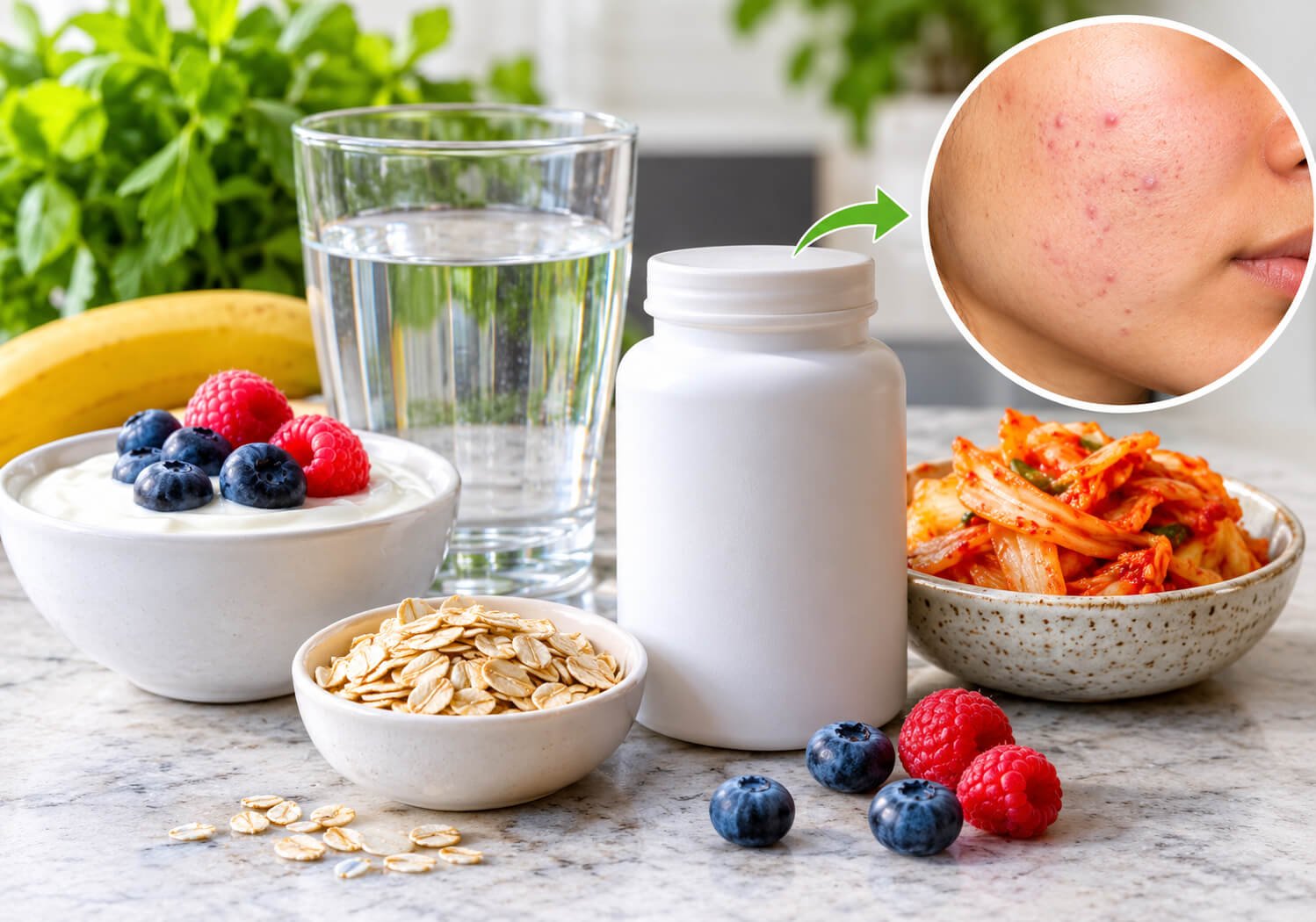
If you train hard, eat clean, and wash your face religiously, yet still deal with stubborn breakouts, your gut might be the missing piece of the puzzle. Many active adults notice that intense training blocks, high-protein diets, or daily stress trigger skin flare-ups that topical creams simply cannot touch. Using probiotics for acne has gained serious attention in dermatology research as a way to calm skin inflammation from the inside out.
Think of your digestive tract and your skin like two training partners that constantly share information. When your gut bacteria fall out of balance, inflammatory signals travel through your bloodstream and show up on your face, chest, or back. By supporting your internal microbiome, you may help your skin stay calmer, clearer, and more resilient.
Before starting any new supplement routine for your skin, check with a doctor or dermatologist first—especially if you take prescription acne medications or have underlying digestive conditions.
Quick Answer
Research suggests that probiotics for acne may help reduce breakouts by calming systemic inflammation, strengthening the intestinal barrier, and lowering sebum-triggering hormones like IGF-1. Strains such as Lactobacillus rhamnosus and Bifidobacterium show the most promise in early clinical trials. Most people need 8 to 12 weeks of consistent daily use alongside a balanced skincare routine to see visible skin improvements.
What the Research Says About the Gut-Skin Axis and Probiotics for Acne
For decades, dermatologists treated acne strictly as a surface-level issue caused by clogged pores, excess oil, and bacteria. While those factors still matter, modern research highlights a powerful two-way communication highway known as the gut-skin axis. According to a comprehensive review published in Frontiers in Microbiology (PMC), the microbes living in your digestive tract directly influence immune responses, hormone signaling, and inflammation levels in your skin.
When stress, poor sleep, ultra-processed foods, or antibiotics disrupt your gut flora, a condition called gut dysbiosis occurs. Dysbiosis weakens the tight junctions lining your intestinal wall, allowing bacterial fragments and inflammatory compounds to slip into your bloodstream. Your immune system reacts by releasing inflammatory cytokines, which travel to your sebaceous glands and worsen red, swollen pimples.
Taking probiotics for acne introduces beneficial live microorganisms that help restore balance to this internal ecosystem. Clinical studies point to three primary ways specific probiotic strains support clearer skin:
- Lowering Systemic Inflammation: Beneficial bacteria produce short-chain fatty acids (SCFAs) like butyrate, which calm overactive immune responses and reduce redness around clogged pores.
- Regulating Sebum and Hormone Signals: A clinical trial indexed on PubMed found that adults taking Lactobacillus rhamnosus SP1 for 12 weeks showed reduced skin expression of IGF-1 (insulin-like growth factor 1), a hormone that drives excess oil production and rapid skin cell turnover.
- Crowding Out Harmful Microbes: Both oral and topical probiotics help produce natural antimicrobial peptides that keep acne-associated bacteria, such as Cutibacterium acnes, from overgrowing on the skin surface.
Best Probiotic Strains for Clear Skin: Evidence Breakdown
Not all probiotic supplements work the same way. Just like different exercises target specific muscle groups, different bacterial strains perform specific jobs in the body. Buying a random bottle off the shelf without checking the exact strain names on the label often leads to wasted money.
Researchers have tested several specific strains for inflammatory skin conditions and acne vulgaris. The table below breaks down the most studied strains, their mechanisms, and typical daily ranges used in clinical settings.
| Probiotic Strain | Primary Mechanism for Skin | Typical Clinical Range | Best Suited For |
| Lactobacillus rhamnosus (GG or SP1) | Reduces IGF-1 expression and calms systemic inflammatory markers | 3 billion to 10 billion CFU daily | Adult acne, oil-driven breakouts, and stress-related flares |
| Lactobacillus acidophilus | Supports gut barrier integrity and inhibits pathogenic gut bacteria | 1 billion to 10 billion CFU daily | General digestive support paired with mild inflammatory acne |
| Bifidobacterium bifidum | Lowers oxidative stress and improves skin hydration and barrier function | 1 billion to 5 billion CFU daily | Dry, irritated skin alongside topical acne treatments |
| Lactobacillus paracasei | Decreases skin sensitivity and accelerates skin barrier recovery | 2 billion to 10 billion CFU daily | Sensitive skin prone to redness and post-blemish marks |
| Saccharomyces boulardii | Beneficial yeast that protects gut flora during antibiotic therapy | 250 mg to 500 mg (5–10 billion CFU) | People taking oral antibiotics (like doxycycline) for acne |

According to the National Institutes of Health (NIH) Office of Dietary Supplements, probiotic effects are strictly strain-specific. A benefit proven for Lactobacillus rhamnosus SP1 does not automatically apply to every product containing Lactobacillus on the label. Always look for products that list the genus, species, and strain designation (for example, L. rhamnosus GG) alongside a guaranteed CFU count through the expiration date.
Coach’s Tip: Treat probiotic labels like nutrition facts on protein powder. Ignore flashy front-of-bottle marketing claims and flip straight to the Supplement Facts panel. If a brand hides its strains behind a “proprietary blend” without listing individual strain names, put it back on the shelf.
How to Apply Probiotics for Acne: A Practical Step-by-Step Routine
Adding a supplement to your daily routine only works if you stay consistent and give your body the right environment to use it. Much like building strength in the gym, microbiome shifts happen gradually over weeks rather than overnight. Follow this four-step framework to test whether probiotics for acne work for your skin.
1. Choose the Right Delivery Format (Oral vs. Topical)
For most people dealing with persistent breakouts, an oral capsule offers the broadest benefits because it addresses internal gut inflammation and hormone signaling. However, topical probiotic skincare—such as cleansers, serums, and moisturizers containing Lactobacillus lysates—can also strengthen your outer skin barrier. Using an oral supplement as your foundation while keeping your topical skincare gentle and fragrance-free gives you a balanced two-pronged approach.
2. Dial In Your Daily Dosage and Timing
Start with a targeted supplement providing 5 billion to 20 billion CFUs per day from researched Lactobacillus and Bifidobacterium strains. Massive 100-billion-CFU megadoses are rarely necessary for skin goals and are more likely to cause temporary bloating. Take your capsule with a meal that contains a small amount of healthy fat, or right before breakfast, to buffer stomach acid and help more live bacteria survive the trip to your intestines.
3. Feed Your Good Bacteria With Prebiotic Fiber
Probiotics are living organisms that need fuel to thrive once they reach your gut. If you swallow expensive probiotic capsules while eating a low-fiber diet, those beneficial microbes struggle to colonize. Pair your supplement with prebiotic-rich foods like oats, bananas, garlic, onions, asparagus, and legumes—or explore how dietary fiber supports overall metabolic and gut health.
4. Track Your Progress for 12 Full Weeks
Skin cells take roughly 28 to 40 days to turn over, and gut microbiome shifts take several weeks to stabilize. Commit to taking your probiotic daily for 8 to 12 weeks before judging your results. Snap a clear photo in the same bathroom lighting every two weeks so you can spot subtle reductions in redness and lesion count that are easy to miss in the mirror day-to-day.

Pairing Probiotics With Whole Foods and Targeted Skin Nutrients
Supplements work best when they reinforce solid daily nutrition habits. You cannot out-supplement a diet heavy in high-glycemic sugars, ultra-processed snacks, and chronic dehydration, all of which spike insulin and IGF-1 levels.
Start by adding small servings of naturally fermented foods to your weekly meals:
- Plain Greek Yogurt or Kefir: Rich in live Lactobacillus cultures and high-quality protein. If dairy triggers your breakouts, opt for unsweetened coconut or almond milk yogurt fortified with live active cultures.
- Sauerkraut and Kimchi: Fermented cabbage provides diverse lactic acid bacteria along with gut-friendly fiber. Choose refrigerated jars labeled “raw” or “unpasteurized,” since heat canning kills live microbes.
- Tempeh and Miso: Fermented soy foods deliver beneficial microbes and bioavailable nutrients without the added sugars found in many commercial probiotic drinks.
You can also pair probiotics with targeted nutrients that calm skin inflammation and support barrier repair. For example, research suggests that omega-3 fatty acids support skin hydration and reduce inflammation, while antioxidants like astaxanthin may protect skin cells against oxidative stress. If you are focused on healing post-acne marks and supporting tissue repair, understanding how collagen and vitamin C work together for skin health can also complement a clear-skin nutrition plan.
Common Mistakes When Using Probiotics for Acne
Even well-intentioned routines fall short when small execution errors get in the way. Watch out for these frequent pitfalls when starting a gut-skin protocol:
Common Mistake: Quitting after two weeks because your skin has not cleared up yet—or panicking over mild initial bloating. Gut microbes and skin turnover operate on a monthly timeline, not a 48-hour cycle. Stopping early prevents you from ever reaching the 8-to-12-week window where clinical trials measure real skin improvements.
- Storing Heat-Sensitive Probiotics Improperly: Leaving probiotic bottles in a steamy bathroom cabinet or a hot gym bag can kill the live bacteria before you ever swallow a capsule. Keep shelf-stable formulas in a cool, dry pantry, and store refrigerated strains strictly in the fridge.
- Taking Probiotics at the Exact Same Time as Antibiotics: If your dermatologist prescribed an oral antibiotic like doxycycline or minocycline, taking your probiotic in the same handful of pills allows the antibiotic to wipe out the beneficial bacteria immediately. Space them at least 2 to 3 hours apart so both can do their jobs effectively.
- Ignoring Post-Workout Hygiene: Internal gut support will not prevent clogged pores if sweat, oil, and gym bacteria sit on your skin for hours after lifting or cardio. Wash your face with a gentle cleanser within 30 minutes of finishing your workout, and swap out sweaty shirts promptly.
- Overloading on Harsh Topical Acids: Many people start probiotics while simultaneously stripping their skin barrier with strong benzoyl peroxide, salicylic acid, and retinoids every single night. A damaged outer barrier stays red and inflamed even when your gut health improves.
Safety Notes and Who Should Be Careful
For most healthy adults, probiotic supplements are well tolerated and carry a low risk of side effects. During the first 3 to 7 days of use, some people experience mild gas, bloating, or minor changes in stool consistency as their gut bacteria adjust. These symptoms usually fade quickly once your digestive tract adapts.
However, live microorganisms are not appropriate for everyone. According to the Cleveland Clinic, people with severely weakened immune systems, critical illnesses, central venous catheters, or recent major bowel surgery face a rare risk of bloodstream infections from probiotic supplements.
Additionally, if you deal with Small Intestinal Bacterial Overgrowth (SIBO) or severe histamine intolerance, certain Lactobacillus strains can temporarily worsen bloating, headaches, or skin flushing. Pregnant or breastfeeding individuals should also consult their healthcare provider before adding new dietary supplements.
Always check the ingredient list for hidden allergens like dairy, soy, or gluten, and look for third-party quality testing seals (such as USP, NSF, or ConsumerLab) to verify that the bottle actually contains the live strains listed on the label.
Related Lifestyle Habits That Reinforce Clear Skin
Think of probiotics as an assistant coach, not the entire coaching staff. Your daily recovery habits heavily influence both your gut microbiome and your hormone balance.
- Prioritize 7 to 9 Hours of Quality Sleep: Poor sleep spikes cortisol and inflammatory cytokines while disrupting gut microbial diversity. Just as sleep quality shapes your metabolism and hormone balance, consistent rest helps keep stress-induced breakouts in check.
- Manage Training and Life Stress: High-intensity workouts elevate cortisol temporarily, which is normal and healthy when balanced with rest days. Chronic under-recovery, however, slows gut motility and increases sebum production. Incorporate light mobility work, walking, or breathing drills on recovery days.
- Watch Hidden Sugars in Fitness Supplements: Many pre-workouts, mass gainers, and flavored protein bars pack 15 to 30 grams of added sugar or artificial sugar alcohols per serving. Excess sugar spikes IGF-1, while heavy sugar alcohols can irritate your gut lining and trigger bloating.
- Stay Consistently Hydrated: Drinking enough water supports healthy digestion, regular bowel movements, and optimal skin barrier hydration. Aim for roughly half your body weight in ounces of water daily, adding extra fluids around sweaty training sessions.
For a broader look at how gut microbes influence metabolism and overall body composition alongside skin health, read our breakdown on how probiotics affect appetite and weight management.

Frequently Asked Questions (FAQ)
Do probiotics actually help clear acne?
Early clinical studies suggest that probiotics for acne may help reduce inflammatory breakouts by calming systemic inflammation, strengthening the gut lining, and lowering oil-stimulating hormones like IGF-1. While they are not a standalone cure for severe cystic acne, they work well alongside proven dermatological treatments and healthy nutrition.
Which probiotic strain is best for acne?
Research points most strongly toward Lactobacillus rhamnosus (specifically strains SP1 and GG), Lactobacillus acidophilus, and Bifidobacterium bifidum for supporting clearer skin. If you are taking oral antibiotics for acne, Saccharomyces boulardii is also widely used to protect your gut microbiome from antibiotic-related disruption.
How long does it take for probiotics to work on skin?
Most clinical trials evaluating oral probiotics for skin health measure results at 8 to 12 weeks of consistent daily use. While digestive improvements like less bloating may appear within two weeks, your skin requires at least one to two full 28-day cellular turnover cycles to show visible clearing.
Can probiotics cause acne breakouts at first?
Probiotics do not typically cause true skin purging the way topical retinoids do. However, a small percentage of people notice temporary mild breakouts or digestive shifts during the first week or two as their gut microbiome rebalances. If breakouts worsen past three weeks, discontinue the supplement and consult a dermatologist.
Are topical or oral probiotics better for acne?
Oral probiotics offer broader benefits because they address internal gut inflammation, immune signaling, and hormone regulation from within. Topical probiotic skincare can help calm surface redness and strengthen your outer skin barrier, making a combination of an oral supplement and a gentle topical formula ideal for many people.
Can you take probiotics alongside acne antibiotics?
Yes, taking probiotics during a course of oral acne antibiotics like doxycycline can help reduce digestive side effects and protect beneficial gut bacteria. Just be sure to space your probiotic capsule at least 2 to 3 hours away from your antibiotic dose so the medication does not neutralize the live probiotic strains.
Conclusion
Clear skin rarely comes from a single magic product—it comes from consistent habits that support your body both inside and out. Science increasingly confirms that your digestive tract and your skin communicate constantly through immune and hormonal pathways. Adding targeted probiotics for acne to your daily routine offers a practical, evidence-informed way to calm internal inflammation, support a healthy gut barrier, and complement your topical skincare.
Start simple: pick a third-party tested supplement containing well-researched Lactobacillus and Bifidobacterium strains, pair it with fiber-rich whole foods, and stay consistent for 12 full weeks. Combine that internal support with smart post-workout hygiene, quality sleep, and proven topical care to give your skin the best environment to thrive.