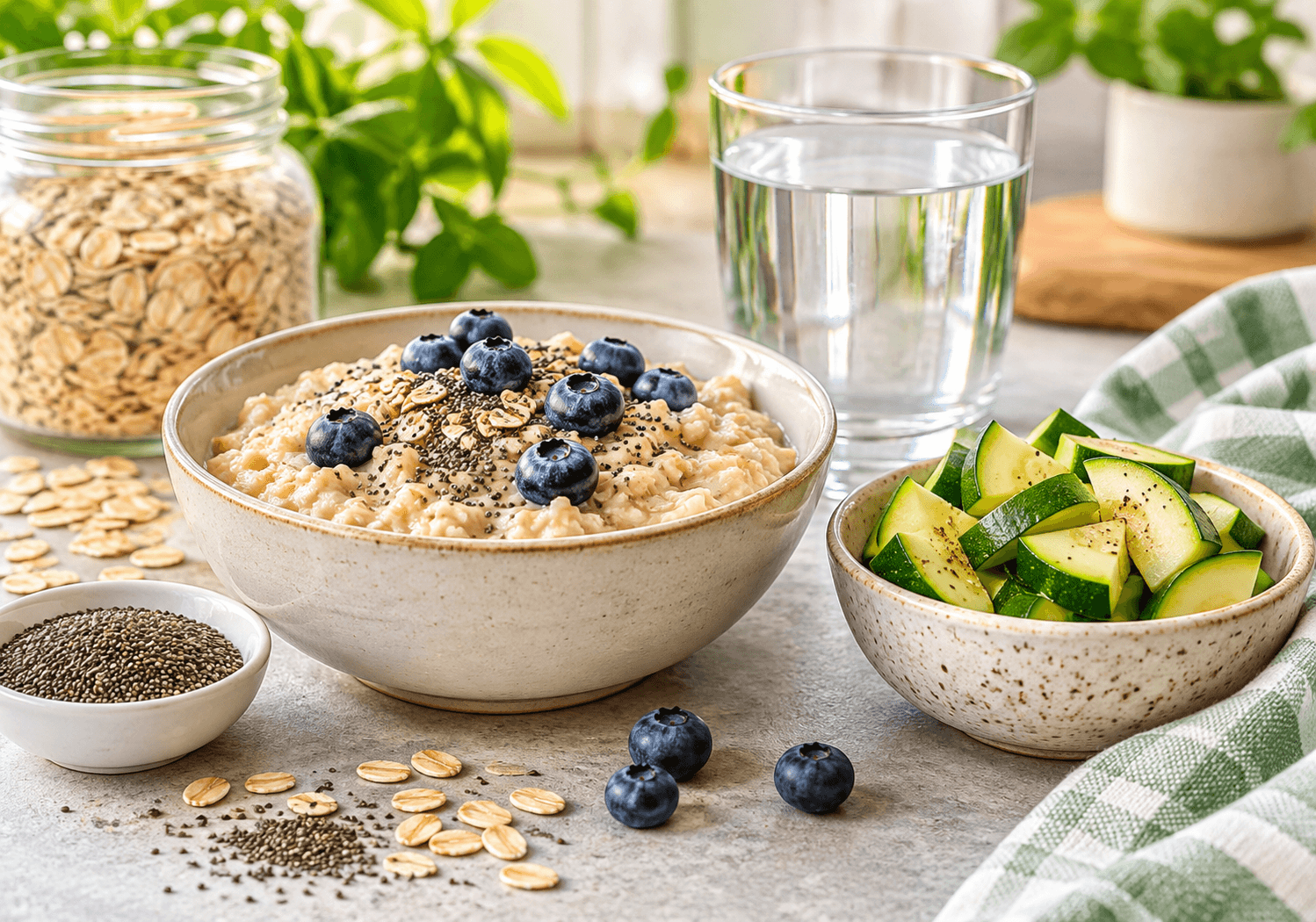
Many gym beginners and women over 40 ask a common, frustrating question: does fiber make bloating worse? The short answer is that it can, but only if you introduce it too quickly or without adequate hydration. Dietary fiber is essential for digestive health, appetite control, and long-term weight management. However, suddenly increasing your intake of high-fiber foods or supplements can lead to temporary abdominal distension, gas, and discomfort.
Understanding how your gut microbiome processes different types of fiber is the key to avoiding this pitfall. As a strength and conditioning coach, I see clients frequently abandon healthy eating plans because of preventable digestive distress. They hear that fiber is healthy, so they add a massive scoop of powder to their morning shake or eat a giant bowl of beans, only to feel miserable an hour later. This guide breaks down the science of fiber, explains exactly why bloating happens, and provides a step-by-step protocol to help you reap the benefits of a high-fiber diet without the uncomfortable side effects.
Quick Answer
Does fiber make bloating worse? Yes, temporarily, if you increase your intake too rapidly or do not drink enough water. Soluble fiber ferments in the gut, producing gas that causes bloating. To prevent this, increase your fiber intake gradually by 3 to 5 grams per day, prioritize soluble fiber sources like oats and psyllium, and drink at least 80 to 100 ounces (2.4 to 3 liters) of water daily.
The Science: Why Does Fiber Cause Bloating?
To understand why your stomach might feel tight and uncomfortable after a healthy meal, we have to look at what fiber actually is. Dietary fiber is a type of carbohydrate that human digestive enzymes cannot break down. Instead of being absorbed in the small intestine like sugars or starches, fiber travels largely intact into the large intestine (colon).
Once in the colon, fiber becomes food for your gut microbiome—the trillions of beneficial bacteria living in your digestive tract. When these bacteria consume fiber, they ferment it. This fermentation process is highly beneficial because it produces short-chain fatty acids (SCFAs) like butyrate, which nourish the cells lining your colon and reduce systemic inflammation, according to the National Institutes of Health (NIH).
However, fermentation also produces gases as a natural byproduct, primarily hydrogen, methane, and carbon dioxide. For most people, this gas is absorbed into the bloodstream and exhaled, or passed quietly. But when a large amount of fiber arrives in the colon all at once, the bacteria ferment it rapidly, producing a surge of gas that gets trapped. This leads to abdominal distension, the clinical term for bloating.
Additionally, certain types of fiber are highly fermentable and belong to a group of carbohydrates known as FODMAPs (Fermentable Oligosaccharides, Disaccharides, Monosaccharides, and Polyols). The Monash University FODMAP research indicates that high-FODMAP fibers, such as inulin or certain legumes, draw extra water into the intestine and ferment very quickly, making them prime suspects for severe bloating in sensitive individuals.
Fiber Types and Bloating Risk: A Detailed Breakdown
Not all fiber is created equal when it comes to digestive comfort. Understanding the difference between soluble and insoluble fiber, as well as their fermentation rates, will help you make smarter food choices.
| Fiber Type | Solubility | Fermentation Rate | Bloating Risk | Common Food Sources | Best For |
| Psyllium Husk | Soluble | Low to Moderate | Low (if hydrated) | Psyllium supplements, Metamucil | Gentle regularity, appetite control |
| Oat Beta-Glucan | Soluble | Moderate | Low to Moderate | Oats, oat bran | Heart health, steady energy |
| Inulin / Chicory Root | Soluble | Very High | High | Fiber bars, processed “high-fiber” foods, artichokes | Prebiotic gut feeding (use cautiously) |
| Pectin | Soluble | Moderate | Low to Moderate | Apples (with skin), citrus fruits, carrots | Gentle digestion, blood sugar control |
| Wheat Bran | Insoluble | Very Low | Low (but can cause mechanical irritation) | Whole wheat bread, bran cereals | Adding bulk to stool, preventing constipation |
| Cellulose | Insoluble | Very Low | Low | Vegetable skins, leafy greens, nuts | General digestive motility |
| Resistant Starch | Soluble/Insoluble | High | Moderate to High | Cooked and cooled potatoes, green bananas, legumes | Improving insulin sensitivity, gut health |
Note: Individual tolerance varies widely. A food that causes zero bloating in one person may cause significant distress in another, especially for those with underlying gut conditions.

Soluble vs. Insoluble Fiber: The Bloating Breakdown
Soluble Fiber dissolves in water to form a thick, gel-like substance in your digestive tract. Because it holds onto water, it slows down gastric emptying, which helps you feel full longer and stabilizes blood sugar levels. You can learn more about how soluble fiber for appetite can support your fitness goals. However, because it is highly fermentable, soluble fiber is the most common culprit behind gas and bloating when introduced too quickly.
Insoluble Fiber does not dissolve in water. It acts like a broom, adding bulk to your stool and speeding up the passage of food through your stomach and intestines. While it ferments less than soluble fiber (meaning it produces less gas), it can cause mechanical irritation. If you have a sensitive gut, a sudden influx of rough, insoluble fiber (like raw kale or wheat bran) can cause cramping and a feeling of heaviness.
The key to avoiding discomfort is balance. A mix of both types, introduced gradually, allows your gut microbiome to adapt without being overwhelmed.
How to Apply It: A Step-by-Step Protocol for Beginners
If you want to improve your digestion, manage your weight, and support your workouts, you need fiber. But you must respect your gut’s adaptation timeline. Follow this evidence-based protocol to increase your intake safely.
Step 1: Establish Your Baseline
Before making any changes, track your current fiber intake for three days using a nutrition app. The average American consumes only about 15 grams of fiber per day, well below the recommended 25 grams for women and 38 grams for men set by the Mayo Clinic. Know your starting point.
Step 2: The Gradual Increase Protocol
Do not double your fiber intake overnight. Add only 3 to 5 grams of fiber per day each week.
- Week 1: Add 1/2 cup of cooked oats (4 grams of fiber) to your breakfast.
- Week 2: Add 1 cup of cooked, peeled zucchini (3 grams of fiber) to your dinner.
- Week 3: Add 1 tablespoon of chia seeds (5 grams of fiber) to your post-workout shake. This slow ramp-up gives your gut bacteria time to multiply and adjust to the new food source, minimizing gas production.
Step 3: The Hydration Rule
Fiber acts like a sponge. If you add fiber without adding water, it hardens in the digestive tract, leading to constipation, straining, and severe bloating.
Coach’s Tip: Always pair a new high-fiber food or supplement with an extra 16 to 32 ounces (500 to 1000 ml) of water. If you take a 5-gram scoop of psyllium husk, drink it with at least 12 ounces (350 ml) of water immediately, and follow it with another glass of water within the hour.
Step 4: Strategic Timing Around Workouts
As a coach, I advise clients to avoid high-fiber meals within 2 to 3 hours before a training session. During exercise, blood flow is diverted away from the digestive system and toward the working muscles. If your stomach is busy trying to break down a high-fiber meal, it can lead to gastrointestinal distress, cramping, and nausea. Save your highest-fiber meals for post-workout or dinner.
Sample 3-Day Low-Bloat, High-Fiber Transition Plan
- Day 1: Breakfast: 1/2 cup cooked oatmeal with 1/2 cup blueberries. Lunch: Grilled chicken with 1/2 cup white rice and cooked carrots. Dinner: Baked salmon with 1/2 cup mashed sweet potato (peeled).
- Day 2: Breakfast: Same as Day 1, plus 1 tablespoon of ground flaxseed. Lunch: Turkey wrap with a small handful of spinach. Dinner: Lean beef with 1/2 cup quinoa and steamed green beans.
- Day 3: Breakfast: Smoothie with 1 scoop protein powder, 1/2 banana, and 1 tablespoon chia seeds (soaked for 10 minutes prior). Lunch: Lentil soup (1/2 cup serving). Dinner: Chicken breast with 1 cup roasted, peeled butternut squash.

Safety Notes: Who Should Be Careful with Fiber?
While fiber is overwhelmingly beneficial for the general population, certain groups need to take extra precautions. If you fall into one of these categories, consult a healthcare provider before making significant dietary changes.
- Irritable Bowel Syndrome (IBS) or SIBO: Individuals with IBS or Small Intestinal Bacterial Overgrowth (SIBO) often have heightened sensitivity to fermentation. High-FODMAP fibers (like inulin, garlic, onions, and certain beans) can trigger severe bloating, pain, and altered bowel habits. A low-FODMAP diet, guided by a registered dietitian, is often the best starting point.
- Pelvic Floor Dysfunction: For women, particularly postpartum, straining due to fiber-induced constipation can worsen pelvic floor issues. Ensuring adequate water intake and using gentle osmotic laxatives (like magnesium) alongside soluble fiber may be necessary.
Common Mistake: Adding a full serving of fiber powder (e.g., 10 grams) to your morning shake on day one because you read it aids weight loss. This shocks the gut microbiome, leading to immediate gas, abdominal distension, and a negative association with healthy eating. Start with a quarter or half serving.
Regression and Progression for Fiber Intake
- Regression (Easier on the gut): Start exclusively with low-FODMAP, easily digestible soluble fibers. Examples include 1/2 cup of cooked oats, peeled zucchini, cantaloupe, and small doses (2-3 grams) of psyllium husk. Avoid raw cruciferous vegetables, beans, and fiber-fortified processed bars.
- Progression (Advanced gut tolerance): Once you tolerate the baseline for 3 to 4 weeks without bloating, gradually introduce diverse, higher-FODMAP whole foods. Examples include 1/2 cup of cooked lentils, raw broccoli, apples with the skin on, and a full 5-gram scoop of psyllium or glucomannan for hunger management.
Related Tips for Digestive Comfort
Increasing fiber is only one piece of the puzzle. To truly optimize your digestive health and minimize bloating, incorporate these supportive habits into your daily routine.
1. Post-Meal Movement Light physical activity after eating significantly aids gastric emptying and intestinal motility. A brisk walk of 1 to 2 miles (1.5 to 3 km) after a large meal can help move gas through the digestive tract, preventing it from becoming trapped and causing distension. Avoid intense, high-impact workouts immediately after eating, but gentle movement is highly encouraged.
2. Supportive Teas and Enzymes If you experience mild bloating despite following the gradual protocol, natural remedies can help. Peppermint tea contains menthol, which has been shown in clinical studies to relax the smooth muscles of the gastrointestinal tract, relieving spasms and gas. Ginger tea is another excellent option, as it accelerates gastric emptying. For some individuals, a broad-spectrum digestive enzyme taken with meals can help break down complex carbohydrates, reducing the fermentable load on the colon.
3. Evaluate Your Supplement Stack Many protein bars, meal replacements, and “diet” foods are artificially fortified with cheap, highly fermentable fibers like inulin or chicory root extract to boost the fiber count on the nutrition label. These are notorious for causing gas. Always read the ingredient list. If you are looking for legitimate support, research shows that psyllium husk benefits are far superior and gentler on the stomach than inulin. Furthermore, understanding how glucomannan works can help you choose supplements that expand safely with water rather than fermenting rapidly.
4. Support Your Microbiome Holistically Fiber is a prebiotic, meaning it feeds good bacteria. Ensuring you have a healthy population of good bacteria to begin with is essential. Incorporating fermented foods like yogurt, kefir, or sauerkraut, or considering a high-quality probiotic, can improve your gut’s ability to handle fiber. You can explore more about probiotics and gut health to build a resilient digestive system. Additionally, learning to manage food cravings naturally often involves stabilizing blood sugar, which a well-tolerated, gradual fiber intake supports perfectly.

Frequently Asked Questions (FAQ)
1. Why do I get bloated after eating fiber?
You get bloated because human enzymes cannot digest fiber. Instead, the bacteria in your large intestine ferment it. This fermentation process produces short-chain fatty acids (which are healthy) but also generates gases like hydrogen and methane. If you eat too much fiber too quickly, the rapid gas production causes temporary abdominal distension.
2. Does fiber powder cause more bloating than whole foods?
Often, yes. Fiber powders deliver a concentrated dose of isolated fiber (sometimes 5 to 10 grams in a single scoop) without the natural water content and buffering nutrients found in whole foods. Additionally, many powders use inulin or chicory root, which are highly fermentable and more likely to cause gas than the mixed fibers found in whole oats or vegetables.
3. How long does fiber bloating last?
For most healthy individuals, temporary bloating from a sudden increase in fiber lasts between 3 to 7 days as the gut microbiome adapts. If you increase your intake gradually (by 3 to 5 grams per day) and drink plenty of water, this adjustment period is often barely noticeable. If bloating persists beyond two weeks, you should reduce your intake and consult a doctor.
4. What is the best fiber supplement for bloating and constipation?
Psyllium husk is widely considered the best and gentlest fiber supplement. It is a soluble fiber that forms a soothing gel, promoting regular bowel movements without the intense fermentation associated with inulin or wheat dextrin. Start with a half dose (about 2.5 grams) and drink it with at least 12 ounces (350 ml) of water.
5. Can too much fiber cause stomach cramps?
Yes. Excessive fiber, especially insoluble fiber, can cause mechanical irritation and spasms in the intestines. Furthermore, if you consume high amounts of fiber without adequate hydration, the fiber can harden, leading to constipation. The body then contracts the intestinal muscles forcefully to move the blockage, resulting in painful stomach cramps.
6. Does soluble fiber cause more bloating than insoluble fiber?
Generally, yes. Soluble fiber is highly fermentable, meaning gut bacteria break it down rapidly, producing more gas. Insoluble fiber does not dissolve or ferment as much, so it produces less gas. However, insoluble fiber can cause a different type of discomfort (heaviness or cramping) if introduced too quickly or if you have a sensitive digestive tract.
Conclusion
So, does fiber make bloating worse? Only if you rush the process or ignore your body’s need for hydration. Dietary fiber is a non-negotiable pillar of long-term health, supporting everything from regular bowel movements and appetite control to a resilient gut microbiome. The discomfort you feel is not a sign that fiber is “bad” for you; it is simply a sign that your gut needs time to adapt.
By following a gradual increase protocol, prioritizing gentle soluble fibers like oats and psyllium, and committing to drinking 80 to 100 ounces (2.4 to 3 liters) of water daily, you can completely eliminate preventable bloating. Listen to your body, respect the regression and progression phases, and you will soon enjoy the energy and digestive comfort that a well-balanced, high-fiber diet provides.