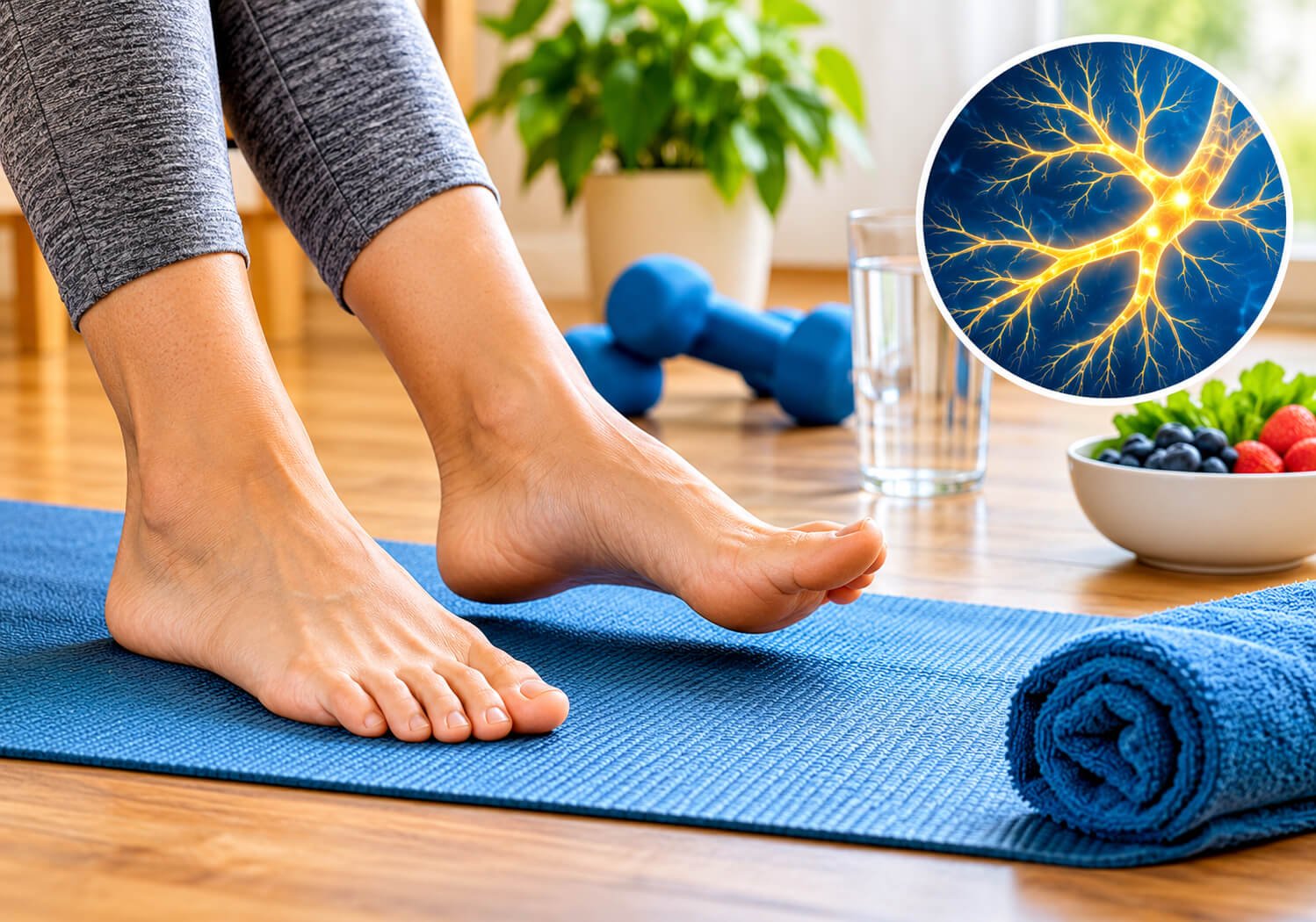
Peripheral neuropathy can cause tingling, burning, numbness, weakness, or sharp pain—often starting in the feet and lower legs. The best natural remedies for peripheral neuropathy do not “cure” damaged nerves overnight. Instead, they can help you protect your feet, improve balance and circulation, manage contributing factors, and stay more active with less fear of falling.
Before starting a new exercise plan, supplement, or home treatment, check with a doctor or physical therapist—especially if you have diabetes, foot wounds, worsening weakness, poor circulation, or frequent falls.
Quick Answer: The best natural remedies for peripheral neuropathy include regular low-impact exercise, balance and strength training, daily foot checks, supportive shoes, blood sugar management when relevant, sleep and stress habits, and correcting confirmed nutrient deficiencies. These strategies may improve function and comfort, but new or worsening numbness, weakness, wounds, or severe pain needs medical assessment.
What Peripheral Neuropathy Is—and Why a Plan Matters
Peripheral nerves carry messages between your brain, spinal cord, muscles, skin, and internal organs. When these nerves are injured or not working properly, symptoms can include altered sensation, pain, weakness, reduced coordination, and balance trouble.
Many health conditions and exposures can contribute to neuropathy. Diabetes is a common cause, but so are certain medications, alcohol use, autoimmune conditions, kidney disease, infections, injuries, and nutrient deficiencies. The National Institute of Neurological Disorders and Stroke notes that identifying and addressing the underlying cause is a central part of neuropathy care (NINDS).
Natural approaches work best as support—not as a replacement for diagnosis or medical treatment. If your feet are numb, for example, simply “pushing through” long walks can lead to blisters or sores you do not feel right away. A better approach is gradual training, careful foot care, and regular symptom checks.

Best Natural Remedies for Peripheral Neuropathy: The Evidence-Based Priorities
The most useful natural strategies are usually simple and repeatable. Start with the items that improve safety and daily function before spending money on supplements or gadgets.
1. Use low-impact aerobic exercise
Regular movement supports heart health, circulation, mood, sleep, and blood sugar management. For people with diabetes, physical activity can also help improve insulin sensitivity and glucose control, both of which matter for reducing the risk of diabetes-related nerve complications.
The Physical Activity Guidelines for Americans recommend that adults build toward at least 150 minutes of moderate-intensity aerobic activity weekly, plus muscle-strengthening work on at least two days. You do not need to begin there.
Good low-impact options include:
- Flat, predictable-surface walking in supportive shoes
- A recumbent bike, which gives your back support and reduces fall risk
- A stationary upright bike if balance and saddle comfort are good
- Water walking or water aerobics, if you can enter and exit the pool safely
- Chair cardio, such as seated marching and arm swings
- A gentle treadmill walk while holding the rails only as needed
Start with 5 to 10 minutes, 3 to 5 days per week. Your pace should allow you to speak in short sentences but not sing comfortably. Add 2 to 5 minutes per session every one to two weeks if your symptoms, skin checks, and recovery are stable.
Walking can be helpful, but it is not automatically the best choice for everyone. If you have poor balance, foot ulcers, severe pain with weight-bearing, or heavy numbness, a recumbent bike or clinician-guided plan may be safer.
2. Train balance before your balance is challenged
Numbness in the soles of your feet can reduce feedback about where your body is in space. That makes uneven ground, curbs, dark rooms, quick turns, and stairs harder to manage. Balance practice teaches you to use your ankles, hips, legs, vision, and core more effectively.
A small study in people with diabetic peripheral neuropathy found that exercise training improved balance and functional measures, although exercise should be individualized to the person’s symptoms and risks (Kluding et al., Physical Therapy).
Practice near a kitchen counter or sturdy chair, never next to a rolling chair or glass table. Use a clear floor, good lighting, and supportive footwear if bare feet feel unsafe.
Starter balance circuit
Perform this circuit 3 days per week after a brief warm-up:
| Exercise | Sets | Reps or Time | Rest | Coaching cue |
| Supported weight shifts | 2 | 10 each direction | 30 seconds | Shift slowly from one foot to the other without leaning your torso |
| Sit-to-stand | 2 | 6 to 10 | 60 seconds | Stand tall by driving through your whole foot, then lower with control |
| Tandem stance | 2 | 10 to 20 seconds per side | 30 seconds | Place one foot partly in front of the other and keep fingertips on support |
| Seated heel-toe raises | 2 | 12 to 15 | 30 seconds | Lift heels, then lift toes; move through a comfortable range |
Regression: Keep both hands on the counter and use a wider stance.
Progression: Use one light fingertip for support, lengthen the hold to 30 seconds, or slowly turn your head side to side while maintaining the position.
Coach’s Tip: Balance training should feel like focused practice, not a near-fall. If you repeatedly grab the counter, widen your stance or increase support. Better control beats a harder variation.
3. Build leg and foot strength
Strength work is one of the most overlooked natural remedies for peripheral neuropathy because people often focus only on pain. Yet stronger hips, thighs, calves, and ankles can improve your ability to stand from a chair, clear your toes during walking, climb stairs, and recover from a small loss of balance.
You do not need heavy barbells. Begin with body weight, a chair, and a light resistance band. The American College of Sports Medicine recommends resistance exercise for major muscle groups on at least two days per week, adjusted to the individual’s fitness and health status (ACSM).
Essential strength movements
Sit-to-stand
This movement strengthens your quadriceps, glutes, hamstrings, and trunk. It directly carries over to getting up from the toilet, car, or sofa.
- Sit near the front of a stable chair, feet hip-width apart.
- Place your whole foot on the floor; avoid letting the feet drift far forward.
- Lean your chest slightly forward while keeping your back long.
- Press through your feet and stand without using your hands if possible.
- Pause tall for one second, then lower over about 3 seconds.
Perform 2 to 3 sets of 6 to 12 reps, resting 60 to 90 seconds.
Easier version: Use a taller chair or press lightly into the armrests.
Harder version: Hold a light dumbbell such as 5 to 15 lb [2 to 7 kg] at your chest, or slow the lowering phase to 4 seconds.
Seated resistance-band ankle press
This exercise targets the calf muscles and can improve active ankle control.
- Sit tall in a chair with one leg straight, heel resting on the floor.
- Loop a light band around the ball of your foot and hold both ends.
- Point your toes away slowly against the band.
- Return with control; do not snap back.
- Complete all reps, then switch sides.
Perform 2 sets of 10 to 15 reps per foot. Use a light band first; the correct resistance allows smooth movement without cramping.
Easier version: Perform ankle pumps with no band.
Harder version: Move to standing calf raises while holding a counter.
Standing calf raise
Calf strength supports walking, stair climbing, and push-off. Stand at a counter with hands lightly resting on it.
- Set your feet about hip-width apart.
- Rise onto the balls of both feet over 2 seconds.
- Pause briefly at the top.
- Lower for 3 seconds until heels touch down.
Perform 2 to 3 sets of 8 to 15 reps.
Common Mistake: Rolling to the outside edges of the feet or rushing through the lowering phase.
Fix: Keep pressure through the base of the big toe, little toe, and heel. Use less range if you cannot control the descent.
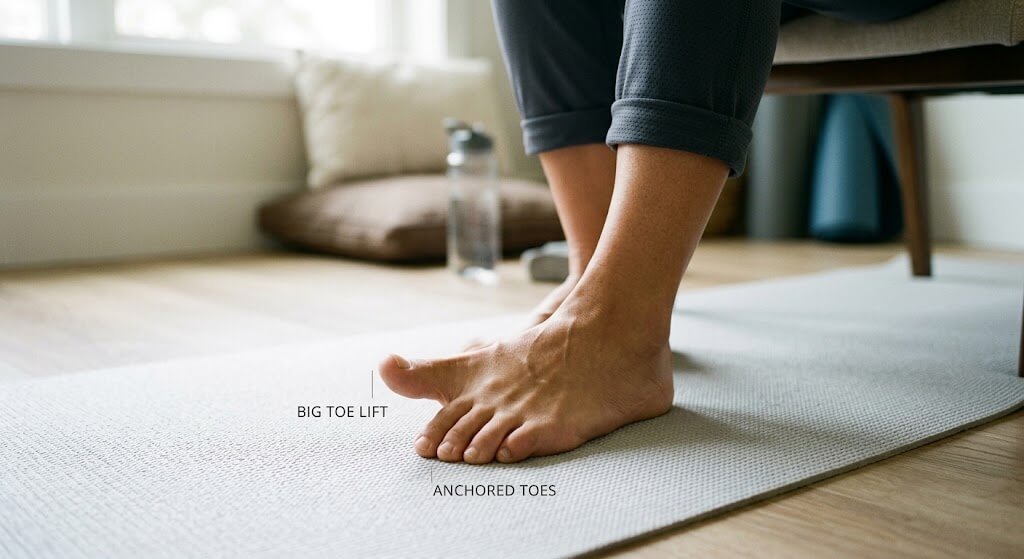
Toe yoga
Toe yoga improves awareness and control of the small intrinsic muscles in the feet. It will feel awkward at first—that is normal.
- Sit with both feet flat.
- Keep your four smaller toes down and lift only the big toe.
- Lower the big toe, then keep it down while lifting the four smaller toes.
- Move slowly and stop if it causes cramping or sharp pain.
Perform 1 to 2 sets of 6 to 10 controlled reps per side. This is not a cure for nerve damage, but it can be useful foot-control practice.
4. Protect your feet every day
Foot care is not glamorous, but it is one of the highest-value habits if you have numbness or diabetes. Reduced feeling can hide pressure points, cuts, burns, or a foreign object in your shoe.
The National Institute of Diabetes and Digestive and Kidney Diseases advises people with diabetes to check their feet daily and contact a healthcare professional about sores, changes in color, swelling, or other concerns.
Use this quick daily routine:
- Look at the tops, soles, heels, and between the toes; use a mirror or ask for help if needed
- Check for redness, cracks, blisters, calluses, cuts, drainage, swelling, or color change
- Wash with warm—not hot—water, then dry carefully between toes
- Apply moisturizer to dry skin, but not between toes
- Wear clean, dry socks and shoes that fit without rubbing
- Shake out shoes before putting them on
- Avoid walking barefoot, even indoors, if sensation is reduced
- Test bath water with a hand or thermometer rather than a numb foot
Choose shoes with a roomy toe box, stable sole, and no obvious interior seams or rough areas. A qualified clinician can advise whether you need diabetic shoes, custom orthotics, or podiatry care.
5. Address blood sugar, alcohol, and nutrient concerns
If diabetes or prediabetes contributes to your neuropathy, blood sugar management is not optional—it is central. The American Diabetes Association Standards of Care describe glucose management, physical activity, foot care, and cardiovascular risk reduction as key elements of diabetes care.
Nutrition should be specific to the cause of your symptoms and your medical plan. A general pattern built around vegetables, fruit, beans, whole grains, protein-rich foods, and unsaturated fats can support overall health, but it cannot replace individualized diabetes care.
Vitamin B_{12} deficiency can cause neurological symptoms, including numbness and balance difficulty. The NIH Office of Dietary Supplements notes that older adults, people taking metformin or acid-suppressing medicines, and people with certain digestive conditions may be at greater risk. Ask for testing before self-treating with high-dose products.
Avoid assuming all “nerve vitamins” are harmless. Too much vitamin B_6 from supplements can itself cause sensory neuropathy, according to the NIH Office of Dietary Supplements. Check labels across multivitamins, energy products, and specialty nerve formulas.
Alcohol can worsen neuropathy or contribute to nutritional problems in some people. If alcohol use is part of the picture, discuss it openly with your clinician; reducing or stopping may be an important part of treatment.
For broader information on identifying deficiencies, see this guide to vitamins for nerve health and cognitive function.
6. Improve sleep and calm the pain-stress cycle
Neuropathy pain often feels worse at night, partly because there are fewer distractions and because poor sleep can lower pain tolerance. You may not be able to eliminate symptoms with sleep habits alone, but a consistent routine can make symptoms easier to manage.
Try these practical steps:
- Keep a regular sleep and wake time most days
- Dim bright lights and reduce screens during the final hour before bed
- Use a light blanket frame or loose bedding if fabric contact triggers burning feet
- Keep the room cool, quiet, and dark
- Practice 5 minutes of slow breathing: inhale for 4 seconds, exhale for 6 seconds
- Avoid a hard workout immediately before bed if it makes you feel wired
- Record patterns in a symptom log, including activity, footwear, meals, alcohol, stress, and pain timing
Sleep also matters for overall metabolic health. Read more about how sleep affects metabolism and weight management if sleep disruption and weight concerns are both affecting your routine.
7. Use heat, massage, and topical options carefully
Gentle massage may feel soothing for some people, especially around tight calves and the soles of the feet. However, massage does not repair nerves, and you should avoid deep pressure over fragile skin, bruised areas, ulcers, or swollen joints.
Heat deserves extra caution. Numb feet may not sense excessive heat, so heating pads, hot-water bottles, and hot foot baths can cause burns. If you use warmth, use mild temperature, limit it to short periods, inspect the skin afterward, and do not fall asleep with a heating device on.
Some people ask about capsaicin creams or topical lidocaine. These products are not “natural cures,” and they can irritate skin or interact with an overall treatment plan. Speak with a pharmacist or clinician before use, particularly if you have broken skin, poor circulation, or take several medicines.
Best Natural Remedies for Peripheral Neuropathy: A 20-Minute Home Routine
This simple workout combines circulation, leg strength, ankle mobility, and balance work. Do it 2 to 3 nonconsecutive days per week. Keep a counter or sturdy chair within reach.
| Exercise | Sets | Reps / Time | Rest |
| Seated march | 1 | 2 minutes | As needed |
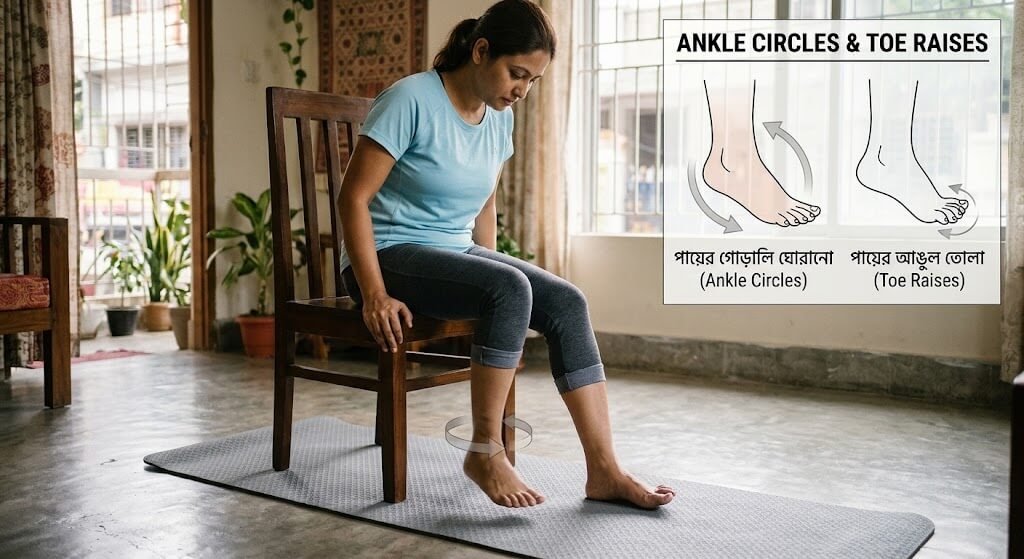
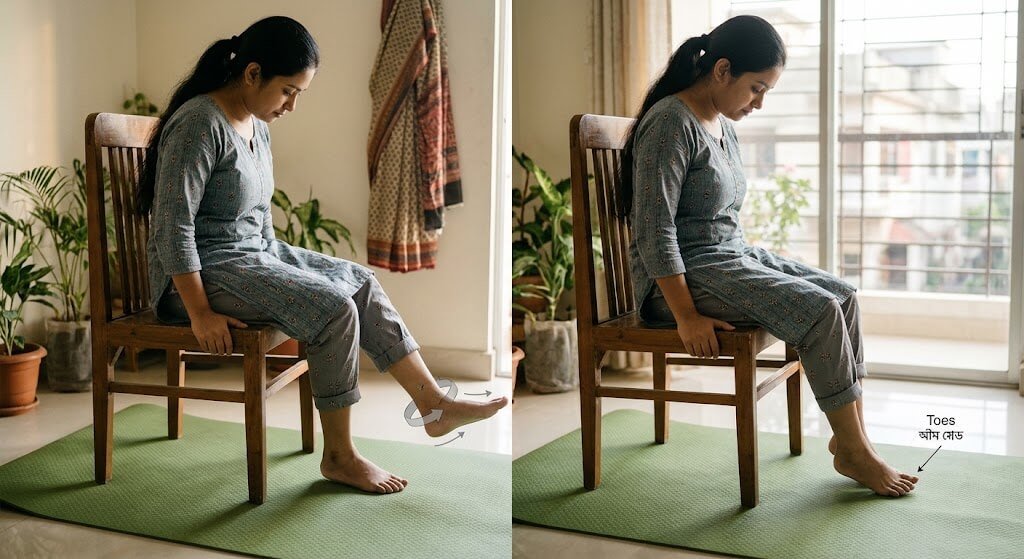
| Ankle circles | 1 | 8 each direction per foot | 15 seconds |
| Sit-to-stand | 2 | 6 to 10 | 60 seconds |
| Seated band ankle press | 2 | 10 to 15 per side | 30 seconds |
| Standing calf raise | 2 | 8 to 15 | 45 seconds |
| Supported weight shifts | 2 | 10 each direction | 30 seconds |
| Tandem stance | 2 | 10 to 20 seconds per side | 30 seconds |
| Gentle calf stretch | 1 | 20 to 30 seconds per side | None |
Warm-up: seated march and ankle circles
Sit tall and march slowly, lifting one knee at a time. Keep the movement comfortable, with no bouncing. Follow with ankle circles in both directions, moving only through a pain-free range.
Strength block: sit-to-stand, band presses, and calf raises
Use the controlled tempos outlined above. Stop a set with 2 to 3 repetitions “in reserve”—meaning you could have completed a few more with good form. Avoid training to failure, especially if fatigue makes your balance worse.
Balance block: weight shifts and tandem stance
Keep your eyes open and your hands near support. The goal is not to remove all support quickly. The goal is to gradually need less support while remaining calm and in control.
Cool-down: calf stretch and breathing
Place both hands on a wall. Step one foot back, keep that heel down, and bend the front knee gently until you feel a mild calf stretch. Do not force your range. End with five slow breaths.
How to Progress Without Overdoing It
Progress should be boring and steady. Add only one variable at a time: a few more reps, a little more walking time, another set, slightly less hand support, or a modestly stronger band.
Use this four-week framework:
| Week | Goal | Adjustment |
| 1 | Learn the movements | Choose the easiest variation and focus on control |
| 2 | Build consistency | Add 2 reps per strength exercise or 2 minutes of walking |
| 3 | Improve capacity | Add one set to one or two exercises, not every exercise |
| 4 | Improve balance confidence | Reduce counter support slightly or add 5 seconds to balance holds |
Scale back for a few days if pain jumps sharply, numbness spreads, your feet develop redness or blisters, or fatigue affects your walking form. New foot drop, rapid weakness, loss of bowel or bladder control, a non-healing wound, fever, or sudden one-sided symptoms need prompt medical evaluation.
Supplements and “Natural” Products: What to Know
Supplements are heavily marketed for nerve pain, but “natural” does not mean effective, safe, or appropriate for your cause of neuropathy. Evidence varies by product, dose, and population.
Alpha-lipoic acid has been studied most often in diabetic neuropathy. Research reviews have reported possible symptom benefits in some studies, but study quality and dosing approaches vary, so it should not be treated as a universal answer (Ziegler et al., Diabetes Care). It may affect blood sugar and can interact with medicines, so clinician guidance matters.
Acetyl-L-carnitine, omega-3 fatty acids, magnesium, turmeric, and B-complex products are also commonly discussed online. They may be appropriate in select situations, but none should replace a diagnosis or prescribed care. More is not better, especially with vitamin B_6.
If a product claims it can regenerate nerves, reverse diabetes, or cure neuropathy quickly, treat that as a red flag. Spend your effort first on safe movement, foot protection, condition management, nutrition quality, sleep, and clinician-guided treatment.
For an overview of symptom patterns related to low B_{12}, see vitamin B12 deficiency nerve pain symptoms.
Common Mistakes That Slow Progress
Doing too much walking too soon
A long walk may sound healthy, but numb or painful feet may not tolerate a sudden mileage jump. Start with short, flat routes. Check your feet after each session and increase gradually.
Ignoring footwear
Worn-out shoes, narrow toe boxes, seams, and loose sandals can create pressure or instability. Choose supportive shoes and inspect the inside before every wear.
Training balance without support
Balancing in the middle of a room turns a useful exercise into a fall risk. Stand at a counter or place a stable chair beside you. A hand close to support is not “cheating.”
Taking high-dose B vitamins blindly
A deficiency needs appropriate testing and treatment. Extra vitamin B_6, especially from stacked supplements, can worsen nerve symptoms rather than fix them.
Treating pain while overlooking the cause
Pain creams, massage guns, and supplements may provide temporary relief, but they cannot replace blood sugar management, medication review, treatment for a deficiency, or care for an underlying medical condition.
When to See a Doctor or Physical Therapist
Schedule an evaluation if numbness, burning, or weakness is new, worsening, or interfering with daily life. A doctor can help identify causes, review medications, order blood work, and determine whether testing or referral is needed.
A physical therapist can assess gait, footwear needs, leg strength, joint mobility, and fall risk. They can also tailor balance exercises when symptoms make generic online routines unsafe.
Seek urgent medical help for:
- A foot wound, drainage, spreading redness, blackened skin, or fever
- Sudden weakness, facial droop, speech trouble, or one-sided numbness
- Rapidly worsening difficulty walking
- New loss of bladder or bowel control
- Severe pain with a cold, pale, or blue foot
FAQ
What are the best natural remedies for peripheral neuropathy?
The best-supported options are low-impact aerobic activity, leg and balance training, daily foot checks, protective footwear, sleep and stress habits, and management of the underlying cause. If diabetes, alcohol use, or a vitamin deficiency contributes, treating that factor is more important than any single home remedy.
Can exercise help peripheral neuropathy?
Exercise may improve strength, balance, walking confidence, and general health. It may not eliminate nerve pain or repair damaged nerves. Choose low-impact activities, increase gradually, and use support during balance work. If you have ulcers, severe weakness, or unstable symptoms, ask a clinician for an individualized plan.
Is walking good for neuropathy in the feet?
Walking can be useful if your skin is intact, your shoes fit well, and your balance is safe. Start with short, flat walks and inspect your feet afterward. A recumbent bike, pool exercise, or chair routine may be a safer starting point for severe numbness or foot pain.
What vitamins help nerve pain in the feet?
Vitamin treatment helps most when testing confirms a deficiency, especially vitamin B_{12} in appropriate cases. Do not assume a “nerve support” blend is safe or necessary. High supplemental vitamin B_6 can contribute to neuropathy, so review labels and ask your doctor before using high doses.
How can I relieve neuropathy pain at night naturally?
A predictable sleep routine, cool bedding, loose sheets, gentle breathing, and careful symptom tracking may help make nighttime discomfort more manageable. Avoid hot heating pads on numb feet because burns can occur without warning. Persistent night pain deserves medical discussion because treatments beyond home care may be needed.
Can massage help neuropathy?
Gentle massage may temporarily relax tight calves or soothe discomfort for some people, but it does not cure neuropathy. Avoid deep pressure, massage over open skin, or aggressive devices on numb areas. Stop if symptoms worsen, skin becomes irritated, or you notice bruising or swelling.
Conclusion: Build a Safer, Stronger Routine
The best natural remedies for peripheral neuropathy are practical habits you can repeat: low-impact movement, strength work, balance training, careful foot protection, consistent sleep, and treatment of the underlying cause. Start smaller than you think you need to, use support, and track how your feet and balance respond.
A 20-minute routine two or three times weekly is more valuable than one hard session followed by a flare-up. Pair that with daily foot checks and medical follow-up for new or changing symptoms. For more mobility-focused ideas, explore our guide on improving balance and mobility in seniors.