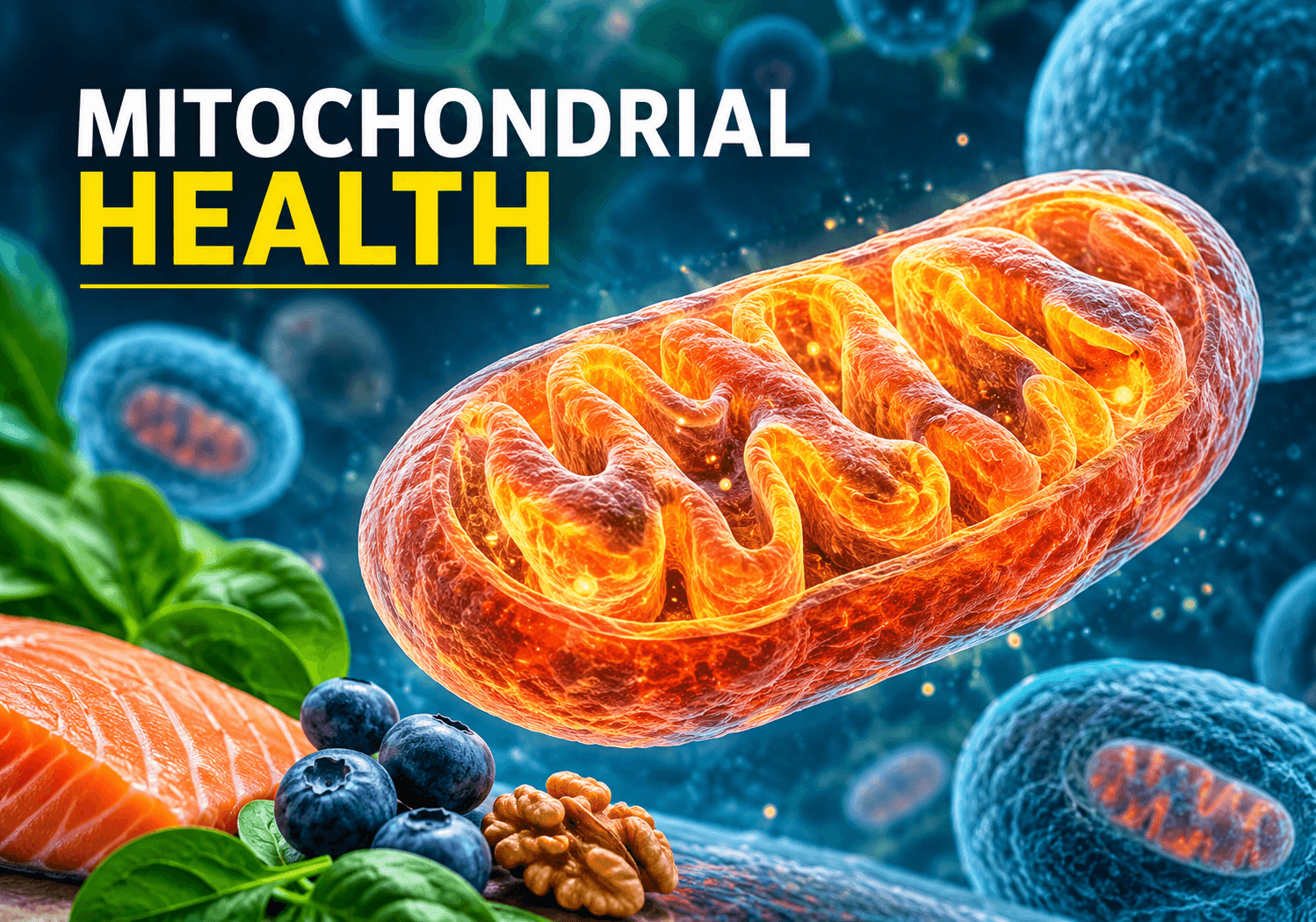
Your mitochondria are the power plants of every cell in your body. They burn fuel and produce ATP, the energy currency that keeps your heart beating, your muscles contracting, and your brain firing. As you age, mitochondrial function gradually declines, which researchers link to fatigue, slower recovery, and accelerated cellular aging. The good news? You can support those tiny organelles with the right combination of nutrients, foods, and training habits.
This guide walks through the best nutrients for mitochondrial health and aging, what the research says about each one, how to take them, and how to layer them into a simple daily routine you can actually stick to.
Quick Answer: The top nutrients for mitochondrial health and aging include CoQ10, PQQ, NAD+ precursors (NMN or NR), alpha-lipoic acid, acetyl-L-carnitine, magnesium, B vitamins, omega-3 fatty acids, astaxanthin, and zinc. Together, they support ATP production, reduce oxidative stress, and promote mitochondrial biogenesis. Pair them with zone 2 cardio and resistance training for the strongest effect.
Why Mitochondrial Health Matters for Aging
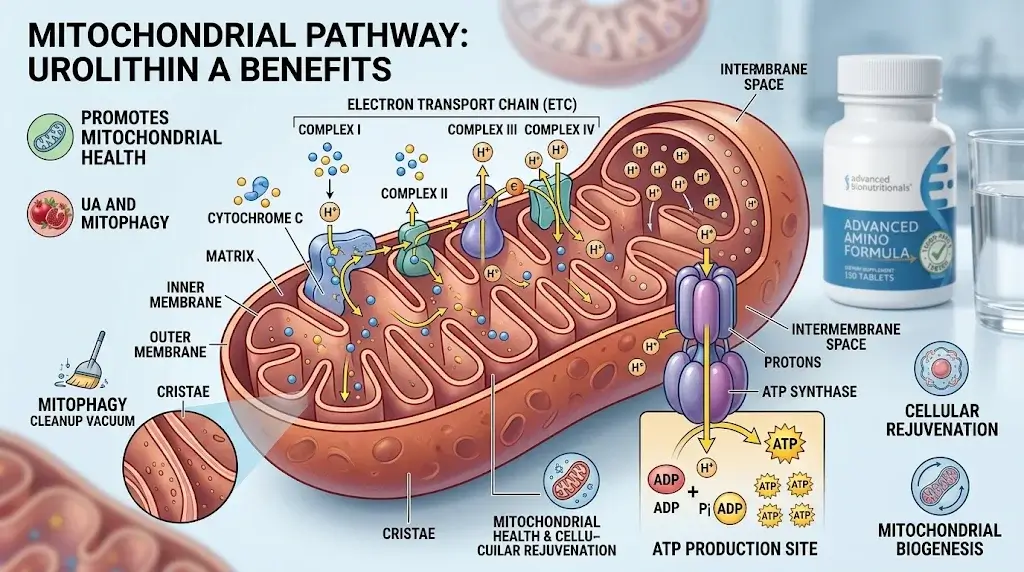
Every cell in your body contains hundreds to thousands of mitochondria. Muscle cells and neurons pack in the most because they demand the most energy. Inside each mitochondrion, the electron transport chain converts the calories you eat into ATP through a process called cellular respiration.
As you age, two things happen. First, mitochondrial DNA accumulates mutations, which impairs the efficiency of the electron transport chain. Second, the body’s ability to build new mitochondria (mitochondrial biogenesis) slows down. The result is a net decline in cellular energy output and a rise in reactive oxygen species, a form of oxidative stress that damages surrounding tissue.
Research published in peer-reviewed journals links this mitochondrial decline to sarcopenia (age-related muscle loss), cognitive slowing, and increased risk of metabolic disorders. The practical takeaway: supporting mitochondrial function is one of the most evidence-based strategies for healthy aging.
What Happens to Mitochondria as You Age
- Reduced biogenesis: New mitochondria are built at a slower rate, so the total population shrinks.
- Increased dysfunction: A higher percentage of existing mitochondria leak electrons, generating excess reactive oxygen species.
- Impaired mitophagy: The cell’s cleanup process (mitophagy) becomes less efficient, so damaged mitochondria linger and worsen oxidative stress.
- Lower membrane potential: The inner mitochondrial membrane becomes less polarized, reducing the driving force for ATP synthesis.
None of this is inevitable in a fixed amount. Nutrition, exercise, and sleep all influence these pathways, which is why the best nutrients for mitochondrial health and aging work best alongside lifestyle changes.
The 10 Best Nutrients for Mitochondrial Health and Aging
Here are the nutrients with the strongest research backing for supporting mitochondrial function, ranked by the breadth and quality of evidence.
1. Coenzyme Q10 (CoQ10)
CoQ10 is a fat-soluble compound found in every cell, but it plays a starring role inside the mitochondrion. It shuttles electrons between Complexes I/II and Complex III of the electron transport chain, making it essential for ATP production. It also acts as a lipid-soluble antioxidant within the inner mitochondrial membrane.
Dosing and form: 100–300 mg per day, taken with a meal containing fat for absorption. Ubiquinone (oxidized form) is the standard; ubiquinol (reduced form) is slightly more bioavailable and may be preferable for adults over 50.
What the research says: CoQ10 levels naturally decline with age. The NIH Office of Dietary Supplements notes that supplementation has been studied in heart failure, statin-related muscle symptoms, and general antioxidant support. While large-scale anti-aging trials are still limited, the mechanistic role in the electron transport chain makes it a foundational mitochondrial nutrient.
2. Pyroloquinoline Quinone (PQQ)
PQQ is a small blue molecule found in blueberries, natto, and green tea. In cell and animal studies, PQQ activates the AMPK pathway, which in turn triggers PGC-1α, the master regulator of mitochondrial biogenesis. In other words, PQQ may help your cells build new, healthy mitochondria rather than just protecting the old ones.
Dosing: 10–20 mg per day, typically taken in the morning.
What the research says: Multiple preclinical studies (reviewed on PubMed) show PQQ upregulates mitochondrial biogenesis in muscle, liver, and brain tissue. Human data is still limited but promising, with small trials showing improved cognitive markers and reduced oxidative stress markers.
3. NAD+ Precursors (NMN or NR)
NAD+ (nicotinamide adenine dinucleotide) is a coenzyme required for over 500 enzymatic reactions, including those in the electron transport chain. NAD+ levels drop significantly from early adulthood onward, and low NAD+ is linked to impaired sirtuin activity, reduced mitochondrial function, and accelerated cellular aging.
NMN (nicotinamide mononucleotide) and NR (nicotinamide riboside) are dietary precursors that the body converts into NAD+.
Dosing: NMN: 250–500 mg per day. NR: 300–600 mg per day. Take in the morning or before a workout.
What the research says: Animal studies consistently show that NAD+ repletion restores mitochondrial function in aged muscle and improves metabolic flexibility. Human trials are ongoing, and while early results are encouraging, the long-term safety profile in adults is still being established. If you are over 50 or have a chronic condition, check with your doctor before starting NAD+ precursors.
4. Alpha-Lipoic Acid (ALA)
Alpha-lipoic acid is a unique antioxidant because it is both water- and fat-soluble, meaning it can work in the mitochondrion, the cytoplasm, and the bloodstream. It recycles other antioxidants (vitamin C, vitamin E, glutathione) and directly scavenges reactive oxygen species generated by the electron transport chain.
Dosing: 300–600 mg per day, taken on an empty stomach or with a light meal. R-ALA (the active enantiomer) is roughly 3–5 times more bioavailable than the standard R/S mixture.
What the research says: The NIH Office of Dietary Supplements summarizes evidence for ALA in diabetic neuropathy and antioxidant support. Its role in mitochondrial electron transport and antioxidant recycling makes it a practical addition to any mitochondrial health protocol.
5. Acetyl-L-Carnitine (ALCAR)
L-carnitine is the shuttle that transports long-chain fatty acids into the mitochondrial matrix for beta-oxidation. Without it, fatty acids pile up outside the mitochondrion and cannot be burned for fuel. The acetylated form (ALCAR) crosses the blood-brain barrier more readily, supporting both muscle energy and cognitive function.
Dosing: 500–2,000 mg per day, taken before a workout or in the morning.
What the research says: ALCAR is well-studied in the context of energy metabolism and fatty acid oxidation. It is one of the nutrients that support mitochondria most directly because it literally feeds fuel into the mitochondrial engine.
6. Magnesium
Magnesium is a cofactor for more than 300 enzymatic reactions, including every step of ATP synthesis. Inside the mitochondrion, magnesium stabilizes the ATP molecule and supports the function of the electron transport chain. Deficiency is common, especially in adults over 40, and it blunts cellular energy production.
Dosing: 200–400 mg of elemental magnesium per day (as glycinate, threonate, or citrate). Take in the evening for sleep support.
What the research says: The Mayo Clinic notes that magnesium is essential for energy metabolism, muscle function, and nerve signaling. Low magnesium is associated with increased oxidative stress and impaired mitochondrial function in several clinical studies.
7. B Vitamins (B2, B3, B5, B6, B12, Folate)
The B vitamin family is non-negotiable for mitochondrial health. Riboflavin (B2) and niacin (B3) are direct components of FAD and NAD+, the coenzymes that carry electrons through the chain. Pantothenic acid (B5) is part of coenzyme A, which feeds acetyl groups into the Krebs cycle. B12 and folate support one-carbon metabolism and DNA repair, including mitochondrial DNA.
Dosing: A quality B-complex providing 100% of the Daily Value for each B vitamin, taken with breakfast. If you are over 50, look for a formula with methylcobalamin (active B12) and methylfolate.
What the research says: The NIH Office of Dietary Supplements highlights B12’s role in energy metabolism and neurological health. B vitamin deficiencies are among the most common nutritional gaps that directly impair ATP production.

8. Omega-3 Fatty Acids (EPA and DHA)
Omega-3s, particularly EPA and DHA, are incorporated into mitochondrial and cell membranes, improving membrane fluidity and the efficiency of electron transport chain complexes. They also modulate inflammatory signaling that, when chronic, accelerates mitochondrial damage.
Dosing: 1,000–2,000 mg combined EPA + DHA per day, taken with a meal.
What the research says: The NIH Office of Dietary Supplements summarizes evidence for omega-3s in cardiovascular and cognitive health. Emerging research links DHA specifically to mitochondrial membrane integrity and reduced oxidative stress in aged tissue. If you are already using omega-3s for skin hydration and inflammation, you are also supporting your mitochondria.
9. Astaxanthin
Astaxanthin is a carotenoid found in salmon, shrimp, and Haematococcus pluvialis algae. It spans the entire mitochondrial membrane, neutralizing reactive oxygen species on both the inner and outer leaflets. It also supports the antioxidant defense system by upregulating endogenous antioxidant enzymes.
Dosing: 4–12 mg per day, taken with a fat-containing meal.
What the research says: Astaxanthin has been studied for its anti-aging and skin-protective properties, but its mitochondrial antioxidant role is the more relevant mechanism for cellular energy. Small human trials show reduced markers of oxidative stress and improved exercise recovery.
10. Zinc and Selenium
These two trace minerals are cofactors for superoxide dismutase (SOD) and glutathione peroxidase, the body’s primary antioxidant enzymes. Without adequate zinc and selenium, the mitochondrion’s defense against its own reactive oxygen species is compromised.
Dosing: Zinc: 15–30 mg per day (as picolinate or bisglycinate). Selenium: 55–100 mcg per day. Do not exceed 40 mg zinc or 200 mcg selenium long-term without medical supervision.
What the research says: Both minerals are essential micronutrients recognized by the CDC and NIH as critical for antioxidant defense. Deficiency in either is linked to increased oxidative damage and impaired mitochondrial function.
How to Build a Daily Mitochondrial Support Routine
You do not need to take all ten nutrients at once. Start with a core stack and add from there. Here is a practical daily schedule:
Morning (with breakfast containing fat):
- CoQ10: 100–200 mg
- PQQ: 10–20 mg
- NAD+ precursor (NMN or NR): 250–500 mg
- B-complex: 1 capsule
- Omega-3: 1,000 mg EPA/DHA
- Astaxanthin: 4–12 mg
Midday or pre-workout:
- ALCAR: 500–1,000 mg
- Alpha-lipoic acid: 300 mg
Evening (with dinner or before bed):
- Magnesium glycinate: 200–400 mg
- Zinc: 15–30 mg
- Selenium: 55–100 mcg
Coach’s Tip: Do not load all ten nutrients on day one. Add one or two new supplements every two weeks. This lets you identify any digestive sensitivity and gives your body time to adapt. Take fat-soluble nutrients (CoQ10, astaxanthin, omega-3s) with a meal that includes at least 10 g of fat for optimal absorption.
Common Mistake: Taking high-dose B vitamins on an empty stomach first thing in the morning. B vitamins, especially B6 and B12, can cause nausea on an empty stomach. Pair them with food, and if you are sensitive, split the B-complex dose between breakfast and lunch.
Easier Version (3-Nutrient Starter Stack)
If the full list feels overwhelming, start with just three:
- CoQ10 (100 mg, morning)
- Magnesium glycinate (200 mg, evening)
- B-complex (1 capsule, breakfast)
These three address the most common gaps and cover electron transport, ATP stabilization, and coenzyme production.
Harder Version (Full 10-Nutrient Protocol + Training)
Add all ten nutrients as listed above, and pair them with:
- Zone 2 cardio: 3× per week, 30–45 minutes at 60–70% of max heart rate. This intensity specifically stimulates mitochondrial biogenesis.
- Resistance training: 2–3× per week, focusing on compound lifts (squat, deadlift, press) at 6–12 reps for 3–4 sets.
- One HIIT session per week: 6–8 intervals of 30 seconds hard / 60 seconds easy, on a bike or rowing machine.
The CDC physical activity guidelines recommend at least 150 minutes of moderate aerobic activity plus two days of muscle-strengthening per week. The mitochondrial benefit of zone 2 and resistance work is well-documented in the Journal of Applied Physiology and related ACSM literature.

Lifestyle Factors That Amplify These Nutrients
Supplements alone will not rebuild your mitochondrial network. The nutrients above work best when layered onto a foundation of:
- Sleep: 7–9 hours per night. Deep sleep is when mitophagy (mitochondrial cleanup) peaks. Poor sleep raises cortisol and accelerates mitochondrial damage.
- Protein intake: Aim for 0.7–1 g per pound of body weight daily. Amino acids, especially leucine, activate mTOR and support mitochondrial repair. Learn more about how protein supports metabolism for a fuller picture.
- Intermittent fasting or time-restricted eating: 12–16 hour fasting windows upregulate AMPK and PGC-1α, the same pathways PQQ targets. This is one way to boost metabolic flexibility without crash dieting.
- Cold exposure: 2–5 minutes of a cold shower or cold plunge, 2–3× per week, has been shown to stimulate brown adipose tissue and mitochondrial biogenesis in small human studies.
- Stress management: Chronic cortisol elevates oxidative stress and impairs mitochondrial membrane potential. Even 10 minutes of daily breathwork or walking in nature helps.
If you are over 40 and feeling the energy dip, this practical guide to increasing metabolism after 40 covers the training and nutrition side in more depth.
Safety Tips and Who Should Talk to a Doctor First
Most of the nutrients listed above are well-tolerated at the doses described. That said, a few cautions apply:
- NAD+ precursors (NMN/NR): Long-term human safety data is still limited. If you have a history of cancer, are on blood thinners, or are pregnant or nursing, talk to your doctor before starting.
- Alpha-lipoic acid: Can lower blood sugar. If you take diabetes medication, monitor glucose closely and coordinate with your prescriber.
- Zinc and selenium: Exceeding the upper tolerable limits (40 mg zinc, 200 mcg selenium) over months can cause copper deficiency or selenosis, respectively.
- CoQ10 and blood thinners: CoQ10’s structure is similar to vitamin K. If you take warfarin or another anticoagulant, check with your doctor.
- B vitamins at very high doses: Mega-dose B6 (over 200 mg/day) can cause peripheral neuropathy. Stick to 100% DV in a B-complex unless a clinician directs otherwise.
If you have a diagnosed mitochondrial disorder, a chronic illness, or are on more than three prescription medications, run your supplement plan by your primary care provider or a registered dietitian before starting.
FAQ
What nutrients support mitochondrial function the most?
CoQ10, PQQ, NAD+ precursors, alpha-lipoic acid, and the B vitamins have the strongest mechanistic and clinical evidence. CoQ10 and the B vitamins are direct components of the electron transport chain, while PQQ and NAD+ precursors drive the creation of new mitochondria.
How do I improve mitochondrial health naturally without supplements?
Zone 2 cardio (30–45 minutes, 3× per week) is the single most effective natural stimulus for mitochondrial biogenesis. Resistance training, adequate protein, quality sleep, and a diet rich in colorful vegetables, fatty fish, and nuts all support mitochondrial function. Supplements enhance these effects but do not replace them.
Do mitochondrial supplements actually work?
For CoQ10, alpha-lipoic acid, magnesium, and B vitamins, the evidence for supporting energy metabolism and reducing oxidative stress is solid. For PQQ and NAD+ precursors, preclinical data is strong but large human trials are still maturing. Think of them as supportive tools, not standalone solutions.
What is the best single supplement for mitochondrial health?
If you can only pick one, CoQ10 offers the best balance of evidence, safety, and direct involvement in ATP production. It is the most studied mitochondrial nutrient and is available in affordable, well-absorbed forms (ubiquinol for adults over 50).
Can nutrition reverse mitochondrial damage from aging?
You cannot fully reverse age-related mitochondrial decline, but you can slow it and improve the function of existing mitochondria. A combination of targeted nutrients, regular zone 2 and resistance training, quality sleep, and stress management is the most evidence-based approach to preserving cellular energy as you age.
Should I take these nutrients with food or on an empty stomach?
Fat-soluble nutrients (CoQ10, astaxanthin, omega-3s) should be taken with a meal containing 10–15 g of fat. Water-soluble nutrients (B vitamins, ALA, ALCAR) can be taken with or without food, though pairing them with a meal reduces the chance of nausea. Magnesium is best taken in the evening, with or without a small snack.
Final Thoughts: Best Nutrients for Mitochondrial Health and Aging
Your mitochondria are not a fixed, declining system. They respond to what you feed them, how you move, and how well you sleep. The best nutrients for mitochondrial health and aging—CoQ10, PQQ, NAD+ precursors, alpha-lipoic acid, ALCAR, magnesium, B vitamins, omega-3s, astaxanthin, and zinc—each address a specific bottleneck in the energy production or antioxidant defense pathway.
You do not need to overhaul your routine overnight. Pick two or three nutrients that match your current gaps, add a consistent zone 2 cardio habit, protect your sleep, and reassess in eight to twelve weeks. Over time, the compounding effect of better cellular energy shows up as steadier daily energy, faster recovery between workouts, and a slower rate of functional decline.
For a broader look at how to support metabolism naturally and which vitamins to prioritize when you are deficient, those guides pair well with the mitochondrial protocol above.