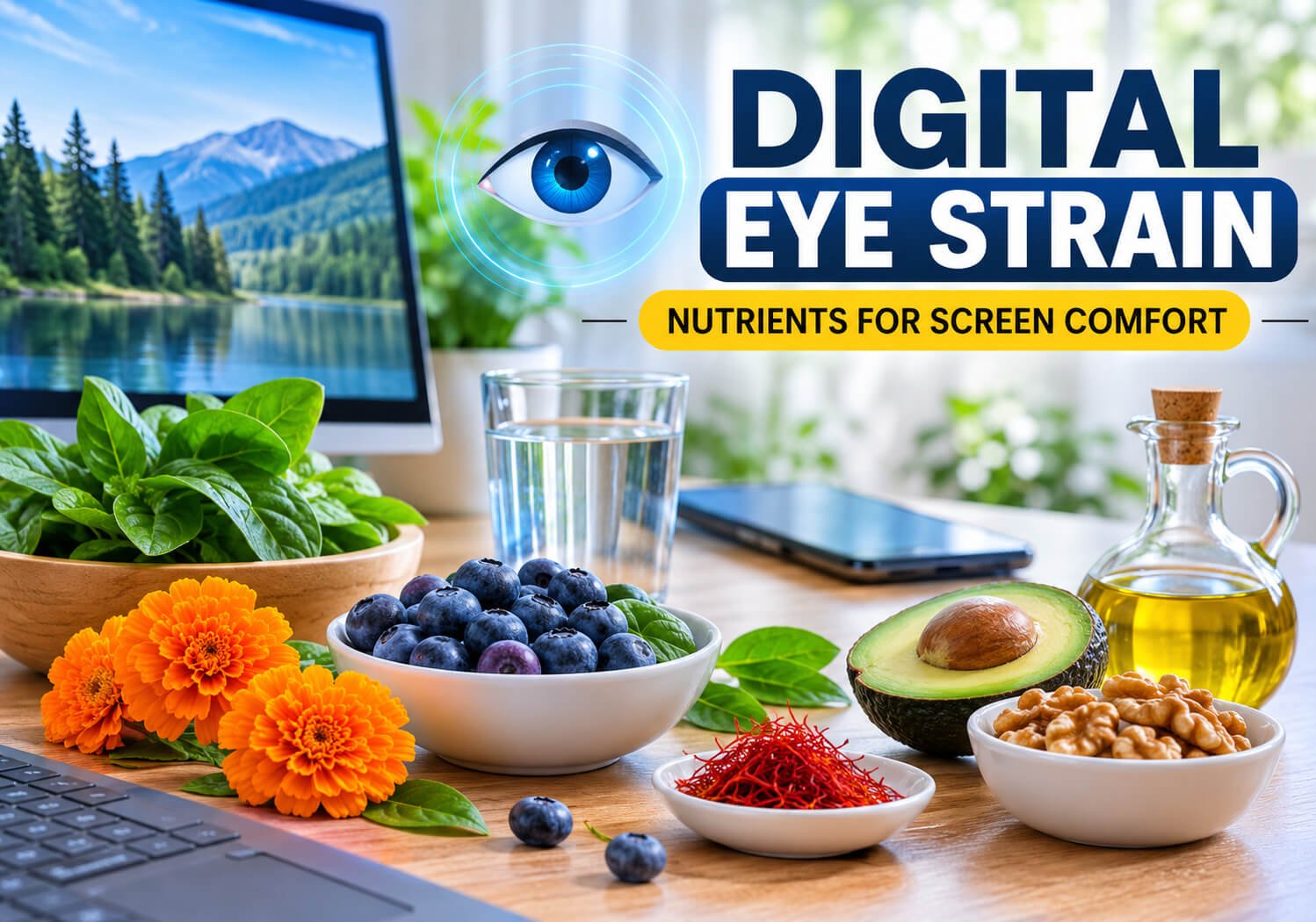
Staring at monitors, tablets, and smartphones for eight to twelve hours a day places relentless mechanical and metabolic stress on your visual system. While most people think of fatigue in terms of sore quads after heavy squats or tight shoulders after desk work, the tiny ciliary muscles inside your eyes experience the exact same overuse. Combined with a sharp drop in your natural blink rate and constant exposure to high-energy visible light, long screen sessions leave your eyes burning, dry, and unfocused.
Proper ergonomics and regular screen breaks form the foundation of visual recovery, yet targeted nutrition plays a critical supporting role. Selecting the best supplements for digital eye strain relief requires looking past flashy marketing labels and focusing on clinically studied carotenoids, fatty acids, and antioxidants that actually reach ocular tissue.
Quick Answer: The best supplements for digital eye strain relief are lutein and zeaxanthin (10 mg and 2 mg daily) to filter high-energy blue light, astaxanthin (4–6 mg daily) to reduce ciliary muscle fatigue, and omega-3 fatty acids (1,000+ mg combined EPA/DHA) to stabilize the tear film and relieve screen-induced dryness.
Before starting any new supplement routine, check with your doctor or eye care specialist, especially if you take blood thinners or have pre-existing ocular conditions.
Top Supplement Categories for Digital Eye Strain Comparison
Different ingredients target distinct biological bottlenecks caused by heavy screen use. Use the comparison table below to match the right compound to your primary visual symptoms.
| Supplement / Ingredient | Primary Mechanism | Clinical Daily Dose | Best For | Typical Monthly Price Range |
| Lutein & Zeaxanthin | Increases macular pigment density; filters blue light | 10 mg Lutein / 2 mg Zeaxanthin | Glare sensitivity, light fatigue, long-term retinal defense | $15 – $30 |
| Natural Astaxanthin | Improves blood flow to the ciliary body; reduces muscle fatigue | 4 mg – 12 mg | Focusing fatigue, headaches, blurry vision after screen sessions | $20 – $40 |
| Omega-3s (EPA & DHA) | Reduces ocular surface inflammation; improves meibomian oil quality | 1,000 mg – 2,000 mg combined | Gritty, burning, dry eyes from reduced blinking | $20 – $45 |
| Bilberry Extract | Supports microcirculation and rhodopsin regeneration | 160 mg – 480 mg (standardized to 25–36% anthocyanins) | Heavy reading fatigue, dim-light contrast recovery | $15 – $28 |
| Zinc + Vitamin A | Transports Vitamin A to the retina; supports surface tear mucin | 15 mg – 25 mg Zinc / 750–900 mcg RAE Vit A | Foundational corneal repair and low-light adaptation | $10 – $20 |
| Comprehensive Eye Blends | Combines carotenoids, astaxanthin, and cofactors in one dose | Varies (check label minimums) | Convenience and all-around daily screen support | $25 – $50 |
Understanding What Screens Actually Do to Your Eyes
To choose an effective supplement, you need to understand what breaks down during marathon computer sessions. According to the American Optometric Association, digital eye strain—clinically known as computer vision syndrome—stems from a combination of visual demands that exceed your visual system’s comfort threshold.
First, your eyes must constantly contract the internal ciliary muscles to maintain sharp focus at a fixed near distance of roughly 20 to 28 inches (50 to 70 cm). Holding any muscle in an isometric contraction for hours restricts local blood flow and triggers metabolic fatigue. Second, research summarized by the National Eye Institute notes that people blink less than half as often when reading on screens compared to normal conversation, causing the protective tear film to evaporate rapidly.
Third, digital displays emit concentrated spikes of short-wavelength blue light. While standard screen brightness will not permanently blind you, high-energy light scatters easily inside the eye, forcing your visual cortex to work harder to maintain contrast and generating localized oxidative stress in the macula.
The 7 Best Supplements for Digital Eye Strain Relief
Rather than promoting single proprietary bottles that frequently change formulas, this guide evaluates the top evidence-backed supplement categories and ingredient forms. Always verify third-party testing before purchasing any brand.
1. Lutein and Zeaxanthin (Marigold Extract / Lutemax 2020)
Who it’s for: Anyone spending more than six hours daily on computers, smartphones, or gaming monitors who experiences light sensitivity, glare discomfort, or tired eyes by mid-afternoon.
Key features: Lutein and zeaxanthin (along with its isomer meso-zeaxanthin) are the only dietary carotenoids that accumulate directly in the human macula. They form the macular pigment, which acts like internal sunglasses by absorbing blue wavelengths before they hit delicate photoreceptor cells. Clinical trials indexed in PubMed Central show that daily supplementation increases macular pigment optical density and improves visual performance under glare conditions.
- Pros:
- Strongest human clinical backing for screen-related glare and visual fatigue.
- Supports long-term macular health alongside daily screen comfort.
- Widely available in standardized, research-backed extracts like FloraGLO and Lutemax 2020.
- Cons:
- Fat-soluble, meaning it absorbs poorly if taken on an empty stomach.
- Takes 8 to 12 weeks of consistent daily dosing to saturate macular tissue.
2. Natural Astaxanthin (Haematococcus pluvialis)
Who it’s for: Programmers, writers, analysts, and students who suffer from focusing lag, forehead tension, and difficulty shifting focus from near screens to distant objects.
Key features: Astaxanthin is a deep-red keto-carotenoid derived from microalgae. Unlike lutein, which sits primarily in the macula, astaxanthin crosses the blood-retinal barrier to support the ciliary body—the muscular ring responsible for lens accommodation. Research published on PubMed indicates that 6 mg of daily astaxanthin may help reduce eye fatigue and improve accommodation recovery time in visual display terminal workers.
- Pros:
- Directly targets ciliary muscle endurance and focusing speed.
- Potent antioxidant capacity without acting as a pro-oxidant.
- Also supports skin hydration and exercise recovery, making it a versatile daily addition.
- Cons:
- Synthetic astaxanthin (made from petrochemicals) is far less effective than microalgae-derived forms.
- Higher cost per serving than basic vitamins.
3. Triglyceride-Form Omega-3 Fatty Acids (EPA & DHA)
Who it’s for: Contact lens wearers, office workers in air-conditioned spaces, and anyone whose digital eye strain shows up primarily as burning, stinging, redness, or watery rebound tearing.
Key features: Your tear film relies on an outer lipid (oil) layer secreted by the meibomian glands along your eyelids to prevent evaporation. High-purity fish oil or algal oil rich in eicosapentaenoic acid (EPA) and docosahexaenoic acid (DHA) helps calm eyelid margin inflammation and thins thickened meibomian secretions. A clinical review in the Cochrane Library / PubMed notes that omega-3 supplementation can reduce dry eye symptom scores and improve tear break-up time in certain populations.
- Pros:
- Addresses the dry-eye component of computer vision syndrome that carotenoids cannot fix.
- Supports cardiovascular, joint, and cognitive health simultaneously.
- Available in plant-based microalgae versions for vegans.
- Cons:
- Cheap ethyl-ester fish oils absorb poorly and often cause fishy burps.
- Requires larger softgels (usually 2 capsules daily) to hit a therapeutic 1,000+ mg combined EPA/DHA dose.
4. Standardized Bilberry Extract (Vaccinium myrtillus)
Who it’s for: Readers, editors, and night-shift workers who deal with heavy eye strain during extended text review or dim-room screen viewing.
Key features: Bilberry is a European cousin of the blueberry rich in anthocyanins—water-soluble flavonoid pigments that support capillary blood flow and help regenerate rhodopsin, a light-sensitive pigment in retinal rods. Controlled trials listed on PubMed suggest that standardized bilberry extract may alleviate subjective eye fatigue and ciliary muscle spasm symptoms caused by prolonged computer work.
- Pros:
- Water-soluble, so it does not require a heavy meal for absorption.
- Often provides faster subjective relief (within 2 to 4 weeks) than carotenoids.
- Pairs seamlessly with lutein and astaxanthin.
- Cons:
- High rate of adulteration in cheap supplements; must verify anthocyanin standardization (25% to 36%).
- Less robust long-term data than lutein and zeaxanthin.
5. Comprehensive Carotenoid + Antioxidant Formulas
Who it’s for: Busy professionals who want one streamlined capsule instead of managing three or four separate supplement bottles every morning.
Key features: Multi-ingredient vision formulas typically combine 10 to 20 mg of lutein, 2 to 4 mg of zeaxanthin, 4 to 6 mg of astaxanthin, and supporting cofactors like bilberry or vitamin E. When properly dosed, these blends cover blue light filtration, oxidative defense, and ciliary muscle endurance simultaneously.
- Pros:
- Eliminates pill fatigue and simplifies daily adherence.
- Often more cost-effective than buying three standalone branded extracts.
- Cons:
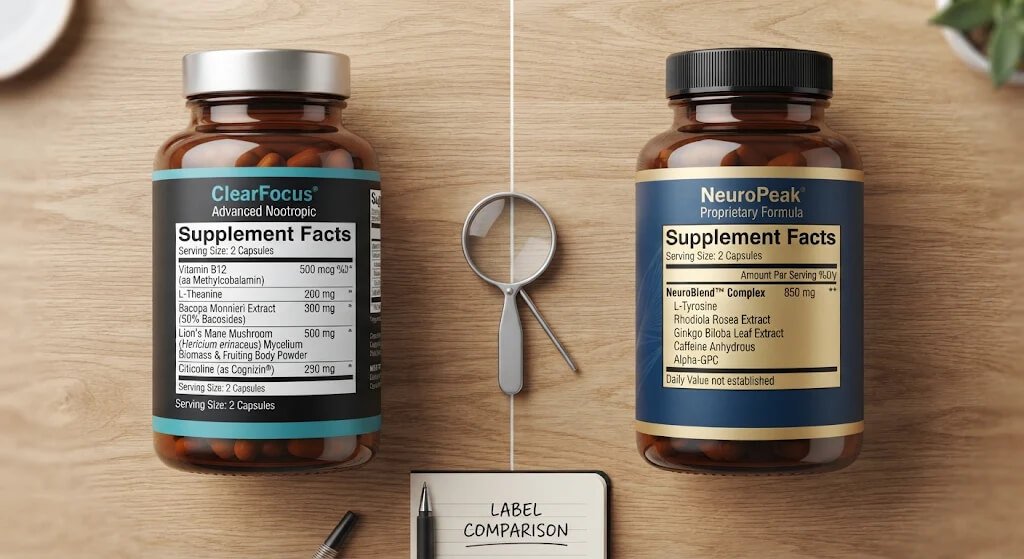
- Many blends hide under-dosed ingredients behind “proprietary blends.”
- Rarely include enough omega-3 fatty acids due to capsule size limits, requiring a separate fish oil supplement if dryness is severe.
6. Zinc Glycinate + Vitamin A (Retinyl Palmitate or Beta-Carotene)
Who it’s for: Individuals with restrictive diets, low animal-product intake, or poor night-vision recovery after evening screen sessions.
Key features: Vitamin A is an essential structural component of rhodopsin and maintains the mucous-secreting goblet cells on the surface of your cornea. However, your body cannot transport stored Vitamin A from the liver to the retina without adequate zinc. According to the NIH Office of Dietary Supplements, both nutrients work together to preserve normal vision and ocular surface integrity.
- Pros:
- Inexpensive and foundational for basic ocular tissue repair.
- Essential if dietary intake of eggs, dairy, oily fish, or orange vegetables is low.
- Cons:
- Preformed Vitamin A can accumulate to toxic levels if over-consumed; stick strictly to recommended daily allowances.
- High-dose zinc (over 40 mg daily) can trigger nausea and deplete copper stores over time.
7. Saffron Extract (Crocus sativus)
Who it’s for: Older adults (45+) experiencing digital eye strain alongside age-related declines in contrast sensitivity and visual sharpness.
Key features: Saffron contains unique water-soluble carotenoids called crocin and crocetin that increase retinal blood flow and protect photoreceptors from light-induced oxidative damage. Clinical research available through PubMed Central indicates that short-term saffron supplementation may improve retinal flicker sensitivity and visual function in adults with early macular stress.
- Pros:
- Dual benefits for ocular microcirculation and stress resilience.
- Effective at very low daily doses (20 to 30 mg).
- Cons:
- Authentic, standardized saffron extract is expensive.
- Fewer clinical trials specifically targeting young office workers compared to astaxanthin.
Coach’s Tip: Treat Eye Strain Like Muscle Fatigue
Coach’s Tip: Think of your eye muscles the exact same way you treat your forearms during heavy deadlifts or farmer’s carries. No supplement on earth will stop your grip from failing if you never set the barbell down. Pair your daily supplements with the 20-20-20 rule: every 20 minutes, look at an object at least 20 feet (6 meters) away for a full 20 seconds. That brief pause lets your ciliary muscles fully relax and resets your blink rate.
How to Choose the Best Supplements for Digital Eye Strain Relief
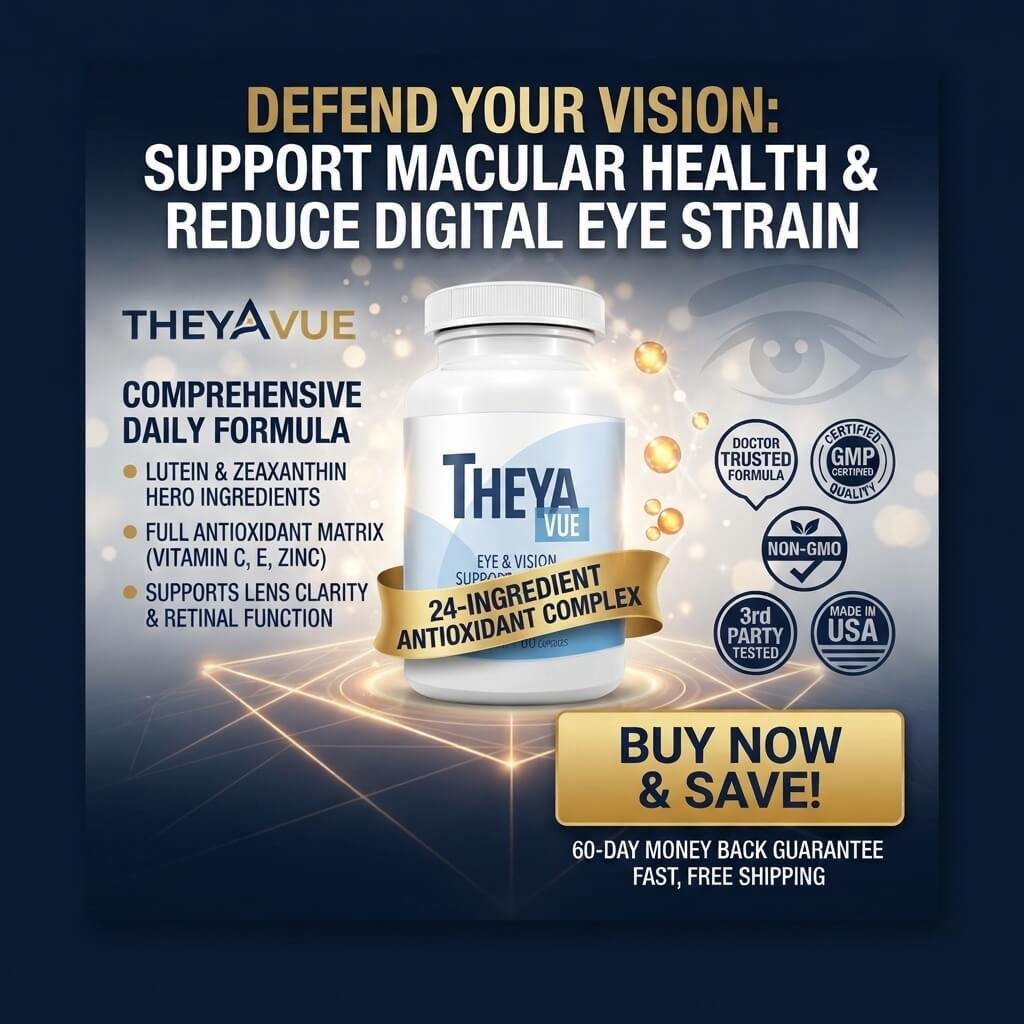
Walk down any pharmacy aisle and you will see dozens of “vision defense” bottles making bold promises. Just as you must learn how to evaluate ingredients in weight management supplements before spending your money, you need a strict checklist to separate clinical eye formulas from under-dosed filler.
1. Check for Transparent, Clinical Dosages
Never buy an eye supplement that hides its ingredients inside a “proprietary blend.” Look for exact milligram amounts on the Supplement Facts panel:
- Lutein: At least 10 mg (up to 20 mg for heavy screen users).
- Zeaxanthin: At least 2 mg (ideally a 5:1 ratio with lutein).
- Astaxanthin: 4 mg to 6 mg minimum.
- Omega-3s: At least 1,000 mg of combined EPA and DHA—not just “1,000 mg of fish oil,” which may only contain 300 mg of active fatty acids.
2. Verify Bioavailability and Form
Ingredients only work if they survive digestion and cross into your bloodstream. For omega-3s, look for re-esterified triglyceride (rTG) form rather than cheap ethyl esters, as rTG absorbs significantly better. For carotenoids like lutein and astaxanthin, choose softgels suspended in a carrier oil (such as olive oil, sunflower oil, or medium-chain triglycerides) rather than dry powder tablets.
3. Demand Third-Party Quality Certifications
Dietary supplements are not pre-approved for efficacy by the FDA before hitting store shelves. Look for independent verification seals from USP, NSF International, ConsumerLab, or IFOS (for fish oil). These certifications confirm that the bottle actually contains the listed potency without heavy metals, rancid oils, or contaminants.
4. Match the Formula to Your Primary Symptom
Do not take a scattershot approach. Use this quick diagnostic rule:
- Burning, gritty, red eyes: Start with high-EPA/DHA Omega-3s.
- Headaches, blurry focus, tired eye muscles: Prioritize Natural Astaxanthin + Bilberry.
- Glare sensitivity, harsh screen brightness, long-term defense: Prioritize Lutein + Zeaxanthin.
Common Mistake: Taking Fat-Soluble Eye Supplements With Black Coffee
Common Mistake: Swallowing your lutein, zeaxanthin, or astaxanthin softgels first thing in the morning with nothing but black coffee or water. Because carotenoids are strictly fat-soluble, taking them without dietary fat dramatically reduces intestinal absorption. Always take carotenoid and omega-3 eye supplements alongside a meal containing at least 5 to 10 grams of healthy fat—such as eggs, avocado, yogurt, nuts, or olive oil.
How to Build a Daily Screen-Recovery Protocol
Supplements work best when integrated into a structured daily routine rather than taken sporadically when your eyes already hurt. Follow this simple progression to maximize results over 90 days.
Step 1: Establish Your Nutritional Baseline (Weeks 1–2)
Start with a core daily stack taken with breakfast or lunch:
- 10–20 mg Lutein + 2–4 mg Zeaxanthin
- 6 mg Natural Astaxanthin
- 1,000–1,500 mg Combined EPA/DHA Omega-3s (if you experience dryness)
Step 2: Optimize Your Workstation Ergonomics
Even the best nutrition struggles against terrible mechanics. Adjust your workspace using these exact measurements:
- Monitor Distance: Place your primary screen 20 to 28 inches (50 to 70 cm) from your eyes—roughly an arm’s length away.
- Monitor Height: Position the top bezel of your monitor at or slightly below eye level so your gaze angles downward by 10 to 15 degrees. Looking slightly down reduces the exposed surface area of your eyeball, slowing tear evaporation.
- Ambient Lighting: Match your screen brightness to the surrounding room light. Working in a pitch-black room with a blazing white monitor forces your pupils into constant constriction and fatigue.
Step 3: Support Systemic Hydration and Sleep
Ocular surface hydration depends heavily on total body fluid balance and overnight cellular repair. Aim for steady water intake throughout the workday, and protect your sleep window. Just as researchers have documented how sleep affects metabolism and recovery, deep sleep is when your corneal epithelium repairs microscopic surface stress from the day’s blink deficit.
Step 4: Evaluate Progress at Day 60 and Day 90
Unlike caffeine, which you feel in 20 minutes, ocular carotenoids accumulate gradually in retinal tissue. Track your end-of-day eye dryness, headache frequency, and screen tolerance weekly. Most users notice initial improvements in ciliary muscle endurance around week 3 or 4, while peak macular pigment benefits stabilize between weeks 8 and 12.

Safety, Side Effects, and Who Should Be Careful
The core ingredients found in evidence-based vision supplements have strong safety profiles when taken at recommended doses, though several precautions apply:
- Blood Thinners and Surgery: High-dose omega-3 fatty acids (above 2,000–3,000 mg daily) and bilberry extract may have mild blood-thinning effects. Consult your physician if you take anticoagulants like warfarin, aspirin, or clopidogrel, or if you have upcoming surgery.
- Smokers and Former Smokers: Avoid eye formulas containing high-dose synthetic beta-carotene (15 mg or more), as large clinical trials highlighted by the National Eye Institute AREDS2 study linked high-dose beta-carotene to an increased risk of lung cancer in current and former smokers. Lutein and zeaxanthin are safe alternatives.
- Pregnancy and Nursing: While omega-3s (especially DHA) and dietary carotenoids are generally beneficial, always clear concentrated herbal extracts like bilberry or saffron with your OB-GYN before use.
- Underlying Eye Disease: Supplements support visual comfort and nutritional status, but they cannot correct an outdated glasses prescription, astigmatism, or medical conditions like glaucoma or macular degeneration. Schedule a comprehensive dilated eye exam annually.
If you are already managing a broader supplement stack for fitness or metabolic health—such as exploring which nutrients support normal energy metabolism or how to improve daily energy without caffeine—check your total daily zinc, vitamin A, and vitamin E intake across all bottles to avoid accidental overlap.
Frequently Asked Questions (FAQ)
What are the best supplements for digital eye strain relief?
The most effective evidence-based supplements for digital eye strain relief are lutein and zeaxanthin (10 mg and 2 mg daily) for blue light filtration, natural astaxanthin (6 mg daily) for focusing muscle fatigue, and triglyceride-form omega-3 fatty acids (1,000+ mg EPA/DHA) for screen-induced dry eyes.
Do lutein and zeaxanthin help with screen fatigue?
Yes. Lutein and zeaxanthin accumulate directly in the macula, increasing macular pigment optical density. Clinical studies show that higher macular pigment helps filter scattered short-wavelength blue light, improves contrast sensitivity, reduces glare discomfort, and eases visual fatigue during prolonged digital screen exposure.
How long do eye supplements take to work for computer strain?
Most eye supplements require consistent daily use rather than providing instant relief. Astaxanthin and bilberry extract often begin easing focusing fatigue within 2 to 4 weeks, while lutein, zeaxanthin, and omega-3 fatty acids typically take 6 to 12 weeks to fully saturate ocular tissues and stabilize tears.
Can omega-3 fatty acids relieve dry eyes from computer use?
Yes. Staring at screens cuts your natural blink rate in half, accelerating tear evaporation. High-purity EPA and DHA omega-3 fatty acids help reduce eyelid margin inflammation and improve the quality of oils secreted by your meibomian glands, keeping your tear film stable longer.
Are blue light glasses better than eye supplements?
They work through different mechanisms and complement each other rather than competing. Blue light glasses filter wavelengths externally before light enters your eye, while lutein and zeaxanthin build internal macular protection and astaxanthin supports focusing muscle endurance. Combining good screen habits with targeted nutrition yields the best results.
What vitamins help with blurry vision from screens?
Temporary blurry vision after long screen sessions usually stems from ciliary muscle spasm and tear film dryness rather than a simple vitamin deficiency. Natural astaxanthin helps relax strained focusing muscles, while omega-3s, vitamin A, and zinc support a smooth, well-lubricated corneal surface for sharper focus.
Conclusion
Managing digital eye strain requires the same smart recovery mindset you bring to physical training: reduce unnecessary mechanical overload, take strategic rest intervals, and supply your tissues with the exact raw materials they need to repair. While ergonomic monitor placement and the 20-20-20 rule remain non-negotiable daily habits, adding targeted nutrition provides measurable reinforcement for overworked eyes.
For most heavy screen users, building a simple, transparent stack of lutein and zeaxanthin, natural astaxanthin, and high-purity omega-3s represents the best supplements for digital eye strain relief. Stick to clinically verified dosages, take your softgels with a meal containing healthy fats, and give your visual system 8 to 12 weeks of consistent support.