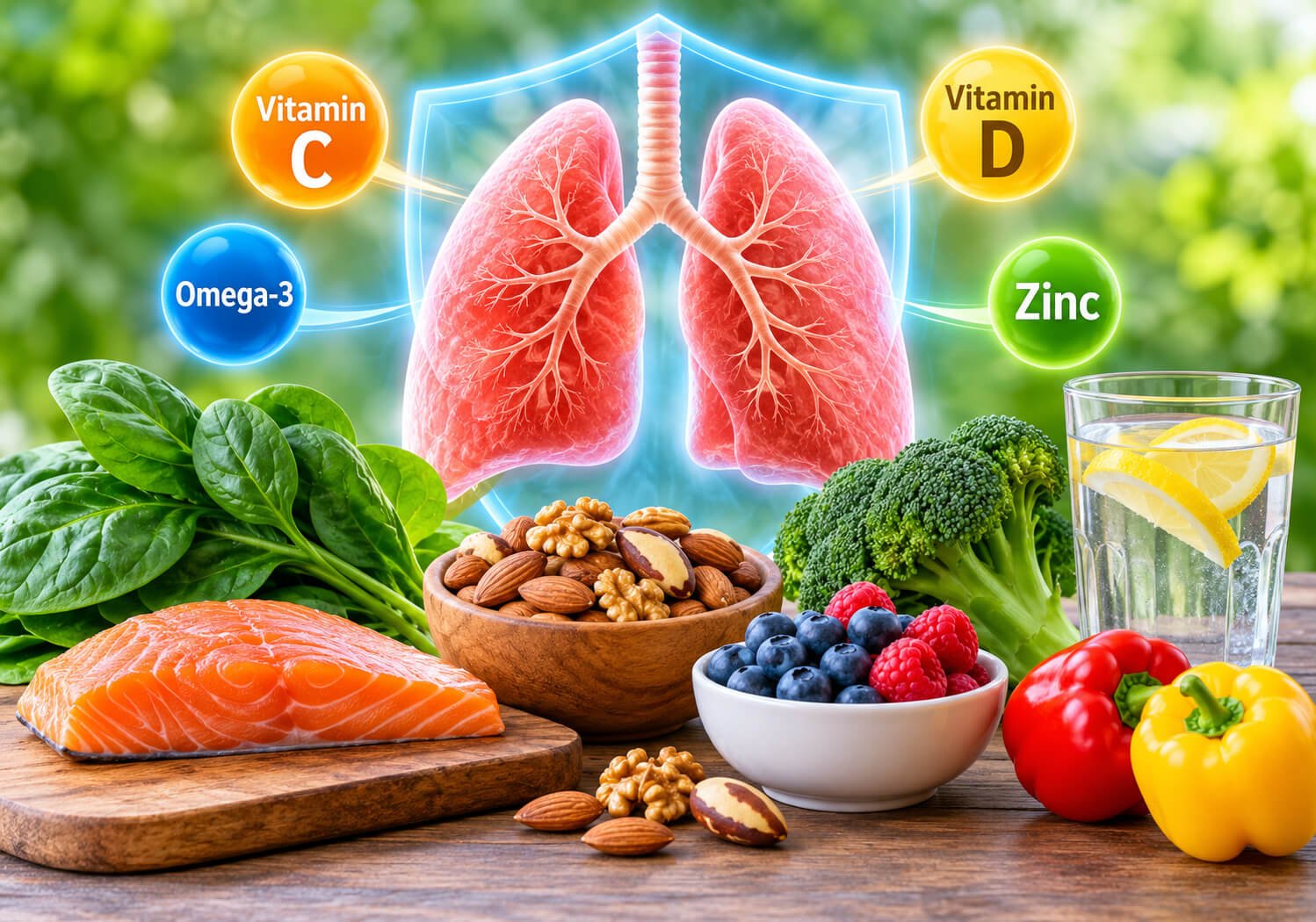
Your lungs work tirelessly to keep you alive, filtering air and delivering oxygen to every cell in your body. Supporting this vital system requires more than just avoiding smoke; it requires targeted nutrition. Finding the best vitamins for lung health can help protect your respiratory tract from environmental stressors, reduce inflammation, and support overall pulmonary function. Whether you are an athlete looking to maximize lung capacity, a senior managing age-related changes, or someone recovering from a respiratory illness, the right nutrients make a measurable difference.
This guide breaks down the science-backed vitamins and minerals that support respiratory health. We will cover exact dosages, practical food sources, and how to build a daily routine that protects your lungs for the long term.
Quick Answer
The best vitamins for lung health include Vitamin D (for immune modulation), Vitamin C (to fight oxidative stress), and N-acetylcysteine or NAC (to clear mucus). Supporting nutrients like Omega-3 fatty acids, Magnesium, Zinc, Vitamin E, and Selenium further reduce airway inflammation and protect lung tissue. Always consult a doctor before starting high-dose supplements.
Why Lung Health Matters
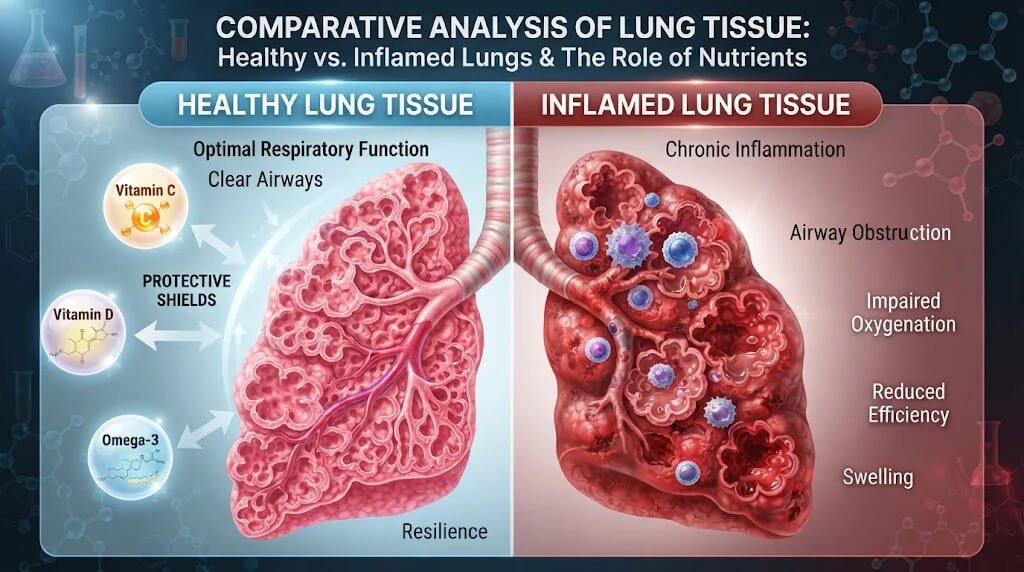
Your respiratory system is constantly exposed to the outside world. Every breath introduces potential irritants, pollutants, and pathogens. Over time, this exposure creates oxidative stress, a process where unstable molecules called free radicals damage healthy cells in the alveoli and bronchial tubes.
When oxidative stress outpaces your body’s natural defenses, it leads to chronic inflammation. This inflammation is a primary driver of conditions like asthma and chronic obstructive pulmonary disease (COPD). While you cannot control the air quality outside, you can control your internal environment. Consuming specific vitamins for respiratory health provides the raw materials your body needs to neutralize free radicals, clear mucous, and maintain the elasticity of lung tissue.
The Best Vitamins and Nutrients for Lung Health
Here are the top evidence-based nutrients to support your respiratory system.
1. Vitamin D
Vitamin D is a crucial hormone-like vitamin that modulates the immune system and reduces respiratory inflammation. Research shows that vitamin D deficiency is associated with worse cross-sectional and longitudinal lung function, as well as an increased risk of COPD exacerbations. Supplementing with vitamin D can help improve lung function metrics like FEV1 (forced expiratory volume) in deficient individuals.
- Evidence-Based Dosage: 1,000 to 2,000 IU (25–50 mcg) daily, though some deficient individuals may require higher doses under medical supervision.
- Best Food Sources: Fatty fish (salmon, mackerel), fortified dairy, and egg yolks.
- Coach’s Tip: Vitamin D is fat-soluble. Always take it with a meal containing at least 10 grams of healthy fat (like avocado or olive oil) to maximize absorption by up to 50%.
2. Vitamin C
Vitamin C is a powerful water-soluble antioxidant that directly neutralizes free radicals in the respiratory tract. It supports the epithelial barrier of the lungs and helps immune cells function properly to fight off infections. Studies indicate that dietary vitamin C intake positively affects lung function by reducing oxidative stress in white blood cells.
- Evidence-Based Dosage: 500 to 1,000 mg daily. Higher doses are generally safe but may cause mild digestive upset in some people.
- Best Food Sources: Bell peppers, citrus fruits, strawberries, broccoli, and kiwi.
- Common Mistake: Relying solely on orange juice, which is high in sugar. Whole fruits and vegetables provide fiber and a broader spectrum of phytonutrients that work synergistically with vitamin C.
3. N-Acetylcysteine (NAC)
While not a traditional vitamin, NAC is a premier lung support supplement. It is a precursor to glutathione, the body’s master antioxidant. More importantly, NAC is a proven mucolytic agent. It breaks the disulfide bonds within mucin glycoproteins, which reduces mucus viscosity and makes it easier to clear from the airways.This is especially valuable for individuals dealing with chronic bronchitis or heavy mucus production.
- Evidence-Based Dosage: 600 to 1,200 mg daily, often split into two doses.
- Best Food Sources: NAC is a supplement; however, eating sulfur-rich foods like garlic, onions, and cruciferous vegetables supports your body’s natural cysteine production.
4. Omega-3 Fatty Acids
Long-chain omega-3 polyunsaturated fatty acids (EPA and DHA) are renowned for their systemic anti-inflammatory properties. In the lungs, omega-3s help resolve inflammation and may protect against the decline of lung function over time. Clinical studies suggest that higher levels of omega-3 fatty acids, particularly DHA, are linked to better respiratory health and accelerated recovery from acute lung injury. You can learn more about how omega-3 fatty acids for inflammation work throughout the body.
- Evidence-Based Dosage: 1,000 to 2,000 mg of combined EPA and DHA daily.
- Best Food Sources: Wild-caught salmon, sardines, chia seeds, and walnuts.
5. Magnesium
Magnesium plays a dual role in respiratory health: it acts as a mild bronchodilator and an anti-inflammatory agent. High dietary magnesium intake is associated with better lung function and a reduced risk of bronchial hyper-reactivity and wheezing. Oral magnesium supplementation has been shown to help reduce bronchial reactivity in asthmatic individuals.
- Evidence-Based Dosage: 300 to 400 mg daily. Magnesium glycinate or citrate are highly bioavailable forms.
- Best Food Sources: Spinach, pumpkin seeds, almonds, black beans, and dark chocolate.
6. Zinc
Zinc is a critical trace mineral that acts as a gatekeeper for immune function. It helps maintain the integrity of tissue barriers, including the respiratory tract, and possesses direct antiviral properties. Adequate zinc levels are thought to decrease susceptibility to acute lower respiratory tract infections by regulating immune cell responses. If you are exploring how vitamins for deficiency impact overall health, zinc is a foundational piece of the puzzle.
- Evidence-Based Dosage: 15 to 30 mg daily. Do not exceed 40 mg daily long-term without medical supervision.
- Best Food Sources: Oysters, beef, pumpkin seeds, lentils, and chickpeas.
- Common Mistake: Taking high-dose zinc on an empty stomach. This frequently causes nausea and can actually suppress immune function over time by depleting copper levels. Always take zinc with food.
7. Vitamin E
Vitamin E is a lipid-soluble antioxidant that protects the cell membranes of the lungs from oxidative damage caused by air pollution and smoke. Intracellular vitamin C and E work together to prevent protein oxidation in lung tissue, which is particularly relevant for the lungs due to their high oxygen exposure.
- Evidence-Based Dosage: 15 mg (22.4 IU) daily. Higher doses should only be taken under a doctor’s guidance.
- Best Food Sources: Sunflower seeds, almonds, spinach, and avocados.
8. Selenium
Selenium is a trace mineral that serves as a crucial cofactor for glutathione peroxidase, an enzyme that protects cells from oxidative damage. Research observes a negative correlation between dietary selenium intake and COPD, indicating its potential to lower respiratory disease risk. Furthermore, individuals with higher selenium intake (exceeding 137.65 mcg) exhibited enhanced lung function compared to those with low intake.
- Evidence-Based Dosage: 55 to 200 mcg daily.
- Best Food Sources: Brazil nuts (just one or two nuts provide a full day’s supply), tuna, halibut, and eggs.

How to Put Them Into a Daily Routine
Knowing which nutrients to take is only half the battle. Consistency is what drives results. Here is a practical, coach-approved daily routine to integrate these lung support supplements and foods seamlessly.
- Morning (With Breakfast): Take your Vitamin D and Omega-3 supplements. Breakfast often contains fats (eggs, yogurt, or avocado toast), which ensures optimal absorption of these fat-soluble nutrients. Pair this with a glass of water and a serving of vitamin C-rich fruit, like berries or half a grapefruit.
- Midday (With Lunch): This is the ideal time for Zinc and Selenium. A lunch featuring lean protein (like chicken or lentils) and a side of spinach or pumpkin seeds naturally covers these bases. If supplementing, take them with this meal to prevent stomach upset.
- Afternoon: Focus on hydration. Drink at least 16 to 24 ounces of water. Proper hydration is essential for NAC to work effectively, as it thins mucus. If you take an NAC supplement, 600 mg in the afternoon is a well-tolerated dose.
- Evening (With Dinner): Take Magnesium glycinate with your evening meal or 30 minutes before bed. Magnesium promotes muscle relaxation, which can help ease nighttime breathing and improve sleep quality.
Building these habits supports your essential nutrients profile, creating a strong foundation for respiratory and overall health.
Breathing Exercises to Pair With Your Supplements
Nutrition works best when paired with physical practice. Strengthening your diaphragm and improving your breathing mechanics can maximize your lung capacity. Here are two exercises, scaled for different fitness levels.
Regression: Seated Diaphragmatic Breathing
- Sit comfortably in a chair with your feet flat on the floor.
- Place one hand on your chest and the other on your lower ribs.
- Inhale slowly through your nose for 4 seconds. Focus on making the hand on your lower ribs move outward by about 2 inches (5 cm), while the hand on your chest remains still.
- Exhale slowly through pursed lips for 6 seconds, feeling your ribs gently contract.
- Prescription: 3 sets of 10 breaths, twice daily.
Progression: Pursed-Lip Walking
Best for: Athletes, active adults, or those looking to build respiratory endurance.
- Begin walking at a moderate, steady pace.
- Inhale quietly through your nose for 2 steps.
- Exhale steadily through pursed lips (as if blowing out a candle) for 4 steps.
- Maintain this 1:2 inhale-to-exhale ratio to keep your airways open longer and improve oxygen exchange.
- Prescription: Walk for 0.25 miles (0.4 km) maintaining this rhythm. As you improve, increase the distance to 0.5 miles (0.8 km) or add a slight incline.
Practicing these techniques helps you increase energy and stamina naturally while training your respiratory muscles to work more efficiently.

Safety Notes and Who Should Be Careful
While vitamins and minerals are essential, more is not always better. High doses of certain nutrients can cause adverse effects or interact with medications.
- Vitamin D: Excessive intake can lead to hypercalcemia (high blood calcium), which can damage the kidneys. Stick to the recommended upper limit of 4,000 IU daily unless directed otherwise by a physician.
- Zinc: Long-term intake above 40 mg daily can cause copper deficiency, leading to neurological issues and weakened immunity.
- NAC: May interact with nitroglycerin and certain blood pressure medications, causing severe headaches or hypotension.
- Blood Thinners: High doses of Vitamin E and Omega-3s can have a mild blood-thinning effect. If you take anticoagulants like warfarin, consult your doctor before supplementing.
It is always wise to choose supplements that support health safely by purchasing from third-party tested brands (look for NSF, USP, or Informed-Choice seals).
Disclaimer: This article is for general information and is not a substitute for advice from a doctor or physical therapist. Always consult a healthcare provider before starting any new supplement regimen, especially if you have a pre-existing respiratory condition, are pregnant, or take prescription medications.
FAQ
What are the best vitamins for lung health after a respiratory infection?
Vitamin C, Vitamin D, and Zinc are the top choices. Vitamin C supports immune cell function, Vitamin D modulates the immune response to prevent overreaction, and Zinc helps maintain the respiratory epithelial barrier to speed up recovery.
Can vitamins reverse lung damage from smoking?
No vitamin can fully reverse structural lung damage like emphysema. However, antioxidants like Vitamin C, Vitamin E, and NAC can help reduce ongoing oxidative stress, clear mucus, and protect remaining healthy lung tissue from further degradation.
Does Vitamin D improve lung function in healthy adults?
In healthy adults with adequate Vitamin D levels, extra supplementation may not significantly change lung function. However, for those who are deficient, correcting the deficiency is strongly linked to improved pulmonary function and reduced respiratory infection risk.
How long does it take for NAC to clear lung mucus?
Many users report a noticeable thinning of mucus within 24 to 48 hours of starting NAC. For chronic conditions like COPD, clinical benefits in reducing exacerbations are typically observed after 2 to 3 months of consistent daily use.
Can I get all these lung-supporting nutrients from food alone?
It is possible to get most of these nutrients from a highly varied, nutrient-dense diet. However, achieving therapeutic doses of NAC or correcting a severe Vitamin D deficiency usually requires targeted supplementation alongside dietary improvements.
Are there any vitamins that harm the lungs?
In standard dietary amounts, no. However, high-dose beta-carotene supplements (a precursor to Vitamin A) have been linked to an increased risk of lung cancer in current heavy smokers. Smokers should avoid isolated beta-carotene supplements and get their Vitamin A from whole foods instead.
Conclusion
Protecting your respiratory system is a proactive, daily commitment. By incorporating the best vitamins for lung health—including Vitamin D, Vitamin C, NAC, Omega-3s, Magnesium, Zinc, Vitamin E, and Selenium—you provide your body with the tools it needs to fight inflammation, clear airways, and breathe easier. Pair these nutrients with consistent diaphragmatic breathing exercises and a whole-food diet for compounding benefits. Remember that vitamins to support metabolism and respiratory function work best when tailored to your individual needs. Talk to your healthcare provider to build a personalized plan that keeps your lungs strong for years to come.