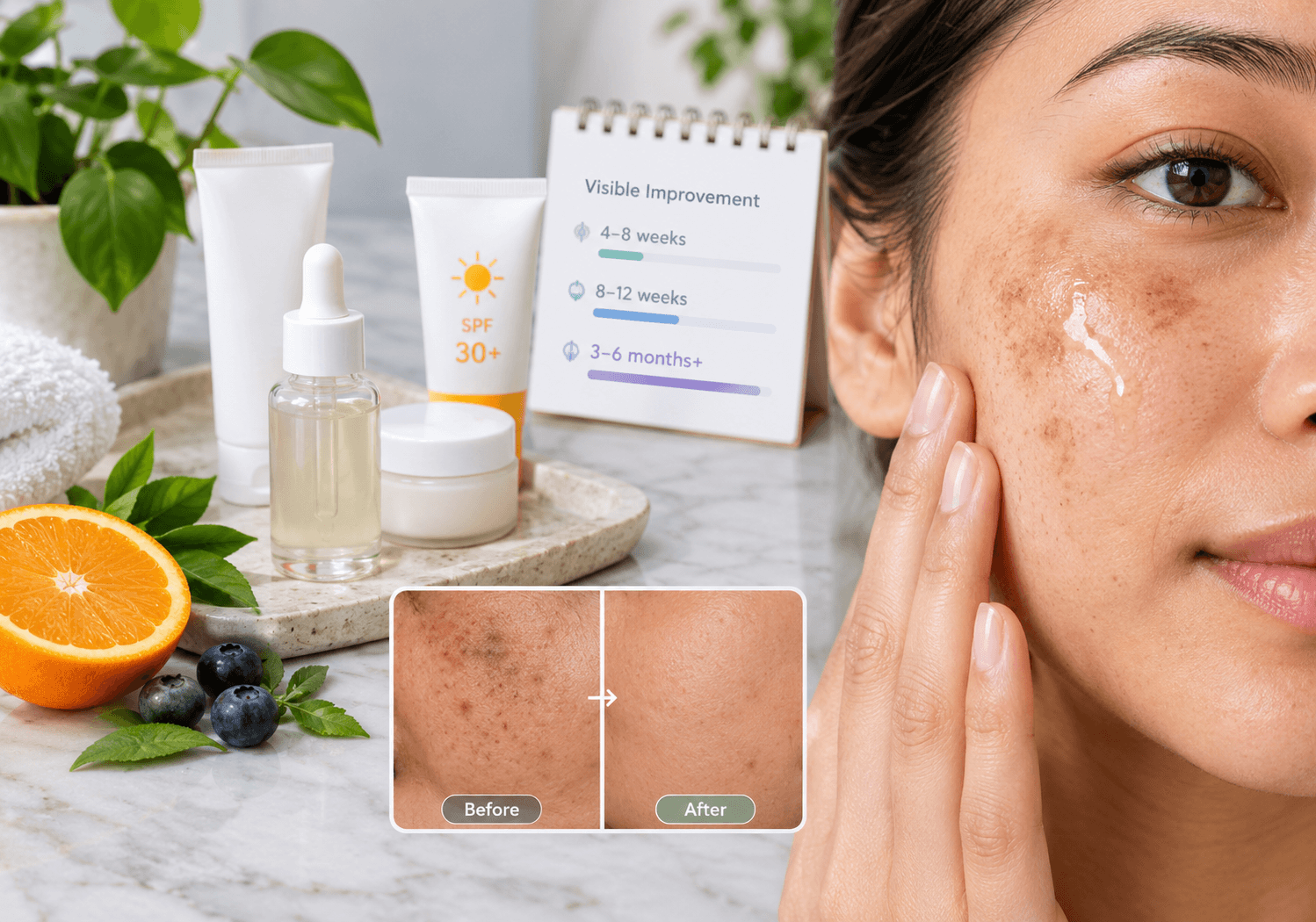
If you are wondering how long does it take for serum to fade dark spots, the honest answer is: usually several weeks to months, not days. Most effective dark-spot serums need consistent use for about 8 to 12 weeks before visible improvement, while deeper discoloration, melasma, and long-standing sun spots can take 3 to 6 months or longer.
Your results depend on the cause of the spot, the active ingredient, your skin tone, how consistently you use sunscreen, and whether the product irritates your skin. A serum can help, but it cannot outwork daily ultraviolet exposure or repeated inflammation from acne, picking, or harsh exfoliation.
Quick Answer: For most people, a serum takes roughly 8 to 12 weeks to noticeably fade dark spots when used consistently with daily broad-spectrum sunscreen. Post-acne marks may improve sooner, while melasma and established sun spots often require 3 to 6 months, prescription treatment, or professional dermatology care.
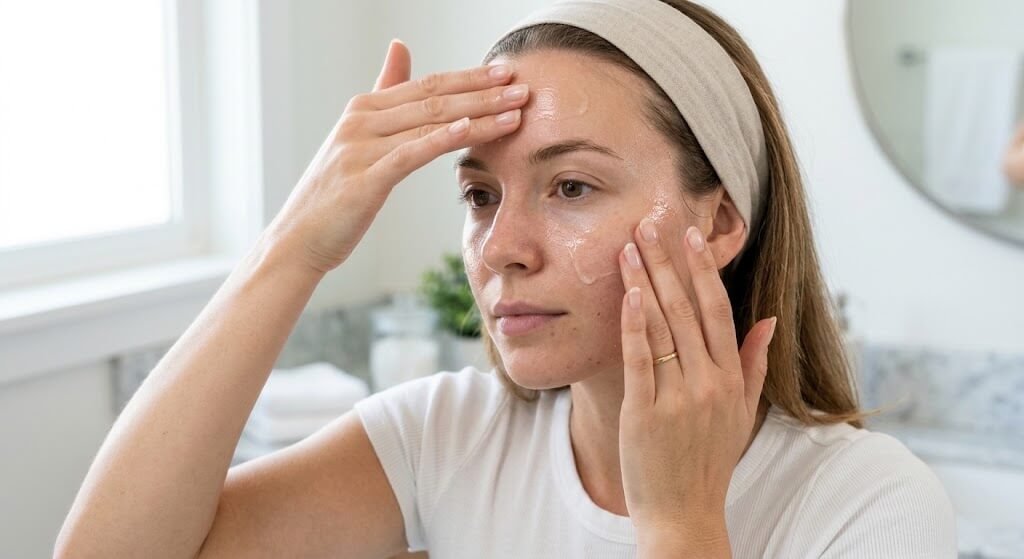
How Long Does It Take for Serum to Fade Dark Spots Based on the Cause?
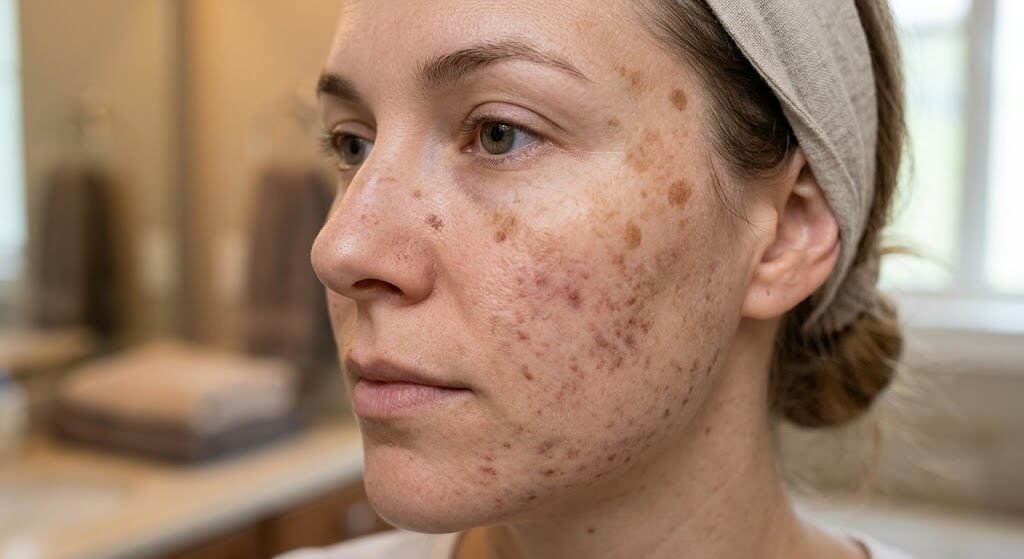
“Dark spots” is a broad term. It can describe leftover acne marks, sun spots, melasma, freckles, or discoloration caused by irritation. The right timeline starts with knowing what you are treating.
Dark marks develop when skin cells make extra melanin, the pigment that gives skin its color. Inflammation and ultraviolet exposure can signal melanocytes to produce more pigment. That pigment can remain near the surface or settle more deeply, which affects how quickly it fades.
Typical dark-spot serum timelines
| Type of discoloration | Common cause | Realistic serum timeline | What usually matters most |
| Post-acne dark marks | Acne inflammation, squeezing or picking | 6 to 12 weeks | Acne control, gentle routine, sunscreen |
| Recent surface-level hyperpigmentation | Mild irritation or a healing blemish | 4 to 8 weeks | Consistent use and avoiding new irritation |
| Sun spots | Years of UV exposure | 3 to 6 months or longer | Daily sunscreen; dermatologist options may be needed |
| Melasma | Sunlight, visible light, hormones, genetics | 3 to 6 months; often ongoing management | Strict sun protection and medical guidance |
| Deeper dermal pigmentation | Long-standing inflammation or injury | Many months; may not fully respond to serum alone | Dermatology evaluation |
Post-inflammatory hyperpigmentation, often called PIH, is especially common after acne. It is not the same as an active acne scar. A dark flat mark may fade with time and a targeted routine, while an indented or raised scar usually needs a different treatment approach.
Research summarized by the National Center for Biotechnology Information notes that post-inflammatory hyperpigmentation can persist for months, particularly in deeper skin tones. This is why patience and prevention matter as much as the serum you choose.
How Long Does It Take for Serum to Fade Dark Spots With Different Ingredients?
Different ingredients work through different pathways. Some reduce melanin production, some speed skin-cell turnover, and others lower inflammation that can lead to new marks.
The best option is the one you can use regularly without burning, peeling, or disrupting your skin barrier. More irritation does not mean faster fading. In fact, irritation can create more discoloration.
Niacinamide: usually 8 to 12 weeks
Niacinamide is a form of vitamin B_3. It may help reduce the transfer of pigment within the skin, support the skin barrier, and improve uneven tone. It is often a good starting point for sensitive skin or beginners.
A clinical study published in the British Journal of Dermatology found that topical niacinamide improved hyperpigmentation over a period of weeks. For practical use, apply a niacinamide serum once or twice daily after cleansing and before moisturizer.
Vitamin C: usually 8 to 16 weeks
Vitamin C is an antioxidant that may support a more even tone and help defend skin from damage caused by ultraviolet exposure. It performs best as part of a routine that includes broad-spectrum sunscreen, not as a replacement for it.
Use vitamin C in the morning if your skin tolerates it. Start with a few applications per week if you are new to active ingredients, then build up. A product that turns very dark orange or brown may be oxidized and less reliable.
Azelaic acid: usually 8 to 16 weeks
Azelaic acid may be useful for both acne and discoloration because it has anti-inflammatory and pigment-modulating effects. It is often considered for acne-prone skin and for people dealing with post-acne marks.
A review in the Journal of Clinical and Aesthetic Dermatology describes azelaic acid as a treatment option for hyperpigmentation, including melasma and PIH. Mild tingling can happen at first, but persistent burning or rash means you should stop and reassess.
Retinoids: usually 12 weeks or longer
Retinol and prescription retinoids encourage skin-cell turnover. Over time, they may help fade uneven pigment, improve acne, and smooth fine lines. However, they are also more likely to cause dryness and irritation if you begin too aggressively.
Use retinol at night, starting two nights each week. Apply a pea-sized amount for the entire face, not a large amount directly on every spot. Dermatology guidance from the American Academy of Dermatology emphasizes gradual introduction and sun protection when using retinoids.
Tranexamic acid and alpha arbutin: usually 8 to 16 weeks
Tranexamic acid and alpha arbutin appear in many over-the-counter hyperpigmentation serums. They may help with uneven tone, especially when paired with sunscreen and a gentle routine.
Evidence for topical tranexamic acid is still developing, but a systematic review in the Journal of Dermatological Treatment found potential benefit for melasma. If you have melasma, though, a dermatologist can help you build a more complete plan because recurrence is common.
Why Dark Spot Serums Sometimes Seem Not to Work
It is frustrating to use a product every day and see little change. Often, the problem is not that the serum is “bad.” A few routine issues may be slowing down progress.
You are not using sunscreen every day
This is the biggest issue. UV rays can darken existing marks and trigger new pigment, even through car windows. Visible light may also worsen melasma in some people.
Use a broad-spectrum sunscreen with at least SPF 30 every morning. Apply it to all exposed skin, including your neck and ears. Reapply when you are outdoors for extended periods, sweating, or toweling off.
The American Academy of Dermatology’s sunscreen guidance recommends broad-spectrum, water-resistant sunscreen with SPF 30 or higher to help protect against skin cancer and premature skin aging. For dark spots, that same daily protection helps prevent fresh pigment signals.
You are irritating your skin
Using vitamin C, exfoliating acids, retinol, scrubs, spot treatments, and strong cleansers all at once can inflame the skin. Inflammation can prolong or worsen post-inflammatory hyperpigmentation.
Signs you are overdoing it include:
- Stinging that lasts beyond a brief moment
- Tightness, flaking, or shiny-looking skin
- Redness or darker patches developing around the original marks
- Acne breakouts after a damaged skin barrier
- Burning when applying bland moisturizer or water
Scale back to cleanser, moisturizer, sunscreen, and one pigment-focused active for two weeks. Then reintroduce products slowly.
Coach’s Tip: Treat a dark-spot routine like a progressive training plan. Do not start every active ingredient on day one. Add one change at a time, use it consistently, and increase frequency only when your skin stays calm.
The spots are not actually simple hyperpigmentation
Some skin changes should not be treated at home without an evaluation. A mole or spot that changes size, shape, color, texture, or starts bleeding needs medical attention. The CDC’s skin cancer information advises paying attention to changing spots and discussing concerns with a healthcare professional.
Melasma, deep pigment, or discoloration caused by certain medications can also need professional treatment. A dermatologist can diagnose the cause before you spend months rotating through products.
You are treating active acne but not preventing new breakouts
A good dark-spot serum may help old marks, but it will not solve the cycle if new acne keeps appearing. Focus on gentle acne management and avoid picking.
If weight-management changes are part of a broader wellness goal, keeping meals regular and recovery steady may help you maintain routines. Our guide on protein and hunger control explains one practical nutrition angle, but it is not a replacement for medical acne care.
A Simple Routine for Fading Dark Spots
You do not need a crowded shelf to make progress. Use a repeatable routine that protects your skin during the day and gives it one well-tolerated active at night.
Morning routine
- Cleanse with a gentle, non-scrubby cleanser, or rinse with lukewarm water if your skin is dry.
- Apply vitamin C or niacinamide serum if you tolerate it.
- Use a fragrance-free moisturizer as needed.
- Finish with broad-spectrum SPF 30 or higher sunscreen.
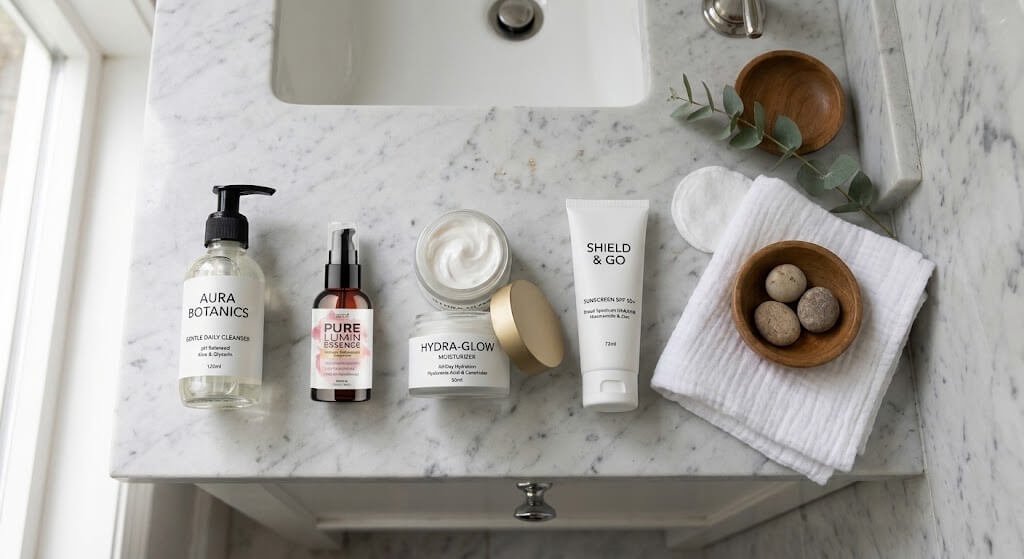
Evening routine
- Cleanse gently to remove sunscreen, makeup, sweat, and dirt.
- Apply one treatment: azelaic acid, niacinamide, alpha arbutin, tranexamic acid, or retinol.
- Apply moisturizer.
If you use retinol, begin with two nights per week. On the other nights, use only moisturizer or a gentle pigment serum. Do not stack retinol with strong chemical exfoliants until you know your skin handles both well.
A practical 12-week progression
| Weeks | Routine target | What to watch for |
| 1 to 2 | Introduce one active ingredient 2 to 3 times weekly | Stinging, flaking, itchiness, breakouts |
| 3 to 4 | Increase toward daily use if skin is comfortable | Small changes in brightness and new marks fading |
| 5 to 8 | Maintain a steady routine and daily sunscreen | Existing marks may begin looking softer or lighter |
| 9 to 12 | Reassess photos and tolerance | Decide whether to continue, adjust, or see a dermatologist |
Take photos once every four weeks in the same place, at the same time of day, without makeup, and under the same lighting. Day-to-day mirror checks are unreliable because lighting can make pigment look dramatically different.
How to Apply a Serum So It Has a Fair Chance to Work
A serum is only useful if it reaches your skin consistently and does not trigger irritation. You do not need to use more product than the label recommends.
Step-by-step application
- Start with clean, dry or slightly damp skin according to the product directions.
- Use a small amount, typically two to three drops for the face.
- Spread it across areas with uneven tone rather than applying a thick layer only to one mark.
- Let it settle for about one minute.
- Follow with moisturizer.
- Use sunscreen every morning, even if your serum is only used at night.
Patch test a new serum before putting it all over your face. Apply a small amount to the inner arm or behind the ear for several days. A patch test cannot guarantee you will not react, but it can help you identify obvious irritation.
Common Mistake: Using several “brightening” products at once
Layering a vitamin C serum, exfoliating acid, retinol, and a spot corrector may feel productive. Often, it creates redness, burning, or peeling that leads to more discoloration.
Fix: Pick one main treatment for 8 to 12 weeks. Add a second active only if your skin is stable and you have a clear reason to do so. Your basic cleanser, moisturizer, and sunscreen should remain constant.
Easier and Harder Routine Options
Think of your routine in levels. The goal is not to use the strongest formula. The goal is to use an effective plan long enough to see a difference.
Easier version: sensitive-skin routine
Use this if your skin is dry, reactive, or new to active products.
- Morning: gentle cleanse, niacinamide, moisturizer, SPF 30+
- Evening: gentle cleanse, moisturizer
- Add azelaic acid or a mild retinol only two evenings per week after two stable weeks
This regression reduces the chance that irritation will prolong pigment changes.
Standard version: steady pigment-fading routine
- Morning: cleanse, vitamin C or niacinamide, moisturizer, SPF 30+
- Evening: cleanse, azelaic acid or tranexamic acid serum, moisturizer
- Retinol: two to three separate nights weekly if tolerated
Harder version: dermatologist-guided plan
This progression is for stubborn pigment, melasma, or marks that do not improve after consistent home care.
A dermatologist may discuss prescription retinoids, hydroquinone, azelaic acid at prescription strength, chemical peels, or other procedures. These treatments are not automatically “better” for every person and can worsen hyperpigmentation if poorly matched to your skin type or used without appropriate sun protection.
What Helps Dark Spots Fade Faster—Without Damaging Your Skin?
There is no safe shortcut that erases pigmentation overnight. But you can remove barriers that slow improvement.
Do these consistently
- Wear sunscreen daily and use hats or shade during strong sun exposure.
- Avoid picking acne, scabs, ingrown hairs, or insect bites.
- Keep your routine gentle and avoid rough scrubs.
- Treat active acne early, so fewer new dark marks form.
- Use one proven active regularly instead of switching products every week.
- Take monthly progress photos rather than judging results every morning.
Sleep and stress management will not directly erase pigmentation, but they can make it easier to stick to a routine and manage acne triggers. If your wellness plan also includes weight goals, review how sleep affects metabolism and weight management rather than relying on extreme approaches that may be hard to sustain.
Be cautious with “natural” remedies
Lemon juice, undiluted essential oils, baking soda, toothpaste, and abrasive DIY scrubs can cause burns or irritation. That irritation may leave darker marks, especially in melanin-rich skin.
A product being “natural” does not make it safe, effective, or appropriate for facial skin. If you want a simpler routine, choose fewer well-formulated products instead of kitchen remedies.
When to See a Dermatologist About Dark Spots
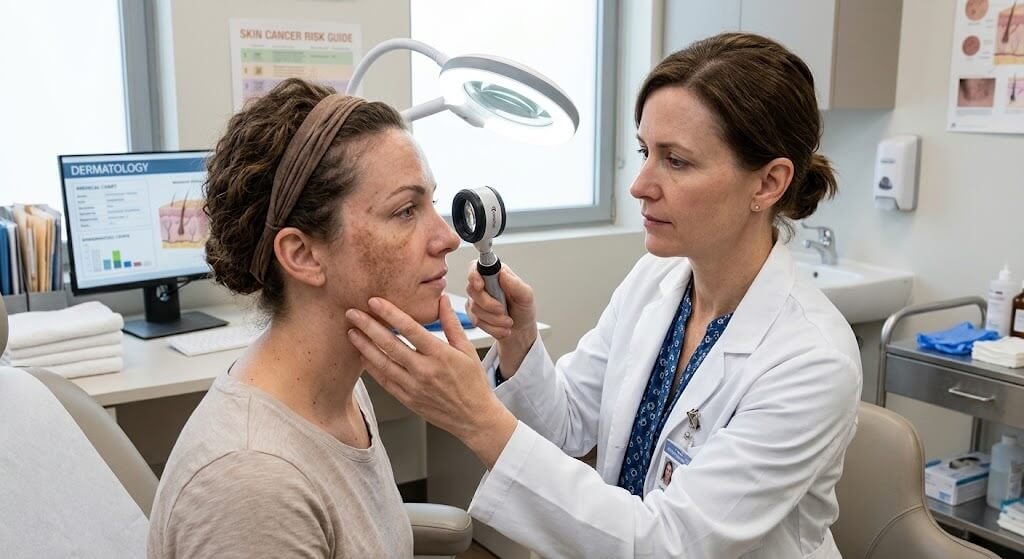
See a dermatologist if you have used a gentle, consistent routine with daily sunscreen for about 3 months and see no meaningful improvement. You should also make an appointment sooner if you have melasma, severe acne, rapid changes in pigmentation, or a spot that changes in color, shape, or size.
A dermatologist can help distinguish PIH from melasma, actinic sun damage, contact dermatitis, or a concerning lesion. A correct diagnosis prevents wasted money and reduces the risk of making pigment worse with the wrong treatment.
If you are pregnant, breastfeeding, managing eczema or rosacea, taking medications that increase sun sensitivity, or have a history of skin reactions, check with a doctor or dermatologist before starting retinoids or intensive treatments.
FAQs
How long does vitamin C serum take to fade dark spots?
Vitamin C serum commonly needs about 8 to 16 weeks of consistent use before dark spots look noticeably lighter. Results vary with the type of discoloration and your sunscreen habits. Use it with broad-spectrum SPF 30+, since ongoing ultraviolet exposure can darken the same areas you are trying to treat.
Does niacinamide fade dark spots?
Niacinamide may help fade uneven tone and post-acne dark marks, usually over about 8 to 12 weeks. It tends to be gentler than many exfoliating acids or retinoids, making it a useful option for beginners. Use it consistently, and stop or reduce use if you develop irritation.
Can dark spots fade in two weeks?
Most true dark spots will not fully fade in two weeks. You may notice improved hydration or a brighter overall appearance, but melanin changes usually take several skin cycles. Be skeptical of products that promise instant spot removal, especially if they do not emphasize daily sun protection.
What serum is best for post-acne dark marks?
A niacinamide, azelaic acid, vitamin C, tranexamic acid, or retinoid-based serum may help post-acne marks. The best choice depends on your skin sensitivity and whether active acne is still present. Start with one active, use sunscreen every day, and avoid picking blemishes.
Should I use dark spot serum in the morning or at night?
It depends on the active ingredient. Vitamin C and niacinamide work well in the morning under sunscreen. Retinol is generally used at night because it can increase irritation and sun sensitivity. Azelaic acid can often be used morning or night, depending on the specific formula and your tolerance.
Why are my dark spots not fading?
Dark spots may persist if you skip sunscreen, keep irritating your skin, continue getting acne, or are treating melasma or deeper pigment with an unsuitable product. Give a gentle routine at least 8 to 12 weeks. If no progress occurs, a dermatologist can identify the type of discoloration and discuss stronger options.
Final Takeaway: How Long Does It Take for Serum to Fade Dark Spots?
For most people, how long does it take for serum to fade dark spots comes down to a realistic window of 8 to 12 weeks for early improvement and 3 to 6 months for more stubborn pigmentation. Daily sunscreen, a calm skin barrier, and one consistent active ingredient matter more than using a long list of harsh products.
Choose a serum that fits your skin, introduce it gradually, and track progress monthly. If the marks are worsening, changing, or not responding after a steady routine, a dermatologist can help you move forward safely.