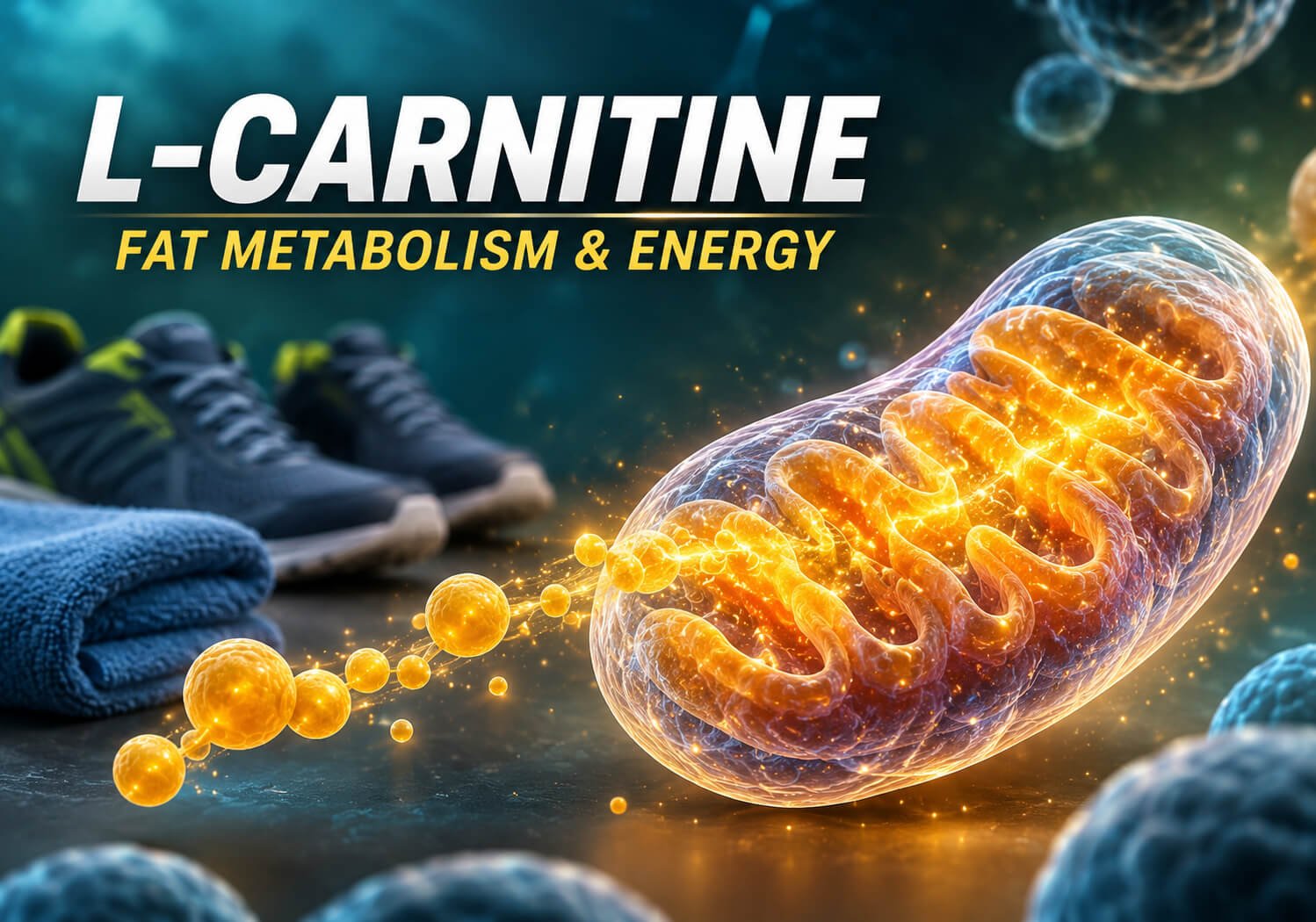
In the crowded world of fitness and weight management supplements, few compounds have generated as much sustained interest as L-carnitine. Marketed heavily in pre-workout formulas, fat burners, and longevity stacks, it is frequently touted as a miracle solution for shedding stubborn pounds and skyrocketing daily vitality. But does the scientific evidence support the hype? The quick answer is that L-carnitine for fat metabolism and energy plays a crucial, non-negotiable role in human physiology: it helps transport long-chain fatty acids into the mitochondria, where they are oxidized and used as cellular energy. However, it is not a magic fat-melting pill. Its effectiveness as a supplement depends heavily on your baseline levels, diet, and activity level.
This comprehensive, science-backed guide will demystify L-carnitine. We will explore exactly what this amino acid derivative is, how it functions at the cellular level to support metabolic health, and what clinical research truly says about its weight loss and energy-boosting capabilities. You will learn about the different forms of L-carnitine available, optimal dosing strategies, potential side effects, and how to choose a high-quality product. Whether you are an athlete looking to improve endurance, an older adult seeking metabolic support, or someone simply curious about optimizing your cellular energy, this article provides the evidence-based answers you need to make an informed decision about your health.
What Is L-Carnitine?
To understand its role in the body, we must first define what is L-carnitine. L-carnitine is a naturally occurring amino acid derivative that plays a pivotal role in energy production. While it is often grouped with amino acids, it is technically synthesized in the body from two essential amino acids: lysine and methionine. This complex biosynthesis process primarily takes place in the liver and kidneys, but it requires several crucial cofactors to occur efficiently, including vitamin C, vitamin B6, niacin, and iron. Because of this intricate production pathway, individuals with poor nutrition, specific genetic variations, or certain medical conditions may struggle to produce adequate amounts endogenously, leading to a potential carnitine deficiency.
In addition to natural production, the body acquires L-carnitine through dietary sources. The richest dietary sources of L-carnitine are animal products, particularly red meat, which is where the compound gets its name (from the Latin word “caro,” meaning flesh or meat). Fish, poultry, and dairy products also contain significant, though lesser, amounts. Plant-based foods contain only trace amounts of carnitine, which is why strict vegetarians and vegans often have lower baseline levels of this compound in their muscle tissue compared to omnivores. Despite this, healthy vegans rarely develop a clinical deficiency because the kidneys are highly efficient at conserving carnitine, reducing urinary excretion when dietary intake is low.
When dietary intake and endogenous production are insufficient, or when specific health demands increase the body’s requirement, an L-carnitine supplement may be utilized. These supplements are designed to elevate tissue levels of carnitine, theoretically enhancing the body’s capacity to shuttle fats into the cellular powerhouses. It is important to distinguish between a true, clinically diagnosed carnitine deficiency—a rare genetic or acquired disorder causing severe muscle weakness and cardiomyopathy—and the suboptimal tissue levels that some athletes or dieters might experience. For the general population, supplementation is not about curing a disease, but rather about optimizing a specific metabolic pathway to support fat metabolism and energy production during periods of high physical demand or caloric restriction.
How Does L-Carnitine Work in Fat Metabolism?
Understanding how L-carnitine burns fat requires a brief journey into cellular biology, specifically focusing on mitochondrial function. The mitochondria are often referred to as the “powerhouses” of the cell because they generate most of the cell’s supply of adenosine triphosphate (ATP), the primary molecule used for cellular energy. However, the inner membrane of the mitochondria is highly impermeable. Long-chain fatty acids, which are a major source of fuel for the body, cannot simply diffuse across this membrane on their own. This is where L-carnitine steps in as an essential molecular shuttle.
The process begins with fatty acid oxidation. When the body needs energy, stored triglycerides are broken down into free fatty acids, which travel through the bloodstream to the muscles. Before these long-chain fatty acids can be burned, they must be activated by attaching to a molecule called coenzyme A (CoA), forming acyl-CoA. The enzyme carnitine palmitoyltransferase I (CPT1), located on the outer mitochondrial membrane, then transfers the fatty acid from CoA to L-carnitine, creating a new compound called acylcarnitine. This acylcarnitine is the only form in which long-chain fatty acids can be transported across the inner mitochondrial membrane via a specialized protein called carnitine-acylcarnitine translocase.
Once inside the mitochondrial matrix, the process reverses. Another enzyme, CPT2, transfers the fatty acid back to CoA, freeing the L-carnitine to return to the cytoplasm and repeat the cycle. The fatty acid then undergoes beta-oxidation, a metabolic process that sequentially cleaves two-carbon units from the fatty acid chain, producing acetyl-CoA. This acetyl-CoA enters the Krebs cycle (citric acid cycle), ultimately driving the electron transport chain to produce massive amounts of ATP. Without adequate L-carnitine, long-chain fatty acids accumulate in the cytoplasm, unable to be used for cellular energy production, which can lead to metabolic inefficiency, fatigue, and the storage of unused fats. Therefore, L-carnitine is fundamentally required for optimal lipid metabolism and sustained metabolic health.
Does L-Carnitine Really Boost Energy?
The claim that L-carnitine for energy acts as a universal stimulant is a misconception, but it does have legitimate, scientifically supported mechanisms for reducing fatigue and improving perceived energy levels under specific conditions. Unlike caffeine, which blocks adenosine receptors in the brain to mask tiredness, L-carnitine supports energy production at the foundational, cellular level. By facilitating the efficient transport of fatty acids into the mitochondria, it ensures that the body has a steady, reliable stream of ATP during prolonged physical activity. This is particularly relevant during endurance exercises, where the body shifts from relying on limited glycogen stores to burning fat as its primary fuel source.
Research into fatigue reduction and exercise performance shows that L-carnitine supplementation can significantly improve endurance performance and accelerate muscle recovery. A key mechanism here is the reduction of metabolic stress. During intense exercise, the body produces metabolic byproducts, and muscle glycogen is depleted. Studies have demonstrated that L-carnitine supplementation, particularly over several weeks, can reduce muscle damage markers (like creatine kinase), decrease delayed onset muscle soreness (DOMS), and improve blood flow by enhancing nitric oxide production. This improved oxygen delivery to working muscles helps delay the onset of physical fatigue, allowing athletes to train harder and recover faster between sessions.
Furthermore, the benefits of L-carnitine extend beyond physical muscle energy to brain energy and focus, primarily through a specific variant known as acetyl-L-carnitine (ALCAR). ALCAR is uniquely capable of crossing the blood-brain barrier, where it plays a vital role in neuronal energy metabolism and the synthesis of acetylcholine, a neurotransmitter critical for learning, memory, and focus. For individuals experiencing mental fatigue, brain fog, or age-related cognitive decline, ALCAR has been shown in clinical trials to improve mental clarity, elevate mood, and support overall cognitive support. Therefore, while it may not give you a jittery, immediate “buzz,” L-carnitine is a highly effective natural energy booster for sustaining both physical stamina and mental acuity over time.
L-Carnitine for Weight Loss: What the Research Says
When evaluating L-carnitine for weight loss, it is crucial to separate aggressive marketing claims from objective clinical data. The supplement industry frequently promotes it as a potent fat burner supplement capable of melting away stubborn adipose tissue. However, a careful review of the scientific literature reveals a more nuanced reality. A prominent meta-analysis published in the journal Obesity Reviews examined multiple randomized controlled trials and concluded that individuals supplementing with L-carnitine lost significantly more weight than those taking a placebo. On average, the L-carnitine groups lost approximately 1.3 kilograms (about 2.9 pounds) more than the placebo groups over the course of the studies.
While statistically significant, these L-carnitine results highlight the need for realistic expectations. A loss of 1.3 kilograms over several weeks or months is a modest effect, not a dramatic transformation. L-carnitine does not directly “burn belly fat” or increase your basal metabolic rate in a way that overrides a poor diet or sedentary lifestyle. Instead, it acts as an adjunct therapy. It may slightly improve body composition by supporting the utilization of fat stores during exercise, preserving lean muscle mass during caloric restriction, and reducing the fatigue that often causes people to abandon their workout routines. It is a tool that optimizes the fat-burning process, but it cannot initiate that process without a caloric deficit and physical activity.
So, who benefits most from L-carnitine supplementation for weight management? The research indicates that the effects are not uniform across all populations. Older adults, who naturally experience a decline in muscle carnitine levels and mitochondrial efficiency, often see more pronounced improvements in body composition and physical function. Similarly, vegetarians and vegans, who start with lower baseline tissue levels of carnitine, tend to experience more significant metabolic shifts when supplementing compared to heavy meat-eaters whose stores are already saturated. Additionally, individuals with specific metabolic conditions, such as insulin resistance or obesity, may benefit from L-carnitine’s ability to improve cellular metabolic flexibility, making it easier for their bodies to switch between burning carbohydrates and fats. For the average, healthy omnivore with a balanced diet, the weight loss effects will likely be minimal.
Types of L-Carnitine (Comparison Table)
Not all L-carnitine supplements are created equal. The molecule can be bound to different salts or chemical groups, which alters its absorption rate, bioavailability, and primary physiological effects. Choosing the best form of L-carnitine depends entirely on your specific health and fitness goals. Below is a detailed comparison of the most common and scientifically studied variants available on the market today.
| Type | Best For | Notes |
| L-Carnitine L-Tartrate (LCLT) | Exercise recovery, muscle soreness, athletic performance | Fast absorbing; most common in sports supplements; binds to tartaric acid for stability. |
| Acetyl-L-Carnitine (ALCAR) | Brain health, mental focus, cognitive energy, nerve health | Crosses the blood-brain barrier efficiently; provides acetyl groups for neurotransmitter synthesis. |
| Propionyl-L-Carnitine (PLC) | Circulation, cardiovascular support, peripheral artery disease | Enhances nitric oxide production, improving blood flow and reducing vascular resistance. |
| Liquid L-Carnitine | Fast absorption, convenience, those who dislike pills | Often absorbed slightly faster than capsules; can be more expensive and may contain added sugars. |
| L-Carnitine Fumarate | General use, heart health support | Bound to fumaric acid, which is an intermediate in the Krebs cycle, offering mild synergistic energy benefits. |
When evaluating acetyl L-carnitine benefits, it is important to note its unique role in neuroprotection and cognitive enhancement, making it the superior choice for students, professionals, or older adults concerned with brain fog. Conversely, L-carnitine tartrate is the gold standard for athletes due to its rapid absorption and proven ability to reduce androgen receptor downregulation and muscle damage post-exercise. Liquid L-carnitine is favored by those who want to mix their dose into pre-workout drinks for convenience, though consumers should check labels for unnecessary additives. Ultimately, understanding these distinctions ensures you are not wasting money on a form that does not align with your physiological objectives.

Other Health Benefits of L-Carnitine
Beyond fat metabolism and exercise performance, L-carnitine offers a surprisingly diverse range of other health benefits, making it a valuable compound for overall metabolic and systemic health. One of the most well-researched areas is L-carnitine heart health. The heart muscle relies heavily on fatty acid oxidation for up to 70% of its energy requirements. Consequently, the heart contains some of the highest concentrations of carnitine in the body. Clinical studies have shown that L-carnitine supplementation can improve outcomes in patients with chronic heart failure, angina, and those recovering from myocardial infarction (heart attacks) by improving cellular energy production in cardiac tissue and reducing oxidative stress.
Another significant area of research involves L-carnitine and diabetes. Insulin resistance and type 2 diabetes are characterized by impaired cellular metabolism. L-carnitine has been shown to improve insulin sensitivity and glucose metabolism. By enhancing the oxidation of fatty acids, it helps prevent the accumulation of toxic lipid intermediates in muscle and liver cells, which are known to interfere with insulin signaling pathways. Some trials have demonstrated that L-carnitine supplementation can lead to modest reductions in fasting blood sugar levels and HbA1c in diabetic patients, highlighting its role in comprehensive metabolic health.
L-carnitine is also widely utilized as a male fertility supplement. Sperm cells require immense amounts of energy to maintain motility (the ability to swim effectively). The epididymis, where sperm mature, has a very high concentration of carnitine. Supplementation has been shown in multiple meta-analyses to significantly improve sperm motility, morphology, and overall count in men with idiopathic infertility, likely by protecting sperm cells from oxidative damage and providing the necessary ATP for movement. Additionally, in clinical settings, L-carnitine is a standard supportive therapy for kidney and dialysis patients. Because the kidneys synthesize carnitine, patients with chronic kidney disease or those undergoing hemodialysis frequently develop severe carnitine deficiency, leading to muscle cramps, hypotension, and fatigue. Intravenous or oral L-carnitine is routinely prescribed in these cases to restore normal physiological function and improve the patient’s quality of life.
L-Carnitine Dosage: How Much Should You Take?
Determining the correct L-carnitine dosage is critical for achieving desired results without wasting money or risking unnecessary side effects. The appropriate amount varies significantly based on the specific form of carnitine being used and the individual’s health goals. For general health, athletic performance, and fat metabolism support using L-Carnitine L-Tartrate, the typical daily dosage ranges from 1,000 to 2,000 milligrams (1 to 2 grams). This dose is usually well-tolerated and has been shown in studies to effectively elevate muscle carnitine levels over time. For cognitive support and brain health using Acetyl-L-Carnitine (ALCAR), the standard dosage is slightly higher, typically ranging from 1,500 to 3,000 milligrams per day, often split into two or three doses to maintain stable blood levels throughout the day. Propionyl-L-Carnitine, used for cardiovascular and blood flow support, is generally dosed between 400 and 1,000 milligrams daily.
The best time to take L-carnitine is a subject of frequent debate, but the scientific consensus points toward timing it strategically around physical activity and meals. Taking L-carnitine before a workout is popular, but research suggests that the timing is less important than the presence of insulin. Insulin is the primary hormone responsible for driving L-carnitine from the bloodstream into the muscle tissue. Therefore, the most effective strategy is to consume your L-carnitine supplement alongside a meal containing carbohydrates and protein, or roughly 30 to 60 minutes before a workout if that meal was recently consumed. This insulin spike maximizes muscle uptake, ensuring the supplement actually reaches the tissues where it is needed for fat metabolism and energy production, rather than being excreted in the urine.
Regarding how long until you see results, patience is essential. Unlike stimulant-based fat burners that provide an immediate, albeit temporary, sensation of increased energy, L-carnitine works by gradually saturating muscle tissue. Clinical studies indicate that it can take anywhere from 3 to 4 weeks of consistent, daily supplementation to significantly elevate intramuscular carnitine levels. Therefore, users should not expect immediate weight loss or dramatic energy shifts in the first few days. Consistency is the key to unlocking the metabolic and performance benefits of this compound. It is a long-term investment in cellular health, not a quick-fix solution.
L-Carnitine Food Sources
While supplementation is popular, obtaining nutrients from whole foods is always the foundational recommendation for optimal health. Understanding which foods are high in L-carnitine can help you naturally optimize your intake, especially if you are an omnivore. As previously mentioned, the highest concentrations of L-carnitine are found in red meat. For example, a standard 4-ounce (113-gram) serving of cooked beef steak can contain anywhere from 56 to 162 milligrams of L-carnitine. Pork and lamb are similarly rich sources. Poultry, such as chicken breast, contains lower but still meaningful amounts, typically around 3 to 5 milligrams per 4-ounce serving. Fish, particularly cod and chicken-fried chicken, also provides modest amounts, usually ranging from 4 to 7 milligrams per serving. Dairy products, including whole milk, cheddar cheese, and ice cream, contain trace amounts, generally between 3 and 8 milligrams per cup.
For individuals following plant-based diets, navigating L-carnitine for vegans requires a different approach. Plant-based foods, such as asparagus, broccoli, avocados, and whole wheat bread, contain only negligible, trace amounts of carnitine (often less than 1 milligram per serving). However, it is a common misconception that vegans inevitably suffer from carnitine deficiency. The human body is remarkably adaptive. When dietary intake is low, the kidneys dramatically reduce the urinary excretion of carnitine, conserving the compound that the liver and kidneys continue to synthesize endogenously from lysine and methionine. Most healthy vegans maintain blood carnitine levels within the normal reference range.
Nevertheless, because muscle tissue carnitine levels in vegans are typically 20% to 30% lower than those in omnivores, strict vegetarians and vegans who engage in high-intensity athletic training or are seeking the specific performance and fat metabolism benefits of elevated tissue carnitine may find it difficult to achieve those levels through diet alone. In these specific cases, a vegan L-carnitine supplement (which is synthetically produced and contains no animal derivatives) can be a highly practical and effective tool to bridge the gap between natural synthesis and optimal athletic or metabolic performance.
Side Effects and Safety
When considering any dietary intervention, understanding the potential L-carnitine side effects is paramount. Overall, L-carnitine is considered highly safe and well-tolerated by the majority of the population when taken at recommended dosages. However, like any supplement, it can cause adverse reactions in some individuals. The most common side effects are mild and gastrointestinal in nature, including nausea, vomiting, stomach upset, abdominal cramps, and diarrhea. These symptoms are usually dose-dependent and can often be mitigated by taking the supplement with food or splitting the daily dose into smaller, more frequent servings. Additionally, at very high doses (typically exceeding 3,000 milligrams per day), some individuals may develop a distinct “fishy” odor in their breath, sweat, and urine. This occurs due to the metabolism of excess carnitine by gut bacteria into trimethylamine, a condition that is harmless but socially unpleasant.
There are also possible interactions with medications that users must be aware of. L-carnitine may interact with blood-thinning medications, such as warfarin or acenocoumarol, potentially increasing the risk of bleeding by enhancing the anticoagulant effects. It may also interact with thyroid hormone medications. Because L-carnitine can inhibit the entry of thyroid hormones into certain cells, it might theoretically reduce the efficacy of medications like levothyroxine, making it crucial for individuals with hypothyroidism to consult their doctor before supplementing.
A significant topic of modern scientific debate revolves around L-carnitine and TMAO (trimethylamine N-oxide). When gut bacteria metabolize L-carnitine, they produce trimethylamine (TMA), which the liver then oxidizes into TMAO. Elevated blood levels of TMAO have been epidemiologically linked to an increased risk of atherosclerosis and cardiovascular disease in some observational studies. This has led to questions regarding whether long-term L-carnitine supplementation is truly safe for heart health. However, the scientific community remains divided. Many researchers argue that the TMAO production is highly dependent on an individual’s unique gut microbiome composition, and that the cardiovascular benefits of L-carnitine (such as improved lipid metabolism and reduced oxidative stress) may outweigh this theoretical risk, especially in healthy individuals. Furthermore, omnivores who consume high amounts of red meat already have gut flora adapted to this process.
Who should avoid it or consult a doctor first? Individuals with a history of seizures should use caution, as there are rare reports of L-carnitine triggering seizures in susceptible individuals. Pregnant or breastfeeding women should only use it under strict medical supervision. Anyone with pre-existing cardiovascular disease, thyroid disorders, or kidney disease should always seek professional medical advice before adding L-carnitine to their regimen to ensure it does not interfere with their specific health profile or current medications.
How to Choose a Quality L-Carnitine Supplement
The dietary supplement industry is notoriously under-regulated, making it essential for consumers to be diligent when navigating the market. To find the best L-carnitine supplement, you must prioritize quality, transparency, and purity over flashy marketing claims or the lowest possible price. The first and most critical factor to look for is third-party testing. Reputable supplements will be certified by independent organizations such as NSF International, Informed Choice, or USP (United States Pharmacopeia). These certifications guarantee that the product actually contains the ingredients and dosages listed on the label, and, crucially, that it is free from harmful contaminants, heavy metals, and banned substances. This is especially important for competitive athletes who are subject to drug testing.
Form and purity are the next major considerations. As discussed, different forms serve different purposes. Ensure the label clearly states the specific type of carnitine (e.g., L-Carnitine L-Tartrate or Acetyl-L-Carnitine) rather than a vague “carnitine complex.” The supplement should ideally be free from unnecessary fillers, artificial colors, and excessive sugars, particularly in liquid formulations. A high-quality product will use clean, bioavailable ingredients. Furthermore, dosage transparency is non-negotiable. You must avoid proprietary blends at all costs. A proprietary blend hides the exact amount of each ingredient, allowing manufacturers to “fairy dust” the product by including a minuscule, ineffective amount of L-carnitine alongside a large amount of cheap filler, while still making bold claims on the front of the bottle. The label should explicitly state the exact milligram amount of L-carnitine per serving.
For those following plant-based lifestyles, seeking out a certified vegan L-carnitine is important. While L-carnitine can be derived from animal sources, the vast majority of commercial supplements are synthesized microbiologically in laboratories, making them inherently vegan. However, checking for a vegan certification ensures that the capsule shells (which are often made from gelatin) and other minor ingredients are also plant-derived. By utilizing a thorough supplement buying guide approach—prioritizing third-party testing, transparent labeling, and the correct specific form for your goals—you can invest in a product that is both safe and effective, ensuring you get the metabolic support you are paying for.
L-Carnitine Combinations That May Work Better
While L-carnitine is effective on its own, its benefits can be significantly amplified when it is strategically combined with other synergistic compounds. This practice, known as stacking supplements, is common among athletes and biohackers looking to maximize fat metabolism and energy production. One of the most scientifically supported combinations is L-carnitine and CoQ10 (Coenzyme Q10). Both compounds play essential, sequential roles in the mitochondrial electron transport chain. While L-carnitine shuttles the fatty acids into the mitochondria to be burned, CoQ10 is a critical electron carrier that facilitates the actual production of ATP. Taking them together provides comprehensive mitochondrial support, potentially yielding greater improvements in cellular energy and reduced fatigue than either supplement alone.
Another highly effective pairing is L-carnitine with caffeine or green tea extract. Caffeine acts as a central nervous system stimulant and has been shown to increase the mobilization of free fatty acids from adipose tissue into the bloodstream. By increasing the availability of these fatty acids, caffeine essentially provides more “fuel” for the L-carnitine “shuttle” to transport into the mitochondria. This creates a highly efficient fat-burning stack, particularly when consumed prior to aerobic exercise. Green tea extract adds to this effect through its active compound, EGCG, which may further support metabolic rate and fat oxidation.
Perhaps the most critical combination for actually getting L-carnitine to work is pairing it with carbohydrates and alpha-lipoic acid (ALA). As mentioned in the dosage section, insulin is required to drive L-carnitine into muscle tissue. Research has shown that consuming L-carnitine alongside a carbohydrate-rich meal significantly increases muscle carnitine retention. Adding alpha-lipoic acid, a potent antioxidant that also enhances insulin sensitivity, has been shown in clinical trials to further amplify this effect, allowing for greater muscle saturation of L-carnitine without requiring excessively high carbohydrate intake. This strategic stacking ensures that the supplement is not just passing through your digestive system, but is actively being utilized to improve your metabolic health and physical performance.
Frequently Asked Questions
Does L-carnitine burn fat without exercise? No, L-carnitine does not burn fat without exercise or a caloric deficit. It acts as a transporter for fatty acids, but it does not increase your basal metabolic rate or melt fat passively. Physical activity is required to create the energy demand that utilizes this transported fat.
Can I take L-carnitine every day? Yes, you can safely take L-carnitine every day. Consistency is actually required for it to be effective, as it takes several weeks of daily supplementation to saturate your muscle tissues and produce noticeable improvements in energy and metabolic function.
Is L-carnitine better in the morning or at night? It is generally better taken in the morning or before a workout. Taking it with a carbohydrate-containing meal enhances muscle absorption via insulin. Taking it at night is not harmful, but it offers no specific advantage and may cause mild stomach upset for some before bed.
What is the difference between L-carnitine and acetyl-L-carnitine? Standard L-carnitine is best for physical energy, muscle recovery, and fat metabolism. Acetyl-L-carnitine (ALCAR) has an added acetyl group, allowing it to cross the blood-brain barrier, making it superior for cognitive support, mental focus, and nerve health.
Does L-carnitine work for women? Yes, L-carnitine works effectively for women. It supports fat metabolism, exercise recovery, and energy levels regardless of gender. It is also frequently used to support healthy metabolism during menopause and to improve outcomes in conditions like PCOS.
How long does L-carnitine take to work? You should not expect immediate results. It typically takes 3 to 4 weeks of consistent, daily supplementation to adequately saturate muscle tissue levels and begin experiencing noticeable improvements in endurance, recovery, and metabolic efficiency.
Can L-carnitine cause weight gain? No, L-carnitine does not directly cause weight gain. It is not a calorie-dense substance. Any weight changes while taking it are far more likely related to overall diet, exercise habits, or water retention, rather than the supplement itself.
Is L-carnitine safe for long-term use? Yes, L-carnitine is generally considered safe for long-term use at recommended dosages (up to 2,000 mg daily). However, individuals with specific health conditions, like thyroid disorders or kidney disease, should consult a doctor for long-term monitoring.