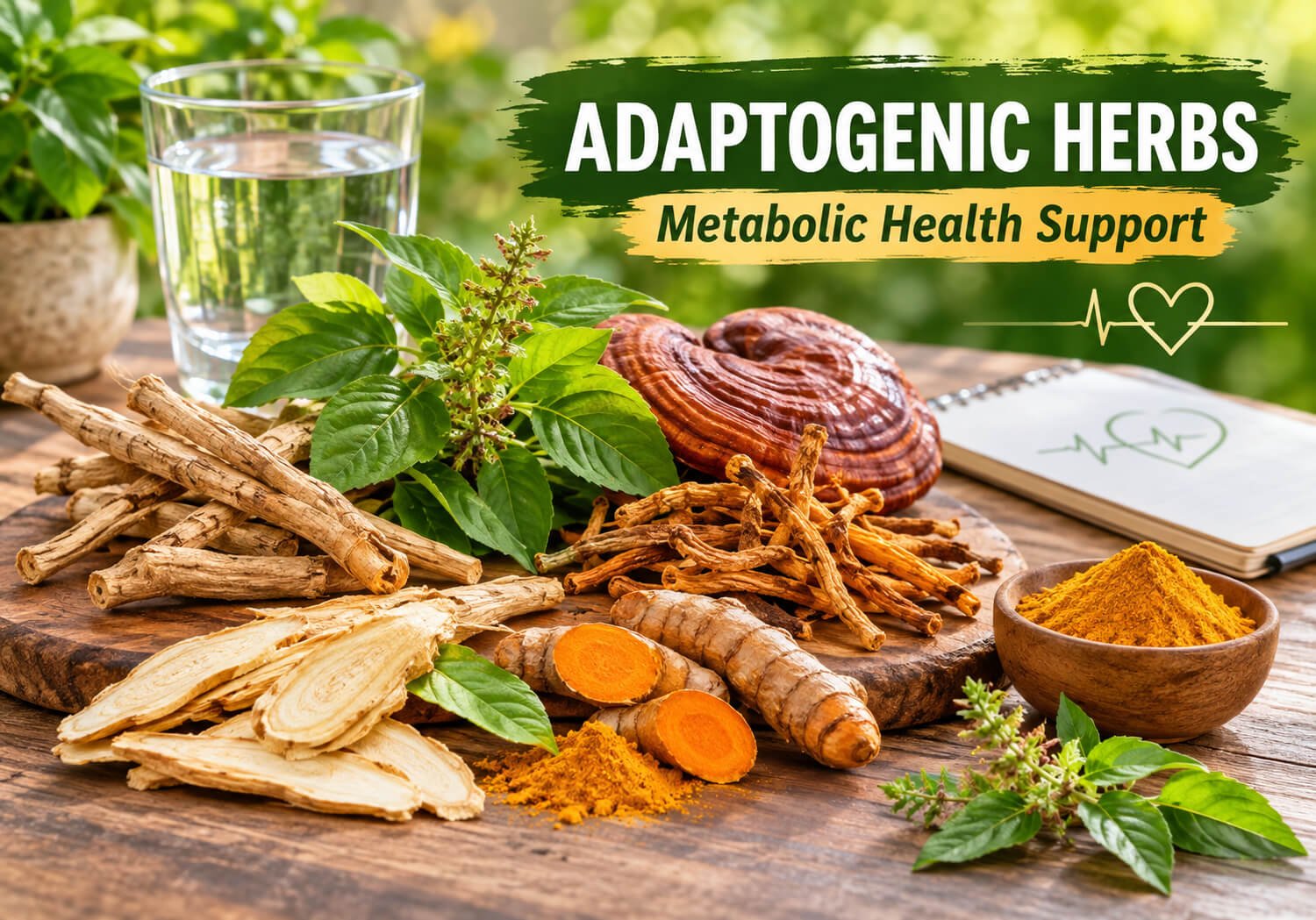
Metabolic syndrome is a cluster of conditions—elevated blood pressure, high blood sugar, excess waist fat, and abnormal cholesterol levels—that raise your risk of heart disease and type 2 diabetes. If you or a client you coach is dealing with one or more of these markers, you’ve probably been told to change your diet and move more. And you should. But the stress, poor sleep, and chronic inflammation that come with metabolic syndrome can make those changes harder to sustain.
That’s where the best adaptogenic herbs for metabolic syndrome symptoms come in as a supporting tool. Adaptogens are plant-based compounds that help your body manage stress and may support the hormonal and metabolic pathways that tend to go haywire when metabolic syndrome develops. They won’t replace medication or a training program, but research suggests they can be a useful part of a broader strategy.
Below, I break down the top herbs, what the evidence actually says, practical dosing guidance, and how to fit them into a daily routine alongside movement and nutrition.
Quick Answer: The most studied adaptogenic herbs for metabolic syndrome symptoms include ashwagandha (cortisol and glucose support), holy basil/tulsi (blood sugar regulation), Panax ginseng (lipid and glucose metabolism), and rhodiola rosea (stress and energy). Most people start with one or two herbs at a time, using doses studied in clinical trials (typically 300–600 mg of a standardized extract daily), and give themselves 4–8 weeks to assess changes in energy, stress, and lab markers.
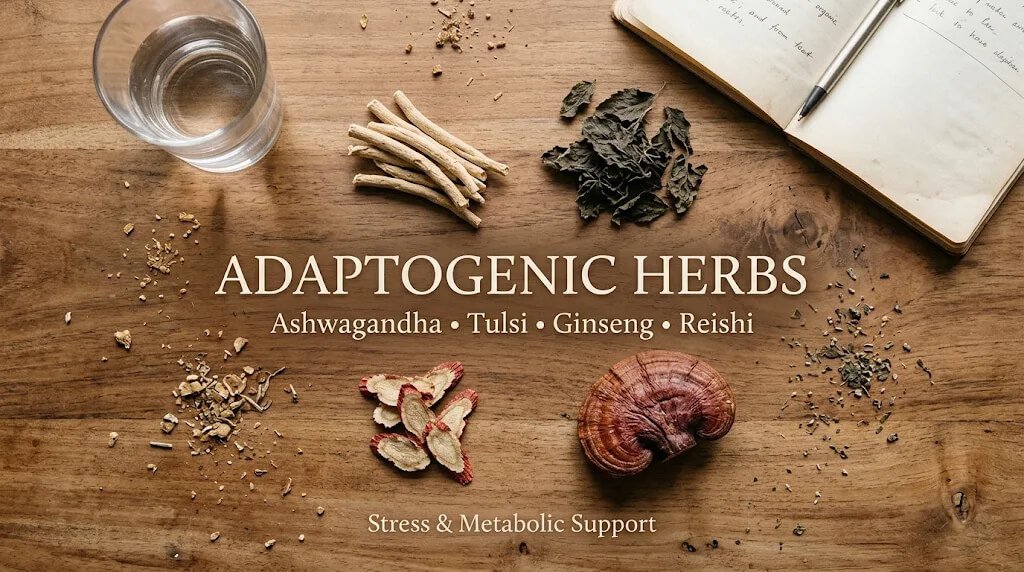
What Is Metabolic Syndrome, and Why Do Adaptogens Matter?
The Centers for Disease Control and Prevention defines metabolic syndrome as having three or more of the following:
- Waist circumference ≥ 40 in (102 cm) for men or ≥ 35 in (89 cm) for women
- Triglycerides ≥ 150 mg/dL
- HDL cholesterol < 40 mg/dL (men) or < 50 mg/dL (women)
- Blood pressure ≥ 130/85 mm Hg
- Fasting blood glucose ≥ 100 mg/dL
The common thread in all five markers is chronic low-grade inflammation and dysregulated stress hormones, especially cortisol. When your HPA (hypothalamic-pituitary-adrenal) axis stays in overdrive—due to poor sleep, work stress, or inactivity—cortisol drives glucose production, promotes fat storage around the midsection, and blunts insulin sensitivity.
Adaptogens work by modulating that same HPA axis. The National Center for Complementary and Integrative Health (NCCIH) describes adaptogens as substances that “increase the body’s ability to resist physical, chemical, and biological stress” while helping normalize hormonal output. In practical terms, a lower, steadier cortisol curve can make it easier to manage blood sugar, reduce visceral fat, and improve how your body handles triglycerides.
Important: If you’ve been diagnosed with metabolic syndrome or are taking medications for blood pressure, blood sugar, or cholesterol, talk to your doctor before adding any herbal supplement. Adaptogens can interact with prescription drugs, and your provider needs to monitor your labs.
The Top 10 Adaptogenic Herbs for Metabolic Syndrome Symptoms
1. Ashwagandha (Withania somnifera)
What it does: Ashwagandha is the most researched adaptogen in the Western literature. Clinical trials have shown it can lower fasting cortisol by roughly 20–30% in stressed adults. Lower cortisol is linked to reduced visceral fat accumulation and improved insulin signaling.
How it may help metabolic syndrome:
- Cortisol reduction → less abdominal fat storage
- Improved sleep quality → better glucose regulation the next day
- Mild anti-inflammatory effects on the immune system
Suggested dose (from published trials): 300–600 mg of a root extract standardized to 5% withanolides, taken once or twice daily with food.
Who should be careful: People on thyroid medication, sedatives, or immunosuppressants. Ashwagandha may increase thyroid hormone levels, so those with hyperthyroidism should avoid it.
Coach’s Tip: I recommend clients take ashwagandha in the evening, about 30 minutes before bed, because the cortisol-lowering and sleep-supportive effects can make it harder to wind down if taken right before a heavy lifting session. Pair it with a 10-minute box-breathing routine (4 sec in, 4 sec hold, 4 sec out, 4 sec hold) to amplify the parasympathetic shift.
2. Holy Basil / Tulsi (Ocimum tenuiflorum)
What it does: Tulsi has a long history in Ayurvedic medicine for blood sugar support. A small number of human trials have shown modest reductions in fasting glucose and HbA1c when taken alongside standard diet changes.
How it may help metabolic syndrome:
- May improve insulin sensitivity in peripheral tissues
- Antioxidant polyphenols reduce oxidative stress in pancreatic beta cells
- Mild anti-inflammatory action on gut and vascular tissue
Suggested dose: 300–600 mg of a standardized leaf extract (look for 2–4% eugenol) once or twice daily. Tulsi tea (1–2 cups) is a gentler option.
3. Panax Ginseng (Panax ginseng)
What it does: Korean (red) ginseng has the deepest evidence base for metabolic parameters. Meta-analyses of randomized trials suggest it can modestly lower fasting glucose, total cholesterol, and triglycerides while raising HDL.
How it may help metabolic syndrome:
- Ginsenosides (the active compounds) support mitochondrial energy production
- May improve endothelial function, which helps blood pressure
- Anti-inflammatory effects on adipose tissue
Suggested dose: 200–400 mg of a standardized ginseng extract (5% ginsenosides) once daily, in the morning.
Who should be careful: People on anticoagulants, those with uncontrolled hypertension, and anyone taking MAO inhibitors. Avoid combining with stimulant-heavy pre-workout supplements.
Common Mistake: Many clients take ginseng in the afternoon or evening and then can’t sleep. The mild stimulating effect on the sympathetic nervous system is real. Stick to a morning dose at least 6 hours before bedtime.
4. Rhodiola Rosea
What it does: Rhodiola is best known for combating fatigue and mental fog under stress. While it isn’t a direct glucose or lipid agent, reducing perceived stress and improving energy output makes it easier to stick to a training and nutrition plan—two of the biggest levers in metabolic syndrome management.
How it may help metabolic syndrome:
- Lowers perceived stress and cortisol spikes during demanding periods
- Supports mitochondrial ATP production, which can improve workout performance
- May have mild anti-inflammatory effects
Suggested dose: 200–400 mg of a 3% rosavirin / 1% salidroside extract, taken in the morning or early afternoon.
Who should be careful: People with disorder, anxiety disorders, or those on SSRIs. Rhodiola has mild serotonergic activity.
5. Reishi Mushroom (Ganoderma lucidum)
What it does: Reishi is a “dual-molecule” adaptogen that supports both the immune system and the nervous system. Animal and in-vitro studies suggest triterpenoid compounds in reishi may inhibit cholesterol synthesis and reduce LDL oxidation .
How it may help metabolic syndrome:
- Triterpenoids may modestly support healthy lipid profiles
- Beta-glucans support immune regulation, reducing chronic low-grade inflammation
- Calming effect on the nervous system aids sleep
Suggested dose: 500–1,500 mg of a fruiting-body extract (look for 10:1 or 15:1 concentration) once or twice daily.
Who should be careful: People on blood thinners or immunosuppressants. Avoid if you have a bleeding disorder.

6. Cordyceps (Cordyceps militaris / sinensis)
What it does: Cordyceps is popular in endurance and strength communities for its role in ATP cycling. For metabolic syndrome, the main benefit is improved exercise capacity, which helps you train harder and more consistently—key for improving insulin sensitivity and lipid profiles.
How it may help metabolic syndrome:
- Supports oxygen utilization and mitochondrial function
- May reduce exercise-induced oxidative stress
- Improved training consistency → better metabolic markers over time
Suggested dose: 1,000–3,000 mg of a standardized extract (3% cordycepin) daily, taken 30–60 minutes before training.
Who should be careful: People with autoimmune conditions (may stimulate immune activity) and those on anticoagulants.
7. Turmeric / Curcumin
What it does: While technically a spice rather than a classic adaptogen, curcumin’s anti-inflammatory and antioxidant actions overlap heavily with adaptogenic mechanisms. It’s one of the most studied compounds for metabolic health.
How it may help metabolic syndrome:
- Reduces NF-kB–driven inflammation in adipose and vascular tissue
- May improve insulin signaling by reducing intracellular oxidative stress
- Supports healthy lipid metabolism in the liver
Suggested dose: 500–1,000 mg of curcumin (with piperine or a liposomal delivery system for absorption) once or twice daily with a meal containing fat.
Who should be careful: People on blood thinners (warfarin, DOACs), those with gallbladder disease, and anyone scheduled for surgery (stop 2 weeks prior).
8. Schisandra (Schisandra chinensis)
What it does: Schisandra is a “triple-organ” adaptogen in traditional Chinese medicine, supporting the liver, lungs, and kidneys. Modern research points to lignan compounds (schisandrin, gomisin A) that support hepatic detoxification and may help the liver manage lipid and glucose processing.
How it may help metabolic syndrome:
- Supports healthy liver enzyme function
- Antioxidant protection against oxidative damage in metabolic tissues
- May improve lipid clearance
Suggested dose: 250–500 mg of a standardized berry extract (8% schisandrin) once or twice daily.
Who should be careful: People with liver disease (paradoxically, consult a hepatologist first), those on CYP450-metabolized drugs, and pregnant women.
9. Maca Root (Lepidium meyenii)
What it does: Maca is an adaptogen that primarily supports energy, mood, and hormonal balance. For metabolic syndrome, its role is more indirect: better energy and mood make it easier to maintain the daily movement and nutrition consistency that drive metabolic improvement.
How it may help metabolic syndrome:
- Supports healthy cortisol rhythm
- May improve perceived energy and reduce fatigue-related sedentary behavior
- Mild anti-inflammatory polyphenol content
Suggested dose: 1,500–3,000 mg of gelatinized maca powder daily, in the morning.
Who should be careful: People with thyroid conditions (contains goitrogens in raw form; gelatinized form is safer) and those on hormonal medications.
10. Eleuthero / Siberian Ginseng (Eleutherococcus senticosus)
What it does: Eleuthero is a milder adaptogen that supports cardiovascular function and stress resilience. It’s a good “starter” adaptogen for people who find ashwagandha or ginseng too stimulating.
How it may help metabolic syndrome:
- Supports healthy blood pressure and vascular tone
- Reduces stress-induced cortisol spikes
- Mild anti-inflammatory effect on endothelial cells
Suggested dose: 300–600 mg of a standardized root extract (0.8% eleutherosides) once or twice daily.
Who should be careful: People with uncontrolled hypertension, those on beta-blockers, and pregnant or nursing women.

Comparison Table at a Glance
| Herb | Primary Metabolic Target | Typical Dose | Best Time | Key Caution |
| Ashwagandha | Cortisol, sleep, glucose | 300–600 mg | Evening | Thyroid meds, sedatives |
| Holy Basil (Tulsi) | Blood sugar, HbA1c | 300–600 mg | With meals | Diabetes meds, blood thinners |
| Panax Ginseng | Lipids, glucose, BP | 200–400 mg | Morning | Anticoagulants, MAOIs |
| Rhodiola | Stress, energy, cortisol | 200–400 mg | Morning/afternoon | SSRIs, |
| Reishi | Lipids, inflammation, sleep | 500–1,500 mg | Evening | Blood thinners |
| Cordyceps | ATP, exercise capacity | 1,000–3,000 mg | Pre-workout | Autoimmune, anticoagulants |
| Turmeric/Curcumin | Inflammation, insulin signaling | 500–1,000 mg | With fatty meal | Blood thinners, gallbladder |
| Schisandra | Liver function, lipids | 250–500 mg | Morning | Liver disease, CYP450 drugs |
| Maca | Energy, mood, cortisol rhythm | 1,500–3,000 mg | Morning | Thyroid, hormonal meds |
| Eleuthero | BP, vascular tone, stress | 300–600 mg | Morning/afternoon | Beta-blockers, HTN |
You don’t need all ten herbs. In fact, stacking too many at once makes it impossible to tell which one is helping and which is causing a side effect. Here’s how I’d structure a simple protocol for a client dealing with two or three metabolic syndrome markers:
Week 1–2: Baseline and one herb
- Get current labs if you haven’t in the last 6 months (fasting glucose, HbA1c, lipid panel, cortisol if your doctor orders it).
- Pick one herb based on your dominant issue:
- High stress / poor sleep → Ashwagandha
- Elevated fasting glucose → Holy Basil
- High triglycerides / low HDL → Panax Ginseng or Turmeric
- Take it at the suggested dose and time. Log energy, sleep quality, and any GI changes in a simple notebook or app.
- If you feel good and no side effects, you can add a second herb. A common pairing: Ashwagandha (evening) + Turmeric (lunch).
- Keep the same log. Note any changes in how you feel during workouts, afternoon energy dips, or stress reactivity.
- Repeat the same panel. Look for trends, not single numbers.
- If markers are improving, maintain the routine. If not, talk to your provider about whether a medication adjustment or a different herb makes sense.
Ongoing:
- Cycle adaptogens off for 1–2 weeks every 2–3 months to avoid tolerance and let your HPA axis reset.
- Keep your training and nutrition plan consistent. Adaptogens are a support layer, not a replacement for 150+ minutes of moderate cardio and two days of resistance training per week, as outlined in the HHS Physical Activity Guidelines for Americans.
Coach’s Tip: If you’re also working on nutrition, focus on protein and fiber first. Adequate protein intake supports satiety and preserves lean mass during the caloric adjustments that often accompany metabolic syndrome management. You can read more about how protein intake affects metabolism and weight and how fiber supports appetite and weight management.
Safety Tips and What to Watch For
- Start low, go slow. Use the lowest studied dose for the first 7–10 days. Bump up only if you tolerate it.
- One herb at a time. Give each herb 2–3 weeks before adding another.
- Check interactions. If you take blood thinners, diabetes meds, thyroid drugs, SSRIs, or immunosuppressants, run the list past your pharmacist or doctor.
- Watch for GI upset. Turmeric, ginseng, and schisandra can cause mild nausea or loose stools. Taking them with food usually helps.
- Quality matters. Look for third-party testing (NSF, USP, or Informed Sport) on any supplement brand. Avoid products with “proprietary blends” that hide individual dosages.
- Pregnancy and breastfeeding. Most adaptogens lack sufficient safety data in these populations. Avoid unless a doctor explicitly clears them.
- Surgery. Stop all adaptogens at least 2 weeks before any scheduled procedure due to potential effects on blood pressure, blood sugar, and clotting.
This article is for general information and is not a substitute for advice from a doctor or physical therapist. If you have a diagnosed metabolic condition, are on prescription medication, or are pregnant, consult your healthcare provider before starting any herbal supplement.
How Adaptogens Fit Into a Bigger Metabolic Health Plan
Adaptogens are one thread in a much larger tapestry. The American College of Sports Medicine (ACSM) recommends at least 150 minutes of moderate-intensity aerobic activity plus two days of muscle-strengthening work per week for adults managing metabolic risk. Sleep, stress management, and a diet rich in vegetables, lean protein, and healthy fats all play a role.
If you’re looking to boost metabolic flexibility without crash dieting, adaptogens can help you feel less stressed and more energetic during the transition. If your main issue is insulin resistance, understanding what affects metabolism and body weight will help you prioritize the right levers. And if you’re over 40, the practical guide to increasing metabolism naturally after 40 covers the training and nutrition specifics that pair well with an adaptogen protocol.
For those curious about whether supplements can improve insulin sensitivity, the short answer is: some show promise, but none replace exercise and a balanced diet. Adaptogens sit in that “supportive” category.

FAQ
What are the best adaptogenic herbs for metabolic syndrome?
The most evidence-backed options are ashwagandha (cortisol and sleep), holy basil/tulsi (blood sugar), Panax ginseng (lipids and glucose), and turmeric/curcumin (inflammation and insulin signaling). Most people benefit from starting with one or two and assessing after 4–8 weeks.
Can adaptogens replace medication for metabolic syndrome?
No. Adaptogens are dietary supplements, not drugs. They may support your body’s stress and metabolic responses, but they do not treat hypertension, diabetes, or dyslipidemia. Never stop or change prescription medication without your doctor’s guidance.
How long do adaptogenic herbs take to work for metabolic syndrome symptoms?
Most clinical trials use 4–12 week intervention periods. You may notice subjective changes (better sleep, less afternoon fatigue) within 1–2 weeks, but lab-level changes in glucose, lipids, or cortisol typically require 6–8 weeks of consistent use.
Can I take adaptogenic herbs with blood pressure or diabetes medication?
Some can interact. Ginseng, reishi, and turmeric may affect blood pressure or clotting. Holy basil and ginseng can lower blood sugar additively with diabetes drugs. Always check with your pharmacist or doctor before combining.
Are adaptogenic herbs safe for long-term use?
Most adaptogens have been used in traditional medicine for centuries, and short-term clinical trials (up to 12 months) show good tolerability. That said, long-term safety data beyond a year is limited. Cycling off for 1–2 weeks every 2–3 months is a common precaution.
What is the best time of day to take adaptogenic herbs?
It depends on the herb. Stimulating adaptogens (ginseng, rhodiola, cordyceps) work best in the morning or early afternoon. Calming adaptogens (ashwagandha, reishi) are better in the evening. Always take them with food to reduce GI discomfort.
Final Thoughts
Metabolic syndrome is manageable, but it asks you to be consistent—consistently moving, consistently eating well, consistently sleeping, and consistently managing the stress that quietly undermines all three. The best adaptogenic herbs for metabolic syndrome symptoms won’t do the heavy lifting for you, but they can take the edge off the stress response, support your sleep, and give you a little more energy to show up at the gym or in the kitchen on the hard days.
Pick one or two herbs that match your dominant markers. Start at the low end of the dosing range. Give it four to eight weeks. Track how you feel. Recheck your labs with your doctor. And keep the training and nutrition plan front and center.
You don’t need a ten-bottle supplement stack. You need a sustainable routine, a little support where it helps, and a coach or doctor in your corner. That’s the combination that actually moves the needle.