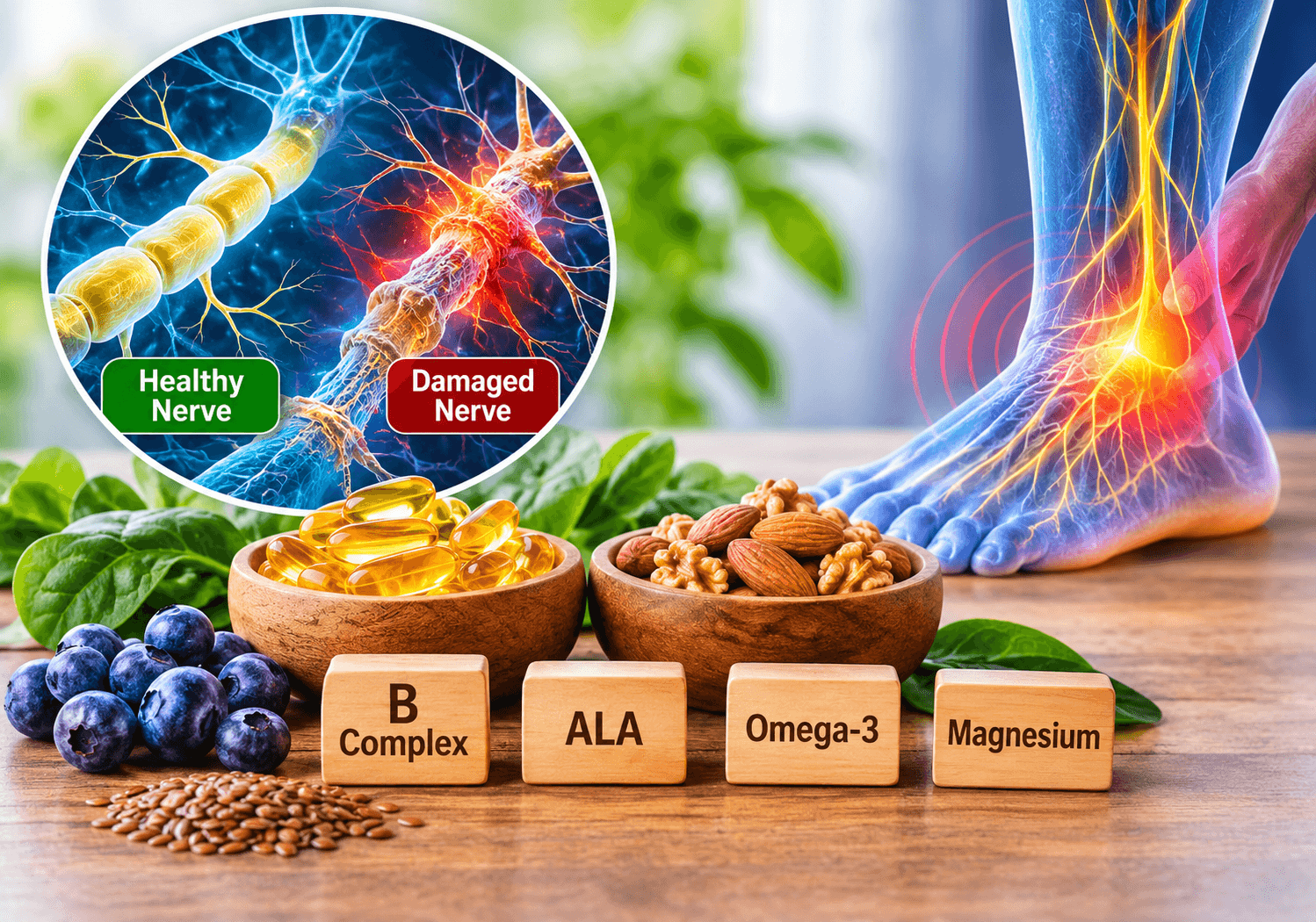
When you feel constant burning, sharp shooting sensations, or persistent pins and needles in your hands and feet, finding relief becomes your top priority. If you are searching for supplements for nerve pain and tingling, you are likely looking for ways to support your nervous system beyond what standard prescriptions offer. Peripheral nerve discomfort—whether stemming from metabolic shifts, nutritional gaps, or physical compression—disrupts sleep, movement, and daily quality of life. As a strength coach and wellness writer, I evaluate nutritional protocols through a lens of physiological mechanism, clinical research, and practical application.
In this exhaustive guide, we will break down the science of neuropathic discomfort, examine which targeted micronutrients and antioxidants show clinical promise, establish precise dosing strategies, and outline how to integrate these compounds safely into your daily routine.
Quick Answer: What Are the Best Supplements for Nerve Pain and Tingling?
The most scientifically supported supplements for nerve pain and tingling include Alpha-Lipoic Acid (ALA) for oxidative stress reduction, B-complex vitamins (specifically B1, B6, and B12) for nerve conduction and myelin maintenance, Acetyl-L-Carnitine (ALC) for cellular energy production, and Omega-3 fatty acids to lower systemic inflammation. Always consult a physician before starting any new supplement regimen.
Understanding Peripheral Neuropathy, Paresthesia, and Nerve Distress
Before examining specific dietary supplements, we must examine how peripheral nerves function and why they trigger discomfort. Your peripheral nervous system acts as an extensive electrical grid, transmitting signals between your central nervous system (brain and spinal cord) and the rest of your body—including your skin, muscles, and internal organs.
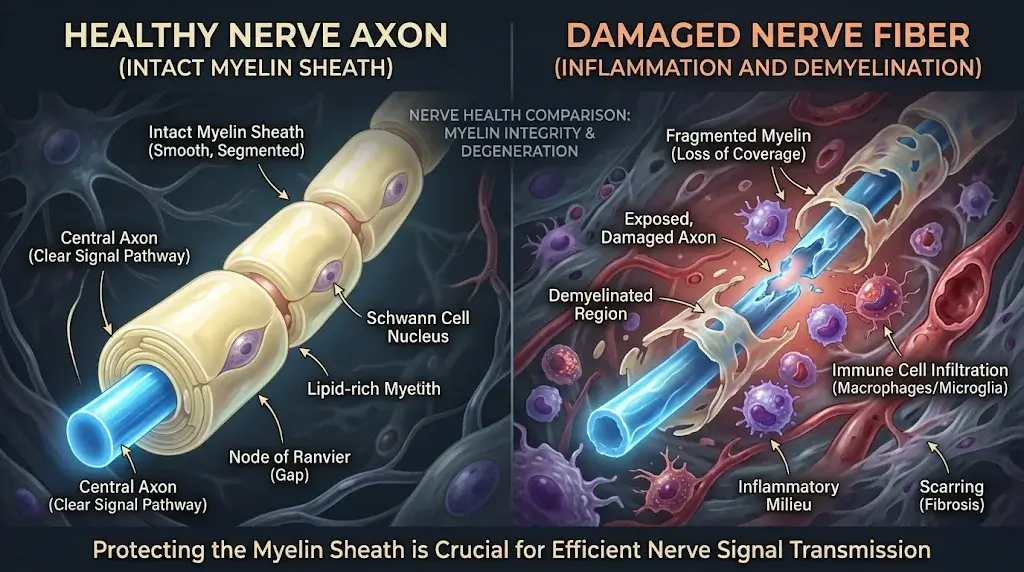
When these delicate nerve fibers (axons) experience structural damage, inadequate blood flow, or metabolic stress, they misfire. This misfiring presents as paresthesia (the medical term for tingling, numbness, or prickling) or full neuropathic pain, characterized by burning, shooting, or electric-shock sensations.
Common Underlying Triggers of Nerve Distress
Peripheral nerve dysfunction rarely happens in a vacuum. Understanding your underlying trigger dictates how effectively targeted nutrition will work:
- Metabolic Stress and Glucose Imbalances: Chronically elevated blood sugar levels generate advanced glycation end-products (AGEs) and reactive oxygen species, which directly degrade nerve microvasculature.
- Nutritional Deficiencies: Inadequate intake or malabsorption of essential water-soluble and fat-soluble vitamins starves nerve cells of the cofactors required for energy production and myelin synthesis.
- Physical Compression and Entrapment: Chronic mechanical stress—such as carpal tunnel syndrome or sciatica—pinches nerve pathways, impeding axonal transport.
- Systemic Inflammation: Chronic immune activation releases inflammatory cytokines that sensitize nociceptors (pain receptors) along neural pathways.
Top Evidence-Based Supplements for Nerve Pain and Tingling
Clinical research highlights several specific compounds that protect nerve tissue, reduce oxidative damage, and support nerve regeneration. Let us examine the front-running supplements backed by peer-reviewed literature.
1. Alpha-Lipoic Acid (ALA)
Alpha-Lipoic Acid is a potent antioxidant that operates in both water- and fat-soluble tissues, making it uniquely suited to protect neural membranes throughout the body.
- Mechanism of Action: ALA neutralizes free radicals, improves microcirculation to the peripheral nerves, and enhances insulin sensitivity, which reduces the metabolic burden on nerve cells.
- Clinical Evidence: Randomized controlled trials cited by the National Institutes of Health (NIH) indicate that intravenous and oral administration of ALA (typically 600 mg daily) significantly reduces stabbing pain, burning, and numbness associated with peripheral neuropathy.
- Practical Dosing: Clinical protocols generally utilize 600 mg taken once daily on an empty stomach to maximize absorption.
2. Vitamin B Complex (B1, B6, B12)
The B-vitamin family serves as the cornerstone of neurological health. Deficiencies in specific B vitamins directly provoke nerve degeneration and tingling extremities.
- Vitamin B1 (Thiamine / Benfotiamine): Benfotiamine is a fat-soluble derivative of vitamin B1 that crosses cell membranes more efficiently than standard thiamine. It blocks biochemical pathways that damage small nerve fibers. Read more about essential micronutrients in our detailed guide on which vitamins support metabolism when you’re deficient.
- Vitamin B6 (Pyridoxine): B6 is vital for neurotransmitter synthesis. However, a crucial caveat exists: excessive B6 intake (exceeding 100-200 mg daily over long periods) can paradoxically cause sensory neuropathy. Stick to physiological doses.
- Vitamin B12 (Cobalamin): Essential for maintaining the myelin sheath—the insulating fatty layer surrounding nerve fibers. B12 deficiency is a leading cause of tingling hands and feet, particularly in older adults and those following strict plant-based diets. For deeper insights into cellular energy and deficiency markers, consult our analysis on what vitamins support metabolism when you have a deficiency.
3. Acetyl-L-Carnitine (ALC)
Acetyl-L-Carnitine is an amino acid derivative that crosses the blood-brain barrier and supports mitochondrial energy production within nerve cells.
- Mechanism of Action: ALC donates acetyl groups for the synthesis of acetylcholine (a key neurotransmitter) and enhances adenosine triphosphate (ATP) production in damaged neurons, accelerating nerve regeneration.
- Clinical Evidence: Research published in peer-reviewed journals shows that daily supplementation with 1,500 mg to 3,000 mg of ALC reduces neuropathic pain scores and improves nerve conduction velocity.
4. Omega-3 Fatty Acids (EPA and DHA)
Systemic inflammation exacerbates nerve pain. Eicosapentaenoic acid (EPA) and docosahexaenoic acid (DHA) from high-grade fish oil provide potent anti-inflammatory signaling molecules.
- Mechanism of Action: Omega-3s incorporate into cell membranes, reducing the production of pro-inflammatory eicosanoids and supporting nerve membrane fluidity. Explore broader anti-inflammatory and tissue hydration mechanisms in our review on omega-3 fatty acids for skin hydration and inflammation.
- Practical Dosing: Aim for 1,000 mg to 2,000 mg of combined EPA/DHA daily, taken with a fat-containing meal to optimize absorption.
5. Magnesium
Magnesium is an essential mineral involved in over 300 enzymatic reactions, including neuromuscular transmission and muscle relaxation.
- Mechanism of Action: Magnesium acts as a natural NMDA receptor antagonist, preventing excessive calcium influx into nerve cells that can trigger hyperexcitability, spasms, and tingling.
- Forms to Consider: Magnesium glycinate or malate offers high bioavailability and minimal gastrointestinal distress compared to magnesium oxide.
Comparison Table: Key Nerve Health Supplements
| Supplement | Primary Mechanism | Standard Daily Dosage | Best For | Potential Side Effects |
| Alpha-Lipoic Acid (ALA) | Antioxidant & microvascular support | 300 mg – 600 mg | Burning pain & oxidative stress | Mild nausea, stomach upset |
| Benfotiamine (Vitamin B1) | Blocks neuro-destructive metabolic pathways | 150 mg – 300 mg | Small-fiber nerve support | Rare allergic reaction |
| Methylcobalamin (Vitamin B12) | Myelin sheath synthesis & repair | 500 mcg – 2,000 mcg | Tingling feet & deficiency-based neuropathy | Generally well-tolerated |
| Acetyl-L-Carnitine | Mitochondrial energy & nerve regeneration | 1,000 mg – 3,000 mg | Chronic nerve discomfort & numbness | Mild agitation, insomnia if taken late |
| Omega-3 Fish Oil | Lowers systemic inflammation | 1,000 mg – 2,000 mg EPA/DHA | Inflammatory nerve irritation | Fishy aftercatch, mild reflux |
| Magnesium Glycinate | Neuromuscular regulation & relaxation | 200 mg – 400 mg | Nerve spasms, cramps, and restless legs | Loose stools at high doses |
Coach’s Perspective: Building a Practical Supplement Protocol
When clients come to me struggling with numbness and tingling during workouts or daily activities, my first rule is systematic simplicity. Do not buy ten different bottles at once. Start with a foundational protocol, assess your tolerance over four weeks, and track your symptoms objectively.
Sample 4-Week Integration Protocol
- Weeks 1–2: Introduce a high-potency B-complex supplement containing methylcobalamin and benfotiamine, paired with a clean omega-3 fish oil taken with breakfast.
- Weeks 3–4: Introduce Alpha-Lipoic Acid (300 mg twice daily or 600 mg once daily) and monitor how your extremities respond during evening rest periods.
Coach’s Tip: Take Alpha-Lipoic Acid 30 minutes before a meal or 2 hours after a meal. Food significantly decreases its absorption into the bloodstream, blunting its therapeutic effectiveness against nerve pain.
Common Mistakes When Managing Nerve Pain with Supplements
Navigating the supplement market without a strategy leads to wasted money and frustrated expectations. Here are the most common pitfalls to avoid:
- Mistake 1: Expecting Overnight Miracles. Nerve tissue heals notoriously slowly—often at a rate of 1 millimeter per day. Allow at least 6 to 12 weeks of consistent daily supplementation before evaluating whether a protocol works.
- Mistake 2: Buying Low-Quality, Proprietary Blends. Many commercial “nerve support” formulas use underdosed ingredients hidden behind proprietary blends. Always buy products that disclose exact milligram dosages per serving.
- Mistake 3: Ignoring Blood Sugar and Movement. Supplements cannot override poor metabolic health or complete physical inactivity. Walking, light resistance training, and glucose management remain non-negotiable pillars of nerve recovery.
Common Mistake: Taking mega-doses of standard Vitamin B6 (pyridoxine hydrochloride) in unverified multi-vitamin blends. High doses over 200 mg daily can cause toxic nerve damage, worsening the very tingling you are trying to eliminate.

Safety, Quality Control, and Third-Party Testing
The dietary supplement industry operates under strict regulatory frameworks, but finished products are not vetted by government agencies before hitting shelves. To protect your health, adhere to these sourcing guidelines:
- Look for Independent Certifications: Purchase products bearing seals from USP (United States Pharmacopeia), NSF International, or ConsumerLab. These stamps verify that what is on the label matches what is inside the bottle.
- Verify Excipients and Allergens: Check ingredient lists for unnecessary artificial dyes, allergens, or excessive fillers.
- Consult Your Healthcare Provider: If you take prescription blood thinners, diabetes medications, or chemotherapy drugs, certain supplements (like high-dose ALA or fish oil) can interact adversely. Always run your supplement list past your neurologist or primary care physician.
Lifestyle and Dietary Synergies for Nerve Health
Supplements amplify your efforts, but they work best when supported by foundational lifestyle habits. Consider these evidence-backed practices:
- Anti-Inflammatory Nutrition: Emphasize leafy greens, fatty fish, nuts, seeds, and antioxidant-rich berries. Minimize processed sugars and refined carbohydrates that spike systemic inflammation.
- Consistent Aerobic and Resistance Exercise: Low-impact walking, swimming, and light strength training improve capillary density, delivering oxygen and vital nutrients directly to peripheral nerve endings.
- Ergonomic Adjustments: If your tingling stems from nerve entrapment (such as carpal tunnel or sciatica), invest in ergonomic workstation setups, supportive footwear, and targeted mobility stretches.
Frequently Asked Questions (FAQ)
What are the best supplements for nerve pain and tingling?
The most effective supplements backed by clinical research include Alpha-Lipoic Acid (ALA) for oxidative stress, B-complex vitamins (benfotiamine and methylcobalamin) for myelin repair, Acetyl-L-Carnitine for cellular energy, and Omega-3 fatty acids for reducing inflammation along nerve pathways.
Can vitamin B12 deficiency cause tingling in hands and feet?
Yes. Vitamin B12 deficiency is a primary cause of peripheral neuropathy and paresthesia. B12 is essential for producing the myelin sheath that insulates nerve fibers. Without adequate B12, nerve signals misfire, resulting in persistent numbness, burning, and tingling sensations.
How long does Alpha-Lipoic Acid take to work for nerve pain?
Clinical trials on Alpha-Lipoic Acid for neuropathic discomfort typically show measurable reductions in symptoms within 3 to 5 weeks of consistent daily supplementation (600 mg). Maximum therapeutic benefits usually manifest around 8 to 12 weeks of sustained use.
Are there natural ways to reduce nerve tingling without supplements?
Yes. Improving blood sugar control, engaging in regular low-impact exercise to boost circulation, quitting smoking, reducing alcohol intake, and performing physical therapy or nerve-gliding stretches significantly reduce nerve compression and irritation.
Can excessive vitamins make nerve tingling worse?
Yes. Paradoxically, toxic megadoses of certain vitamins—most notably Vitamin B6 (pyridoxine)—can cause sensory neuropathy and exacerbate nerve pain and tingling. Always adhere to recommended clinical dosages and consult a physician before high-dose supplementation.
Conclusion
Managing peripheral nerve discomfort requires a multi-faceted approach centered on reducing oxidative stress, repairing cellular energy pathways, and correcting nutritional deficiencies. By selecting targeted supplements for nerve pain and tingling—such as Alpha-Lipoic Acid, bioavailable B vitamins, and Omega-3s—and pairing them with proper metabolic health and movement, you give your nervous system the raw materials it needs to heal and thrive.