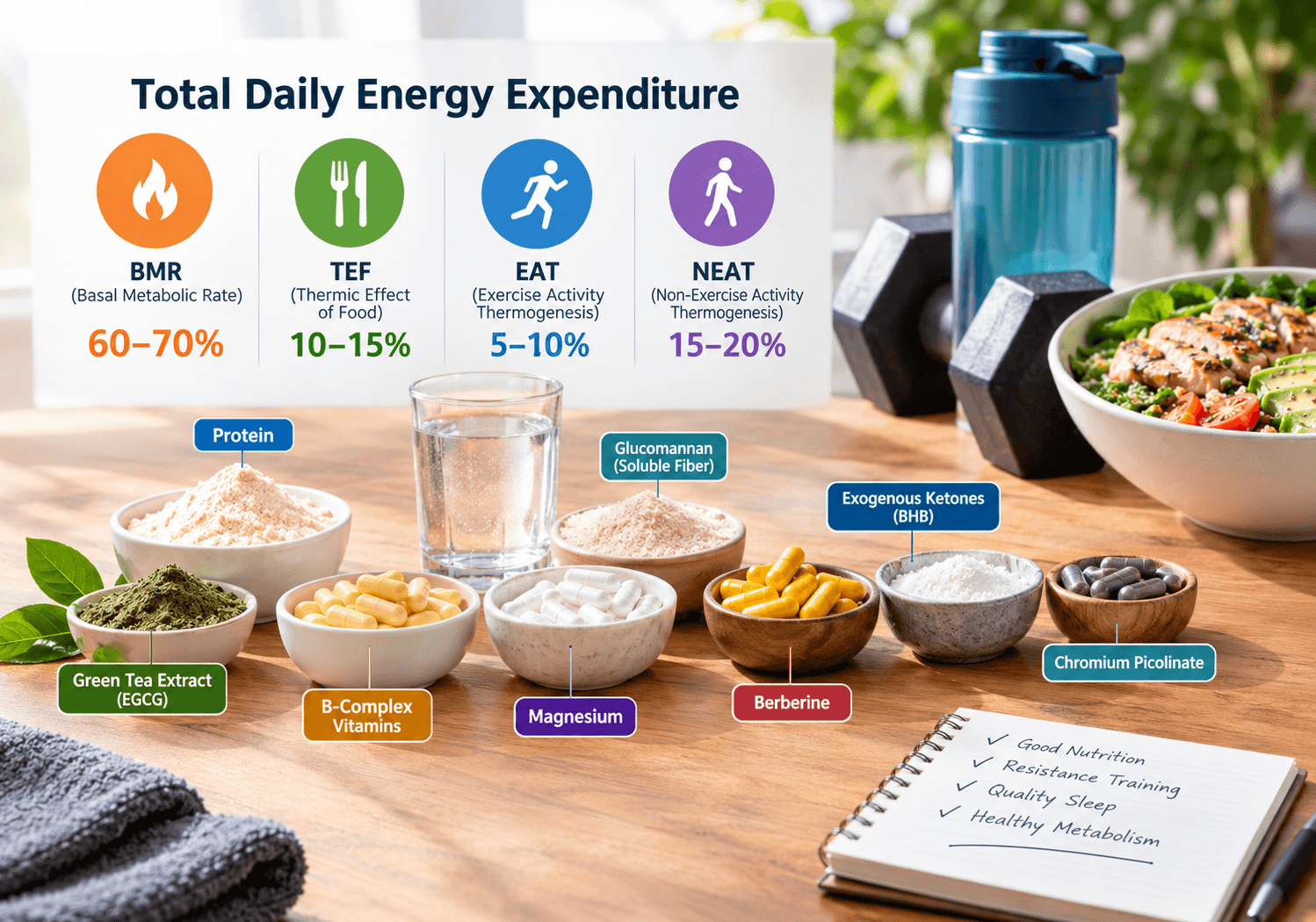
What supplements support healthy metabolism is a question I hear almost daily from clients who want to optimize their energy levels and body composition. The supplement aisle is overwhelming, filled with bold claims and flashy labels. As a strength and conditioning coach, I always tell my clients to look past the marketing and focus on the science. True metabolic health is built on a foundation of quality sleep, consistent resistance training, and a nutrient-dense diet. However, specific, evidence-based nutrients can provide a legitimate, measurable edge.
If you are wondering what supplements support healthy metabolism, the answer lies in ingredients that enhance cellular energy production, preserve lean muscle mass, and help regulate blood sugar and appetite. This guide breaks down the top scientifically backed options, how to use them safely, and how to pair them with a practical fitness routine for lasting results.
Quick Answer
The best supplements to support a healthy metabolism include B-complex vitamins, magnesium, high-quality protein, green tea extract, and soluble fiber like glucomannan. These nutrients aid cellular energy production, preserve lean muscle, and help regulate appetite. However, they work best alongside a calorie-controlled diet and regular resistance training.
The Science of Metabolic Health
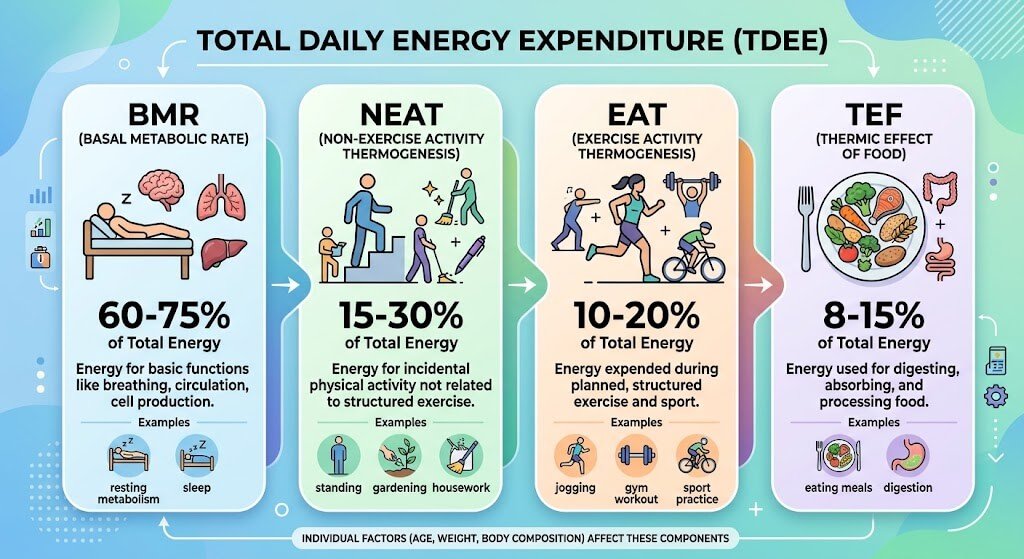
Before spending money on pills or powders, it helps to understand how your body burns energy. Your total daily energy expenditure (TDEE) consists of four parts. The largest is your Basal Metabolic Rate (BMR), which is the calories your body burns at rest just to keep your heart beating and lungs breathing. This accounts for 60-70% of your daily burn.
Next is the Thermic Effect of Food (TEF), the energy required to digest and process what you eat. Protein has the highest TEF, meaning your body burns more calories digesting it compared to fats or carbohydrates. The remaining energy burn comes from Exercise Activity Thermogenesis (EAT) and Non-Exercise Activity Thermogenesis (NEAT), which includes walking, fidgeting, and daily chores.
Understanding what affects metabolism and body weight is critical because no supplement can override a poor lifestyle. However, certain micronutrients act as essential co-factors in mitochondrial function, the process by which your cells produce ATP (cellular energy). Learning which nutrients support normal energy metabolism shows that deficiencies in key vitamins and minerals can literally slow down your cellular engines.
What Supplements Support Healthy Metabolism? The Top 8 Evidence-Based Choices
Not all metabolism supplements are created equal. Many rely on dangerous, under-researched stimulants. Below are eight evidence-based options that genuinely support metabolic function, along with practical coaching advice on how to use them.
1. B-Complex Vitamins
The B-vitamin family (B1, B2, B3, B5, B6, B7, B9, and B12) plays a direct role in converting the food you eat into usable cellular energy. For example, Vitamin B1 (thiamine) helps convert carbohydrates into ATP, while B12 is crucial for red blood cell formation and neurological function.
- The Evidence: The Cleveland Clinic notes that while B-vitamins do not directly “boost” metabolism in people who already have adequate levels, a deficiency will absolutely impair metabolic efficiency and cause fatigue.
- Coach’s Guidance: Look for a methylated B-complex supplement, which is easier for the body to absorb. Take it in the morning with breakfast to support daytime energy levels.
2. Magnesium
Magnesium is a cofactor in more than 300 enzyme systems that regulate diverse biochemical reactions in the body, including protein synthesis, muscle and nerve function, and blood glucose control.
- The Evidence: Research published by the National Institutes of Health (NIH) highlights that adequate magnesium intake is linked to improved insulin sensitivity and better metabolic flexibility.
- Coach’s Guidance: Aim for 200–400 mg daily. Magnesium glycinate is highly recommended for evening use because it supports muscle relaxation and sleep quality without causing digestive distress.
3. High-Quality Protein Powder
Protein is not just for building muscle; it is a powerful metabolic tool. Because of its high Thermic Effect of Food (TEF), your body expends 20-30% of the calories in protein just to digest it. Furthermore, adequate protein prevents the loss of lean muscle mass during a calorie deficit, protecting your BMR.
- The Evidence: Studies consistently show that higher protein diets increase satiety and energy expenditure. You can read more about how protein intake, metabolism, and weight loss are deeply interconnected.
- Coach’s Guidance: Aim for 20–30 grams of high-quality whey or plant-based protein per serving. Consume one serving within two hours after your resistance training sessions to maximize muscle protein synthesis.
4. Green Tea Extract (EGCG)
Green tea contains catechins, specifically epigallocatechin gallate (EGCG), which work synergistically with caffeine to mildly increase fat oxidation and resting energy expenditure.
- The Evidence: A meta-analysis in the American Journal of Clinical Nutrition found that green tea extract can significantly increase 24-hour energy expenditure and fat oxidation, particularly during moderate-intensity exercise. For a deeper dive, explore does green tea extract boost metabolism or suppress appetite.
- Coach’s Guidance: Look for an extract standardized to at least 50% EGCG. A typical effective dose is 250–500 mg taken 30–60 minutes before a workout. If you are sensitive to caffeine, take it before noon to avoid sleep disruption.
5. Glucomannan (Soluble Fiber)
Glucomannan is a natural, water-soluble dietary fiber extracted from the roots of the elephant yam. It absorbs water and expands in your stomach, creating a strong feeling of fullness and delaying gastric emptying.
- The Evidence: Clinical trials show that glucomannan, when combined with a calorie-reduced diet, promotes weight loss more effectively than diet alone. Learn more about does soluble fiber help you feel full longer.
- Coach’s Guidance: Take 1 gram of glucomannan with at least 8 ounces (240 ml) of water 30 minutes before your largest meal. Never take it dry, as it is a choking hazard.

6. Berberine
Berberine is a bioactive compound extracted from several plants, including goldenseal and barberry. It is widely studied for its ability to activate AMPK, an enzyme often called the body’s “metabolic master switch.”
- The Evidence: Research indicates berberine can improve insulin sensitivity and lower blood sugar levels, making it easier for the body to manage carbohydrates without storing them as fat. See does berberine affect appetite and weight management for detailed clinical findings.
- Coach’s Guidance: A common protocol is 500 mg taken two to three times daily with meals. Because it can cause mild digestive upset, start with one dose per day and gradually increase.
7. Exogenous Ketones (BHB)
Beta-hydroxybutyrate (BHB) salts are designed to elevate blood ketone levels, mimicking a state of nutritional ketosis. While they do not directly burn body fat on a high-carbohydrate diet, they are highly effective at suppressing appetite and providing steady mental energy.
- The Evidence: Studies suggest exogenous ketones can reduce hunger hormones and ease the transition into a low-carb lifestyle. Review BHB powder benefits and side effects before adding them to your stack.
- Coach’s Guidance: Mix 5–10 grams of BHB powder in 12 ounces (355 ml) of water during a fasting window or when afternoon cravings hit.
8. Chromium Picolinate
Chromium is an essential trace mineral that enhances the action of insulin, a hormone critical to the metabolism and storage of carbohydrate, fat, and protein in the body.
- The Evidence: Supplementation has been shown to modestly improve glycemic control and reduce cravings for sweets in some individuals. Check out does chromium picolinate help reduce sugar cravings for the latest research.
- Coach’s Guidance: A standard dose is 200–1,000 mcg per day. It is most beneficial for individuals who struggle with post-meal blood sugar crashes and subsequent sugar cravings.
How to Apply It: The Metabolic Support Routine
Supplements are only the cherry on top. The cake is built on movement. To maximize the benefits of these nutrients, you must engage in regular resistance training to build and maintain metabolically active skeletal muscle. Here is a practical, 3-day-per-week full-body routine designed to support metabolic health.
The Workout Structure
- Frequency: 3 days per week (e.g., Monday, Wednesday, Friday).
- Warm-up: 5 minutes of brisk walking (approx. 0.5 miles or 0.8 km) followed by 10 bodyweight squats and 10 arm circles.
- Rest: 60–90 seconds between sets.
| Exercise | Sets | Reps | Rest | Tempo |
| Goblet Squat | 3 | 10–12 | 60s | 3-1-1 |
| Dumbbell Romanian Deadlift | 3 | 10–12 | 60s | 3-1-1 |
| Incline Push-Up | 3 | 8–10 | 60s | 2-1-2 |
| Farmer’s Carry | 3 | 40 yards | 90s | Steady |
How to Do Each Exercise
- Goblet Squat: Hold a 25 lb (11.3 kg) dumbbell vertically against your chest. Keep your chest up and core braced. Lower your hips down and back as if sitting in a chair. Pause for 1 second at the bottom, then drive through your heels to stand.
- Dumbbell Romanian Deadlift: Hold a 30 lb (13.6 kg) dumbbell in each hand. Keep a slight bend in your knees. Hinge at your hips, pushing your glutes backward while keeping the dumbbells close to your shins. Feel a deep stretch in your hamstrings, then squeeze your glutes to return to standing.
- Incline Push-Up: Place your hands on a sturdy bench or box approximately 24 inches (61 cm) high. Keep your body in a straight line from head to heels. Lower your chest to the edge of the bench, then push back up.
- Farmer’s Carry: Hold a 35 lb (15.8 kg) dumbbell or kettlebell in each hand. Stand tall, pull your shoulder blades down and back, and walk forward for 40 yards (36.5 meters, or roughly 0.025 miles) with controlled, steady steps.
Coach’s Tip
Pair your nutrition with your training. Take your protein supplement within 2 hours after completing this workout. This timing maximizes muscle protein synthesis, ensuring your body repairs tissue and maintains a high resting metabolic rate.
Common Mistake
The “More is Better” Trap. Do not double the recommended dose of your supplements or add excessive cardio to “speed up” results. Overtraining and excessive stimulant intake spike cortisol levels. Chronically high cortisol promotes abdominal fat storage and disrupts sleep, actively working against your metabolic goals.
Regression and Progression
- Regression (Easier): If the Goblet Squat is too heavy, perform a Bodyweight Box Squat, sitting down onto a chair and standing back up. For the push-up, elevate your hands higher on a countertop (36 inches or 91 cm).
- Progression (Harder): Increase the Goblet Squat weight to 40 lb (18.1 kg) or transition to a Barbell Back Squat. For the push-up, move to the floor for a Standard Push-Up, or add a 10 lb (4.5 kg) weight plate to your upper back.

Safety Notes and Who Should Be Careful
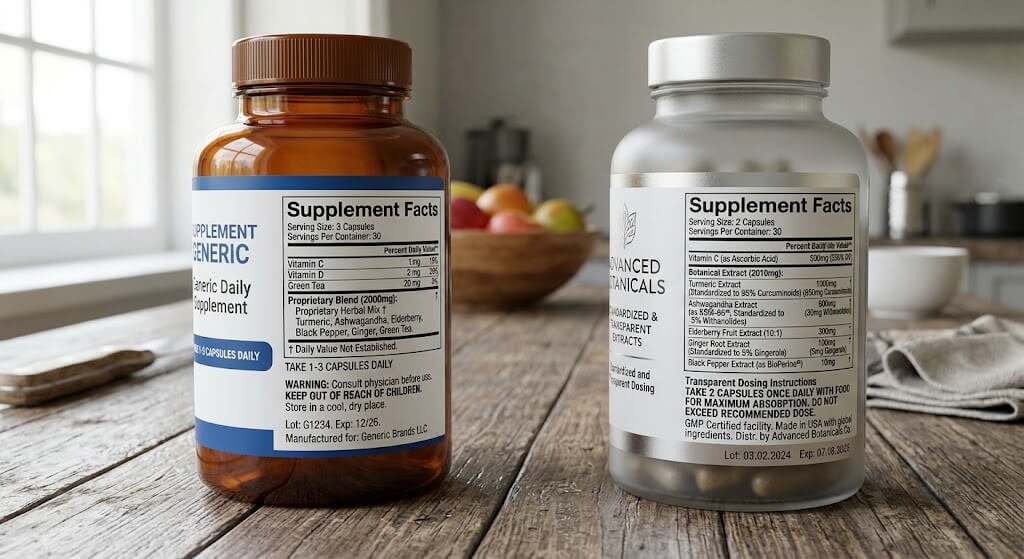
While the supplements listed above are generally safe for healthy adults, they are not risk-free. Always prioritize third-party tested products (look for NSF Certified for Sport, Informed-Choice, or USP seals) to ensure purity and accurate labeling.
You should consult a physician or registered dietitian before starting any new supplement regimen if you:
- Have a history of cardiovascular disease, high blood pressure, or kidney issues (especially relevant for magnesium and protein intake).
- Are pregnant, breastfeeding, or trying to conceive.
- Take prescription medications. For example, berberine can interact with diabetes medications and cause blood sugar to drop too low. Green tea extract can interact with certain blood thinners.
- Have a history of eating disorders, as appetite suppressants can trigger unhealthy relationships with food.
Remember, learning which supplements support metabolism without stimulants is a great starting point if you are sensitive to caffeine or have anxiety.
Frequently Asked Questions (FAQ)
What supplements support healthy metabolism naturally?
The most effective natural options include B-complex vitamins, magnesium, high-quality protein, green tea extract, and soluble fiber like glucomannan. These support cellular energy production, muscle preservation, and appetite regulation without relying on harsh, synthetic stimulants.
Which vitamins are best for boosting metabolism?
B-vitamins (especially B1, B2, B3, B6, and B12) are the most critical. They act as essential coenzymes that help your body convert carbohydrates, fats, and proteins into usable ATP energy. However, they only “boost” metabolism if you were previously deficient.
Do metabolism supplements actually work for weight loss?
They can provide a minor, supportive edge, but they are not magic pills. Research suggests ingredients like EGCG or caffeine may increase daily energy expenditure by 50–150 calories. This only translates to weight loss if you are already in a consistent calorie deficit.
Can magnesium improve metabolic rate?
Magnesium does not directly increase your metabolic rate like a stimulant would. Instead, it supports over 300 enzymatic reactions, including those that regulate blood sugar and insulin sensitivity. Correcting a magnesium deficiency can improve overall metabolic efficiency and energy levels.
What is the role of protein in metabolic health?
Protein has the highest Thermic Effect of Food (TEF), meaning your body burns 20-30% of its calories just digesting it. Additionally, adequate protein intake preserves lean muscle mass during weight loss, which is the primary driver of a high resting metabolic rate.
Are there safe metabolism supplements for seniors?
Yes, but caution is required. Seniors often benefit most from protein powder to prevent sarcopenia (muscle loss), magnesium for bone and nerve health, and B12 for energy. However, seniors should always consult a doctor first due to the higher likelihood of interactions with prescription medications.
Conclusion: What Supplements Support Healthy Metabolism Long-Term?
When asking what supplements support healthy metabolism, the answer is not a single miracle pill, but a strategic combination of foundational nutrients. B-complex vitamins and magnesium ensure your cellular engines run smoothly. Protein powder protects your metabolically active muscle mass. Green tea extract, glucomannan, berberine, and chromium offer targeted support for energy expenditure, blood sugar regulation, and appetite control.
However, these tools are entirely ineffective without the foundational habits of a moderate calorie deficit, consistent resistance training, and quality sleep. Before spending money on the latest trend, evaluate your daily routine. Optimize your training, prioritize whole foods, and manage your stress. If you choose to use a supplement, pick a third-party tested product, start with a low dose, and monitor how your body responds. Sustainable metabolic health is a marathon, not a sprint.