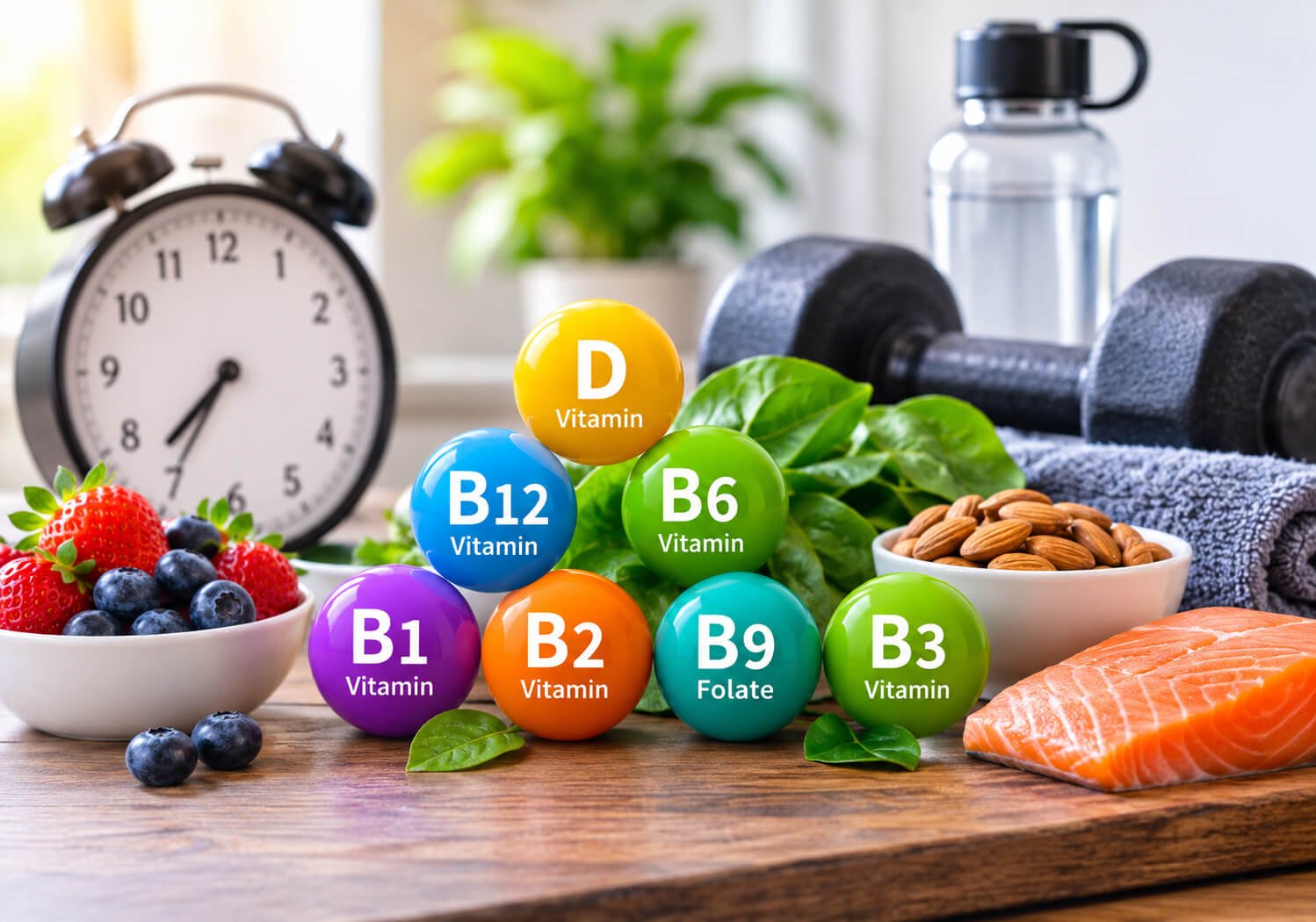
You walk into the gym at 6 a.m., and by the second set of squats your legs feel like concrete. You sit through a meeting and your brain goes foggy. You hit the couch at 7 p.m. and just… stop. If that sounds familiar, you might be wondering which vitamins help with energy and fatigue and whether a simple supplement could fix the problem.
As a strength and conditioning coach, I see this constantly. People show up to sessions running on four hours of sleep, skipping meals, and pushing through fatigue without understanding what their body actually needs at the cellular level. Before you reach for the fifth coffee or the latest “energy” gummy, it helps to understand how your body makes energy in the first place—and which specific nutrients keep that process running smoothly.
This guide breaks down the vitamins and minerals that research links to energy production and fatigue reduction, explains how they work, and gives you a practical plan to figure out whether a deficiency is dragging you down.
Quick Answer: The vitamins and minerals most strongly linked to energy and fatigue are B-complex vitamins (especially B12, B9/folate, and B2/riboflavin), vitamin D, iron, and magnesium. These nutrients support mitochondrial ATP production, red blood cell oxygen transport, and nerve signaling. However, they only make a meaningful difference if you are actually deficient. Getting a simple blood panel from your doctor is the smartest first step before adding any supplement.
What the Research Actually Says About Vitamins and Energy
How Vitamins Fuel Cellular Energy (ATP)
Every muscle contraction, every thought, every heartbeat runs on a molecule called ATP (adenosine triphosphate). Your mitochondria—the tiny power plants inside your cells—produce ATP through a series of chemical reactions. Vitamins don’t “give you energy” the way a sugar candy does. Instead, they act as cofactors and coenzymes that allow those reactions to happen. Without them, the chain stalls, and your cells literally cannot make fuel.
The B-complex vitamins are the most direct players here. Thiamine (B1), riboflavin (B2), niacin (B3), pantothenic acid (B5), pyridoxine (B6), and B12 all serve as essential coenzymes in the Krebs cycle and the electron transport chain, the two main stages where your mitochondria generate ATP, according to the NIH Office of Dietary Supplements.
Vitamin D works differently. It doesn’t sit in the ATP pathway. Instead, vitamin D receptors are found in skeletal muscle tissue, and adequate levels are linked to proper muscle function and reduced inflammation. Research published in peer-reviewed journals has found that people with low vitamin D levels report higher rates of fatigue and muscle weakness compared to those with sufficient levels, as summarized by the NIH Office of Dietary Supplements vitamin D fact sheet.
The Role of B-Complex Vitamins
When I talk to clients about energy, B vitamins come up first, and for good reason. Here’s what each one does in plain language:
- B1 (Thiamine): Helps convert carbohydrates into usable energy. A deficiency can cause the classic “thiamine deficiency fatigue” seen in some populations.
- B2 (Riboflavin): Part of FAD, a coenzyme in the electron transport chain. Low riboflavin is linked to reduced ATP output.
- B3 (Niacin): Forms NAD+ and NADP+, the carriers that shuttle electrons through the mitochondria.
- B5 (Pantothenic Acid): A component of coenzyme A, which is required for fatty acid metabolism.
- B6 (Pyridoxine): Involved in amino acid metabolism and neurotransmitter synthesis (serotonin, dopamine), both of which affect how “wired” or “tired” you feel.
- B9 (Folate): Critical for DNA synthesis and red blood cell production. A folate deficiency leads to megaloblastic anemia, which causes significant fatigue.
- B12 (Cobalamin): Works alongside folate in red blood cell formation and myelin sheath maintenance. B12 deficiency is one of the most common nutritional causes of unexplained fatigue, as noted by the NIH Office of Dietary Supplements.
A 2020 review in Nutrients found that B12 deficiency affects an estimated 6–11% of the general adult population, and the hallmark symptom is persistent tiredness that doesn’t improve with rest.
Coach’s Tip: If you’re a vegetarian, vegan, or over 50, pay extra attention to B12. The body stores B12 for 3–5 years, so a deficiency can develop silently. A simple serum B12 test (ideally with methylmalonic acid) at your next bloodwork will tell you where you stand. I always recommend clients get this checked before loading up on a B-complex supplement.

Vitamin D and the Fatigue Connection
Vitamin D is technically a pro-hormone, not a classic vitamin, but it earns its spot on any “energy and fatigue” list. Your skin produces it when UVB rays hit your body, and it’s also found in fatty fish, egg yolks, and fortified foods.
The connection to fatigue works through several pathways. Vitamin D receptors are present in skeletal muscle, immune cells, and the brain. Low levels have been associated with:
- Reduced muscle strength and increased muscle pain
- Higher inflammatory markers (CRP, IL-6)
- Disrupted sleep architecture, which compounds daytime tiredness
The WHO guidelines on nutrition recommend ensuring adequate vitamin D intake, especially in populations with limited sun exposure. In the U.S., the CDC notes that a significant portion of adults have serum 25-hydroxyvitamin D levels below 30 ng/mL, the threshold most labs use to flag insufficiency.
Iron, Magnesium, and Other Key Minerals
Iron isn’t a vitamin, but it belongs in any conversation about energy and fatigue because it’s the core component of hemoglobin, the protein that carries oxygen from your lungs to every cell. Without enough iron, your muscles get less oxygen, and you feel winded, foggy, and drained. The NIH Office of Dietary Supplements iron fact sheet notes that iron deficiency is the most common nutritional deficiency worldwide and is strongly linked to fatigue, even before frank anemia develops.
Magnesium plays a role in over 300 enzymatic reactions, including ATP synthesis and muscle relaxation. Low magnesium can contribute to muscle cramps, poor sleep, and a general “wired but tired” feeling. The NIH ODS magnesium fact sheet highlights that many adults don’t meet the recommended daily intake of 310–420 mg depending on age and sex.
Zinc supports immune function and wound healing, and a deficiency can worsen fatigue by increasing oxidative stress. Selenium is a cofactor for antioxidant enzymes that protect mitochondria from damage.

The Complete List: Vitamins and Minerals That May Help with Energy and Fatigue
The table below summarizes the key nutrients, their roles, recommended daily amounts for adults, and common dietary sources. Use it as a reference when talking to your doctor about bloodwork.
| Nutrient | Role in Energy / Fatigue | RDA (Adults) | Top Food Sources |
| B1 (Thiamine) | Carbohydrate → ATP conversion | 1.1–1.2 mg | Whole grains, pork, legumes |
| B2 (Riboflavin) | Electron transport chain coenzyme | 1.1–1.3 mg | Dairy, eggs, leafy greens |
| B3 (Niacin) | NAD+/NADP+ electron shuttle | 14–16 mg | Chicken, tuna, peanuts |
| B5 (Pantothenic Acid) | Coenzyme A for fat metabolism | 5 mg | Eggs, avocado, whole grains |
| B6 (Pyridoxine) | Amino acid & neurotransmitter metabolism | 1.3–1.7 mg | Chicken, fish, bananas |
| B9 (Folate) | Red blood cell production, DNA synthesis | 400 µg DFE | Leafy greens, legumes, fortified grains |
| B12 (Cobalamin) | RBC formation, nerve health | 2.4 µg | Meat, fish, eggs, dairy |
| Vitamin D | Muscle function, inflammation, sleep | 600–800 IU (15–20 µg) | Fatty fish, fortified milk, sunlight |
| Iron | Oxygen transport via hemoglobin | 8–18 mg | Red meat, lentils, spinach |
| Magnesium | 300+ enzyme reactions, muscle relaxation | 310–420 mg | Nuts, seeds, dark chocolate, greens |
| Zinc | Immune support, antioxidant defense | 8–11 mg | Oysters, beef, pumpkin seeds |
| Selenium | Antioxidant enzyme (glutathione peroxidase) | 55 µg | Brazil nuts, tuna, eggs |
RDAs are based on the 2020–2025 Dietary Guidelines for Americans and NIH ODS fact sheets. Individual needs may vary, especially during pregnancy, illness, or intense training.
How to Apply This: A Practical Approach to Fixing Low Energy
Knowing which vitamins help with energy and fatigue is step one. The real question is: what do you actually do on Monday morning? Here’s the plan I walk clients through.
Step 1: Get a Blood Panel (Before You Buy Anything)
Before spending money on supplements, ask your primary care doctor or a functional medicine practitioner for a basic panel that includes:
- Complete blood count (CBC) with differential – flags anemia
- Serum ferritin – more sensitive than hemoglobin for early iron deficiency
- Vitamin B12 and methylmalonic acid (MMA) – B12 status
- Folate (B9)
- 25-hydroxyvitamin D
- Magnesium (serum, ideally RBC magnesium)
- Thyroid panel (TSH, free T3, free T4) – because hypothyroidism mimics vitamin-deficiency fatigue
- Comprehensive metabolic panel – rules out liver, kidney, or blood sugar issues
This costs roughly 100–300 depending on your insurance, and it takes one blood draw. It’s the single most important step. Supplementing a nutrient you’re not deficient in won’t make you more energetic, and in some cases (iron, vitamin A, vitamin D at very high doses) it can cause harm.
Step 2: Fix Deficiencies Under Medical Guidance
If your numbers come back low, your doctor will recommend a specific supplement, dose, and re-test timeline. For example:
- B12 deficiency: Often treated with oral methylcobalamin (1,000–5,000 µg/day) or intramuscular injections, depending on severity.
- Iron deficiency: Oral ferrous sulfate (325 mg, providing ~65 mg elemental iron) with vitamin C for absorption, taken on an empty stomach. Recheck ferritin in 6–8 weeks.
- Vitamin D insufficiency: Typically 1,000–5,000 IU/day of vitamin D3, adjusted based on serum levels.
- Magnesium deficiency: Magnesium glycinate or citrate, 200–400 mg elemental magnesium at night to also support sleep.
Common Mistake: Taking a generic “energy multivitamin” at 100% RDA for every nutrient and assuming that’s enough. If you’re deficient in B12, 2.4 µg (the RDA) won’t correct it. You may need 1,000+ µg. Dosing has to match the deficiency level, not the label on a $12 bottle.
Step 3: Build a Daily Routine Around Energy
Supplements are the floor, not the ceiling. The foundation of sustained energy is still the boring stuff:
- Sleep: Aim for 7–9 hours. Poor sleep disrupts the very B-vitamin and magnesium pathways this article discusses. Research from the National Sleep Foundation links chronic sleep restriction to increased fatigue and impaired cognitive performance.
- Hydration: Even 2% dehydration can reduce physical and mental performance by 10–20%. Drink water consistently, not just during workouts.
- Protein at every meal: Aim for 0.6–0.9 g per pound of body weight (1.2–1.6 g/kg) spread across 3–4 meals. Protein supports the amino acid pathways that B6 and B12 depend on. You can read more about this in our guide on protein intake and metabolism.
- Consistent meal timing: Skipping meals, especially breakfast, can cause blood sugar dips that feel like “vitamin deficiency fatigue” but are really just a fuel gap.
Step 4: Support Energy with Movement
This sounds counterintuitive—”I’m tired, why would I exercise?”—but moderate, regular activity is one of the most evidence-backed ways to reduce fatigue. The CDC physical activity guidelines recommend at least 150 minutes of moderate aerobic activity per week (think brisk walking, cycling, swimming) plus two days of muscle-strengthening work.
Here’s a simple 20-minute “energy reset” routine you can do on low-energy days:
- Brisk walk or easy bike: 5 minutes, conversational pace.
- Bodyweight squats: 2 × 12 reps (rest 30 seconds).
- Push-ups (knees or full): 2 × 8–10 reps (rest 30 seconds).
- Glute bridges: 2 × 15 reps (rest 30 seconds).
- Plank: 2 × 20–30 seconds (rest 30 seconds).
- Cool-down stretch: 3–5 minutes, focus on hips and shoulders.
Easier version: Replace push-ups with wall push-ups, do squats holding a chair, and shorten the plank to 10–15 seconds.
Harder version: Add a 5-pound (2.3 kg) dumbbell to the squats, do jump squats, and hold the plank for 45–60 seconds.
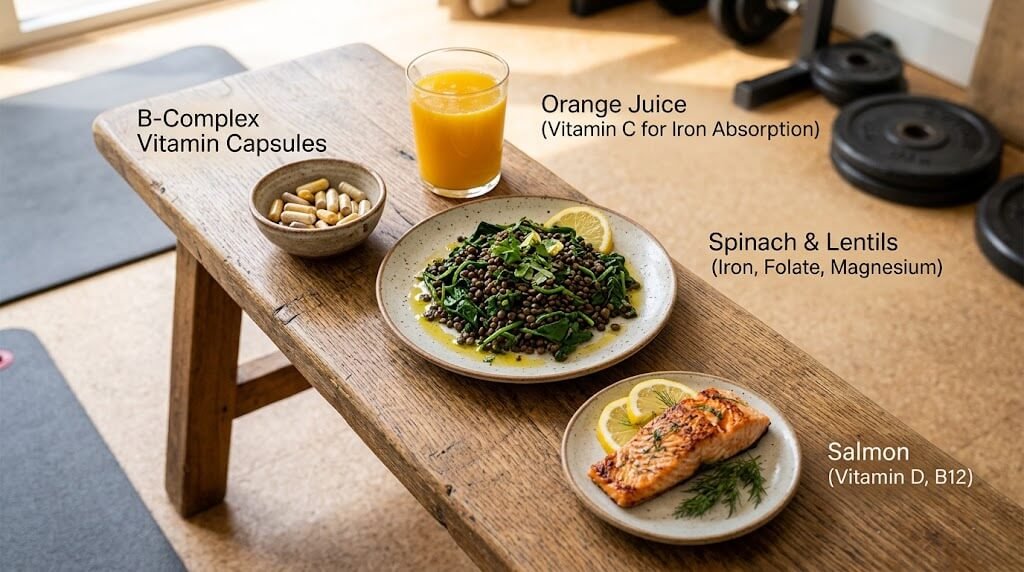
The goal isn’t to exhaust yourself. It’s to get blood flowing, mitochondria firing, and endorphins releasing. You’ll almost always feel less fatigued after a short, moderate session than before it.
Safety Notes and Who Should Be Cautious
A few important caveats before you start any supplement:
- Iron: Do NOT supplement iron unless a blood test confirms deficiency. Excess iron (hemochromatosis) can damage the liver, heart, and joints.
- Vitamin D: Very high doses (above 10,000 IU/day long-term without monitoring) can raise serum calcium to dangerous levels. Get your 25(OH)D checked before and after supplementation.
- B12 and folate: High-dose folate can mask a B12 deficiency, allowing nerve damage to progress silently. If you supplement folate, make sure B12 is also adequate.
- Pregnancy, breastfeeding, or medical conditions: Always check with your OB, doctor, or pharmacist before taking any supplement, especially iron, vitamin A, or high-dose B vitamins.
- Medications: Iron can interfere with levothyroxine (thyroid medication) absorption. Vitamin K interactions with blood thinners. B6 in very high doses (over 200 mg/day long-term) can cause peripheral neuropathy.
If you have a history of anemia, kidney disease, liver disease, or you’re on more than three medications, talk to your doctor before adding any new supplement to your routine.
Related Tips for Sustaining Energy All Day
Beyond the specific vitamins and minerals, a few practical habits compound with good nutrition to keep your energy steady from morning to evening:
- Don’t rely on caffeine alone. One to two cups of coffee (8 oz / 240 mL each) in the morning is fine. Reaching for a third or fourth cup by 2 p.m. often signals that your underlying energy systems need support. If caffeine is masking a pattern of crashes, it’s worth investigating sleep, blood sugar, and nutrient status.
- Get 10–15 minutes of outdoor light in the morning. This helps regulate your circadian rhythm, which affects cortisol and melatonin timing, and in turn influences how tired you feel in the afternoon.
- Manage stress. Chronic cortisol elevation depletes magnesium and B vitamins faster. Even 5 minutes of box breathing (inhale 4 counts, hold 4, exhale 4, hold 4) before a stressful meeting can blunt the spike.
- Review your overall nutrient intake. Energy isn’t just about one vitamin. A diet low in whole foods—high in ultra-processed snacks, sugary drinks, and refined carbs—will leave you short on B vitamins, iron, magnesium, and zinc simultaneously. Building meals around vegetables, lean protein, whole grains, and healthy fats covers most bases. You can explore how specific nutrients support metabolic function in our article on which nutrients support normal energy metabolism.
- Check your sleep quality, not just quantity. Waking up multiple times at night, snoring, or lying awake for 20+ minutes to fall asleep can leave you feeling fatigued even after 8 hours. If that’s a pattern, a conversation with your doctor about sleep hygiene or a sleep study is worth it. The hormonal effects of poor sleep on metabolism and energy are covered in our guide on how sleep affects metabolism and weight management.

FAQ: Which Vitamins Help with Energy and Fatigue?
1. What vitamin is best for energy?
There isn’t a single “best” vitamin. B-complex vitamins (especially B12, B2, and B3) are the most directly involved in ATP production. Vitamin D and iron are the next most commonly deficient nutrients linked to fatigue. The “best” one for you depends on what your bloodwork shows.
2. Do B vitamins really help with fatigue, or is it a marketing myth?
B vitamins are essential cofactors in cellular energy production, so a genuine deficiency will cause fatigue. However, if your levels are already adequate, taking extra B vitamins will not make you feel more energetic. The evidence supports correcting a deficiency, not “stacking” B vitamins for a performance boost.
3. Can vitamin D deficiency cause tiredness?
Yes. Low serum 25-hydroxyvitamin D levels (below 30 ng/mL) have been associated with increased fatigue, muscle weakness, and reduced physical performance in multiple studies. Correcting a deficiency with appropriate supplementation may help reduce those symptoms.
4. How long does it take for vitamin supplements to fix fatigue?
It depends on the nutrient and the severity of the deficiency. B12 and folate levels can improve within 2–4 weeks of supplementation. Iron repletion typically takes 3–6 months of consistent dosing to restore ferritin stores. Vitamin D levels usually rise within 6–12 weeks. Your doctor should re-test to confirm improvement.
5. Should I just take a multivitamin to cover all my bases?
A quality multivitamin can help fill small dietary gaps, but it is not a treatment for a deficiency. Most multivitamins provide 100% of the RDA, which is the minimum for preventing deficiency, not the therapeutic dose needed to correct one. Use a multivitamin as a safety net, not a primary strategy.
6. Can I get enough energy-supporting vitamins from food alone?
For most healthy adults who eat a varied diet with vegetables, fruits, lean proteins, whole grains, and dairy or fortified alternatives, yes. Deficiencies are more common in older adults, strict vegans (B12), people with limited sun exposure (vitamin D), those with gastrointestinal conditions (iron, B12, folate), and people on very restrictive diets.
Conclusion: Which Vitamins Help with Energy and Fatigue
If you’ve been feeling persistently tired, foggy, or “running on fumes,” the short answer to which vitamins help with energy and fatigue is: B-complex vitamins (B12, B9, B2, B3), vitamin D, iron, and magnesium are the nutrients most strongly supported by research. But the equally important answer is: they only help if you’re actually low.
The most effective path is straightforward. Get a blood panel. Identify what’s genuinely low. Work with your doctor on a targeted supplement plan. Then layer in the non-negotiables—sleep, protein, hydration, and regular moderate movement—to give those nutrients the best environment to work in.
You don’t need a $60-a-month stack of “energy” gummies. You need the right data, the right dose, and a routine that supports your body’s own energy systems. That’s how you go from “I can barely make it through the afternoon” to walking into the gym feeling ready to move.
And if you’re also working on your overall metabolic health, our guide on how to support metabolism naturally pairs well with the nutrient strategies in this article.