
Managing a caloric deficit often feels like a constant battle against your own biology. When you reduce energy intake to lose body fat, your brain responds by boosting appetite signals and dialing up intense urges for high-calorie, hyper-palatable foods. Using target supplements that help reduce food cravings can act as a helpful tool alongside a structured diet, calming the physical and physiological signals that trigger overeating.
As a certified strength and conditioning coach, I remind my clients that no pill replaces foundational habits like sound nutrition, adequate sleep, and resistance training. However, specific natural compounds can alter stomach distension, balance blood glucose levels, and influence satiety hormones. Below is an evidence-based look at how these supplements work, how to dose them safely, and how to use them to maintain your diet effortlessly.
Quick Answer: The most effective supplements that help reduce food cravings work by expanding in the stomach (soluble fibers like glucomannan and psyllium husk), slowing glucose absorption (berberine and chromium picolinate), or triggering satiety hormones like GLP-1 and PYY (protein powders). For best results, take fiber supplements 30 minutes before meals with 16 fl oz (473 ml) of water.
The Physiology of Cravings vs. True Hunger
Before selecting a dietary supplement, you must understand what drives the urge to eat. True physiological hunger is driven by energy depletion. When your stomach is empty, it releases the hormone ghrelin, signaling to the hypothalamus that your body needs nutrients.
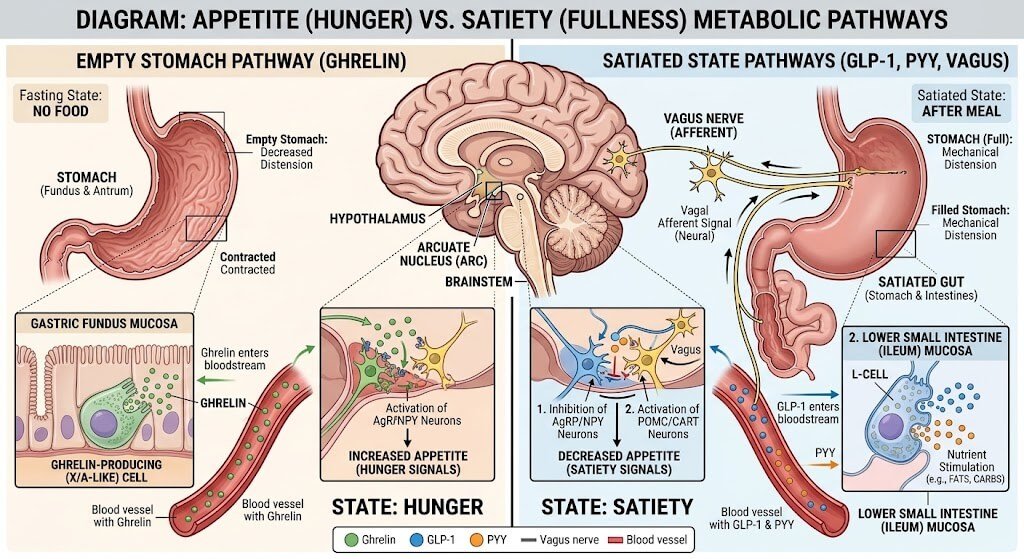
Food cravings, on the other hand, are frequently psychological or neurological. They are driven by dopamine pathways, stress responses, or sharp fluctuations in blood glucose.
- Homeostatic Hunger: Driven by stomach empty space and low energy availability.
- Hedonic Cravings: Driven by sensory input, stress, blood sugar crashes, or emotional cues.
Supplements target these mechanisms in three distinct ways: physical distension of the gastrointestinal tract, modulation of glycemic response, and direct influence on central nervous system neurotransmitters.
7 Evidence-Based Supplements That Help Reduce Food Cravings

1. Glucomannan (Konjac Root Fiber)
Glucomannan is a water-soluble, gel-forming dietary fiber extracted from the root of the elephant yam (Amorphophallus konjac). It possesses an extraordinary capacity to absorb liquid, expanding up to 50 times its original weight in water.
How It Works
When consumed with water before a meal, glucomannan forms a viscous, gel-like matrix inside the stomach. This physical mass delays gastric emptying, keeping the stomach distended longer and sending mechanical stretch signals to the brain that signal fullness. Furthermore, research demonstrates that soluble fiber can delay nutrient absorption and support appetite control.
Practical Dosage & Timing
Take 1 gram 30 to 45 minutes before main meals, up to three times daily. Always consume it with at least 8 to 12 fl oz (236 to 355 ml) of fluid to prevent esophageal blockage.
2. Whey Protein Isolate
While often categorized as macronutrient food, concentrated whey protein isolate acts as a potent dietary supplement for appetite management.
How It Works
Protein exhibits the highest thermic effect of food and exerts the strongest influence on satiety hormones. Ingesting whey protein stimulates the secretion of satiety hormones peptide YY (PYY) and glucagon-like peptide-1 (GLP-1) while suppressing circulating ghrelin levels. You can learn more about this mechanism in our breakdown on how protein intake affects hunger and fullness hormones.
Practical Dosage & Timing
Mix 25 to 30 grams of whey isolate in 10 to 12 fl oz (295 to 355 ml) of cold water 30 minutes prior to a meal or as an afternoon snack to curb appetite spikes.
| Supplement | Primary Mechanism | Optimal Daily Dose | Best Timing |
| Glucomannan | Gastric distension & delayed emptying | 3 g total (split in 3 doses) | 30–45 min before meals |
| Whey Protein | Elevates GLP-1/PYY, lowers Ghrelin | 25–50 g | Between meals or post-workout |
| Psyllium Husk | Forms viscous gel, slows carbohydrate absorption | 5–10 g | 20–30 min before largest meal |
| Berberine HCl | Improves AMPK activation & insulin sensitivity | 900–1,500 mg (split) | Right before or with meals |
| Chromium Picolinate | Enhances insulin signaling pathways | 200–400 mcg | Morning with breakfast |
| Green Tea Extract | Synergistic caffeine + EGCG oxidation | 400–500 mg EGCG | Morning or pre-workout |
| 5-HTP | Precursor to serotonin synthesis | 100–300 mg | Evening or prior to high-craving windows |

3. Psyllium Husk
Psyllium husk is derived from the seeds of the Plantago ovata plant. It contains a high concentration of soluble fiber that dissolves into a smooth gel without expanding as aggressively as glucomannan.
How It Works
Psyllium adds bulk to the digestive tract and slows the breakdown of complex carbohydrates. By smoothing out post-prandial blood sugar spikes, psyllium prevents the rapid drop in blood glucose that often triggers intense sugar cravings two hours after eating. Utilizing psyllium husk to help you feel full before meals is one of the easiest ways to manage meal portion sizes.
Practical Dosage & Timing
Start with 5 grams (roughly one rounded teaspoon) mixed into 12 fl oz (355 ml) of water once daily, gradually increasing to twice daily before large meals as tolerated.
4. Berberine HCl
Berberine is an alkaloid compound extracted from plants such as Berberis vulgaris (barberry). It has gained widespread attention for its powerful metabolic properties.
How It Works
Berberine activates an enzyme inside cells called adenosine monophosphate-activated protein kinase (AMPK), often referred to as the body’s “metabolic master switch.” By enhancing cellular glucose uptake and improving insulin sensitivity, berberine stabilizes blood sugar levels. When blood sugar remains stable, hedonic cravings for fast-acting carbohydrates decrease significantly. Clinical evidence shows that berberine can support metabolic health and reduce cravings effectively during weight loss phases.
Practical Dosage & Timing
Take 500 mg three times daily, taken immediately before or with meals containing carbohydrates.
5. Chromium Picolinate
Chromium is an essential trace mineral involved in carbohydrate, lipid, and protein metabolism. The picolinate form offers superior bioavailability compared to standard chromium salts.
How It Works
Chromium potentiates the action of insulin by enhancing cell receptor sensitivity. When insulin functions efficiently, glucose enters muscle tissue smoothly rather than lingering in the bloodstream. This rapid normalization of blood sugar prevents hypoglycemia-induced cravings for sweet foods. Studies confirm that chromium picolinate helps reduce sugar cravings by regulating glycemic balance throughout the day.
Practical Dosage & Timing
Take 200 to 400 mcg daily with breakfast or your first main meal.
6. Green Tea Extract (EGCG)
Green tea extract provides concentrated epigallocatechin gallate (EGCG), a potent polyphenol, combined with modest amounts of natural caffeine.
How It Works
Caffeine acts on the central nervous system to reduce perceived exertion and suppress acute appetite by releasing catecholamines like norepinephrine. Concurrently, EGCG modulates gastrointestinal hormones and supports metabolic rate. Combining caffeine and polyphenols makes green tea extract a reliable tool to support metabolism and manage appetite.
Practical Dosage & Timing
Choose a standardized extract yielding 400 to 500 mg of EGCG and 50 to 100 mg of caffeine daily, ingested early in the day to prevent sleep disruption.
7. 5-Hydroxytryptophan (5-HTP)
5-HTP is a naturally occurring amino acid and chemical precursor to serotonin, the primary neurotransmitter responsible for mood, calm, and satiety regulation.
How It Works
Low serotonin levels, often brought on by prolonged caloric restriction or high stress, can trigger intense cravings for simple carbohydrates, which the body uses to manufacture serotonin naturally. By supplementing with 5-HTP, you bypass the rate-limiting conversion step, directly raising central serotonin levels. This helps reduce emotional eating and late-night carbohydrate seeking.
Practical Dosage & Timing
Take 100 to 200 mg roughly 30 minutes before your evening meal or during your most vulnerable craving window.
Practical Application: How to Use Satiety Supplements Safely
Integrating supplements that help reduce food cravings into your daily schedule requires a strategic approach. Throwing multiple products together without structure will likely cause digestive distress rather than consistent hunger relief.
Coach’s Tip: Always start with one supplement at a time. If you begin using glucomannan, berberine, and green tea extract all on the same day, you won’t know which supplement is helping—or which one is causing stomach discomfort. Introduce a single supplement, monitor your hunger levels and digestion for 7 to 10 days, and adjust your dose as needed before introducing a second product.
Sample Daily Supplement Schedule for Craving Management
- 7:30 AM (Breakfast): 1 serving Whey Protein Isolate (25g) + 200 mcg Chromium Picolinate with breakfast.
- 12:30 PM (30 min before Lunch): 1 gram Glucomannan mixed in 12 fl oz (355 ml) water.
- 1:00 PM (Lunch): 500 mg Berberine HCl taken with the first bite of food.
- 5:30 PM (30 min before Dinner): 1 gram Glucomannan mixed in 12 fl oz (355 ml) water.
- 8:00 PM (Evening Support): 100 mg 5-HTP (if prone to stress-induced late-night snacking).
Common Mistake: Drinking insufficient water when taking soluble fiber supplements. Fiber extracts like glucomannan and psyllium draw water directly from your digestive tract. If you take them with only a quick sip of water, the powder can swell prematurely in your esophagus or cause constipation in your gut. Consume every fiber supplement with a minimum of 8 to 12 fl oz (236 to 355 ml) of liquid, and drink an additional 64 fl oz (1.9 L) of water throughout the day.
Lifestyle Foundations: Maximizing Craving Control Without Over-Reliance
Supplements are designed to complement—not replace—a well-engineered diet and lifestyle. Relying solely on capsules to suppress your appetite without addressing underlying nutritional gaps rarely works over the long term.

1. Optimize Protein and Fiber Intake from Whole Foods
Before adding any powder or pill, ensure your whole-food base is solid. Aim for 0.7 to 1.0 grams of protein per pound of body weight (1.5to2.2g/kg) daily. Pair this with 25 to 35 grams of total dietary fiber from green vegetables, berries, legumes, and whole grains. Understanding what helps control hunger during weight loss starts with prioritizing whole-food nutrition over supplements.
2. Prioritize Sleep Hygiene
Sleep restriction elevates circulating ghrelin while suppressing leptin (the fullness hormone). When you sleep less than seven hours per night, your brain craves fast-acting, high-calorie carbohydrates to compensate for low energy. Managing sleep quality is vital; learn more about how sleep affects metabolism and weight management in our dedicated guide.
3. Maintain Consistent Hydration
Mild dehydration is frequently misread by the brain as hunger. Drinking a glass of water when a sudden food craving strikes can distend the stomach temporarily and calm short-term hunger pangs.
Frequently Asked Questions
What supplements help reduce food cravings naturally?
The most effective options include soluble fibers like glucomannan and psyllium husk, which expand in the stomach to create physical fullness. Berberine and chromium picolinate help control cravings by stabilizing blood sugar levels, while whey protein isolate elevates key satiety hormones like GLP-1 and PYY.
How do fiber supplements stop sugar cravings?
Fiber supplements form a thick gel in the stomach that slows down gastric emptying and delays carbohydrate breakdown. This prevents sharp spikes and subsequent rapid drops in blood sugar, curbing the energy crashes that trigger sugar cravings.
Can berberine reduce late-night food cravings?
Yes, berberine can help reduce evening cravings by activating AMPK and improving cell insulin sensitivity throughout the day. By managing glycemic swings, berberine lowers the physiological urge to consume hyper-palatable snacks at night.
Does whey protein lower appetite hormones?
Whey protein suppresses appetite by suppressing the production of ghrelin (the hunger hormone) while stimulating satiety hormones, specifically PYY and GLP-1. Taking whey protein between meals helps keep you feeling satisfied for longer periods.
How long does it take for craving control supplements to work?
Soluble fiber supplements like glucomannan provide immediate satiety benefits within 30 minutes of ingestion. Metabolic regulators such as berberine and chromium picolinate typically require 1 to 2 weeks of consistent daily use to noticeably stabilize blood sugar and lower daily cravings.
Are natural hunger suppressants safe to take daily?
Most natural satiety supplements are safe for healthy adults when used at recommended dosages. However, soluble fibers must always be consumed with plenty of water, and compounds like berberine can interact with medications. Consult a healthcare provider before starting any new supplement regimen.
Conclusion
Managing appetite while staying in a caloric deficit does not have to rely entirely on willpower. Using target supplements that help reduce food cravings provides evidence-based support for your body’s complex hunger signals.
By combining physical bulk (glucomannan and psyllium husk), blood sugar management (berberine and chromium picolinate), and hormonal satiety signals (whey protein), you can create a reliable defense against overeating. Start with a single ingredient, monitor your body’s response, and keep your primary focus on balanced whole foods, regular strength training, and adequate rest.