
Soluble fiber helps you feel full longer for weight management by forming a gel in the digestive tract that slows gastric emptying, moderates nutrient absorption, and supports the release of satiety hormones. This process can reduce overall energy intake over time when combined with a balanced diet and other healthy habits. Research links higher soluble fiber intake to modest improvements in body weight and related measures in people with overweight or obesity.
Quick Answer
Soluble fiber, especially viscous types such as beta-glucan, pectin, and psyllium, absorbs water and forms a gel. This delays stomach emptying, slows digestion, and raises hormones like GLP-1 and PYY that signal fullness. Studies show it can modestly support lower energy intake and body weight when part of regular eating patterns. Aim for gradual increases toward daily fiber goals while drinking enough fluid.
Dietary fiber comes in two main forms: soluble and insoluble. Soluble fiber dissolves in water and creates a gel-like substance. Insoluble fiber adds bulk and speeds material through the gut. Both matter for health, but soluble fiber stands out for its effects on appetite and feelings of fullness that last after a meal. Understanding how it works helps you use everyday foods more effectively for weight management.
Many adults fall short of recommended fiber intakes. The National Academies of Sciences, Engineering, and Medicine and related guidelines suggest about 14 grams of total fiber per 1,000 calories, which works out to roughly 25 grams per day for adult women and 38 grams for adult men under age 50, with slightly lower targets for older adults. Most people average closer to 17 grams daily. Raising soluble fiber from food sources can help close that gap while supporting satiety.
How Soluble Fiber Creates a Feeling of Fullness
The primary way soluble fiber helps you feel full longer is through its physical properties in the gut. Viscous soluble fibers absorb water and swell, increasing the thickness of stomach and intestinal contents. This thicker mixture moves more slowly. The result is delayed gastric emptying—the time it takes for food to leave the stomach and enter the small intestine.
Delayed emptying means stretch receptors in the stomach stay activated longer. These receptors send signals to the brain that reduce hunger. At the same time, nutrients stay in contact with the intestinal lining for a longer period. This prolonged contact stimulates enteroendocrine cells to release hormones involved in appetite regulation.
Key hormones include glucagon-like peptide-1 (GLP-1), peptide YY (PYY), and cholecystokinin (CCK). These signals travel to the brain and promote satiety while reducing the desire to eat soon after a meal. Some fibers also lower levels of ghrelin, the hormone that drives hunger. Fermentation of soluble fiber by gut bacteria produces short-chain fatty acids (SCFAs) such as acetate, propionate, and butyrate. These SCFAs can further stimulate GLP-1 and PYY release in the colon, extending the satiety effect beyond the immediate post-meal period.
Viscosity matters more than solubility alone for short-term fullness. Highly viscous fibers such as oat beta-glucan, barley beta-glucan, psyllium, pectin, and certain gums consistently show stronger effects on subjective appetite ratings than non-viscous soluble fibers. Fermentability contributes to longer-term signals but is less consistent for immediate meal-to-meal control. Steady blood sugar responses also play a role; improved chromium glucose metabolism pathways can complement the blunting of post-meal spikes that soluble fiber provides.
A systematic review and meta-analysis of randomized controlled trials found that isolated soluble fiber supplementation reduced body weight by an average of 2.52 kg, BMI by 0.84, and body fat by 0.41 percent compared with placebo in adults with overweight or obesity over periods of 2 to 17 weeks. Another analysis of viscous fiber showed modest reductions in body weight and waist circumference even without strict calorie restriction. Effects are generally small and work best as part of overall dietary patterns rather than as a standalone solution. Better insulin sensitivity is one metabolic area that often improves alongside higher fiber intake.
Foods Rich in Soluble Fiber That Support Satiety
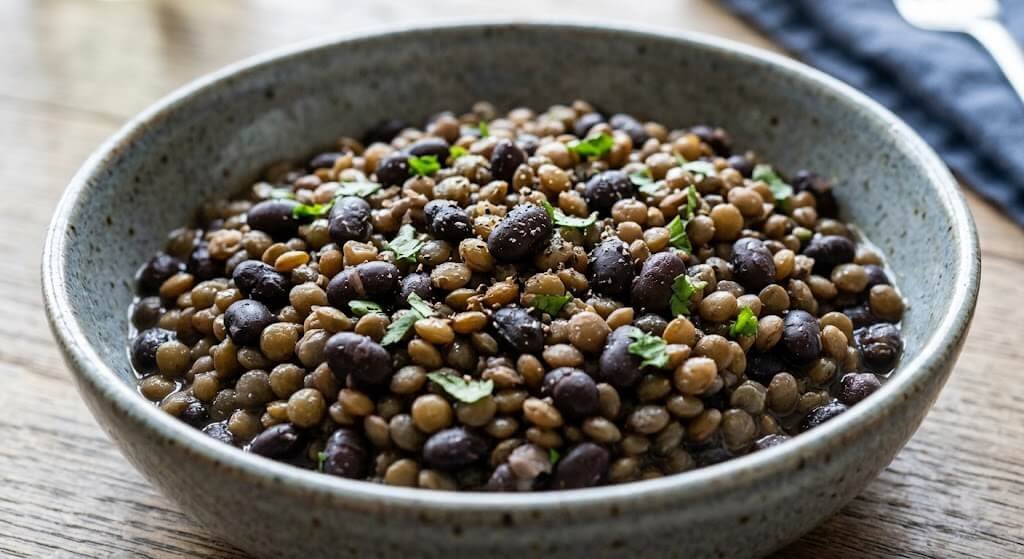
Practical sources of soluble fiber are easy to find in ordinary grocery items. Oats and barley supply beta-glucan, a viscous fiber well studied for both cholesterol and appetite effects. A typical serving of cooked oatmeal provides several grams of total fiber, much of it soluble. Beans, lentils, and peas deliver a mix of soluble and insoluble fiber; black beans, navy beans, and split peas rank especially high.
Fruits such as apples (with skin), pears, oranges, and berries contain pectin. Citrus fruits and apples are classic pectin sources. Vegetables including carrots, broccoli, and Brussels sprouts contribute smaller amounts. Psyllium husk, available as a powder or in some cereals, is almost pure soluble fiber and forms a strong gel. Guar gum and glucomannan appear in some supplements and specialty foods.

Aim to include these foods across meals rather than relying on a single high dose. Spreading intake helps minimize digestive discomfort and maintains steadier satiety signals throughout the day. Pair fiber-rich foods with adequate fluid—water, herbal tea, or other unsweetened beverages—so the fiber can form its gel properly. Without enough fluid, some fibers can cause constipation or bloating. Consistent intake also supports broader metabolic markers that influence how the body handles energy.
Practical Steps to Use Soluble Fiber for Longer Fullness
Start with small, consistent additions. Replace refined breakfast cereal with oatmeal or barley porridge. Add a handful of beans to salads, soups, or grain bowls. Choose whole fruit instead of juice. Include an apple or pear as a snack. These swaps raise soluble fiber without drastic changes.
For those already eating some fiber, increase gradually—by 3 to 5 grams every few days—while monitoring how your digestion responds. A target of 25–38 grams of total fiber per day, with a meaningful portion coming from soluble sources, aligns with guidelines. Track approximate intake for a week using food labels or a simple list of high-fiber foods so you know your baseline.
Meal timing and composition also matter. A breakfast or lunch that includes viscous soluble fiber plus protein and some healthy fat tends to produce longer-lasting fullness than a low-fiber, high-refined-carbohydrate meal. Chewing thoroughly and eating slowly further enhances the satiety signals that begin in the mouth and stomach. Supporting healthy blood vessel function through lifestyle habits can make the overall benefits of better weight management feel more sustainable.
Coach’s Tip
When coaching clients on fiber for appetite control, I emphasize consistency over perfection. One solid oatmeal breakfast or bean-based lunch most days of the week builds the habit better than occasional large doses. Pair the fiber with protein—Greek yogurt stirred into oats, or lentils with chicken or tofu—to amplify the fullness effect without adding complexity.
Common Mistake
Jumping from a low-fiber diet to 30-plus grams overnight often leads to gas, bloating, or cramping. The gut bacteria and digestive system need time to adapt. Increase slowly and keep fluid intake high. If symptoms persist, reduce the amount temporarily and reintroduce more gradually, or speak with a healthcare professional.
Sample Daily Pattern Focusing on Soluble Fiber
Breakfast: ½–¾ cup dry oats cooked with water or milk, topped with half an apple (skin on) and a few berries. Approximate soluble contribution from oats and fruit is notable.
Mid-morning: A small pear or orange.
Lunch: Mixed green salad with ½–¾ cup cooked black beans or lentils, plus vegetables. Dressing on the side.
Afternoon: Handful of almonds or a small apple if needed.
Dinner: Vegetable-heavy meal that includes barley, broccoli, or carrots, plus a protein source. Optional small serving of cooked beans.
This pattern is flexible. Adjust portions based on energy needs, activity level, and personal tolerance. The goal is steady, moderate fiber rather than extreme loading at any single meal. Over time, improved body composition can support better nitric oxide production and circulation as overall metabolic health improves.
Who Should Be Cautious and Safety Notes
Most healthy adults can increase soluble fiber safely. People with certain digestive conditions, such as irritable bowel syndrome that reacts strongly to fermentable fibers, or those with a history of bowel obstruction, should proceed carefully and consult a clinician. Individuals taking medications that require precise timing or absorption may need guidance, because viscous fiber can slow the uptake of some drugs. Start low and go slow remains the safest approach for almost everyone.
Pregnant or breastfeeding people, older adults with reduced appetite or chewing difficulty, and anyone managing a medical condition should check with a doctor or registered dietitian before making large changes. Fiber supplements can be useful when food intake is limited, but whole foods provide additional nutrients and better overall texture for satiety. Addressing factors that contribute to poor blood circulation often pairs well with weight-management strategies that include higher fiber.
This article is for general information and is not a substitute for advice from a doctor or physical therapist.
Research Snapshot on Mechanisms and Outcomes
Viscous soluble fibers increase digesta viscosity, which slows mixing and enzyme access in the small intestine. This blunts rapid rises in blood glucose and insulin after carbohydrate-containing meals. Stable blood sugar helps avoid the rebound hunger that can follow sharp drops. The same viscosity prolongs the presence of nutrients in the ileum, triggering the ileal brake—a feedback mechanism that further slows gastric emptying and reduces subsequent intake. These effects on glycemic control align with other nutrients studied for glucose metabolism support.
Meta-analyses indicate that not every soluble fiber performs equally. Alginate, guar gum, and oat fiber more frequently reduced appetite ratings in acute studies. Chronic intake of certain resistant dextrins showed benefits for satiety scores in some trials. Effects on actual energy intake are smaller and more variable than effects on subjective fullness ratings. Weight changes, when present, tend to be modest—on the order of 0.3–2.5 kg over weeks to months depending on the study design and population.
Fermentation-related SCFA production supports longer-term gut-brain signaling. Propionate in particular has been linked to increased PYY and GLP-1 in experimental settings. These pathways operate alongside the mechanical effects of viscosity and are part of why regular, varied fiber intake supports appetite regulation beyond a single meal. Better metabolic health from these changes can also influence blood vessel health over the longer term.
Putting It into Practice Without Overcomplicating
Focus on food first. Oatmeal, barley, beans, apples, citrus, and psyllium (if tolerated) cover most practical needs. Read labels on packaged foods; “good source of fiber” generally means at least 2.5–4.9 grams per serving, while “excellent source” means 5 grams or more. Choose products that list whole grains, beans, or fruit near the top of the ingredient list.
If using a supplement such as psyllium, start with a half dose mixed thoroughly in liquid and take it with a full glass of water. Separate it from medications by at least one to two hours unless advised otherwise by a pharmacist or physician. Track how you feel for two weeks. Many people notice steadier energy and fewer mid-afternoon hunger spikes once fiber intake rises consistently.
Combine higher soluble fiber with other evidence-based habits: adequate protein, resistance training or regular movement, sufficient sleep, and attention to overall calorie balance. Fiber is a helpful tool, not a magic solution. Its value lies in making controlled energy intake feel more sustainable by reducing the constant pull of hunger. Supporting nitric oxide benefits through diet and activity can enhance recovery and daily energy as weight management improves.
Variations for Different Needs
For beginners or those with sensitive digestion, begin with well-cooked oats or peeled soft fruits and smaller bean portions. Pureed bean soups or smoothies with cooked oats can ease the transition. For higher activity levels or larger bodies, scale portion sizes upward while keeping the same food types. Athletes or very active people may need the higher end of fiber recommendations to match energy intake without digestive issues. Comparing options for L-arginine and L-citrulline is sometimes discussed in the context of circulation support that pairs with improved body composition.
Older adults sometimes struggle with chewing or fluid intake. Soft-cooked barley, pureed vegetable soups thickened with pureed beans, and stewed apples can deliver soluble fiber in easier-to-eat forms. Always prioritize fluid and gradual change.

FAQ
How does soluble fiber make you feel full longer?
It forms a gel that slows stomach emptying and nutrient absorption while stimulating hormones such as GLP-1 and PYY. These signals reduce hunger for hours after eating. Viscous types work most reliably for this effect.
Does soluble fiber help with weight loss?
Research shows modest reductions in body weight, BMI, and body fat with soluble fiber supplementation or higher intake in people with overweight or obesity. Results are greatest when fiber is part of an overall calorie-aware pattern.
What foods are high in soluble fiber for satiety?
Oats, barley, beans, lentils, apples, citrus fruits, and psyllium are strong sources. These provide viscous fiber that supports gel formation and fullness.
How much soluble fiber per day for fullness?
There is no separate official target for soluble fiber alone. Aim for the total fiber recommendations (roughly 25 g for women and 38 g for men under 50) with a good share from soluble sources. Increase gradually.
Can soluble fiber reduce calorie intake?
By prolonging fullness, it can lower spontaneous energy intake at subsequent meals in some studies. Effects vary by fiber type, dose, and individual response.
Soluble vs insoluble fiber for weight management?
Soluble fiber primarily supports satiety through viscosity and hormone effects. Insoluble fiber adds bulk and aids regularity. Both contribute; soluble is more directly linked to longer-lasting fullness.
Conclusion
Soluble fiber helps you feel full longer for weight management primarily by creating viscosity and gel in the gut, delaying gastric emptying, moderating nutrient absorption, and supporting satiety hormone release. Everyday foods such as oats, beans, apples, and citrus make it practical to raise intake without special products. Effects on body weight are modest and work best alongside balanced eating, movement, and other healthy habits. Start slowly, stay consistent, drink enough fluid, and treat fiber as one useful tool among many. Over time, the combination of physical fullness and steadier energy can make maintaining a healthy weight feel more manageable while also supporting related aspects of metabolic and circulatory health.