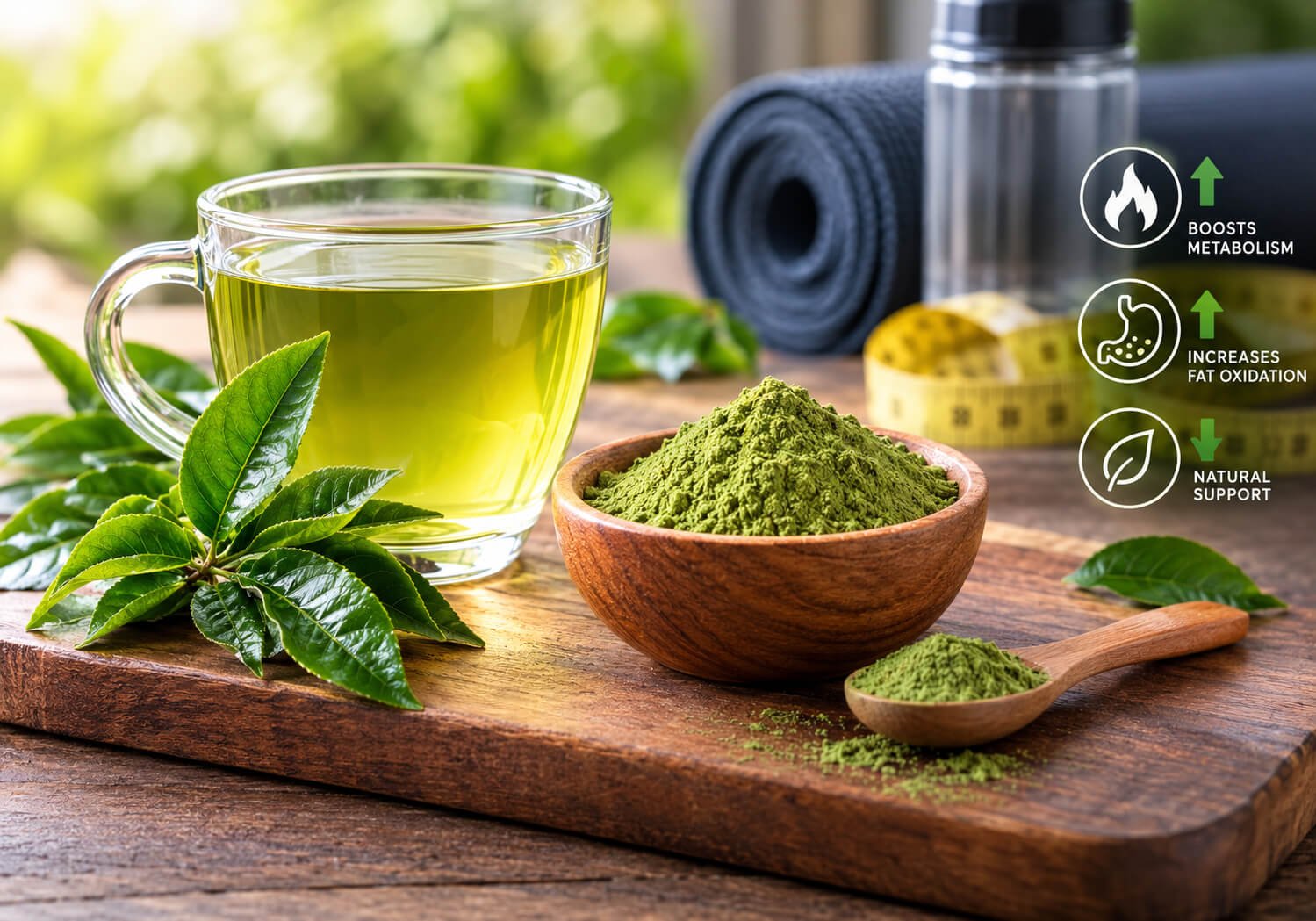
Can green tea extract support metabolism and fat oxidation? This is one of the most frequent questions I hear from clients who want to optimize their weight management journey without relying on extreme measures. As a strength and conditioning coach, I always tell my clients that supplements are exactly that: supplementary. They work best when layered on top of a solid foundation of nutrition, resistance training, and cardiovascular exercise. However, the scientific literature does show that specific compounds in green tea can provide a measurable, evidence-based edge.
If you want to learn more about how to increase metabolism naturally, diet and exercise remain the absolute foundation. But for those looking to maximize their efforts, understanding the role of green tea extract is a smart, science-backed strategy.
Quick Answer
Yes, research suggests that green tea extract can support metabolism and fat oxidation. This is primarily due to its high concentration of epigallocatechin gallate (EGCG) and caffeine. These compounds work together to slightly increase resting energy expenditure and enhance the body’s ability to burn fat during moderate-intensity exercise. However, it is not a magic pill. It works best when combined with a calorie-controlled diet and regular physical activity.
The Science: Can Green Tea Extract Support Metabolism and Fat Oxidation?
To understand how this supplement works, we have to look at the biochemistry of the green tea leaf. Green tea extract is not just brewed tea in a pill. It is a concentrated source of bioactive compounds, most notably catechins and caffeine.
The Role of EGCG
Epigallocatechin gallate (EGCG) is the most abundant and potent catechin in green tea. According to the NIH Office of Dietary Supplements, EGCG is a powerful antioxidant that plays a direct role in metabolic regulation. It does this by inhibiting an enzyme called catechol-O-methyltransferase (COMT).
Why does that matter? COMT is responsible for breaking down norepinephrine, a hormone and neurotransmitter that signals your body to break down fat. By slowing down the breakdown of norepinephrine, EGCG allows this fat-burning signal to remain active in your body for a longer period. This prolonged signal encourages adipose tissue (stored body fat) to release free fatty acids into the bloodstream, where they can be used as energy.
The Role of Caffeine
Caffeine is a well-known central nervous system stimulant. It works synergistically with EGCG. While EGCG protects norepinephrine from breaking down, caffeine actively stimulates the release of more norepinephrine. A meta-analysis published in the American Journal of Clinical Nutrition concluded that the combination of catechins and caffeine significantly increases 24-hour energy expenditure and fat oxidation compared to caffeine alone or a placebo.
Understanding what is thermogenesis can help you see how these compounds generate heat and burn calories. Thermogenesis is the process of heat production in organisms, and both caffeine and EGCG mildly elevate this process, requiring your body to expend more calories just to maintain its core temperature.
How Fat Oxidation Actually Works
Fat oxidation is simply your body’s ability to use stored fat as fuel. In a laboratory setting, we measure this using the respiratory exchange ratio (RER), which is the ratio of carbon dioxide produced to oxygen consumed. An RER of 1.0 indicates your body is burning 100% carbohydrates. An RER of 0.70 indicates your body is burning 100% fat. Research indicates that consuming green tea extract before moderate-intensity exercise can lower your RER, meaning a higher percentage of the calories you burn during that session are coming from fat stores.
Green Tea Extract vs. Brewed Green Tea
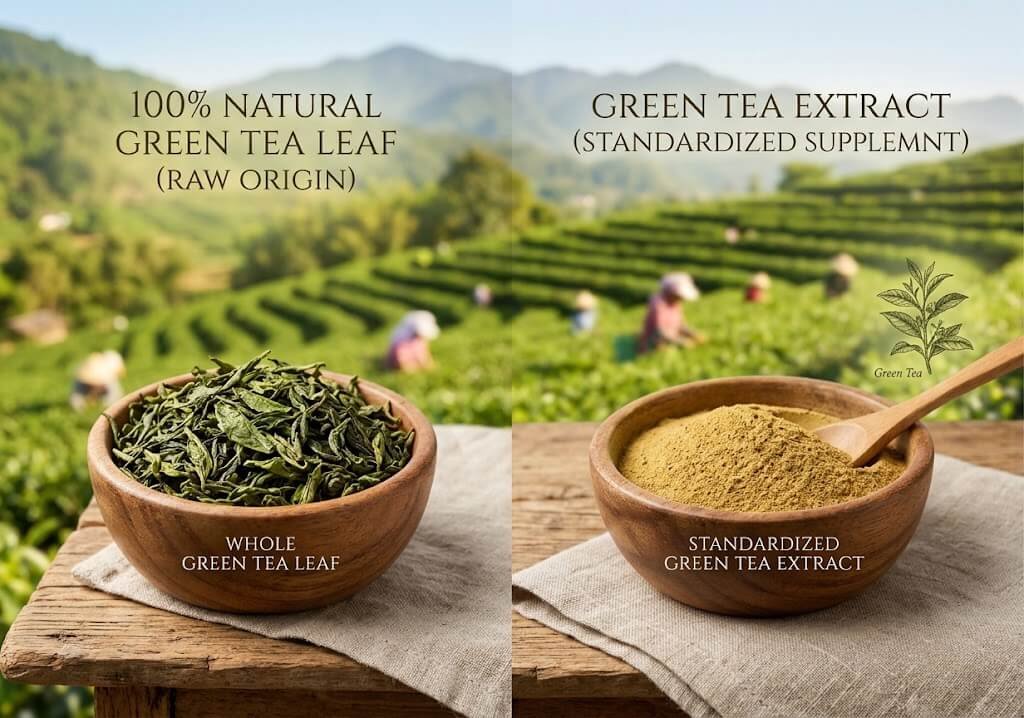
Many clients ask if they can just drink more brewed green tea instead of taking an extract. While drinking green tea is incredibly healthy and provides hydration and antioxidants, it is difficult to reach the therapeutic doses used in clinical studies through brewing alone.
| Feature | Brewed Green Tea (8 oz cup) | Standardized Green Tea Extract (1 capsule) |
| EGCG Content | 50 mg – 100 mg | 200 mg – 400 mg |
| Caffeine Content | 30 mg – 50 mg | 20 mg – 50 mg (varies by brand) |
| Consistency | Varies by leaf quality, water temp, steep time | Highly standardized and consistent |
| Best For | Daily hydration, mild antioxidant support | Targeted metabolic and fat oxidation support |
To get the 250 mg to 500 mg of EGCG used in most successful fat oxidation studies, you would need to drink 4 to 8 cups of green tea every single day. For most people, a high-quality extract is a more practical and efficient delivery method.
Practical Application: How to Use Green Tea Extract to Support Metabolism and Fat Oxidation
Knowing the science is only half the battle. As a coach, my job is to translate peer-reviewed research into actionable steps you can use in your daily routine. Many people wonder if does green tea extract boost metabolism or simply suppress appetite; the answer involves both mechanisms, but timing and dosage are critical for the metabolic benefits.
Dosage Guidelines
The sweet spot for metabolic support, based on clinical trials, is 250 mg to 500 mg of EGCG per day.
- Beginners: Start with 250 mg of EGCG once daily to assess your tolerance to caffeine and catechins.
- Intermediate: 400 mg to 500 mg of EGCG per day, ideally split into two doses (e.g., morning and early afternoon) to maintain stable blood levels and avoid sleep disruption.
Always check the supplement facts panel. Some brands list the total “green tea extract” weight (e.g., 500 mg), but you must look for the standardized EGCG percentage (usually 45% to 50%) to know the actual active dose.
Timing and Synergy with Exercise
The optimal time to take green tea extract is 30 to 60 minutes before your workout. This allows the active compounds to reach peak concentrations in your bloodstream right as you begin moving.
Pairing your supplement routine with adequate protein intake and metabolism support can further enhance satiety and muscle preservation. Protein has a high thermic effect, meaning your body burns more calories digesting it, which complements the mild thermogenic effect of the green tea extract.
Sample Workout Routine for Fat Oxidation
Green tea extract shines brightest during moderate-intensity steady-state (MISS) cardio. This is an intensity where you can hold a conversation, but you are definitely working.
| Exercise | Sets | Duration | Rest | Intensity Cue |
| Incline Treadmill Walking | 1 | 30–45 min | N/A | 65–75% of max heart rate; able to speak in short sentences. |
| Bodyweight Squats | 3 | 12–15 reps | 60 sec | Controlled tempo; 2 seconds down, 1 second up. |
| Dumbbell Romanian Deadlift | 3 | 10–12 reps | 60 sec | Hinge at hips, keep back flat, feel stretch in hamstrings. |
| Plank | 3 | 30–45 sec | 45 sec | Keep core braced, do not let hips sag. |
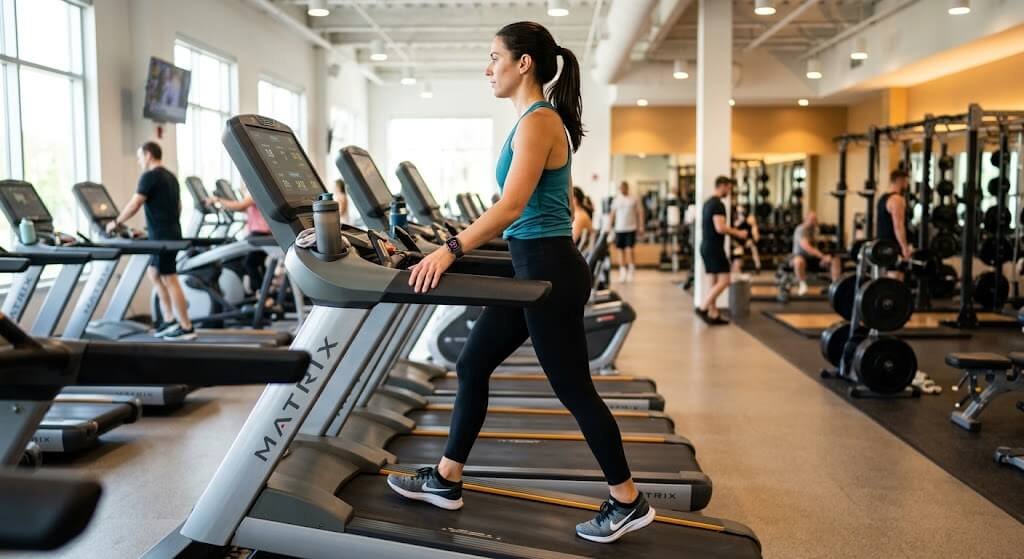
Regression (Easier Version): If you are new to exercise, start with flat treadmill walking at 3.0 mph (4.8 km/h) for 20 minutes. Perform bodyweight squats to a chair for safety, and hold the plank on your knees for 20 seconds.
Progression (Harder Version): Increase the treadmill incline to 10% and speed to 3.5 mph (5.6 km/h) for 45 minutes. You can also add a 10 lb (4.5 kg) weighted vest to increase the metabolic demand. Advance the plank to a 60-second hold with alternating shoulder taps.
Coach’s Tip: Take your green tea extract 30 to 60 minutes before this session. The caffeine and EGCG peak in your bloodstream right when you start moving, maximizing lipid oxidation. Drink at least 16 oz (473 ml) of water with it to support digestion and hydration.
Common Mistake: Taking high doses of green tea extract on a completely empty stomach if you are sensitive to caffeine. This can cause nausea, stomach cramps, or jitters. If you experience this, have a small, protein-rich snack (like a hard-boiled egg or a scoop of protein powder) 15 minutes before taking your supplement.
Safety Notes and Contraindications
While green tea extract is generally safe for most healthy adults, it is a potent biological compound. It is crucial to approach its use with caution and awareness.
Liver Health
The most serious, though rare, concern regarding green tea extract is hepatotoxicity (liver damage). The European Food Safety Authority (EFSA) has noted that doses of EGCG at or above 800 mg per day may pose a risk to liver health. Cases of liver injury are almost exclusively linked to high-dose supplements taken on an empty stomach, not from drinking brewed tea. To stay safe, never exceed 500 mg of EGCG daily, take it with food, and discontinue use immediately if you experience unexplained abdominal pain, dark urine, or jaundice (yellowing of the skin or eyes).
Caffeine Sensitivity
Even “decaffeinated” green tea extracts can contain small amounts of caffeine (usually 10 mg to 20 mg per serving). If you are highly sensitive to stimulants, experience anxiety, or have high blood pressure, you should consult your doctor before use. If you are sensitive to stimulants, you might prefer to explore supplements support metabolism without stimulants.
Medication Interactions
Green tea extract can interact with certain medications. It may reduce the absorption of iron from plant-based foods and can interact with blood thinners (like warfarin), beta-blockers, and certain antidepressants. Always disclose all supplement use to your healthcare provider.
Related Tips for Maximizing Metabolism
A supplement is only one piece of the puzzle. For a broader strategy, read our guide on how to support metabolism naturally for long-term weight management. Here are three critical, evidence-based habits to pair with your green tea extract:
- Prioritize Protein: As mentioned, protein has a high thermic effect of food (TEF). Your body uses about 20-30% of the calories in protein just to digest it. Aim for 0.7 to 1.0 grams of protein per pound (1.6 to 2.2 grams per kg) of body weight daily.
- Optimize Sleep: Do not overlook recovery, as how sleep affects metabolism is a critical factor in hormonal balance and fat loss. Poor sleep elevates cortisol and ghrelin (the hunger hormone), which can completely override the mild metabolic benefits of any supplement. Aim for 7 to 9 hours of quality sleep per night.
- Stay Consistent with Movement: Non-exercise activity thermogenesis (NEAT)—the calories you burn from walking, standing, and fidgeting—often accounts for more daily energy expenditure than a structured workout. Aim for 8,000 to 10,000 steps per day.
FAQ
How much green tea extract is needed for fat loss? Most clinical studies use doses ranging from 250 mg to 500 mg of EGCG per day. This is often found in one to three standard green tea extract capsules. Always start at the lower end to assess your tolerance and never exceed the manufacturer’s recommended daily limit.
Does green tea extract work without exercise? It can provide a very minor boost to resting metabolic rate even at rest. However, the most significant increases in fat oxidation occur when green tea extract is combined with moderate-intensity exercise. Relying on the supplement alone without movement will yield minimal, barely noticeable results.
What are the side effects of green tea extract supplements? Common side effects are usually linked to its caffeine content and include jitteriness, insomnia, stomach upset, or headaches. High doses taken on an empty stomach may cause nausea. Individuals sensitive to stimulants should choose decaffeinated versions or consult a healthcare provider before use.
Can green tea extract cause liver damage? In rare cases, very high doses of green tea extract, usually over 800 mg of EGCG daily, have been linked to liver toxicity. To stay safe, stick to recommended dosages, avoid taking it on an empty stomach, and discontinue use if you experience abdominal pain or jaundice.
What is the best time to take green tea extract for metabolism? The optimal time is 30 to 60 minutes before your workout. This allows the active compounds, EGCG and caffeine, to reach peak levels in your bloodstream right as you begin exercising, maximizing their thermogenic and fat-oxidizing effects during your physical activity session.
Conclusion
So, can green tea extract support metabolism and fat oxidation? The evidence says yes, but with important caveats. The synergistic combination of EGCG and caffeine can mildly elevate your resting energy expenditure and shift your body toward using more fat as fuel during moderate exercise. However, it is not a standalone solution.
Real, sustainable body composition changes require a caloric deficit, consistent resistance training, adequate protein intake, and quality sleep. Think of green tea extract as a 5% optimizer, not a 100% solution. If you choose to use it, stick to clinically supported doses of 250 mg to 500 mg of EGCG, take it with food to protect your stomach and liver, and pair it with a solid workout routine.