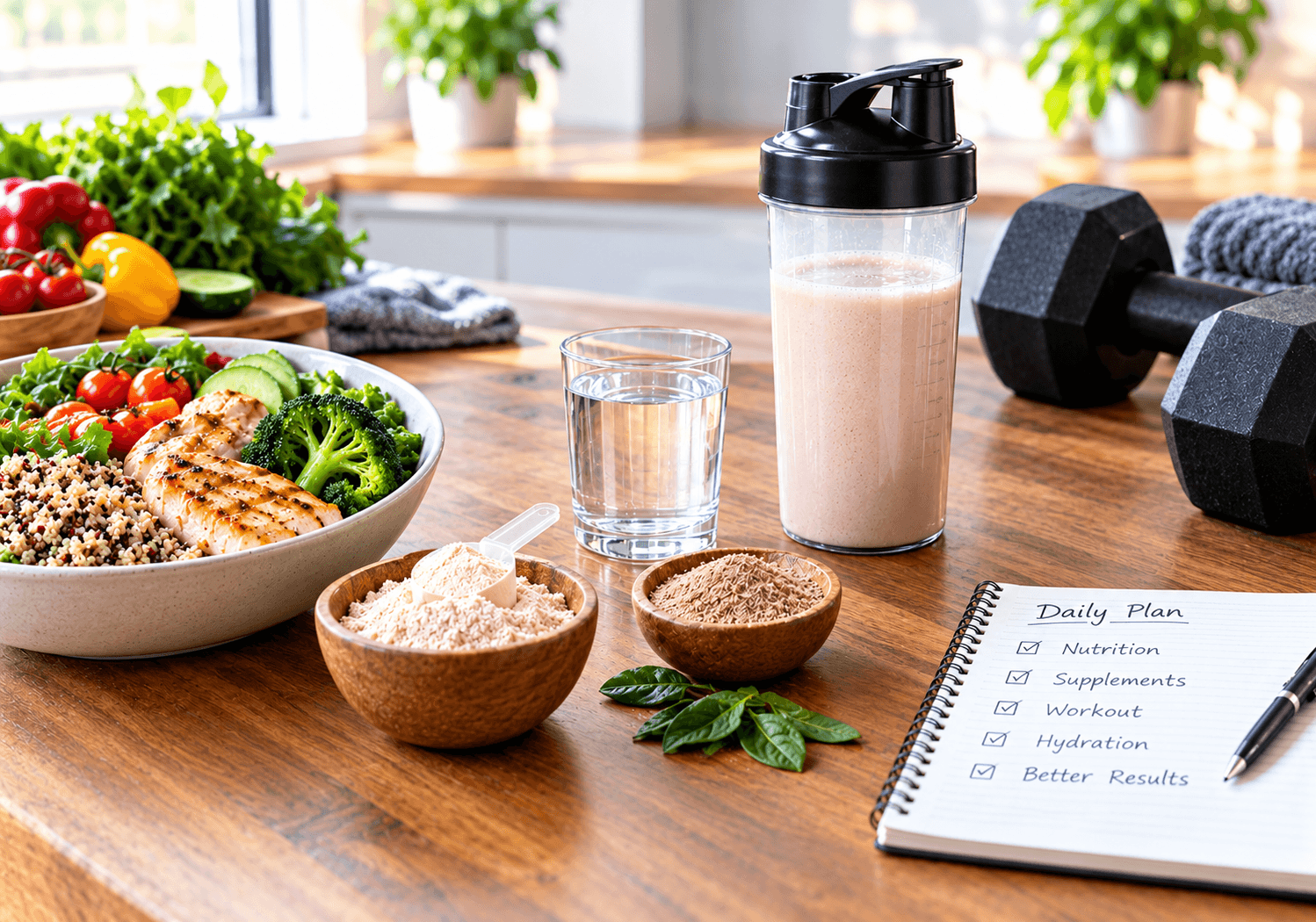
Maintaining a healthy body weight requires a sustainable balance between energy intake and energy expenditure. While structured strength training and a nutrient-dense diet serve as the foundation of any transformation, many individuals ask: which supplements may support weight management safely?
Navulating the dietary supplement market can feel overwhelming due to bold marketing claims and questionable ingredients. However, peer-reviewed research shows that specific, evidence-backed supplements can modestly support satiety, metabolic health, and energy levels when combined with a structured lifestyle regimen.
This comprehensive guide breaks down the science of safe weight management supplements, how they function in the body, potential side effects, and how to integrate them into your routine responsibly.
Safety Notice: Consult a primary care physician or registered dietitian before beginning any new supplement regimen, especially if you have pre-existing medical conditions, take prescription medications, or are pregnant or nursing.
Quick Answer Box
Which supplements may support weight management safely?
Evidence shows that protein powders (whey, casein, plant), dietary fibers (glucomannan, psyllium husk), green tea extract (EGCG), and moderate doses of caffeine may support weight management safely. These ingredients work by enhancing satiety, slightly increasing calorie burn through thermogenesis, or preserving lean muscle tissue during a calorie deficit. They offer modest support alongside proper nutrition and exercise, rather than immediate weight loss.
How Weight Management Supplements Function in the Body
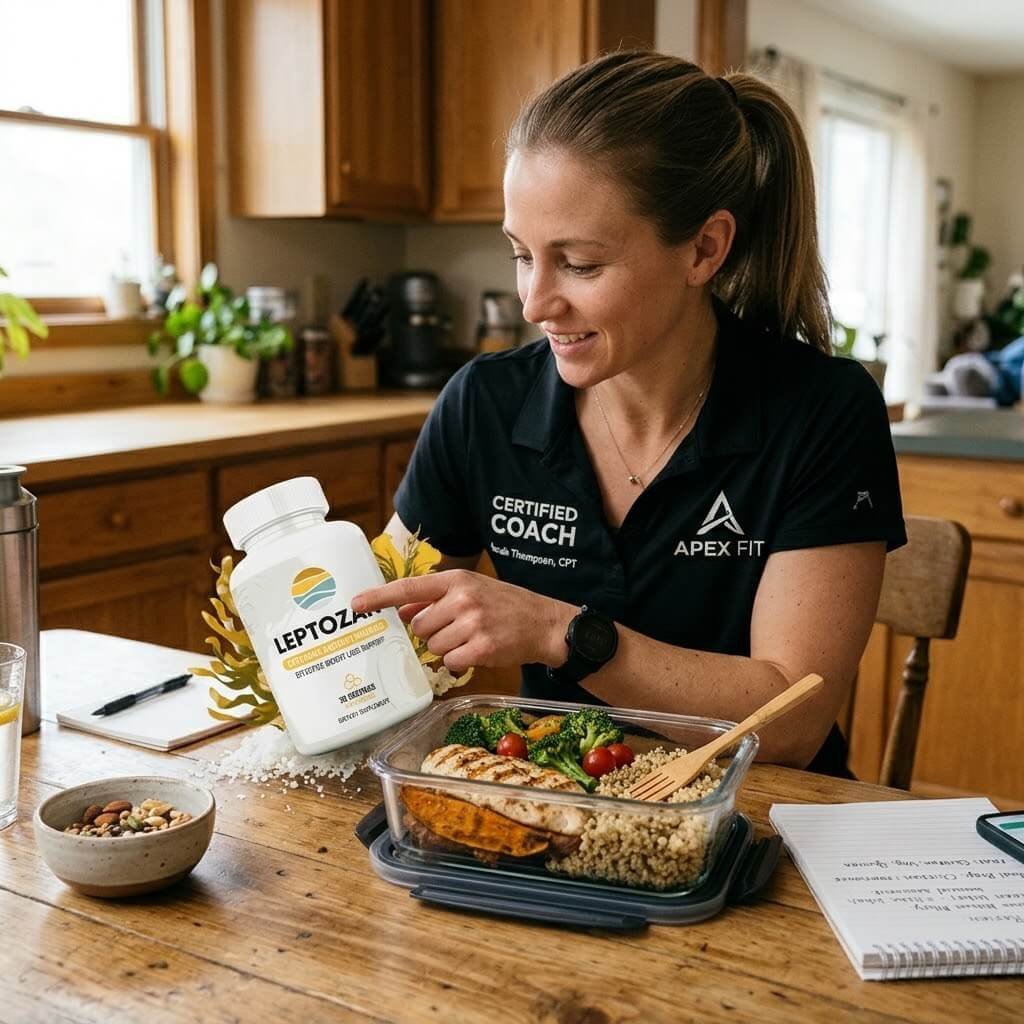
Dietary supplements designed for body composition goals typically operate through one of three primary biological mechanisms:
• Soluble Fiber • Caffeine • Whey Protein
• Protein Powders • Green Tea (EGCG) • Plant Protein
1. Appetite Control and Satiety Enhancement
Supplements like dietary fibers expand in the stomach or delay gastric emptying, triggering neurological signals that tell your brain you are full. Learn more about how dietary fiber can help with appetite and weight management to manage daily calorie intake without excessive hunger pangs.
2. Metabolic Rate Support (Thermogenesis)
Thermogenic agents slightly increase body heat production and resting metabolic rate. Ingredients such as green tea extract and caffeine stimulate the central nervous system, prompting the body to expend slightly more calories throughout the day. Discover what thermogenesis is and how it affects metabolism for an in-depth breakdown of energy expenditure.
3. Lean Muscle Preservation
During a energy deficit, the body risks losing skeletal muscle along with adipose tissue. High-quality protein supplements supply essential amino acids necessary to preserve muscle tissue. Maintaining muscle mass keeps your resting energy expenditure elevated. Explore how protein intake impacts metabolism and weight loss to optimize your macronutrient balance.
Top Evidence-Based Supplements for Safe Weight Management
To help you distinguish between scientific evidence and marketing hype, the table below compares top dietary ingredients that support body composition goals safely:
| Supplement | Primary Mechanism | Evidence-Backed Dose | Safety Profile | Primary Benefit |
| Protein Powder (Whey/Plant) | Satiety & Muscle Retention | 20–30 g per serving | Excellent | Preserves lean mass; reduces appetite |
| Glucomannan | Gastric Delay / Fullness | 1 g, 3x daily before meals | Good (Requires water) | Promotes feelings of fullness |
| Psyllium Husk | Soluble Fiber Expansion | 5–10 g daily with water | Excellent | Supports digestion and appetite control |
| Green Tea Extract (EGCG) | Thermogenesis & Fat Oxidation | 250–500 mg EGCG daily | Good (Avoid extreme doses) | Mildly boosts calorie expenditure |
| Caffeine | CNS Stimulation / Energy | 100–200 mg per serving | Fair (Watch tolerance) | Enhances workout performance & metabolism |
1. Dietary Fiber: Glucomannan and Psyllium Husk
Soluble fiber absorbs water in the gastrointestinal tract, forming a gel-like substance that slows down digestion. Research published by the National Institutes of Health (NIH) indicates that viscous dietary fiber supplementation can lead to modest reductions in body weight by decreasing overall energy intake.
- Glucomannan: Derived from the konjac root, glucomannan has an extraordinary water-holding capacity. Taking 1 g [0.035 oz] with 8 oz [240 ml] of water 30 minutes before meals helps fill stomach space.
- Psyllium Husk: Provides broad digestive benefits while improving fullness between meals. Find out if psyllium husk can help you feel full before meals when integrated into a calorie-restricted diet.
Coach’s Tip: Always consume fiber supplements with at least 8 to 12 oz [240–355 ml] of fluid. Taking dry fiber capsules or powders without enough water can cause choking risks or gastrointestinal blockages.
2. Protein Supplements (Whey, Casein, and Plant Proteins)
Protein is the most thermogenic macronutrient, requiring roughly 20–30% of its usable energy just for digestion and assimilation. Incorporating protein supplements makes it easier to meet target daily intakes without adding extra fats or refined carbohydrates.

Supplemental protein stimulates satiety hormones such as peptide YY (PYY) and glucagon-like peptide-1 (GLP-1) while reducing levels of ghrelin, the hunger hormone. Check out how protein powder can help control hunger during weight loss for practical serving strategies.
- Whey Isolate: Fast-absorbing, low-fat protein ideal post-workout.
- Micellar Casein: Slow-digesting protein ideal for evening use to prevent late-night cravings.
- Plant Blends (Pea/Rice): Excellent hypoallergenic options for vegans and dairy-sensitive individuals.
3. Green Tea Extract (EGCG) and Caffeine
Green tea extract is rich in epigallocatechin gallate (EGCG), a powerful antioxidant. When combined with natural caffeine, EGCG helps inhibit enzymes that break down norepinephrine, prolonging sympathetic nervous system stimulation and fat oxidation.
According to a review in the Journal of Strength and Conditioning Research, combining moderate caffeine intake (3 mg per kg of body weight) with routine exercise optimizes thermogenic response and training volume.
However, high doses of isolated green tea extracts can stress liver enzymes. Always pick third-party tested products providing under 800 mg of EGCG daily.
Evaluating Non-Stimulant Options
For individuals sensitive to caffeine, jitters, or sleep disruptions, exploring non-stimulant metabolic aids is essential. Sleep deprivation directly elevates cortisol and appetite, so avoiding evening stimulants protects metabolic health. Read how sleep affects metabolism and weight management for key insights on sleep hygiene.
Non-stimulant ingredients that show promise in preliminary clinical literature include:
- Berberine: A plant alkaloid that activates AMP-activated protein kinase (AMPK), helping regulate blood glucose levels.
- Chromium Picolinate: A mineral that plays a role in insulin action and carbohydrate metabolism, potentially dampening sweet cravings.
- Exogenous Ketone Salts (BHB): Compounds that temporarily raise blood ketone levels, which may help reduce appetite in certain settings. Learn more about how exogenous ketones suppress appetite.
How to Choose Safe and Effective Weight Management Supplements
Not all supplements are created equal. Use this buyer’s checklist to select products that meet high standards of safety and efficacy:
• NSF / USP Seals • No Proprietary Blends • No “Miracle” Fits
• Third-Party Audits • Clear Dosages Shown • Evidence-Backed
- Look for Third-Party Certification: Select supplements verified by independent organizations such as NSF International, USP (United States Pharmacopeia), or Informed-Choice. This ensures the product contains what is listed on the label and is free of harmful contaminants.
- Avoid Proprietary Blends: Choose labels that clearly state the exact milligram dose of each active ingredient. Proprietary blends often hide under-dosed key ingredients.
- Check for Evidence-Backed Ingredients: Steer clear of unproven ingredients or products claiming rapid weight loss without lifestyle modifications.
Common Mistake: Relying on fat-burner supplements while ignoring a calorie surplus. Supplements cannot override poor nutrition, lack of sleep, or a sedentary lifestyle. They are designed to add a modest boost to a solid exercise and nutrition routine.
Practical Application: Sample Daily Supplement Protocol
Here is how a client might safely structure evidence-based supplements across a training day:
- Morning (7:00 AM): 1 serving of whey or plant protein powder mixed into oatmeal, alongside 1 capsule of Green Tea Extract (250 mg EGCG) with 12 oz [355 ml] of water.
- Pre-Lunch (12:30 PM): 1 g [0.035 oz] of Glucomannan powder mixed thoroughly into 10 oz [300 ml] of water, taken 30 minutes prior to a whole-food meal.
- Mid-Afternoon (3:30 PM): A black coffee or 100 mg caffeine tablet prior to a resistance training session.
- Post-Workout / Evening (6:30 PM): 5 g psyllium husk stirred into water before dinner to support digestion and prevent late-night snacking.
Safety Guidelines and Potential Risks
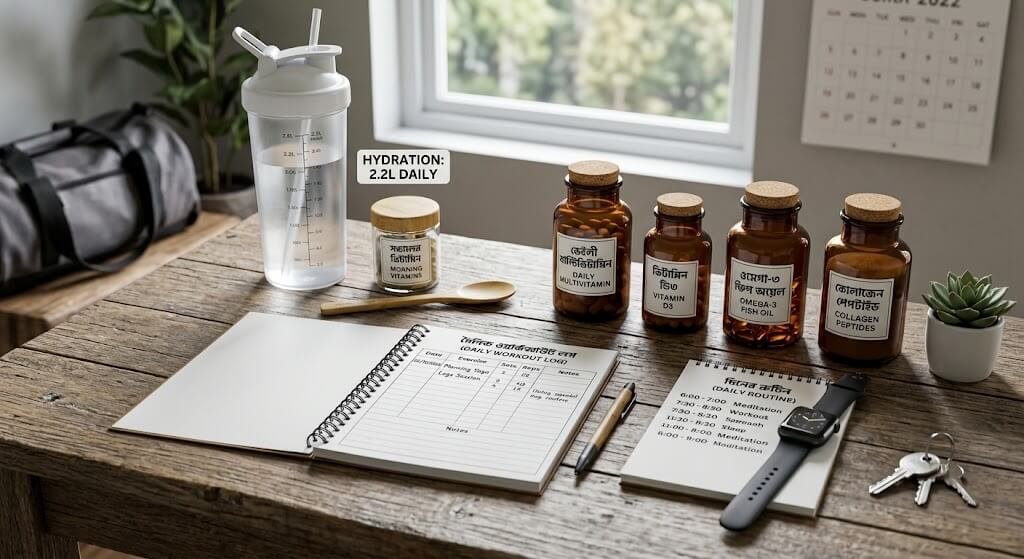
When evaluating which supplements may support weight management safely, safety must come first. High doses of stimulants can cause tachycardia, anxiety, elevated blood pressure, and insomnia. High intake of fiber without adequate fluids can lead to severe abdominal cramping or intestinal blockages.
High-Risk Groups
The following populations should consult a medical professional before taking any supplement for body weight management:
- Individuals with cardiovascular conditions or hypertension
- People with pre-existing gastrointestinal disorders (such as Crohn’s disease or IBS)
- Individuals taking blood glucose-lowering medications
- Pregnant or lactating women
Frequently Asked Questions
Are natural weight loss supplements completely safe?
“Natural” does not automatically mean safe. Botanical extracts can interact with medications or cause adverse effects at high doses. Always stick to recommended dosages and look for third-party tested products to verify purity and safety.
Can I lose weight by taking supplements without changing my diet?
No. Weight loss requires an energy deficit, meaning you consume fewer calories than your body burns. Supplements only offer minor support—such as increasing satiety or slightly boosting thermogenesis—to help you stick to a balanced diet and regular exercise routine.
How quickly should I expect results from weight management supplements?
Supplements do not yield drastic overnight results. When paired with a structured calorie deficit and regular workouts, safe supplements may help you maintain a sustainable weight loss pace of 0.5 to 2 lbs [0.2 to 0.9 kg] per week.
What is the safest supplement to curb appetite?
Soluble dietary fibers like psyllium husk and glucomannan are among the safest appetite support options. They work mechanically by absorbing water and expanding in the digestive tract to promote natural fullness without impacting heart rate or blood pressure.
Do non-stimulant weight loss supplements really work?
Yes, non-stimulant options like soluble fiber and high-quality protein powders work by enhancing satiety and preserving lean body mass. While they do not increase heart rate or thermogenesis like caffeine, their impact on appetite control can make sticking to a calorie deficit much easier.
Conclusion
Understanding which supplements may support weight management safely empowers you to make informed decisions that align with your health and fitness goals. Dietary fiber, quality protein powders, green tea extract, and moderate caffeine offer evidence-based support for appetite regulation, muscle retention, and energy expenditure.
Remember: supplements are meant to enhance—not replace—the fundamentals of health. Prioritize a nutrient-dense diet, consistent strength training, and quality sleep as the core of your wellness routine.