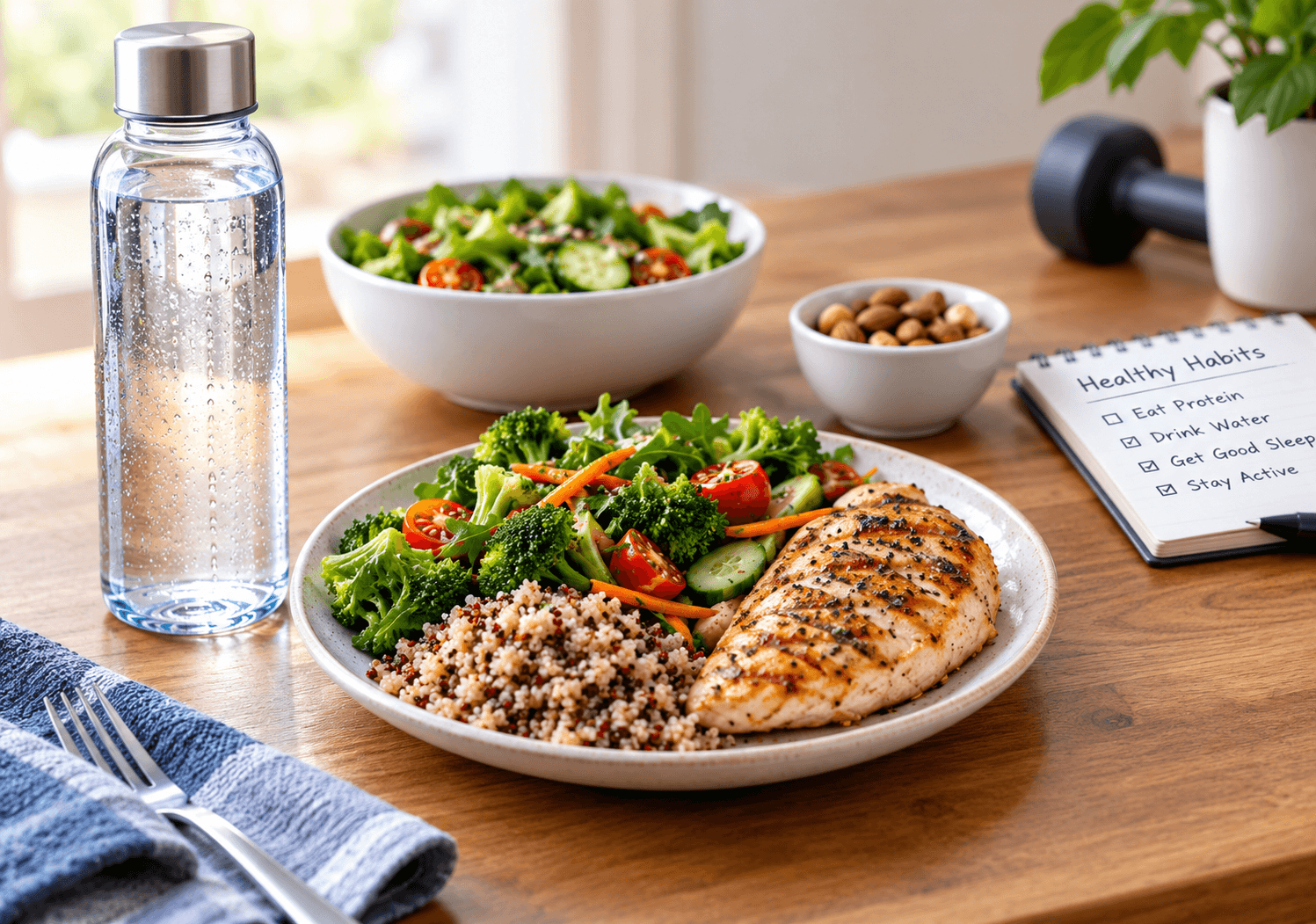
Starting a weight loss journey often means eating fewer calories than your body burns. This state is known as a calorie deficit. While it is the fundamental requirement for losing body fat, it frequently triggers a biological pushback. Your body is wired to protect its energy stores, which is why hunger signals amplify. Learning how to manage cravings during a calorie deficit is the most critical skill for long-term dietary adherence and sustainable results.
You do not have to white-knuckle your way through constant hunger. By leveraging specific nutritional, behavioral, and lifestyle strategies, you can regulate your hunger hormones and stay on track. This guide provides practical, evidence-based methods to help you control hunger while cutting, ensuring your weight loss journey is effective and manageable.
Quick Answer
How to manage cravings during a calorie deficit: Prioritize high-protein and high-fiber foods to increase satiety, drink 16–20 oz (470–590 ml) of water before meals, and optimize your sleep to balance ghrelin and leptin hormones. Incorporate resistance training, practice mindful eating, and consider evidence-based supplements like glucomannan to further reduce appetite without extreme restriction.
The Science of Hunger: Why Cravings Happen
To effectively control hunger while cutting, you must understand the biological drivers behind it. Hunger is not a failure of willpower; it is a complex hormonal response. Two primary hormones govern your appetite: ghrelin and leptin.
Ghrelin is often called the “hunger hormone.” It is produced mainly in the stomach and signals your brain that it is time to eat. Leptin, produced by fat cells, signals fullness and energy sufficiency to the brain. When you enter a calorie deficit, your body fat decreases, causing leptin levels to drop. Simultaneously, ghrelin levels rise to encourage you to eat and restore energy balance.
Research published in the Annals of Internal Medicine confirms that sleep curtailment and caloric restriction significantly elevate ghrelin and reduce leptin, directly increasing hunger and appetite (Spiegel et al., 2004). Understanding this biological reality removes the guilt associated with cravings. Your goal is not to eliminate hunger entirely, but to manage it strategically using the ten evidence-based methods detailed below.
10 Evidence-Based Strategies on How to Manage Cravings During a Calorie Deficit
1. Prioritize Protein Intake at Every Meal
Protein is the most satiating macronutrient. It reduces levels of the hunger hormone ghrelin while boosting peptide YY, a hormone that makes you feel full. Furthermore, protein has a high thermic effect of food (TEF), meaning your body burns more calories digesting it compared to fats or carbohydrates.
A critical review in the Journal of the American College of Nutrition highlights that high-protein diets significantly enhance satiety and promote weight loss (Halton & Hu, 2004). To apply this, aim for 0.8 to 1 gram of protein per pound (1.8 to 2.2 grams per kg) of your target body weight daily. Distribute this evenly across 3 to 4 meals.
Coach’s Tip: Start your day with 30 to 40 grams of protein. A breakfast of three whole eggs with egg whites and spinach stabilizes blood sugar and prevents mid-morning sugar cravings. Learn more about how protein helps control hunger during your weight loss phase.
2. Maximize Dietary Fiber, Especially Soluble Fiber
Fiber adds bulk to your meals without adding significant calories. Soluble fiber, in particular, absorbs water in the digestive tract to form a thick, viscous gel. This gel slows down stomach emptying and the digestion and absorption of nutrients, leading to a prolonged feeling of fullness.
A systematic review and meta-analysis demonstrated that increased dietary fiber intake significantly improves satiety and reduces body weight (Clark & Slavin, 2013). Aim for 25 to 35 grams of fiber daily. Excellent sources include oats, chia seeds, legumes, broccoli, and apples. If you struggle to hit this target through food alone, research shows that dietary fiber helps with appetite and weight management when used as a supplement.
3. Master Strategic Hydration
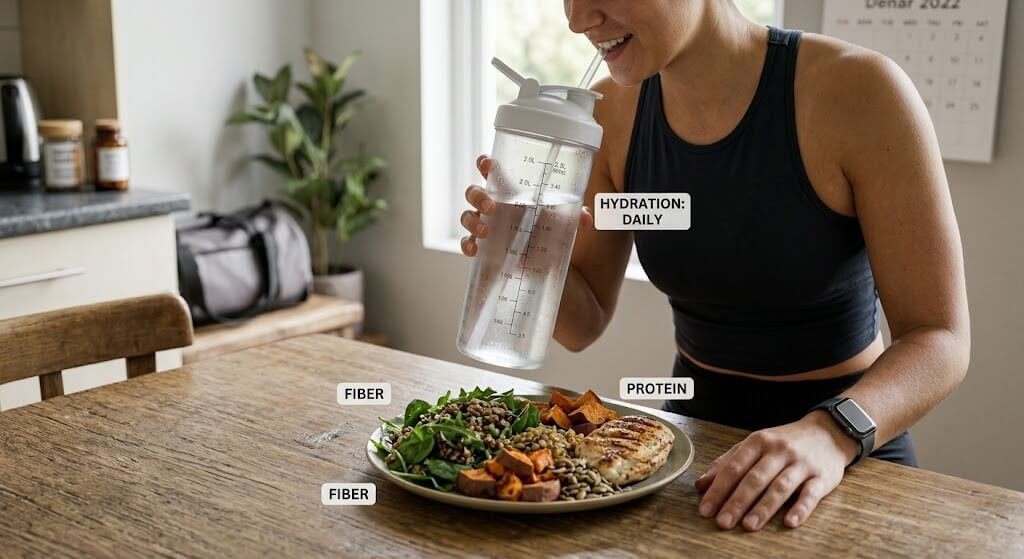
The brain often confuses thirst signals with hunger signals. A mild state of dehydration can manifest as a craving for snacks, particularly salty or sweet foods. Drinking water before meals is a simple, zero-calorie intervention that physically stretches the stomach, triggering stretch receptors that signal fullness to the brain.
A study published in Obesity found that middle-aged and older adults who drank 16.9 oz (500 ml) of water before each main meal lost 44% more weight over 12 weeks than those who did not (Dennis et al., 2010). Make it a habit to drink 16 to 20 oz (470 to 590 ml) of water 20 to 30 minutes before every meal. Keep a 32 oz (950 ml) water bottle at your desk to ensure consistent hydration throughout the day.
4. Optimize Sleep Hygiene to Balance Hunger Hormones
Sleep is a non-negotiable pillar of weight management. When you are sleep-deprived, your body produces more ghrelin and less leptin. This hormonal shift creates intense cravings, specifically for high-calorie, carbohydrate-dense, and sugary foods, as your brain seeks quick energy to combat fatigue.
Adults should aim for 7 to 9 hours of quality sleep per night. To improve sleep hygiene, maintain a consistent sleep schedule, keep your bedroom cool (around 65°F or 18°C), and avoid screens for at least 60 minutes before bed. Understanding how sleep affects metabolism and weight management is crucial for anyone trying to control appetite naturally.
5. Incorporate Regular Resistance Training
While cardio burns calories during the activity, resistance training builds and preserves lean muscle mass. Muscle tissue is metabolically active, meaning it burns more calories at rest than fat tissue. Preserving muscle during a calorie deficit prevents the severe metabolic adaptation that often leads to rebound hunger and weight regain.
Aim for 3 to 4 resistance training sessions per week. Focus on compound movements like squats, deadlifts, bench presses, and rows. Perform 3 sets of 8 to 12 repetitions for each exercise, resting 60 to 90 seconds between sets. This stimulus signals your body to retain muscle, supporting your efforts to increase metabolism naturally for weight loss.
Common Mistake: Doing hours of steady-state cardio while drastically cutting calories. This approach accelerates muscle loss, crashes your metabolic rate, and makes cravings nearly impossible to manage. Prioritize lifting weights over excessive cardio.
6. Practice Mindful Eating and the 20-Minute Rule
It takes approximately 20 minutes for your stomach to send fullness signals to your brain. If you eat rapidly, you can easily consume a surplus of calories before your brain registers that you are full. Mindful eating involves paying full attention to the experience of eating, without distractions like television or smartphones.
To apply this, set a timer for 20 minutes during your meals. Chew each bite thoroughly, put your fork down between bites, and assess your hunger level on a scale of 1 to 10. Stop eating when you reach a 7 (comfortably full, not stuffed). This practice helps you distinguish between physical hunger (a gradual rumbling in the stomach) and psychological hunger (a sudden, specific craving triggered by stress or boredom).
7. Utilize Volume Eating Principles
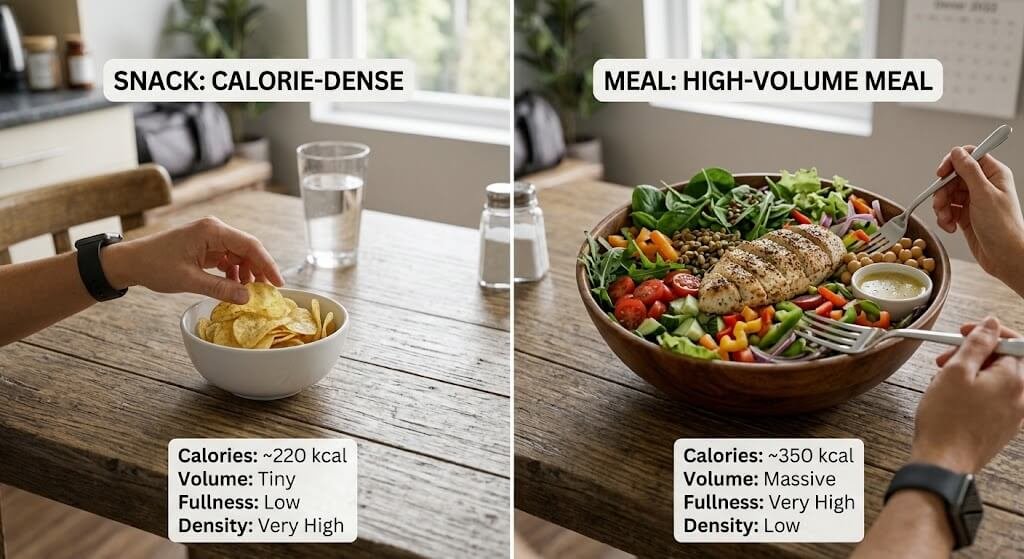
Volume eating focuses on consuming foods that are large in physical size but low in caloric density. This allows you to eat visually satisfying, large portions while staying within your calorie deficit. The physical stretching of the stomach is a powerful mechanical signal for satiety.
Fill half your plate with non-starchy vegetables like spinach, zucchini, cauliflower, and bell peppers. These foods are high in water and fiber but very low in calories. For example, 2 cups of raw spinach contain only about 14 calories, whereas 2 tablespoons of peanut butter contain nearly 190 calories. Choosing the spinach provides massive volume to keep you full, supporting better dietary adherence.
8. Manage Stress and Cortisol Levels
Chronic stress elevates cortisol, a hormone that promotes fat storage, particularly in the abdominal region, and drives cravings for “comfort foods” high in sugar and fat. Emotional eating is a major obstacle when learning how to manage cravings during a calorie deficit.
Implement daily stress-reduction techniques. This does not have to be complicated. Ten minutes of deep breathing exercises, a 15-minute walk outside (aiming for 1 mile or 1.6 km), or journaling can significantly lower cortisol levels. If you feel a stress-induced craving coming on, delay the decision to eat by 10 minutes and drink a glass of water or tea. Often, the urge will pass.
9. Implement Strategic Meal Timing
Going too long without eating can cause blood sugar levels to drop, leading to hypoglycemia. This triggers intense, urgent cravings and often results in overeating or bingeing at the next meal. While intermittent fasting works for some, others find that regular meal timing provides better hunger control.
If you experience severe mid-afternoon crashes, do not force a 16-hour fast. Instead, eat balanced meals every 3 to 4 hours. Each meal should contain a balance of protein, fiber, and healthy fats to ensure a slow, steady release of glucose into the bloodstream. This prevents the insulin spikes and subsequent crashes that drive sugar cravings.
10. Consider Evidence-Based Appetite-Suppressing Supplements
Whole foods and lifestyle habits should always be your foundation. However, certain evidence-based supplements can provide a marginal, helpful edge in reducing appetite.
- Glucomannan: A natural, water-soluble dietary fiber extracted from the roots of the elephant yam. Studies show it can promote weight loss by increasing satiety and delaying stomach emptying (Onakpoya et al., 2011). Take 1 gram with 16 oz (470 ml) of water 30 minutes before meals. Research confirms does glucomannan reduce hunger effectively when used correctly.
- Psyllium Husk: Another excellent source of soluble fiber. Evidence suggests that psyllium husk can help you feel full before meals, reducing overall calorie intake.
- Green Tea Extract: Contains catechins (EGCG) and a modest amount of caffeine, which may slightly enhance fat oxidation and promote satiety. Research explores whether green tea extract can boost metabolism or suppress appetite, showing mild but positive effects.
Common Mistake: Relying on “fat burner” pills loaded with proprietary stimulant blends while ignoring protein intake and sleep. Supplements are the final 5% of the equation, not the foundation. Always ensure your baseline habits are solid first, and verify that the nutrients support normal energy metabolism safely.
How to Put These Strategies Into a Daily Routine
Knowing the strategies is one thing; applying them is another. Here is a sample daily schedule demonstrating how to manage cravings during a calorie deficit in a practical, real-world scenario.
| Time | Action | Strategy Applied |
| 7:00 AM | Wake up, drink 16 oz (470 ml) of water. | Strategic Hydration |
| 7:30 AM | Breakfast: 3 whole eggs, 1 cup spinach, 1 slice whole-grain toast. | High Protein, Fiber, Mindful Eating |
| 10:30 AM | Snack (if hungry): 1 apple with 1 tbsp almond butter. | Blood Sugar Management, Fiber |
| 12:30 PM | Drink 16 oz (470 ml) water. Wait 20 mins. | Pre-meal Hydration |
| 1:00 PM | Lunch: 6 oz (170g) grilled chicken breast, 2 cups mixed greens, 1/2 cup quinoa, vinaigrette. | Volume Eating, Protein, Fiber |
| 4:00 PM | 30-minute resistance training session (e.g., squats, rows, push-ups). | Resistance Training, Stress Relief |
| 6:30 PM | Dinner: 6 oz (170g) baked salmon, 1.5 cups roasted broccoli, 1/2 sweet potato. | Protein, Omega-3s, Volume |
| 9:30 PM | Wind down, no screens, prepare for 8 hours of sleep. | Sleep Hygiene, Cortisol Management |
Regression (Easier Version): If this feels overwhelming, start with just two changes: drink water before dinner and add one serving of vegetables to your largest meal. Master these before adding more. Progression (Harder Version): For advanced dieters hitting a plateau, incorporate a structured 14 to 16-hour intermittent fasting window, ensuring the eating window is packed with high-protein, high-fiber, and high-volume foods to compensate for the reduced time.
Safety Tips and Health Considerations
A calorie deficit is a powerful tool, but it must be applied safely. Extreme calorie restriction (e.g., eating under 1,200 calories per day for women or 1,500 for men without medical supervision) can lead to nutrient deficiencies, muscle loss, gallstones, and severe metabolic adaptation.
If you experience dizziness, chronic fatigue, hair loss, or an obsession with food, your deficit is too aggressive. Increase your daily intake by 200 to 300 calories immediately. Furthermore, individuals with a history of eating disorders, pregnant or postpartum women, and those with chronic medical conditions like diabetes or thyroid disorders should consult a healthcare provider before starting any calorie-restricted diet.

Frequently Asked Questions (FAQ)
Why am I so hungry in a calorie deficit?
Hunger in a deficit is a normal biological response. Your body senses an energy shortfall, causing ghrelin (the hunger hormone) to rise and leptin (the fullness hormone) to fall. This is your body’s evolutionary mechanism to protect its energy stores, not a personal failure.
How to stop late-night snacking while dieting?
Ensure you are eating enough protein and fiber during the day. Late-night cravings are often driven by daytime restriction or boredom. Try drinking herbal tea, brushing your teeth early, or going to bed 30 minutes earlier to remove the opportunity to snack.
What are the best foods to eat when hungry on a diet?
Focus on high-volume, low-calorie-density foods. Excellent choices include raw vegetables (carrots, cucumbers, bell peppers), broth-based soups, plain Greek yogurt, berries, and air-popped popcorn. These foods physically fill your stomach without blowing your calorie budget.
Does drinking water help with cravings?
Yes. The brain frequently misinterprets mild dehydration as hunger. Drinking 16 to 20 oz (470 to 590 ml) of water 20 to 30 minutes before a meal stretches the stomach, triggering satiety signals and reducing the total calories consumed during that meal.
Can lack of sleep cause food cravings?
Absolutely. Sleep deprivation disrupts the balance of appetite-regulating hormones. It increases ghrelin and decreases leptin, while also impairing the prefrontal cortex, the area of the brain responsible for impulse control. This combination makes high-sugar, high-fat foods much more tempting.
What supplements help with appetite control?
Evidence supports the use of viscous soluble fibers like glucomannan and psyllium husk, which expand in the stomach to promote fullness. Green tea extract may also offer mild appetite-suppressing and metabolic benefits. Always prioritize whole foods first.
Conclusion
Learning how to manage cravings during a calorie deficit is the defining factor between short-term dieting and long-term, sustainable fat loss. You do not need to rely on sheer willpower. By prioritizing protein and fiber, staying hydrated, optimizing your sleep, and lifting weights, you work with your body’s biology rather than against it.
Implement these ten evidence-based strategies gradually. Start by adding more protein to your breakfast and drinking water before your dinners. As these habits become second nature, layer in mindful eating and stress management. Remember, consistency beats perfection. Manage your hunger smartly, protect your muscle mass, and the results will follow.