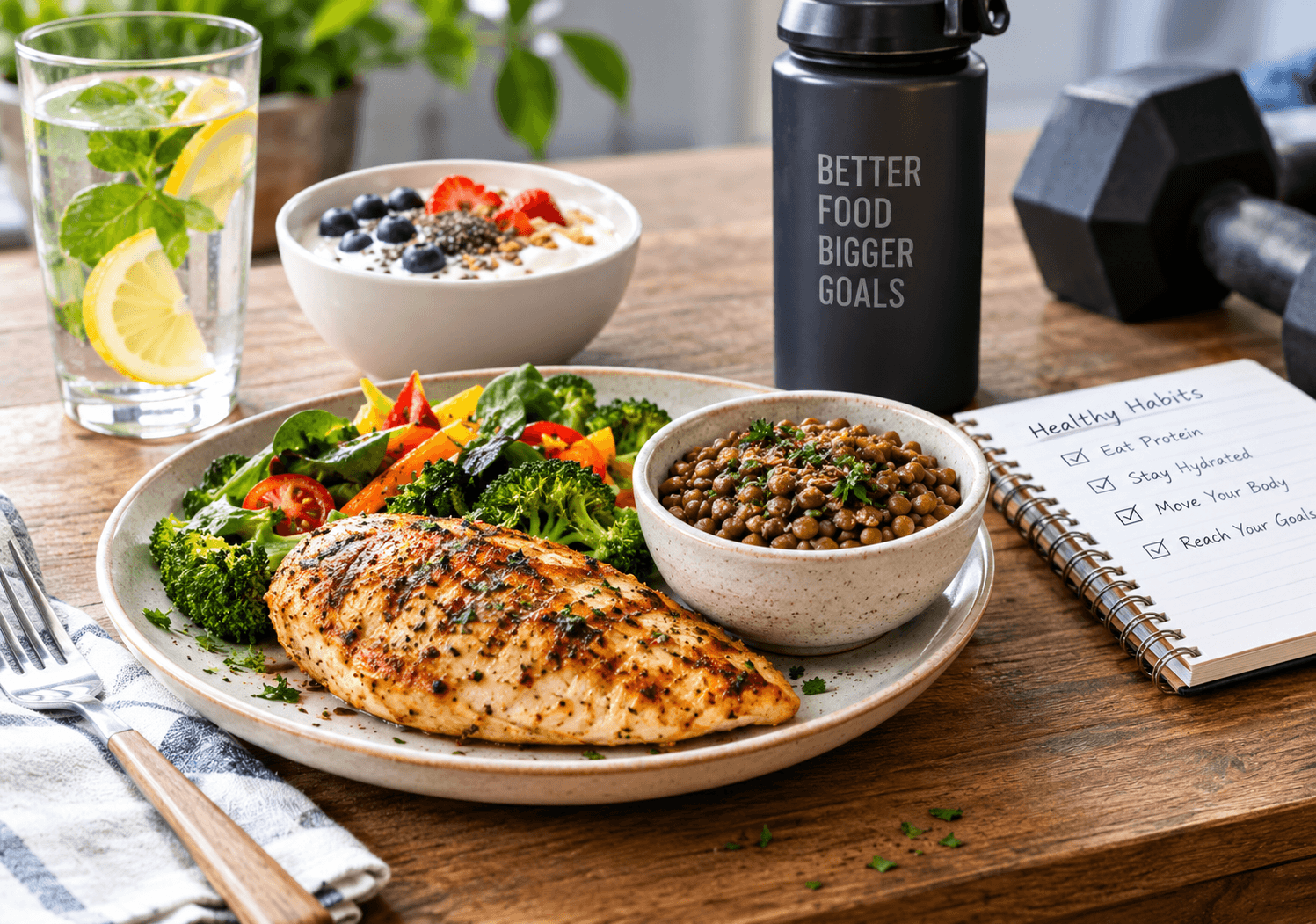
You’ve heard it in the gym, read it in every fitness magazine, and your coach won’t stop talking about it: “Eat more protein.” It’s often touted as the magic macronutrient for building muscle, but the conversation has shifted. Everyone wants to know the real score for fat loss. Does protein help with appetite control and weight management, or is it just hype for bodybuilders?
This isn’t just about looking good in a tank top (though that’s a nice bonus). Managing your weight is essential for overall health, energy levels, and long-term vitality. If you are constantly battling hunger, sticking to any plan becomes impossible. This coach’s guide will break down the evidence and give you a practical, no-nonsense game plan for using protein effectively to manage your body weight naturally.
Quick Answer Box
[QUICK ANSWER BOX: Does Protein Help with Appetite Control and Weight Management?] Yes, dietary protein is a highly effective tool for both appetite control and weight management. Research consistently shows that high-protein intake increases satiety (fullness) more than fats or carbs. It works by suppressing hunger hormones like ghrelin and boosting fullness hormones like PYY and GLP-1. Additionally, protein has a higher thermic effect, meaning your body burns more calories digesting it, further supporting your weight loss efforts naturally. [/QUICK ANSWER BOX]
How Protein Impacts Your Hunger Hormones
To really understand does protein help with appetite control, we have to look at what’s happening inside your body. Hunger isn’t just a “feeling”; it’s a powerful survival signal driven by complex hormonal cascades. Your stomach and your brain are constantly talking, and protein speaks their language fluently.
The Role of Ghrelin (The Hunger Hormone)
Ghrelin is often called the “hunger hormone.” It’s made in your stomach and signals your brain when it’s time to eat. When your stomach is empty, ghrelin levels rise. After you eat, they drop. Studies have shown that protein is more effective than either carbohydrates or fats at suppressing ghrelin levels after a meal. This suppression is a major reason why protein helps control hunger during weight loss.
Boosting Fullness Hormones (PYY and GLP-1)
On the other side of the hunger coin are hormones that tell you when you’re full, such as Peptide YY (PYY) and Glucagon-like Peptide-1 (GLP-1). When you eat protein, your gut releases more of these satiety hormones. The elevated levels of PYY and GLP-1 send strong “I’m satisfied” signals to your brain, making you want to stop eating sooner and feel full for a longer time after your meal. How protein intake affects hunger and fullness hormones is a critical mechanism.
Coach’s Tip: “I tell my clients to think of protein as their nutritional anchor. If you start your day with a high-protein breakfast, like an omelet or Greek yogurt, you’re basically setting a hormonal foundation that will keep hunger at bay for hours. It makes it much easier to avoid the mid-morning sugary snacks that derail so many weight loss efforts.”
Protein, Metabolism, and The Thermic Effect of Food (TEF)
Your metabolism is the engine that burns calories, and protein helps that engine run hotter. The process of digesting, absorbing, and transporting nutrients from food requires energy. This energy expenditure is known as the Thermic Effect of Food (TEF). Protein has a significantly higher TEF than both carbohydrates and fats.
While the TEF of carbohydrates is roughly 5-10% and fats are 0-3%, dietary protein has a TEF of 20-30%. This means if you eat 100 calories of protein, your body uses 20 to 30 of those calories just to process it. This metabolic boost is another key reason does protein help with appetite control and weight management.
Protein Intake, Metabolism, and Preserving Lean Mass
When you are in a calorie deficit for weight loss, your body doesn’t just burn fat; it also risks burning muscle tissue for energy. Losing muscle is exactly what you don’t want. Muscle is metabolically active, meaning it burns calories even when you are resting. Losing muscle slows your metabolic rate, making long-term weight management harder.
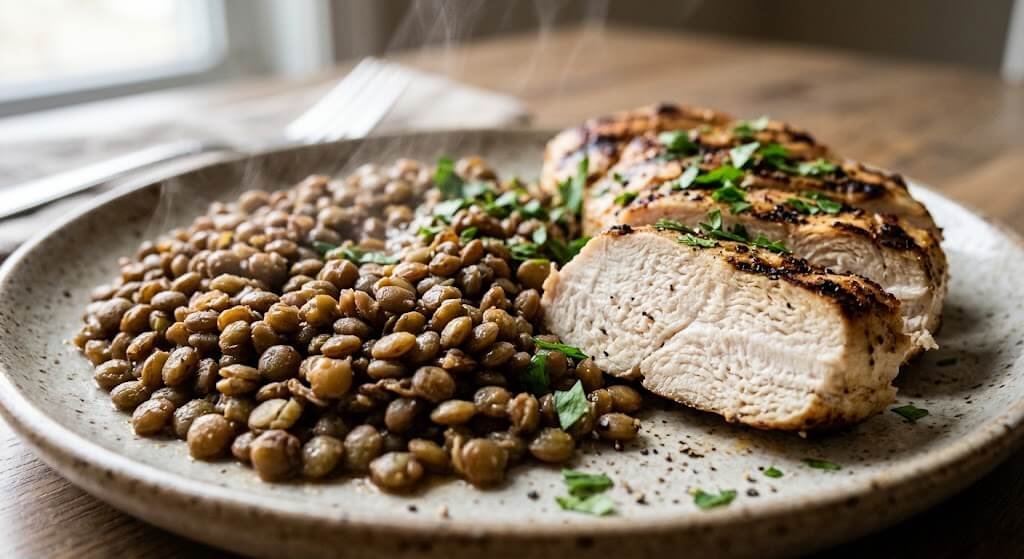
Maintaining a high protein intake is essential because it signals your body to preserve lean body mass (muscle) while primarily burning stored fat. This protein intake helps metabolism remain high during weight loss, making your deficit more effective. We will discuss later how combining protein with resistance training makes this preservation effect even stronger.
Common Mistake: “Many beginners only focus on cutting calories. They cut everything, including their protein. They lose weight, but a lot of it is muscle. They end up with a slower metabolism and often regain the weight (and then some) because their body now burns fewer calories daily.”
Managing Body Weight Naturally: The Satiety Advantage
The biggest challenge in weight loss is psychological. It’s hard to stay disciplined when you’re hungry. The primary way does protein help with appetite control and weight management is simply by making the calorie deficit easier to stick to.
This concept is often measured by the “satiety index,” a scale that ranks foods based on how full they make you feel. High-protein foods consistently rank at the top of this list. When you prioritize protein, you get several specific advantages for managing body weight naturally:
- Reduced Overall Calorie Intake: Because protein makes you feel fuller, you naturally tend to eat fewer calories throughout the day, often without trying.
- Less Late-Night Snacking: High-protein intake during the day, especially at dinner, can significantly reduce cravings and the urge to snack late at night.
- Better Glycemic Control: Protein helps slow the absorption of carbohydrates, which prevents rapid spikes and crashes in blood sugar. These blood sugar crashes often trigger intense hunger and cravings for sugary, high-calorie foods.
How Protein Compares for Fullness
| Macronutrient | Satiety Level | Main Mechanism |
| Protein | High | Suppresses ghrelin, boosts PYY/GLP-1, slow digestion |
| Fats | Moderate | Slows gastric emptying (delays stomach emptying) |
| Carbohydrates | Variable | Fiber increases fullness; refined carbs (sugar) can cause crashes |
Practical Ways Protein Helps Control Hunger During Weight Loss
Now that you know the science, let’s get practical. How do you actually use this information to reach your goals? The easiest way to maximize protein’s effects is to focus on controlling cravings with protein at every opportunity. Here are the coach’s top actionable steps.
1. The High-Protein Breakfast
You’ve heard that breakfast is the most important meal, and for appetite control, that’s absolutely true. A high-protein breakfast significantly outperforms a high-carb breakfast for suppressing hunger and reducing subsequent calorie intake. When you start your day with protein, you reduce your chances of experiencing a mid-morning energy crash and the intense hunger that follows.
- Try: A 3-egg omelet with spinach and mushrooms, or 1 cup (227g) of non-fat Greek yogurt topped with berries and 1 tbsp of chia seeds. These breakfasts provide about 20-30g of high-quality complete protein.
2. Prioritize Protein at Every Meal
Don’t save your protein for a massive steak at dinner. For best results, distribute your protein intake relatively evenly throughout the day. This provides a steady stream of amino acids to support muscle synthesis and ensures your satiety hormones are being triggered regularly.
Simple Rule: Make protein the “star” of your plate. When planning a meal, first decide on your protein source (chicken, fish, tofu, etc.), and then fill in the rest with vegetables and complex carbohydrates.
A Sample “Protein-Prioritized” Meal Structure
| Meal | Example Structure | Est. Protein (g) |
| Breakfast | Greek yogurt with seeds | 25g |
| Lunch | Large salad with grilled chicken breast | 30g |
| Snack | Protein shake or cottage cheese | 20g |
| Dinner | Baked salmon with asparagus and quinoa | 35g |
3. Use High-Protein Snacks
Snacking is often where weight loss plans fall apart. Many common snack foods (chips, crackers, cookies) are high in calories and carbs but very low in protein or fiber. They do almost nothing to trigger fullness and often leave you hungrier than you were before.
Swap out these low-nutrient snacks for high-protein alternatives. This is an excellent area where protein powder can help control hunger between meals. A simple shake made with water or milk can provide 20-25g of protein with minimal extra calories, effectively bridging the gap until your next main meal.
Other great high-protein snacks include:
- 1 cup (227g) of Cottage Cheese: A massive 25g of protein.
- 2 Hard-Boiled Eggs: A convenient and complete protein source (12g protein).
- 1 oz (28g) of Almonds or Walnuts: A mix of healthy fats and protein (about 6g protein).
- Edamame (Steamed Soybeans): High in both fiber and protein (1 cup/155g = 18g protein).
Real-World Experience: High-Protein Intake and Resistance Training
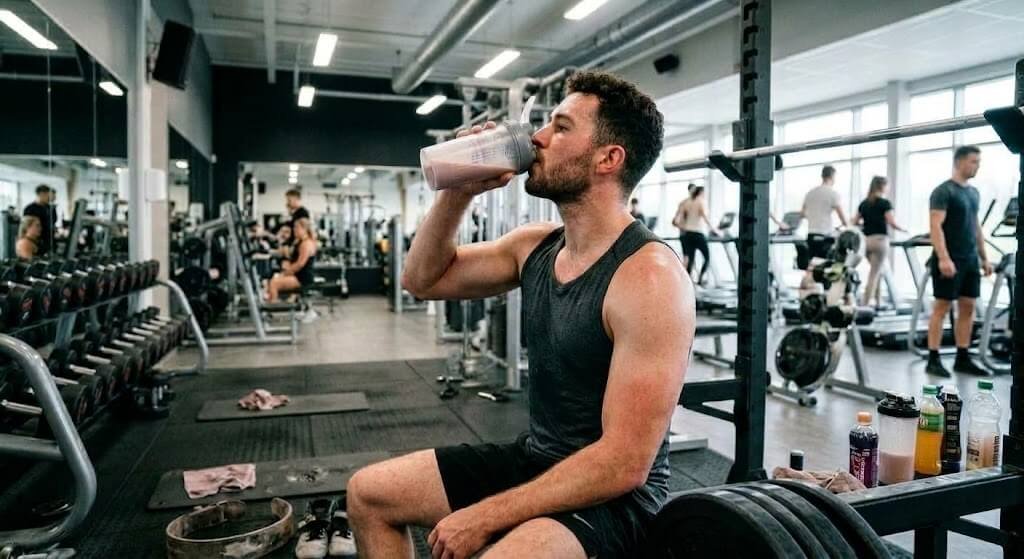
As a strength coach, I’ve seen this combination work wonders. Dietary changes alone are good, but when you combine a high-protein diet with resistance training (lifting weights), the results are exponentially better.
The Synergistic Effect
- Maximum Muscle Preservation: Resistance training provides the stimulus your muscles need to grow (or at least stay). Your high protein intake provides the necessary building blocks (amino acids). Together, they are highly effective at preventing the loss of lean body mass while in a calorie deficit.
- Increased Metabolic Rate: By maintaining (or even building) muscle mass, you keep your resting metabolic rate higher than it would be with diet alone. This makes it easier to maintain your weight loss in the long run.
- Improved Satiety (Maybe): While the evidence is mixed, some people report that consistent exercise, particularly strength training, actually helps regulate their appetite. It might be due to changes in hormonal sensitivity.
A Sample Resistance Training Approach for Beginners
You don’t need to live in the gym. A well-designed full-body routine performed 3 times per week is enough. Focus on large, compound movements.
The “Satiety Support” Full-Body Workout
| Exercise | Primary Muscles | Sets / Reps | Rest | Tempo | Coach’s Cues |
| 1. Goblet Squat | Quads, Glutes | 3 x 8-12 | 60 sec | 3:1:1:0 | “Hold weight tight; Chest high; Elbows inside knees.” |
| 2. Incline Dumbbell Press | Chest, Shoulders | 3 x 8-12 | 60 sec | 2:1:1:0 | “Squeeze your shoulder blades together; Drive through your elbows.” |
| 3. Dumbbell Romanian Deadlift | Hamstrings, Glutes | 3 x 10-15 | 60 sec | 3:1:1:1 | “Hinge at the hips; Keep your back flat; Feel the stretch.” |
| 4. Seated Cable Row | Back (Lats, Traps) | 3 x 10-15 | 60 sec | 2:1:2:1 | “Sit up tall; Pull your elbows back; Pause and squeeze.” |
| 5. High Plank | Core | 3 x 30-60 sec | 30 sec | N/A | “Body in a straight line; Squeeze your glutes; Push the ground away.” |
Note: For weights, beginners should choose a load where the last 2-3 reps are challenging but still allow for perfect form.

Who Should Be Careful with High-Protein Intake?
While generally safe for most healthy people, certain groups should approach extremely high-protein diets with caution and should always consult with their doctor or a registered dietitian first.
- Individuals with Pre-existing Kidney Disease: This is the most critical group. The kidneys are responsible for filtering the byproducts of protein metabolism. If your kidney function is already impaired, the extra load could potentially cause further damage. A moderate or even low-protein diet is sometimes recommended under medical supervision.
- Individuals with Specific Metabolic Disorders: Certain rare disorders of amino acid metabolism (like PKU) require very specific, medically managed diets.
- Those with Gout: Some high-protein foods, particularly certain meats and seafood, are high in purines, which can trigger gout flare-ups. This is highly individualized.
For Healthy Individuals
It’s important to clarify a common myth: there is no evidence that a high-protein diet damages healthy kidneys in adults. While high intake does increase the kidney’s workload, healthy kidneys adapt to this change just like your muscles adapt to heavy weights.
If you are a healthy adult, your main focus should be on getting your protein from diverse, whole-food sources and staying well-hydrated. Staying hydrated supports metabolism and helps your kidneys function at their best.
This article is for general information and is not a substitute for advice from a doctor or physical therapist.
Frequently Asked Questions
Can I get enough protein on a vegan or vegetarian diet for weight loss?
Absolutely. While animal products are very protein-dense, plant-based options are abundant. Excellent sources include lentils, beans, chickpeas, tofu, tempeh, edamame, seitan, quinoa, chia seeds, hemp seeds, and nutritional yeast. Many vegan athletes and beginners successfully manage their weight by combining these sources. Plant-based protein can be just as effective for satiety.
What’s the best type of protein powder for appetite control?
All protein powders can help control hunger because they are pure protein. However, casein protein (derived from milk) is known to digest very slowly, clotting in the stomach and providing a very steady, prolonged release of amino acids. Many people find casein keeps them fuller for longer than faster-digesting sources like whey. Soy protein and pea protein are great plant-based alternatives with good digestibility and satiety profiles.
Is it possible to eat too much protein?
Yes, you can overdo anything. While “too much” won’t likely damage healthy kidneys, consuming more protein than your body needs will eventually lead to those excess calories being stored as fat, defeating the purpose of a high-protein diet for weight loss. For most active adults, a protein intake of 0.8–1.0g per lb of body weight (1.6–2.2g per kg) is a safe and effective upper range for weight management.
Does a high-protein diet work better than a high-fat/low-carb diet for weight loss?
Head-to-head, high-protein diets often outperform high-fat/low-carb (like standard keto) or high-carb/low-fat diets, especially when calories are not restricted by the study. This is likely because the automatic, natural reduction in calories caused by protein’s superior satiety is more powerful than any other metabolic shift. The best diet for you is always the one you can stick to, but maximizing protein makes any plan easier to follow.
How do I stop the “keto-flu” when starting a high-protein diet?
This usually isn’t from the protein itself but from the drop in carbs, which is common. When you cut carbs, your body loses a lot of water and electrolytes (like sodium and potassium). This causes headaches, fatigue, and brain fog. The best “cure” is to drastically increase your water and salt intake for the first 1-2 weeks. You might also find that supplementing with electrolytes or exogenous ketones helps ease the transition.
Conclusion
The evidence is clear: does protein help with appetite control and weight management? Yes, it is one of the most effective and powerful natural tools we have. By prioritizing protein at every meal, particularly at breakfast, and strategically using high-protein snacks, you directly impact your key hunger hormones, boost your metabolic rate, and naturally reduce your calorie intake without feeling deprived.
Think of protein as your foundational tool, not a fancy extra. Make it the star of your plate, combine it with regular resistance training, and you’ll find that managing your weight naturally becomes a much less difficult, and a much more sustainable process. Take action on just one tip from this guide today. Start with a high-protein meal tomorrow and see how different you feel. You’ve got this!