Do metabolism supplements help with weight loss? This is one of the most frequent questions I hear from clients staring at a crowded shelf of fat burners and thermogenics. The short, evidence-based answer is yes, but with major caveats. They are not magic pills. They work best as a minor addition to a solid foundation of nutrition, resistance training, and adequate sleep. If you are looking for a shortcut, this guide will save you time and money. If you want an evidence-based edge, we will break down exactly how these supplements interact with your basal metabolic rate, which ingredients actually have clinical backing, and how to build a sustainable routine.
Quick Answer
Do metabolism supplements help with weight loss? Yes, but only marginally. Ingredients like caffeine, green tea extract, and glucomannan may slightly increase energy expenditure or suppress appetite. However, they cannot replace a calorie deficit, adequate protein intake, and regular resistance training. Think of them as a 5% boost, not a 50% solution.
The Science of Metabolism: How Your Body Burns Calories
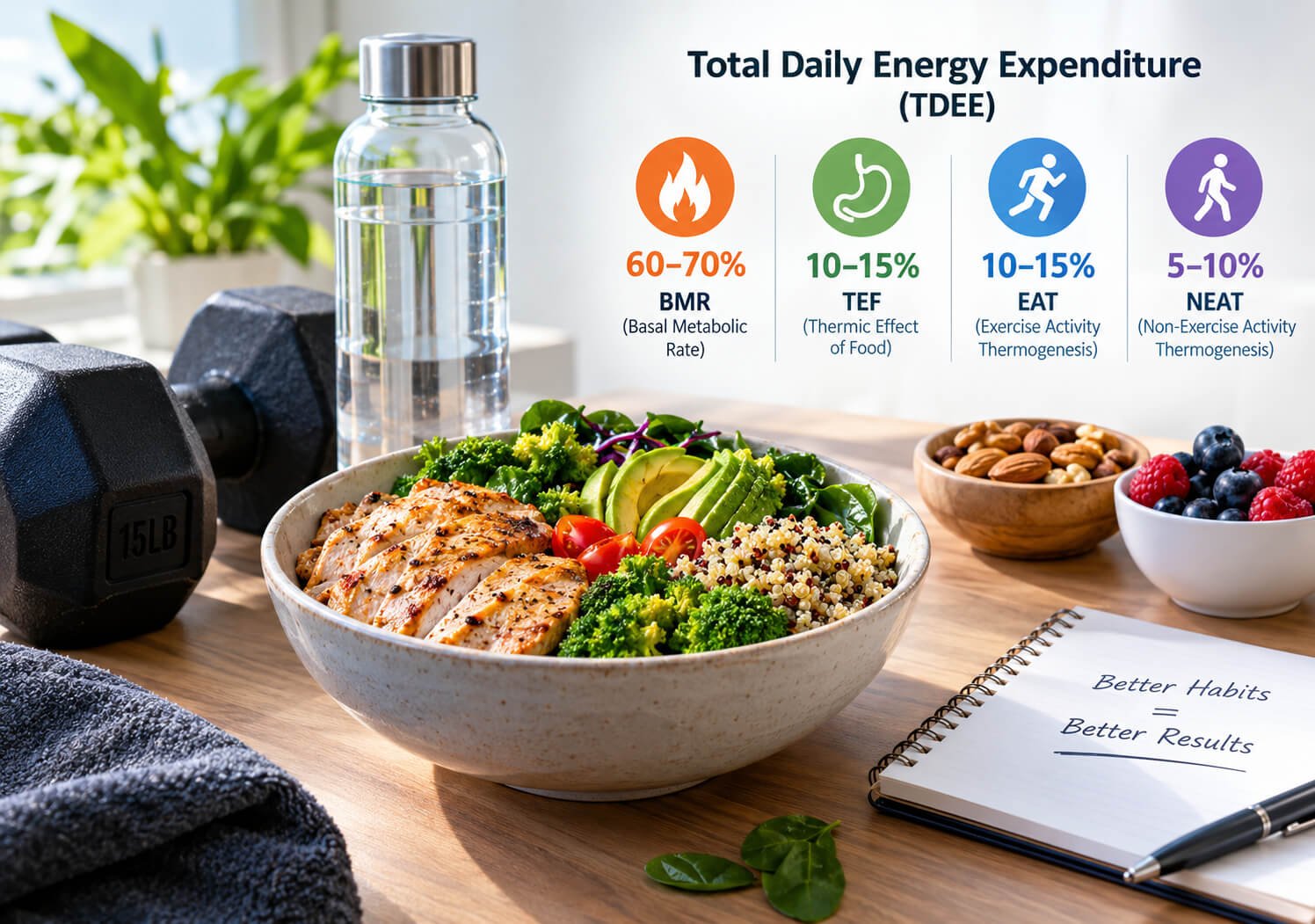
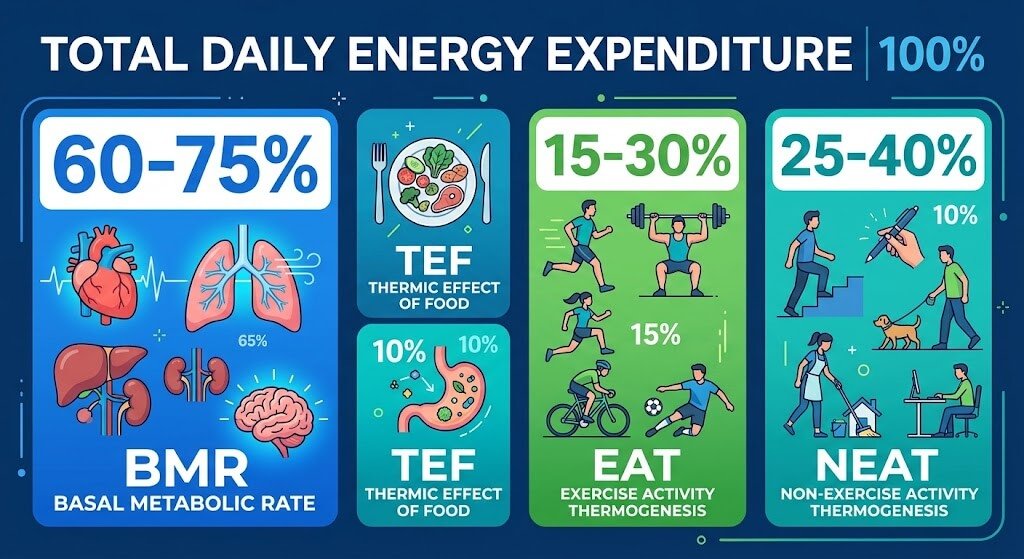
Before buying any supplement, you must understand how your body burns energy. Your total daily energy expenditure (TDEE) is made up of four main components.
First is your Basal Metabolic Rate (BMR). This is the energy your body needs just to stay alive at rest, accounting for about 60-70% of your daily calorie burn. Second is the Thermic Effect of Food (TEF), which is the energy required to digest and process nutrients. Protein has the highest TEF, burning 20-30% of its own calories during digestion.
Third is Exercise Activity Thermogenesis (EAT), which includes your structured gym sessions. Finally, Non-Exercise Activity Thermogenesis (NEAT) covers all other movement, like walking, fidgeting, or doing chores. Understanding what is thermogenesis and how does it affect metabolism is critical because most supplements only target a tiny fraction of your TDEE.
When you drastically cut calories to lose weight, your body adapts. Your BMR drops, and your NEAT naturally decreases as you feel more fatigued. This is called metabolic adaptation. The goal of any weight loss strategy is to preserve lean muscle mass to keep your BMR as high as possible while losing fat.
Do Metabolism Supplements Help with Weight Loss? The Core Answer
The supplement industry is worth billions, and marketing claims often outpace scientific reality. When we ask, do metabolism supplements help with weight loss, we must look at peer-reviewed clinical trials rather than anecdotal testimonials.
Research consistently shows that while certain ingredients can slightly elevate resting metabolic rate or reduce hunger, the actual weight loss attributed solely to the supplement is modest. A comprehensive review of thermogenic compounds suggests they may increase daily energy expenditure by 50 to 150 calories. Over a month, this could theoretically translate to 1 to 2 pounds of additional fat loss, assuming diet and activity remain constant.
However, these effects are highly individual. Genetics, tolerance to stimulants, and baseline diet play massive roles. Furthermore, learning how to evaluate ingredients in weight management supplements a coach’s guide reveals that many commercial blends under-dose the active ingredients while over-dosing cheap fillers.
Supplements should never be viewed as a replacement for a calorie deficit. You cannot out-supplement a poor diet. They are best used as a tool to slightly enhance the results of an already well-structured fitness and nutrition plan.
Top Metabolism Supplement Ingredients Analyzed
Not all metabolism boosters are created equal. Below is a breakdown of the most researched ingredients, their mechanisms, and their practical value.
1. Caffeine
Caffeine is a central nervous system stimulant that temporarily increases metabolic rate and enhances fat oxidation. It works by blocking adenosine receptors, which increases the release of neurotransmitters like norepinephrine.
- Evidence Level: High. Numerous studies confirm its acute metabolic-boosting effects.
- Coach’s Take: Effective for pre-workout energy and a slight metabolic bump. However, tolerance builds quickly. Cycling caffeine (e.g., 2 weeks on, 1 week off) helps maintain its effectiveness.
2. Green Tea Extract (EGCG)
Epigallocatechin gallate (EGCG) is the primary active catechin in green tea. When combined with caffeine, it may inhibit the enzyme that breaks down norepinephrine, prolonging the fat-burning signal. If you want to know more about does green tea extract boost metabolism or suppress appetite, the research points to a mild but measurable effect.
- Evidence Level: Moderate. Meta-analyses show small but statistically significant increases in fat oxidation.
- Coach’s Take: A solid, non-jittery alternative to high-dose caffeine. Look for extracts standardized to at least 50% EGCG.
3. Glucomannan
This is a natural, water-soluble dietary fiber extracted from the roots of the elephant yam. It absorbs water and becomes a gel-like substance in your gut, promoting a feeling of fullness. Studies on can dietary fiber help with appetite and weight management what the research shows highlight its role in reducing overall calorie intake.
- Evidence Level: Moderate to High for appetite suppression; low for direct metabolic increase.
- Coach’s Take: Excellent for hunger control. It must be taken with a large glass of water (at least 8 oz) 30 minutes before meals to work properly and avoid choking hazards.

4. Berberine
Often called “nature’s Ozempic” in popular media, berberine is a compound found in several plants. It activates an enzyme called AMPK, which helps regulate metabolism and improve insulin sensitivity. Research on berberine shows it can be as effective as some pharmaceutical drugs in managing blood sugar levels.
- Evidence Level: Moderate for metabolic health and blood sugar; emerging for direct weight loss.
- Coach’s Take: Best for individuals with insulin resistance or prediabetes. It is not a stimulant, so it does not cause jitters, but it can cause digestive upset in some users.
5. Exogenous Ketones (BHB)
Beta-hydroxybutyrate (BHB) salts are marketed to put the body into ketosis without a strict ketogenic diet. While they can suppress appetite and provide a quick source of brain energy, the evidence on whether they directly burn body fat is mixed. Understanding bhb powder benefits and side effects is crucial before investing.
- Evidence Level: Low for direct fat loss in non-keto dieters; moderate for appetite suppression.
- Coach’s Take: Useful for curbing cravings during a fast or transitioning to a keto diet, but they are expensive and do not magically melt fat on a high-carb diet.
How to Apply It: The 3-Pillar Metabolism Routine
Supplements are the cherry on top. The cake is built on three pillars: nutrition, training, and lifestyle. Here is how to structure your week for maximum metabolic support.
Pillar 1: Strategic Nutrition
Your diet dictates your metabolic environment. Prioritize protein and fiber.
- Protein: Aim for 0.8 to 1 gram of protein per pound of body weight daily. For a 150 lb (68 kg) individual, this is 120-150 grams of protein. This preserves muscle and maximizes the thermic effect of food. Learn more about how protein intake affects metabolism and weight loss.
- Fiber: Target 25-35 grams of fiber daily from vegetables, legumes, and whole grains to stabilize blood sugar and prolong satiety.
Pillar 2: Resistance Training and NEAT
Muscle tissue is metabolically active. The more lean muscle you have, the higher your resting metabolic rate.
- Workout Structure: Perform full-body resistance training 3 days per week.
- Sample Exercise: Goblet Squats. Hold a 25 lb (11.3 kg) dumbbell at chest height. Perform 3 sets of 10-12 reps. Use a 2-1-2 tempo: 2 seconds lowering, 1 second pause at the bottom, 2 seconds pushing up. Rest 60-90 seconds between sets.
- NEAT Goal: Walk 8,000 to 10,000 steps daily. This is roughly 4 to 5 miles (6.4 to 8 km) and can burn an extra 200-400 calories without spiking hunger like intense cardio does.
Pillar 3: Recovery and Sleep
Poor sleep disrupts hunger hormones, increasing ghrelin (hunger) and decreasing leptin (fullness). Chronic sleep deprivation also reduces insulin sensitivity. Understanding how does sleep affect metabolism weight management is just as important as your workout plan. Aim for 7-9 hours of quality sleep per night.
Coach’s Tip
Track your baseline first. Before adding any supplement, track your weight, waist measurements, and energy levels for two weeks. This gives you a clear baseline to see if the supplement is actually moving the needle or just causing temporary water fluctuations.
Common Mistake
The “More is Better” Trap. Taking double the recommended dose of a thermogenic supplement does not double fat loss. It often leads to elevated heart rate, anxiety, and disrupted sleep. Poor sleep raises cortisol, which actively hinders fat loss and promotes abdominal fat storage.

Safety Notes and Who Should Be Careful
While many metabolism supplements are safe for healthy adults, they are not risk-free. Stimulant-based fat burners can cause palpitations, elevated blood pressure, and anxiety.
You should avoid metabolism supplements or consult a physician first if you:
- Have a history of cardiovascular disease, high blood pressure, or arrhythmias.
- Are pregnant, breastfeeding, or trying to conceive.
- Have thyroid disorders, as some ingredients can interfere with thyroid hormone absorption.
- Take prescription medications, especially antidepressants (MAOIs), blood thinners, or diabetes medications, due to potential interactions (e.g., berberine can amplify the effects of diabetes drugs, causing hypoglycemia).
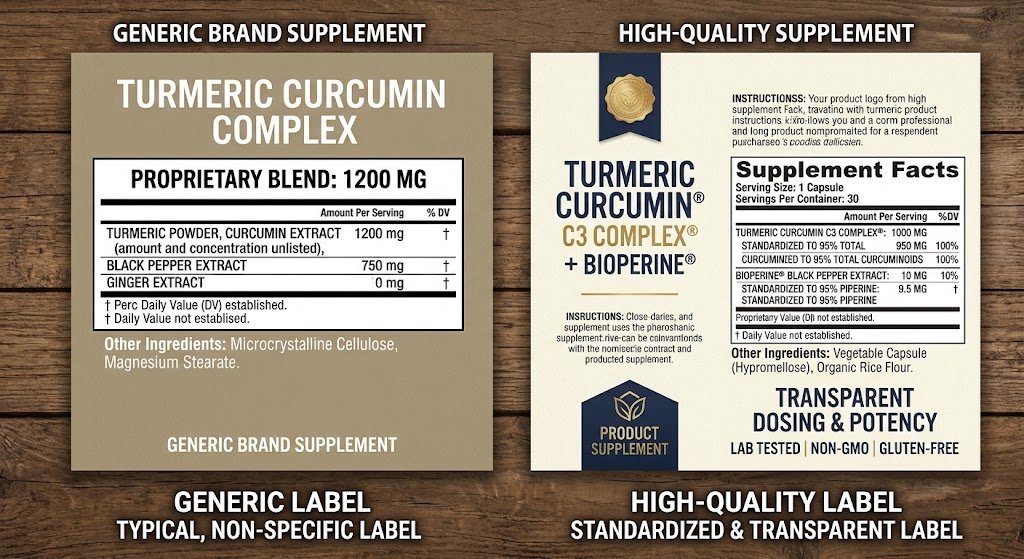
Always choose supplements that are third-party tested by organizations like NSF Certified for Sport, Informed-Choice, or USP. This ensures the product contains what the label claims and is free from harmful contaminants. Remember that the FDA does not approve dietary supplements for safety or effectiveness before they hit the market.
Frequently Asked Questions (FAQ)
Do metabolism boosters actually work for weight loss?
Yes, but the effect is small. Clinical studies show that ingredients like caffeine and green tea extract may increase daily calorie burn by 50-150 calories. This can support weight loss over time, but only when combined with a consistent calorie deficit and regular exercise.
What are the best natural ways to increase metabolism?
The most effective natural methods are building lean muscle mass through resistance training, eating adequate protein to increase the thermic effect of food, staying hydrated, and prioritizing 7-9 hours of quality sleep per night to regulate metabolic hormones.
Are thermogenic supplements safe for long-term use?
Not always. Long-term use of high-stimulant thermogenics can lead to adrenal fatigue, increased tolerance, elevated resting heart rate, and sleep disruption. It is best to cycle stimulants or rely on non-stimulant options like fiber or green tea extract for sustained use.
Can dietary supplements replace a calorie deficit?
No. Supplements cannot override the laws of thermodynamics. If you consume more calories than you burn, you will not lose weight, regardless of the supplements you take. A calorie deficit remains the absolute foundation of weight loss.
Do metabolism pills have side effects?
They can. Common side effects include jitters, anxiety, digestive upset, nausea, and insomnia. Stimulant-free options like glucomannan may cause bloating or gas if you do not drink enough water with them. Always start with a half dose to assess tolerance.
How much weight can you lose with metabolism supplements?
Realistically, supplements might contribute to an extra 1 to 3 pounds of weight loss over a 2-3 month period compared to diet and exercise alone. Any product promising rapid, dramatic weight loss is likely relying on water weight manipulation or unsafe ingredients.
Conclusion
So, do metabolism supplements help with weight loss? The evidence says yes, but only as a minor supporting actor, not the star of the show. Ingredients like caffeine, green tea extract, and glucomannan can provide a slight edge in energy expenditure or appetite control. However, they are entirely ineffective without the foundational habits of a moderate calorie deficit, sufficient protein intake, regular resistance training, and quality sleep.
Before spending money on the latest fat burner, evaluate your daily habits. Optimize your training, prioritize whole foods, and manage your stress. If you choose to use a supplement, do your research, pick a third-party tested product, and monitor how your body responds. Sustainable weight management is a marathon, not a sprint, and your daily habits will always outperform any pill.