
If you have ever asked yourself, “Why am I tired when trying to lose weight,” you are not alone. This is one of the most common frustrations I hear from clients starting their fitness journey. You are eating better, moving more, and doing everything “right,” yet you feel completely drained. This fatigue is not a sign of weakness. It is a predictable physiological response to the changes you are making.
When you create a caloric deficit, your body undergoes several metabolic and hormonal shifts. These changes can temporarily reduce your energy availability. The good news is that diet-related fatigue is highly manageable. By understanding the root causes, you can adjust your nutrition, training, and recovery to maintain high energy levels while still losing fat. This guide breaks down the exact science behind weight loss fatigue and provides actionable, coach-approved strategies to get your energy back.
Quick Answer
You feel tired during weight loss primarily due to glycogen depletion, hormonal shifts (like increased cortisol and decreased leptin), and potential micronutrient or hydration deficits. To fix this, moderate your caloric deficit, prioritize protein and complex carbohydrates, optimize sleep, and avoid overtraining with strategic resistance exercise.
The Science Behind Diet Fatigue: Why Am I Tired When Trying to Lose Weight?
To solve the problem, we must first understand the biological mechanisms at play. Your body is designed for survival, and it perceives a sudden drop in energy intake as a potential threat. Here are the three primary scientific reasons you experience fatigue during a weight loss phase.
1. Glycogen Depletion and Lower Energy Availability
Carbohydrates are stored in your muscles and liver as glycogen, which is your body’s preferred and most efficient fuel source for high-intensity activity. When you reduce your overall calorie intake, you typically reduce your carbohydrate intake as well.
As your body burns through its glycogen stores to make up the energy deficit, those stores become depleted. Research from the Journal of the International Society of Sports Nutrition notes that low muscle glycogen is directly linked to perceived exertion and central nervous system fatigue (Thomas et al., 2016). Essentially, your body is running on a lower battery reserve, making every physical and mental task feel harder than usual.
2. Hormonal Shifts: Leptin, Ghrelin, and Cortisol
Weight loss triggers significant changes in your endocrine system. Leptin is the hormone responsible for signaling fullness and regulating long-term energy balance. When you lose body fat, leptin levels drop. This drop signals to your brain that energy stores are low, which can manifest as lethargy and increased hunger.
Simultaneously, ghrelin (the hunger hormone) increases. A study published in The American Journal of Clinical Nutrition demonstrated that caloric restriction elevates ghrelin and reduces leptin, creating a biological drive to conserve energy and seek food (Sumithran et al., 2011). Additionally, the physical stress of dieting and exercise can elevate cortisol. Chronically high cortisol disrupts sleep architecture and contributes to that heavy, exhausted feeling.
3. Micronutrient Deficiencies and Hydration Drops
Eating fewer calories often means eating less food volume overall. If your diet is not carefully planned, you may inadvertently reduce your intake of critical micronutrients. Iron, B-vitamins (especially B12), and magnesium are essential for cellular energy production and oxygen transport.
Furthermore, carbohydrates hold water in the body (approximately 3 grams of water per 1 gram of glycogen). As you burn glycogen, you excrete this water, which can lead to a rapid drop in hydration and electrolyte imbalance if you are not actively replacing fluids. Even mild dehydration of 1-2% of body weight is clinically shown to impair cognitive function and physical energy levels (Armstrong et al., 2012).

Data Comparison: Energy Drain vs. Sustainable Fat Loss
Not all weight loss approaches affect your energy equally. The table below highlights the differences between an aggressive, fatigue-inducing approach and a sustainable, energy-preserving strategy.
| Factor | Aggressive Deficit (Energy Drain) | Sustainable Deficit (Energy Preserving) |
| Calorie Reduction | 1,000+ calories below maintenance | 300–500 calories below maintenance |
| Carbohydrate Intake | Severely restricted, leading to glycogen depletion | Moderated, timed around workouts for fuel |
| Protein Intake | Often inadequate, risking muscle loss | High (0.7–1.0 g/lb), preserving muscle and satiety |
| Training Volume | Excessive cardio, leading to CNS fatigue | 2–4 days of resistance training + light walking |
| Expected Energy | Severe fatigue, brain fog, irritability | Stable energy, manageable hunger, good recovery |
Data synthesized from peer-reviewed metabolic and sports nutrition research, including guidelines from the American College of Sports Medicine (ACSM).
Practical Solutions: How to Stop Asking “Why Am I Tired When Trying to Lose Weight”
Understanding the science is only half the battle. As a coach, my job is to translate this biology into actionable steps you can implement today. Here is your blueprint for losing fat without losing your energy.
Step 1: Moderate Your Caloric Deficit
The most common trigger for severe fatigue is cutting calories too aggressively. A deficit of 300 to 500 calories per day is the sweet spot for sustainable fat loss. This approach allows you to lose approximately 0.5 to 1 pound (0.2 to 0.45 kg) per week.
Slower weight loss preserves lean muscle mass and prevents the drastic hormonal crashes associated with crash dieting. If you are currently eating 1,200 calories a day and feel exhausted, it is time to reverse diet slightly. Learn more about how to support metabolism naturally for weight management to find a sustainable baseline.
Step 2: Prioritize Protein and Strategic Carbohydrates
Protein is highly satiating and has a high thermic effect, meaning your body burns more calories digesting it. More importantly, it protects your muscle tissue. Aim for 0.7 to 1.0 grams of protein per pound of body weight daily.
Do not eliminate carbohydrates. Instead, time them strategically. Consume the majority of your daily carbs in the meals surrounding your workout. This ensures your muscles have the glycogen needed to perform well, which directly combats workout fatigue. Understanding what affects metabolism and body weight can help you balance these macros effectively.
Step 3: Implement an “Energy-Sparing” Workout Routine
When you are in a caloric deficit, your recovery capacity is lower. Therefore, your training should focus on maintaining muscle and strength, not exhausting yourself with high-volume cardio.
Here is a foundational, full-body resistance exercise you can do at home or in the gym: the Dumbbell Goblet Squat. This movement targets the quadriceps, glutes, hamstrings, and core, demanding significant metabolic engagement without overtaxing the central nervous system.

Dumbbell Goblet Squat Execution:
- Setup: Hold a single dumbbell vertically against your chest with both hands cupping the top end. Stand with your feet shoulder-width apart (about 12 inches / 30 cm apart), with toes slightly pointed outward.
- Tempo: Use a 3-1-1-0 tempo. Take 3 seconds to lower your hips down and back, pause for 1 second at the bottom, take 1 second to drive up powerfully, and 0 seconds to rest at the top.
- Form Cue: Keep your chest up, core braced, and push your knees outward so they track directly over your toes. Do not let your lower back round.
- Weight Guidance: Beginners should start with a 15 lb to 20 lb (7 kg to 9 kg) dumbbell. Focus on perfect form and muscle tension before adding weight.
- Sets and Reps: Perform 3 sets of 8 to 12 repetitions.
- Rest: Rest for 60 to 90 seconds between sets to allow for ATP (cellular energy) replenishment.
- Regression (Easier): Perform a box squat. Place a sturdy chair or bench behind you. Sit back until your glutes lightly tap the seat, then stand back up without using your hands to push off.
- Progression (Harder): Transition to a barbell back squat. Increase the load to 70% to 80% of your one-rep max for 4 sets of 5 to 8 repetitions, ensuring you have a spotter or safety bars in place.
Coach’s Tip
Front-load your calories. If you know you have a tough workout scheduled for the evening, save a larger portion of your daily carbohydrates and calories for your pre- and post-workout meals. This ensures you have the fuel to perform and the nutrients to recover, drastically reducing post-workout exhaustion.
Common Mistake
Doing excessive steady-state cardio while eating very few calories. This combination is a primary driver of central nervous system fatigue and muscle loss. Limit structured cardio to 2–3 sessions of 30 minutes per week, and focus the rest of your activity on daily step counts (e.g., walking 1.5 miles / 2.4 km daily).

Step 4: Optimize Hydration and Micronutrients
As you lose water weight from glycogen depletion, you must actively replace it. Aim to drink at least half your body weight in ounces of water daily. For example, a 150 lb (68 kg) person should drink approximately 75 oz (2.2 liters) of water, plus an additional 16–24 oz (0.5–0.7 liters) for every hour of exercise.
Add a pinch of sea salt to your water or consume electrolyte-rich foods like spinach, avocados, and bananas to prevent cramping and lethargy. Additionally, ensure your diet includes which nutrients support normal energy metabolism, such as iron, magnesium, and B-complex vitamins, to keep your cellular engines running smoothly.
Related Lifestyle Factors That Drain Your Energy
Diet and exercise are only two pieces of the puzzle. If you are still asking, “Why am I tired when trying to lose weight,” you must evaluate these foundational lifestyle factors.
Sleep Quality and Circadian Rhythm
Poor sleep completely undermines weight loss efforts. Sleep deprivation disrupts the very hunger hormones that diet changes try to regulate. It increases ghrelin and decreases leptin, driving cravings for high-calorie, low-nutrient foods. Furthermore, lack of deep sleep prevents the central nervous system from recovering from training stress. Research clearly outlines how sleep affects metabolism and weight management, making 7–9 hours of quality sleep a non-negotiable pillar of your routine.
Protein Intake and Satiety
If your meals are primarily composed of simple carbohydrates and fats, your blood sugar will spike and crash, leading to mid-afternoon slumps. Protein digests slowly and stimulates the release of satiety hormones like peptide YY and GLP-1. Learning how protein intake affects hunger and fullness hormones can help you structure meals that provide steady, sustained energy throughout the day.
Managing Stress and Cortisol
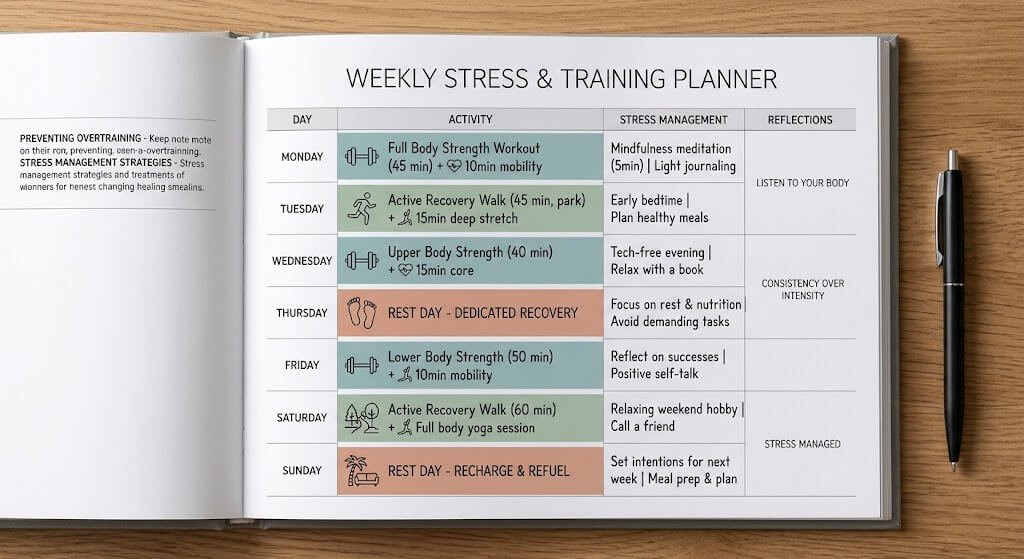
Chronic psychological stress keeps cortisol levels elevated. High cortisol promotes fat storage (particularly around the abdomen) and breaks down muscle tissue for quick energy, leaving you feeling wired but exhausted. Incorporate 10 minutes of daily stress-reduction practices, such as deep diaphragmatic breathing, light stretching, or a leisurely walk in nature.
Safety Notes and When to See a Doctor
While mild fatigue is a normal adaptation to a caloric deficit, severe or persistent exhaustion is a red flag. It is crucial to differentiate between normal diet adjustments and potential medical issues.
If your fatigue is accompanied by dizziness, hair loss, irregular heartbeats, or an inability to get out of bed, you may be under-fueling severely or experiencing a medical condition. Conditions such as hypothyroidism, clinical anemia (iron deficiency), or adrenal dysfunction can mimic diet fatigue but require medical intervention.
Furthermore, individuals with a history of eating disorders, diabetes, or cardiovascular issues should never attempt a caloric deficit without direct supervision from a healthcare provider. Always prioritize your long-term health over short-term scale changes.
Frequently Asked Questions.
1. Does eating fewer calories automatically make you tired?
Yes, it can, especially if the deficit is too large. A severe caloric deficit reduces glycogen stores and lowers leptin levels, signaling to your brain that energy is scarce. Keeping your deficit moderate (300–500 calories below maintenance) prevents this drastic drop in daily energy levels.
2. Can a lack of carbohydrates cause fatigue during weight loss?
Absolutely. Carbohydrates are your body’s primary fuel source for high-intensity activity. Severely restricting carbs depletes muscle glycogen, leading to heavy limbs, brain fog, and poor workout performance. Timing your carb intake around your workouts can help mitigate this fatigue.
3. How much water should I drink to avoid diet fatigue?
Aim for at least half your body weight in ounces of water daily (e.g., 75 oz for a 150 lb person), plus extra for exercise. As you lose glycogen, your body sheds water and electrolytes. Rehydrating adequately is essential to prevent the lethargy associated with mild dehydration.
4. Is it normal to be exhausted after starting a new workout routine?
Yes, initial fatigue is common due to delayed onset muscle soreness (DOMS) and central nervous system adaptation. This usually subsides within 2 to 3 weeks as your body becomes more efficient. If exhaustion persists beyond a month, you may need to reduce training volume or increase your calorie intake.
5. Can micronutrient deficiencies cause weight loss fatigue?
Yes. Eating less food overall can lead to inadequate intake of iron, B-vitamins, and magnesium, all of which are critical for cellular energy production. Focus on nutrient-dense whole foods like leafy greens, lean meats, and legumes, or consult a doctor about testing your levels if fatigue persists.
6. Should I drink coffee or pre-workout to fix diet fatigue?
Caffeine can provide a temporary boost, but it is a band-aid, not a cure. Relying heavily on stimulants can disrupt your sleep architecture, increase cortisol, and ultimately worsen your fatigue over time. Use caffeine strategically (e.g., before a workout) but prioritize sleep, calories, and hydration first.
Conclusion
Understanding exactly why am I tired when trying to lose weight is the first step toward building a sustainable, energizing fitness routine. Fatigue is not a mandatory penalty for fat loss. It is simply your body’s feedback mechanism telling you that your current approach to calories, training, or recovery needs fine-tuning.
By moderating your caloric deficit, prioritizing protein and strategic carbohydrates, staying hydrated, and focusing on quality resistance training, you can protect your metabolism and maintain high energy levels. Listen to your body, adjust your habits based on these evidence-based principles, and remember that consistent, moderate progress always beats aggressive, exhausting shortcuts.