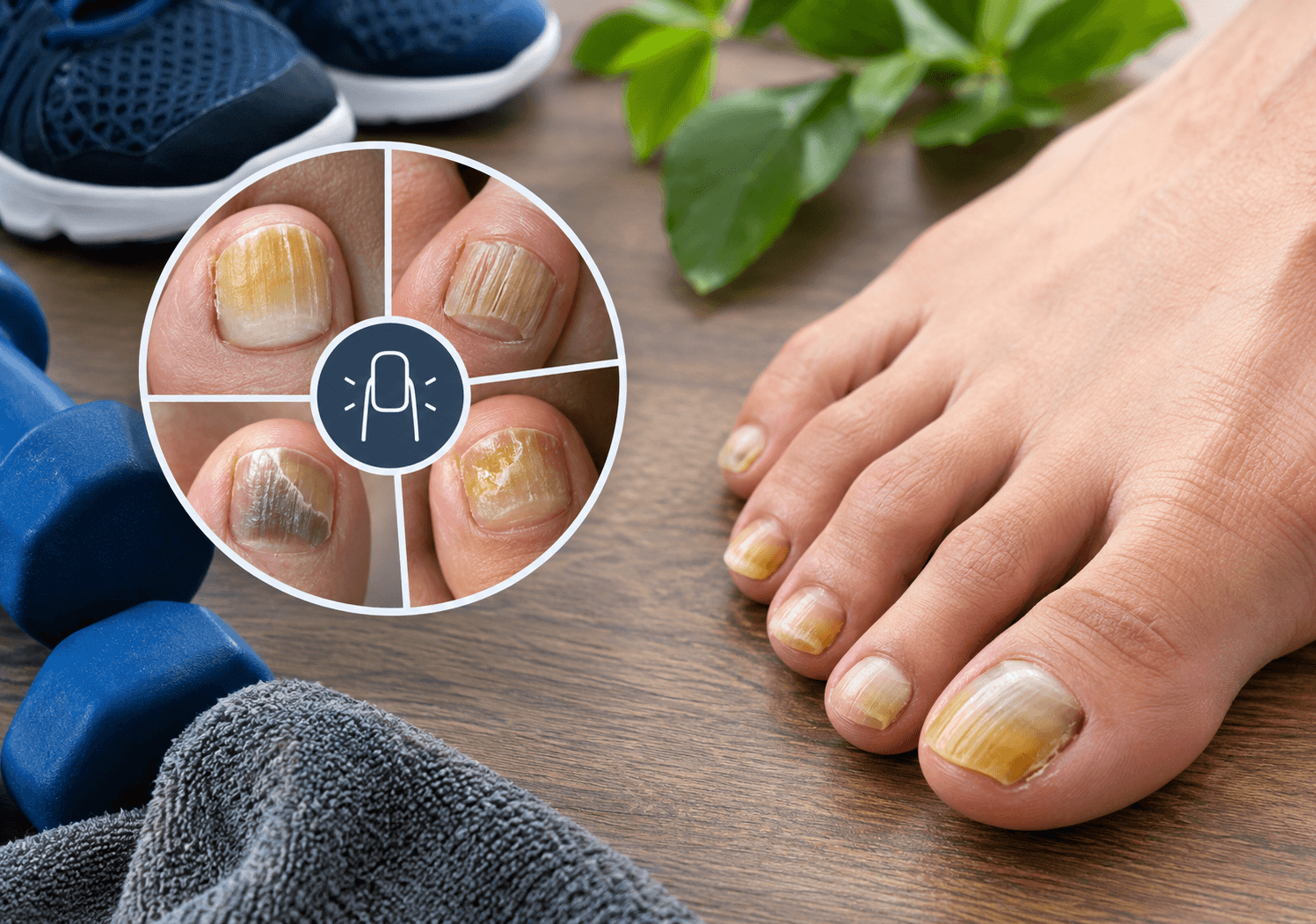
As a strength and conditioning coach, I see athletes, runners, and gym-goers deal with foot issues constantly. One of the most common complaints I hear is about nail discoloration and thickening. While fungal infections are the usual suspect, they are not the only culprit. Understanding what causes thick yellow toenails besides fungus is critical for proper treatment and getting you back to pain-free training. Whether you are lifting heavy, logging miles, or just noticing changes as you age, your toenails reflect your overall foot health and mechanical stress. This guide breaks down the non-fungal causes, how your training habits might contribute, and practical steps to protect your feet.
Quick Answer
Thick yellow toenails can be caused by repetitive microtrauma from tight shoes or running, natural aging, nail psoriasis, yellow nail syndrome, peripheral artery disease, or thyroid dysfunction. Unlike fungus, these causes often lack a crumbly texture or foul odor and require specific medical or mechanical adjustments rather than antifungal treatments.
The 7 Main Causes of Thick Yellow Toenails Besides Fungus
When you notice your toenails changing color and texture, it is easy to assume the worst. However, multiple mechanical and systemic factors can mimic fungal infections. Here are the primary non-fungal reasons your toenails may appear thick and yellow.
1. Repetitive Microtrauma and Subungual Hematoma
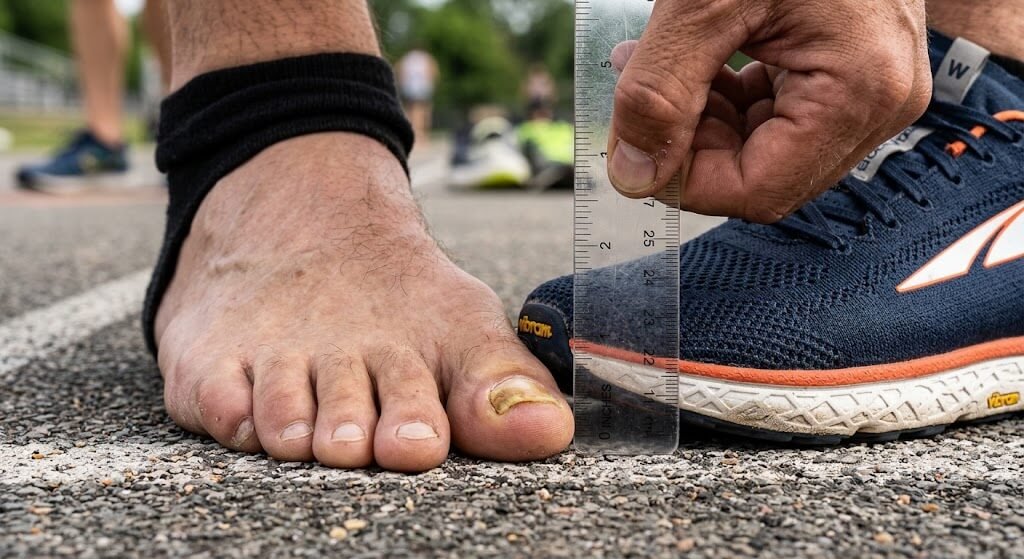
Athletes, especially runners and weightlifters, frequently experience repetitive microtrauma to the toes. When your toe repeatedly jams against the front of a shoe during a downhill run or a heavy sled push, it causes minor bleeding under the nail (subungual hematoma). Over time, this trauma stimulates the nail matrix to produce excess keratin as a protective response. The result is a thickened, yellowish, or even brownish nail. According to research published in the Journal of the American Academy of Dermatology, this type of mechanical stress is a leading cause of non-fungal nail thickening in active populations.
2. Natural Aging and Onychogryphosis
As we age, our nail growth naturally slows down, and the nail cells can begin to pile up, leading to thickening. This condition is sometimes referred to as onychogryphosis, or “ram’s horn nails.” The Mayo Clinic notes that older adults are more susceptible to this due to decreased blood circulation to the extremities and years of cumulative minor trauma. The nails may turn yellow or grayish and become difficult to trim with standard clippers.
3. Nail Psoriasis
Psoriasis is an autoimmune condition that primarily affects the skin, but it also impacts the nails in up to 50% of patients. Nail psoriasis can cause the toenails to become thick, yellow, and pitted. A key distinguishing feature is the “oil drop” sign, which looks like a yellowish-red patch under the nail, or onycholysis, where the nail separates from the nail bed. The American Academy of Dermatology emphasizes that nail psoriasis is frequently misdiagnosed as a fungal infection, requiring a dermatologist’s evaluation for accurate treatment.
4. Yellow Nail Syndrome
Though rare, yellow nail syndrome is a distinct medical condition characterized by thickened, yellowish nails that grow very slowly or stop growing altogether. The cuticles may disappear, and the nails can curve excessively. This syndrome is often linked to underlying systemic issues, such as lymphedema (swelling due to lymphatic system dysfunction) or chronic respiratory conditions like bronchitis. The Cleveland Clinic advises that if you notice these specific nail changes alongside breathing difficulties or leg swelling, prompt medical evaluation is necessary.
5. Peripheral Artery Disease (PAD)
Peripheral artery disease occurs when plaque builds up in the arteries, reducing blood flow to the limbs. Poor circulation deprives the toenails of essential oxygen and nutrients, causing them to become thick, brittle, and yellowed. You might also notice cold feet, leg cramps during exercise, or slow-healing wounds. Johns Hopkins Medicine highlights that PAD is a serious vascular condition that requires medical management to prevent severe complications, including tissue damage.
6. Thyroid Dysfunction
Both hypothyroidism (underactive thyroid) and hyperthyroidism (overactive thyroid) can significantly impact nail health. Hypothyroidism, in particular, slows down the body’s metabolic processes, leading to brittle, thick, and slow-growing nails that may take on a yellowish hue. The National Institutes of Health (NIH) notes that nail changes are a common, though often overlooked, clinical sign of thyroid disorders, which also present with fatigue, weight changes, and temperature sensitivity.
7. Contact Dermatitis from Footwear or Nail Products
Repeated exposure to harsh chemicals in nail polishes, removers, or even the adhesives and dyes used in poorly manufactured athletic shoes can trigger contact dermatitis. This inflammatory reaction can cause the nail bed to thicken and discolor as a defensive mechanism. If you recently switched shoe brands or started using a new topical foot product, this could be the underlying trigger for your nail changes.
How Your Training and Footwear Contribute
Your workout routine plays a massive role in the health of your toenails. As a coach, I evaluate an athlete’s footwear before I even look at their lifting form. Here is how your training habits directly impact your nails:
- Running and High-Impact Cardio: Every time your foot strikes the ground, it slides forward slightly. Over a 3-mile (5 km) run, this micro-sliding translates to hundreds of minor impacts against the shoe’s toe box.
- Weightlifting: During heavy compound movements like deadlifts or leg presses, your toes press hard into the floor or the footplate to maintain stability. If your weightlifting shoes have a narrow or shallow toe box, this constant pressure thickens the nail over time.
- Improper Nail Trimming: Cutting your toenails too short or rounding the edges encourages the nail to grow into the surrounding skin (ingrown toenail), which causes inflammation, swelling, and subsequent thickening.
Coach’s Tip
Always leave a thumbnail’s width (about 0.5 inches or 1.25 cm) of space between your longest toe and the front of your athletic shoe. Your feet swell during exercise, and a shoe that fits perfectly in the morning may be dangerously tight by mile three or set five of squats.
Common Mistake
Ignoring early signs of toenail bruising. Many athletes paint over a dark or yellowing toenail with polish to hide it, trapping moisture and potentially creating an environment where a secondary fungal infection can develop on top of the trauma. Address the mechanical cause first.
Symptom Checker: Fungus vs. Trauma vs. Systemic
Differentiating between a fungal infection and other causes is the first step toward effective treatment. Use this table to compare your symptoms.
| Feature | Fungal Infection (Onychomycosis) | Repetitive Trauma / Mechanical | Systemic (e.g., Psoriasis, PAD) |
| Color | Yellow, white, or brown | Yellow, dark red, or black (if bruised) | Pale yellow, greenish, or pitted |
| Texture | Crumbly, brittle, powdery | Thickened, but generally solid | Thickened, may separate from bed |
| Odor | Often foul or musty | No distinct odor | No distinct odor |
| Pain Level | Usually painless unless severe | Often tender or achy after exercise | Varies; may include joint or leg pain |
| Number of Nails | Often starts on one, spreads slowly | Usually affects the longest toe (big or second) | Often affects multiple nails symmetrically |
Note: This table is for educational purposes. Only a podiatrist or dermatologist can provide a definitive diagnosis through a nail clipping culture or physical exam.
Practical Foot Care and Prevention Steps for Athletes
Preventing non-fungal toenail thickening requires a proactive approach to foot hygiene and mechanical protection. Follow these evidence-based steps to keep your nails healthy.
Step 1: Trim Nails Correctly
Cut your toenails straight across, not rounded. Use sharp, high-quality nail clippers. File the edges gently with an emery board to prevent snagging. Do not cut them too short; the nail should extend just to the tip of the toe.
Step 2: Optimize Your Footwear
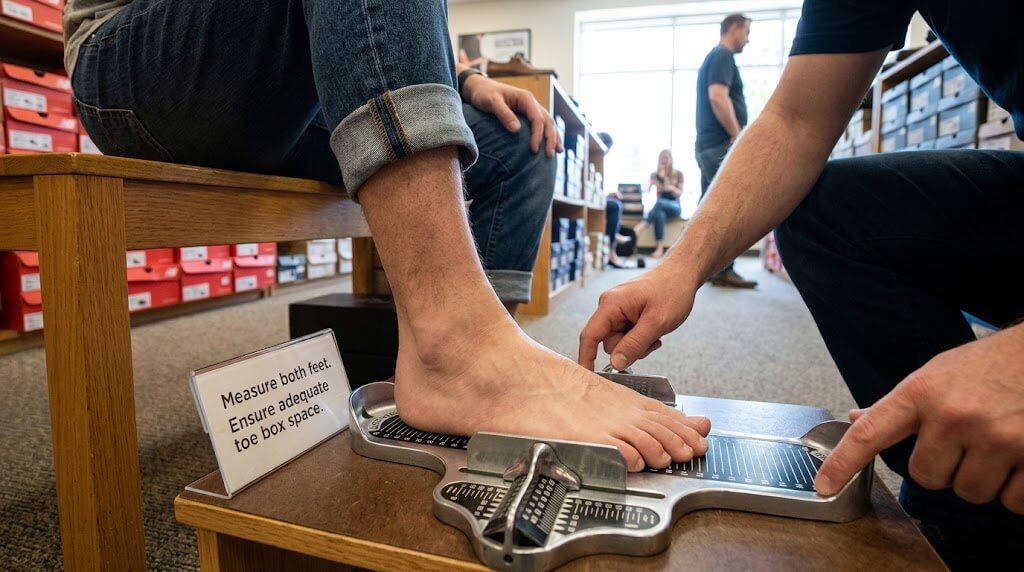
Invest in shoes with a wide, anatomical toe box. For weightlifting, look for shoes with a firm heel and adequate forefoot width. For running, consider getting professionally fitted at a specialty running store, where they can measure your foot in inches (cm) and recommend shoes that accommodate your specific gait and foot swelling.
Step 3: Manage Moisture and Friction
Wear moisture-wicking socks made from merino wool or synthetic blends, not cotton. Cotton retains sweat, which softens the nail and surrounding skin, making it more vulnerable to trauma and secondary infections. Change your socks immediately after a sweaty workout.
Step 4: Support Tissue Repair Through Nutrition
Your nails are made of keratin, a structural protein. Supporting your body with adequate protein intake is essential for healthy keratin production, aiding in the repair of microtrauma. Furthermore, ensuring you get specific vitamins and minerals that support tissue health is vital. Certain nutrients support normal energy metabolism and also contribute to strong, resilient nail growth and cellular repair.
Step 5: Prioritize Recovery and Sleep
Tissue repair, including the healing of minor nail bed trauma, occurs primarily during deep sleep. Discover how adequate rest and sleep affects metabolism and weight management, which in turn supports your body’s overall regenerative capacity.
Regression and Progression for Foot Care
- Regression (Easier): If you currently have painful, thick nails, switch to zero-drop or highly flexible shoes with a massive toe box (like certain minimalist brands) to eliminate all upward pressure. Use protective silicone toe caps during workouts.
- Progression (Harder): For athletes with chronic issues, invest in custom-molded orthotics from a podiatrist to correct biomechanical imbalances (like overpronation) that cause uneven toe pressure.
Choosing the Right Gym and Running Shoes
Your footwear is your primary interface with the ground. Choosing incorrectly guarantees mechanical stress. When shopping for athletic shoes, follow this checklist:
- Measure Both Feet: One foot is often larger. Always buy shoes to fit the larger foot.
- Check the Toe Box: Press down on the front of the shoe while wearing it. You should be able to wiggle all your toes freely without the fabric pressing down on your nails.
- Consider Your Body Weight: Managing your body weight can significantly reduce mechanical stress on your feet and joints. Learn more about how to increase metabolism naturally for weight loss to support long-term joint and foot health.
- Replace Regularly: Running shoes lose their cushioning and structural integrity every 300–500 miles (480–800 km). Weightlifting shoes last longer but should be replaced if the heel compresses or the upper material stretches out.
Safety Notes and When to See a Doctor
While mechanical thickening is common, you should never ignore certain red flags. If you have diabetes, your risk for foot complications is significantly higher. Poor circulation and neuropathy mean a minor nail issue can quickly escalate into a severe ulcer or infection. Understanding what affects metabolism and body weight is crucial for comprehensive foot care if you are managing metabolic conditions like diabetes.
Additionally, dietary choices play a role in systemic health. For instance, maintaining stable blood sugar is vital for preventing diabetic foot complications. Read about how dietary fiber helps with appetite and weight management to support overall metabolic health, which indirectly protects extremity circulation.

Seek immediate medical attention if you experience:
- Redness, warmth, or pus around the toenail (signs of paronychia or infection).
- A black toenail that is rapidly expanding or extremely painful.
- Nail changes accompanied by unexplained weight loss, fatigue, or respiratory issues.
- Any foot sore or blister that does not heal within two weeks.
If you are considering dietary changes or supplements to reduce systemic inflammation, be cautious. Knowing how to evaluate ingredients in weight management supplements can prevent adverse reactions that might negatively affect your skin, circulation, and nail health. Always consult your physician before starting new regimens.
Frequently Asked Questions (FAQ)
1. Can tight shoes cause yellow thick toenails?
Yes. Tight shoes cause repetitive microtrauma to the nail bed. The body responds to this chronic friction and pressure by producing excess keratin, leading to a thickened, yellowish nail. This is very common in runners and weightlifters.
2. Why are my toenails yellow and thick but not fungus?
Non-fungal causes include aging, nail psoriasis, repetitive trauma, thyroid dysfunction, or peripheral artery disease. Unlike fungus, these conditions typically do not produce a crumbly texture or a foul odor, and they will not respond to antifungal medications.
3. Does running cause thick yellow toenails?
It can. The repetitive impact of running, especially downhill or in shoes that are too small, causes the toe to jam into the front of the shoe. This leads to subungual hematomas (bruising) and subsequent thickening of the nail plate over time.
4. What does yellow nail syndrome look like?
Yellow nail syndrome is rare. It presents as thickened, yellowish nails that grow very slowly or stop growing entirely. The cuticles may disappear, and the nails often curve excessively. It is frequently associated with lymphedema or respiratory issues.
5. Can psoriasis make toenails thick and yellow?
Yes. Nail psoriasis affects up to 50% of people with the condition. It causes thickening, yellowing, pitting, and sometimes separation of the nail from the nail bed (onycholysis). It is often misdiagnosed as a fungal infection.
6. When should I see a doctor for thick yellow toenails?
You should see a podiatrist or dermatologist if the nail is painful, if you have diabetes, if there are signs of infection (redness, pus), or if the thickening is accompanied by other systemic symptoms like leg pain, swelling, or fatigue.
Conclusion
Understanding what causes thick yellow toenails besides fungus empowers you to take the right action. While fungal infections get most of the attention, repetitive microtrauma from training, natural aging, psoriasis, and systemic health issues are frequent culprits. By evaluating your footwear, trimming your nails correctly, and listening to your body’s signals, you can prevent mechanical damage and maintain healthy feet. Remember that your toenails are a window into your overall health. If you are ever in doubt, or if you have underlying conditions like diabetes, consult a podiatrist or medical professional for an accurate diagnosis and personalized treatment plan.