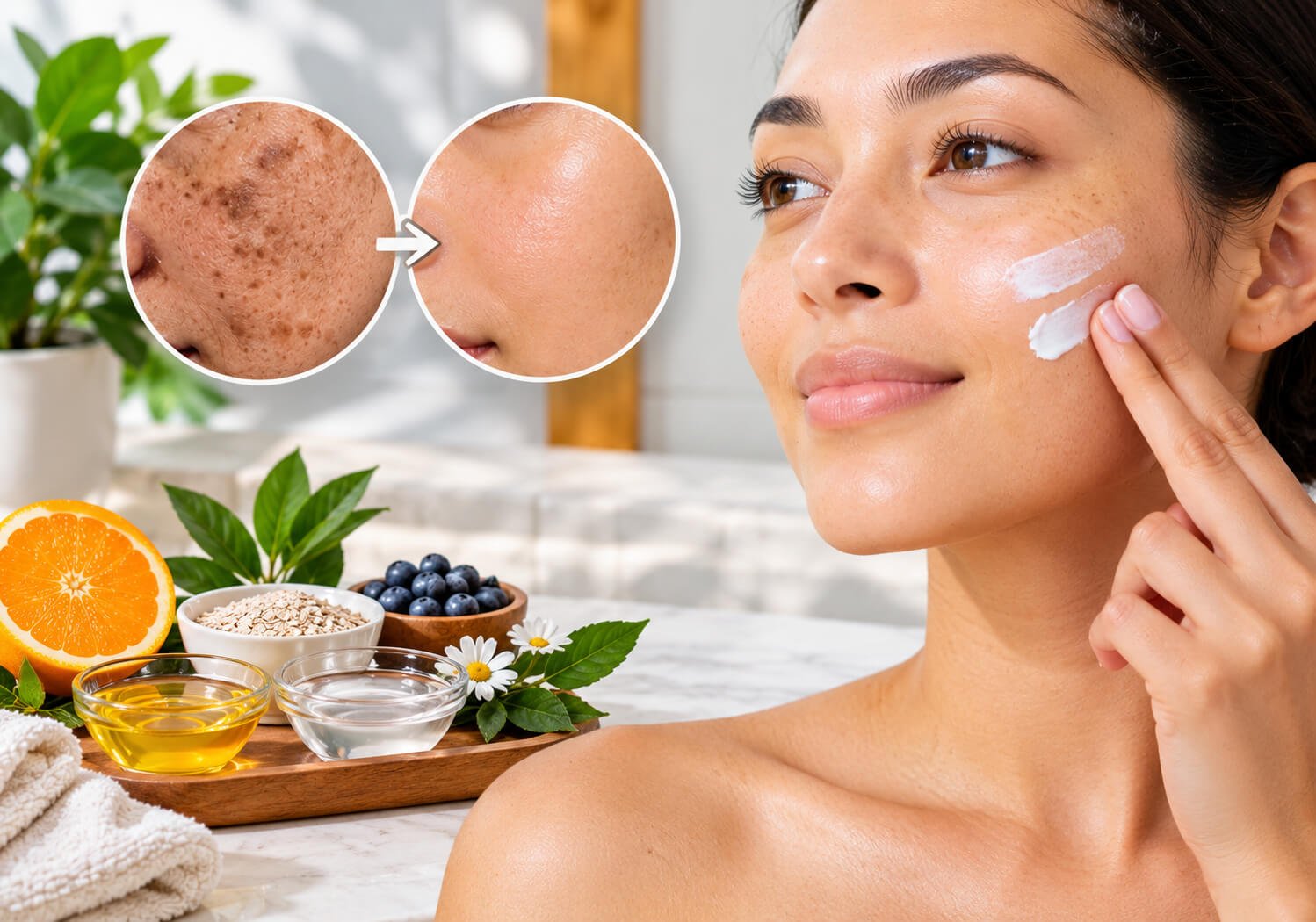
Learning how to fade dark spots naturally with skincare requires patience, consistency, and the right evidence-based ingredients. Just like building muscle in the gym, clearing your complexion does not happen overnight. It takes a structured routine and proven, practical steps. Whether your dark spots come from old acne, sun damage, or hormonal changes, you can improve your skin’s appearance without relying on harsh, irritating chemicals. This guide breaks down the exact steps, ingredients, and lifestyle habits you need to see real, lasting results.
Quick Answer:
To fade dark spots naturally with skincare, use a daily routine featuring vitamin C, niacinamide, and alpha arbutin to block excess melanin production. Always apply a broad-spectrum SPF 30+ sunscreen every morning to prevent spots from darkening. Consistent, daily use over 8 to 12 weeks yields the best visible results.
Understanding Dark Spots: What Causes Hyperpigmentation?
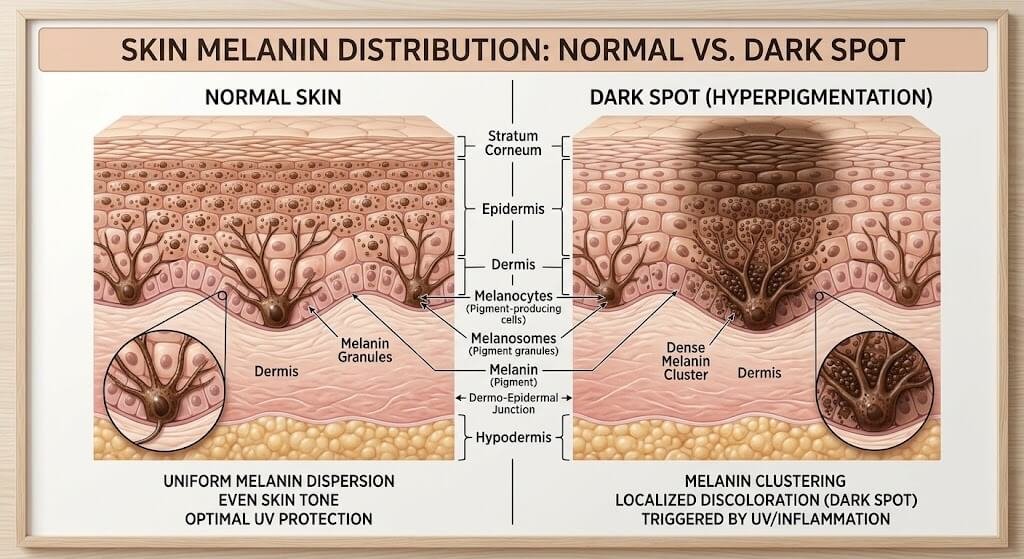
Before we fix the problem, we need to understand how it happens. Dark spots, medically known as hyperpigmentation, occur when your skin produces excess melanin. Melanin is the natural pigment that gives your skin, hair, and eyes their color. When your skin experiences inflammation, trauma, or UV exposure, melanocytes (the cells that make melanin) go into overdrive and cluster together.
Common triggers include:
- Post-Inflammatory Hyperpigmentation (PIH): These are the flat, dark marks left behind after acne, cuts, burns, or bug bites heal. Research shows that PIH is a frequent sequela of acne, especially in patients with skin of color.
- Sun Damage: Ultraviolet (UV) rays trigger melanin production as a defense mechanism. Over time, this leads to sun spots, liver spots, or age spots.
- Hormonal Changes: Conditions like melasma are often triggered by pregnancy, birth control pills, or hormone replacement therapy, causing larger, symmetrical patches of darkened skin.
Understanding your specific trigger helps you choose the right natural skincare approach and prevents you from wasting time on products that do not address the root cause.
Benefits of Learning How to Fade Dark Spots Naturally with Skincare
Why choose natural, evidence-based skincare over harsh chemical peels or aggressive treatments?
- Gentler on the Skin Barrier: Natural ingredients like niacinamide and licorice root support your skin without causing severe irritation, redness, or peeling. A healthy skin barrier is your first line of defense against further pigmentation.
- Long-Term Skin Health: Antioxidants like vitamin C do more than just fade spots. They boost collagen synthesis and protect your skin cells against free radical damage from pollution and UV rays.
- Cost-Effective: Building a simple, targeted routine with a few high-quality products is often more affordable than frequent dermatologist visits for mild hyperpigmentation.
- Holistic Health Connection: Your skin reflects your internal health. Supporting your body’s natural processes, such as when you increase metabolism naturally for weight loss, also promotes healthier, faster skin cell turnover and overall vitality.
Step-by-Step Routine: How to Fade Dark Spots Naturally with Skincare
A successful skincare routine relies on order, consistency, and proper technique. Follow these numbered steps for maximum product absorption and effectiveness.
Step 1: Gentle Cleansing
Start with a mild, pH-balanced cleanser. Wash your face with lukewarm water for about 30 seconds using gentle, circular motions. Avoid hot water, which strips natural oils and causes inflammation. Pat your skin dry with a clean, soft towel. Do not rub, as friction can worsen hyperpigmentation and irritate the skin.
Step 2: Apply a Targeted Serum (The Powerhouse)
This is where you actively treat the dark spots. Apply a pea-sized amount (about 0.04 ounces or 1 gram) of your active serum to your entire face, focusing gently on the dark areas.
- Morning: Use a Vitamin C serum to protect and brighten.
- Night: Use a Niacinamide or Alpha Arbutin serum to repair and inhibit pigment.
Gently press the product into your skin using your fingertips. Wait 60 seconds for it to absorb. Your skin should feel slightly tacky, not wet, before moving to the next step.
Step 3: Moisturize to Lock in Hydration
Healthy, hydrated skin heals and turns over cells faster. Apply a lightweight, non-comedogenic moisturizer. Look for supportive ingredients like ceramides, glycerin, or hyaluronic acid. A hydrated skin barrier allows active ingredients to work more effectively without causing irritation or dryness.
Step 4: Sun Protection (Non-Negotiable)
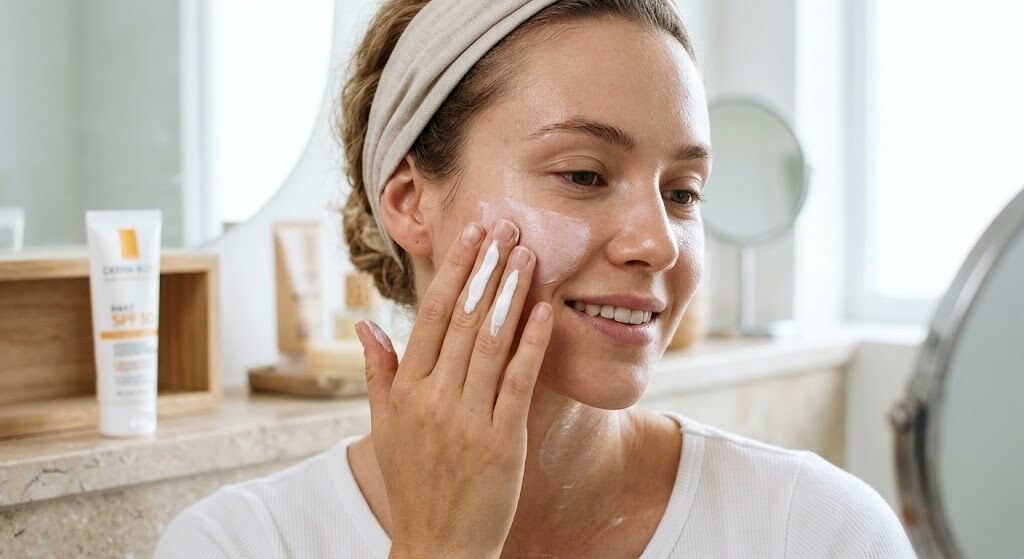
In the morning, finish with a broad-spectrum sunscreen with an SPF of 30 or higher. Apply about 0.04 ounces (1 gram) for the face, which is roughly two finger-lengths of product. Sunscreen prevents UV rays from stimulating more melanin, which is the most critical step in preventing dark spots from getting darker.
Key Natural Ingredients and Their Roles
Not all natural ingredients are created equal. Here are the most effective, research-backed compounds for fading dark spots, along with how to use them.
| Ingredient | Primary Function | Recommended Concentration | Best For |
| Vitamin C (L-Ascorbic Acid) | Inhibits tyrosinase (the enzyme that makes melanin) and acts as a potent antioxidantpmc.ncbi.nlm.nih.gov. | 10% – 20% | Morning use, sun damage, overall brightening. |
| Niacinamide (Vitamin B3) | Blocks the transfer of melanin from melanocytes to surface skin cellspmc.ncbi.nlm.nih.gov. | 2% – 5% | Sensitive skin, acne scars, redness, barrier repair. |
| Alpha Arbutin | A natural, plant-derived tyrosinase inhibitor that is highly effective and gentlepmc.ncbi.nlm.nih.gov. | 1% – 2% | Stubborn dark spots, melasma, all skin types. |
| Licorice Root Extract | Contains glabridin, which reduces inflammation and disrupts pigment productionpmc.ncbi.nlm.nih.gov. | 0.5% – 1% | Redness, post-inflammatory hyperpigmentation. |
| Zinc Oxide / Titanium Dioxide | Physical UV blockers that reflect light and prevent UV-induced pigmentationpmc.ncbi.nlm.nih.gov. | SPF 30+ | Daily sun protection, highly sensitive skin. |
Coach’s Tip: Just as you need the right nutrients to support normal energy metabolism, your skin needs specific vitamins to function optimally. Niacinamide (Vitamin B3) and Vitamin C are essential for both internal metabolic health and external skin repair. Look for serums that combine these with stable formulations.
Common Mistakes and Fixes
Even with the best products, poor habits can ruin your progress and waste your money. Avoid these common pitfalls.
Mistake 1: Skipping Sunscreen on Cloudy Days
UV rays penetrate clouds and glass windows. If you skip sunscreen, your other skincare products are working against a constant, daily trigger for melanin production.
Fix: Make SPF 30+ a non-negotiable daily habit, rain or shine, whether you are inside or outside.
Mistake 2: Using Too Many Active Ingredients at Once
Layering vitamin C, retinol, and alpha hydroxy acids (AHAs) all in one night will damage your skin barrier. Inflammation leads to more dark spots, creating a vicious cycle.
Fix: Introduce one new active ingredient every two weeks. Keep your routine simple and focused.
Mistake 3: Picking at Acne or Scabs
Picking creates deeper inflammation and trauma. This signals your melanocytes to produce even more pigment in that specific area.
Fix: Use a hydrocolloid pimple patch to protect the area, absorb fluid, and allow it to heal naturally without physical interference.
Common Mistake Callout: Many people expect overnight results and give up too soon. Natural skincare takes time. Clinical studies show that ingredients like niacinamide take at least 4 to 8 weeks of consistent, daily use to significantly decrease hyperpigmentation. Stick to the plan and track your progress with monthly photos.
Routine Variations: Regression and Progression
Everyone’s skin is different. Adjust your routine based on your skin’s tolerance and the severity of your dark spots.
Regression (For Sensitive or Reactive Skin)
If your skin stings, turns red easily, or feels tight, scale back immediately.
- Drop the Vitamin C serum temporarily.
- Use only a 2% Niacinamide serum once a day (preferably at night).
- Rely heavily on a gentle, non-foaming cleanser, a basic ceramide moisturizer, and a mineral sunscreen (Zinc Oxide).
- Focus on internal healing by ensuring you get enough rest. Research highlights that how sleep affects metabolism and weight management is closely tied to your body’s ability to repair tissues, including your skin barrier.
Progression (For Stubborn, Long-Term Dark Spots)
If your skin tolerates the basics well for 8 weeks, you can level up your routine.
- Introduce a gentle AHA, like lactic acid or mandelic acid, 2 to 3 nights a week to increase surface cell turnover.
- Layer Alpha Arbutin (2%) under your moisturizer at night for targeted pigment inhibition.
- Ensure your diet supports skin health. For example, adequate protein intake affects metabolism and weight loss while also providing the essential amino acids necessary for collagen synthesis and structural skin repair.
Alternatives to Natural Topical Skincare
If topical natural ingredients are not yielding results after 3 to 6 months of strict consistency, you might consider professional alternatives. Always consult a board-certified dermatologist for these options, as they carry higher risks of irritation.
- Chemical Peels: Professional-grade glycolic, lactic, or salicylic acid peels safely remove the top layers of pigmented skin, accelerating the fading process.
- Laser Therapy: Treatments like Q-switched Nd:YAG lasers target melanin directly, breaking up deep pigment clusters without damaging the surrounding skin.
- Microneedling: This procedure creates controlled micro-injuries to stimulate collagen production and help topical depigmenting agents penetrate deeper into the dermis.
Who Should Be Careful?
While natural ingredients are generally safe, certain groups should take extra precautions before starting a new routine:
- Pregnant or Nursing Individuals: Avoid high-dose retinoids and always consult your doctor before using new active ingredients. While alpha arbutin and niacinamide are generally considered safe, medical clearance is always the best practice.
- People with Eczema or Rosacea: Your skin barrier is already compromised. Stick to the “Regression” routine and avoid all acids or strong antioxidants until your skin is completely calm and hydrated.
- Those with Very Dark Skin Tones: Skin of color is more prone to PIH. Avoid harsh physical scrubs or high-percentage chemical peels at home, as they can cause rebound hyperpigmentation, making the spots darker than before.
Sample Daily Routine for Fading Dark Spots
Here is a practical, easy-to-follow schedule to put this knowledge into action. Consistency is your most powerful tool.
| Time of Day | Step | Product Type | Key Action & Cue |
| Morning | 1 | Gentle Cleanser | Wash for 30 seconds with lukewarm water. Pat dry. |
| 2 | Vitamin C Serum | Apply 3-4 drops to dry skin. Wait 60 seconds to absorb. | |
| 3 | Moisturizer | Apply a pea-sized amount to lock in hydration. | |
| 4 | SPF 30+ Sunscreen | Apply two finger-lengths to face, ears, and neck. | |
| Night | 1 | Gentle Cleanser | Double cleanse if wearing makeup or heavy, water-resistant sunscreen. |
| 2 | Niacinamide / Arbutin | Apply to target melanin transfer and production gently. | |
| 3 | Repair Moisturizer | Use a slightly thicker cream with ceramides to support overnight repair. |
Note: Supporting your overall health amplifies these topical results. Just as dietary fiber can help with appetite and weight management, a nutrient-rich, balanced diet supports gut health, which is increasingly linked by research to clear, healthy, and resilient skin.
Frequently Asked Questions (FAQ)
1. How long does it take to fade dark spots naturally with skincare?
Natural skincare requires patience and consistency. Depending on the depth of the pigment, it typically takes 8 to 12 weeks of daily use of ingredients like vitamin C or niacinamide to see noticeable fading. Deeper dermal pigmentation may take up to 6 months of strict routine adherence.
2. What is the single best natural ingredient for dark spots?
Vitamin C (L-ascorbic acid) is widely considered the gold standard. It directly inhibits the tyrosinase enzyme, reducing melanin production while providing powerful antioxidant protection against daily UV damage. Niacinamide is a close second for its gentle, barrier-supporting properties.
3. Can diet and nutrition affect hyperpigmentation?
Yes. A balanced diet rich in antioxidants supports skin health and reduces oxidative stress. Research indicates that optimizing human nutrition positively impacts various short- and long-term skin health outcomes, including healing and pigmentation regulation.
4. Does vitamin C really fade dark spots, or is it a myth?
It is scientifically proven. Studies show that topical vitamin C decreases melanin formation and reduces pigmentation by interacting with copper ions associated with the tyrosinase enzyme. It is a highly effective, evidence-based treatment.
5. How can I prevent my dark spots from getting darker?
Sun protection is the absolute most important factor. UV exposure stimulates melanocytes. Using a broad-spectrum SPF 30+ sunscreen daily, even when indoors near windows, is the most successful preventative measure against post-inflammatory hyperpigmentation.
6. Can I use natural oils or raw lemon juice to fade dark spots?
No. Applying raw lemon juice to your skin is highly acidic and can cause severe irritation, chemical burns, and phytophotodermatitis (a reaction that makes skin dangerously sensitive to the sun). This will ultimately worsen dark spots. Stick to formulated, stable skincare products.
Conclusion
Learning how to fade dark spots naturally with skincare is entirely achievable when you combine the right ingredients with consistent, healthy habits. Focus on proven, research-backed components like vitamin C, niacinamide, and alpha arbutin. Protect your progress daily with broad-spectrum sunscreen, and avoid the temptation to over-exfoliate or pick at your skin. Remember that your skin’s health is deeply connected to your overall wellness, including quality sleep, balanced nutrition, and a healthy metabolism. Stay patient, trust the process, and your complexion will reflect your dedication.