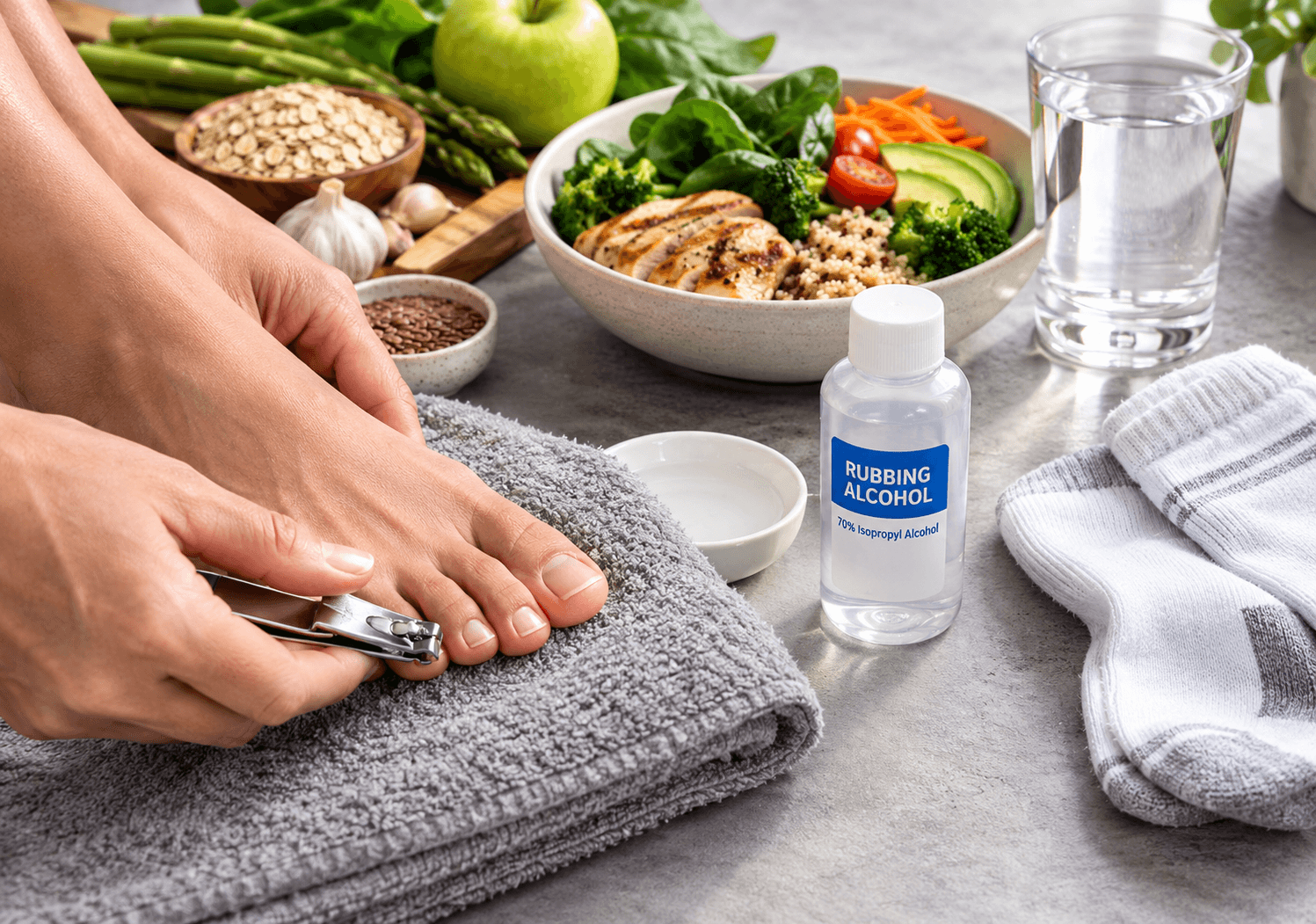
If you spend a lot of time in the gym, running on trails, or wearing athletic shoes, you have probably encountered stubborn foot issues. One of the most persistent is onychomycosis, commonly known as toenail fungus. It is frustrating, unsightly, and notoriously difficult to clear. Because of this, many health-conscious individuals start looking for holistic, internal solutions. If you have been wondering, are probiotics good for toenail fungus? you are asking the right question.
While probiotics are not a magic bullet or a standalone cure, emerging research suggests they play a valuable supporting role. By balancing the gut microbiome and strengthening your systemic immune response, specific probiotic strains may help your body fight off fungal overgrowth from the inside out. In this guide, we will break down the science, identify the best strains, and provide a practical, step-by-step protocol to help you reclaim healthy nails.
Quick Answer
Are probiotics good for toenail fungus? Yes, probiotics can be a helpful supportive treatment. Strains like Lactobacillus and Saccharomyces boulardii may help balance the gut microbiome and strengthen the immune system against fungal overgrowth. However, they are not a standalone cure. For best results, combine oral probiotics with conventional antifungal treatments and strict daily foot hygiene.
The Science: What the Research Says About Probiotics and Fungal Infections
To understand if probiotics can help, we first need to understand what toenail fungus is and how your body fights it. Onychomycosis is typically caused by dermatophytes, a type of fungus that feeds on keratin, the protein that makes up your nails. Less commonly, it is caused by yeast, such as Candida albicans.
Because toenails grow slowly and have limited blood flow, topical treatments often struggle to penetrate the nail bed deeply enough to eradicate the fungus completely. This is where systemic health comes into play. Your immune system is your primary defense against any infection, including fungal ones.
The Gut-Skin-Nail Axis
Your gut microbiome houses trillions of bacteria that directly communicate with your immune system. Research published in the National Institutes of Health (NIH) database highlights that a balanced gut microbiome is essential for regulating systemic inflammation and mounting an effective immune response. When your gut flora is disrupted (a state called dysbiosis), your immune system may become less efficient at identifying and neutralizing fungal threats.
How Probiotics Fight Fungal Overgrowth
Probiotics are live microorganisms that, when administered in adequate amounts, confer a health benefit on the host. Specific strains combat fungal infections through several mechanisms:
- Competitive Exclusion: Beneficial bacteria compete with pathogenic fungi like Candida for space and nutrients in the gut, effectively starving the fungus.
- Lowering pH: Strains like Lactobacillus produce lactic acid, which lowers the pH of the gut and surrounding environments. Fungi thrive in neutral or slightly alkaline conditions, making an acidic environment hostile to their growth.
- Immune Modulation: Probiotics stimulate the production of secretory IgA, an antibody that plays a crucial role in immune function, helping the body recognize and destroy fungal cells.
A study indexed in PubMed demonstrated that Lactobacillus species exhibit strong antifungal activity against Candida albicans by producing metabolites that inhibit fungal cell wall synthesis. While most studies focus on vaginal or intestinal candidiasis, the systemic immune-boosting effects translate to better overall defense, including in the extremities like the toenails.
Probiotic Strains and Their Potential Roles in Fungal Health
Not all probiotics are created equal. If you are shopping for a supplement, you need to look for specific strains that have documented antifungal or immune-supporting properties.
| Probiotic Strain | Potential Benefit for Fungal Health | Evidence Level | Best Form |
| Lactobacillus rhamnosus | Produces lactic acid; inhibits Candida growth and supports gut barrier integrity. | Strong (Multiple clinical trials) | Oral capsule or powder |
| Lactobacillus acidophilus | Competes with fungi for nutrients; enhances systemic immune response. | Moderate to Strong | Oral capsule, yogurt, kefir |
| Saccharomyces boulardii | A beneficial yeast that directly antagonizes pathogenic fungi and reduces gut inflammation. | Strong (Well-documented in gastroenterology) | Oral capsule |
| Lactobacillus reuteri | Produces reuterin, an antimicrobial compound that inhibits a broad spectrum of pathogens. | Moderate | Oral capsule, fermented foods |
| Bifidobacterium lactis | Supports overall gut microbiome balance, indirectly aiding immune regulation. | Moderate | Oral capsule, fermented dairy |
Note: Always choose a supplement that lists the specific strain (e.g., Lactobacillus rhamnosus GG), not just the species, as benefits are strain-specific.
How to Apply It: A Practical Protocol for Athletes and Gym-Goers
As a strength and conditioning coach, I tell my clients that supplementation is only one piece of the puzzle. You cannot out-supplement poor hygiene. To effectively tackle toenail fungus, you need a multi-pronged approach. Here is your step-by-step routine.
Step 1: Choose a High-Quality Probiotic
Look for a supplement that provides at least 10 to 50 billion CFUs (Colony Forming Units) per serving and contains the strains listed above. When selecting any health product, it is just as important to know how to evaluate ingredients in supplements to ensure you are not consuming unnecessary fillers, artificial colors, or allergens that could upset your stomach or cause inflammation.
Step 2: Feed the Good Bacteria (Prebiotics)
Probiotics need food to survive and colonize your gut. This food comes in the form of prebiotic fiber. Consuming adequate dietary fiber helps with weight management and, crucially, it feeds the beneficial bacteria you are introducing. Aim for 25–35 grams of fiber daily from sources like oats, apples, flaxseeds, and leafy greens.

Step 3: Implement Strict Foot Hygiene
Fungus loves warm, dark, moist environments. You must make your feet inhospitable to it.
- Wash and Dry: Wash your feet daily with soap and water. Dry them thoroughly, especially between the toes, using a dedicated towel or even a hairdryer on a cool setting.
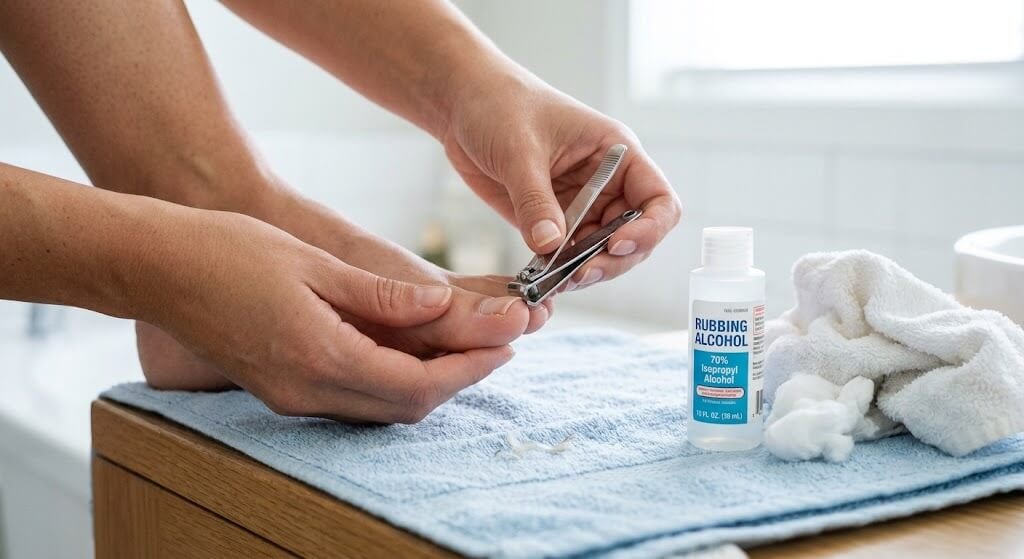
- Trim Properly: Clip your toenails straight across. Do not round the corners, as this can encourage the nail to grow into the skin, creating a micro-tear where fungus can enter.
- Footwear Rotation: Do not wear the same pair of gym shoes two days in a row. Allow them to air out and dry completely for at least 24 hours.
Step 4: Pair with Conventional Treatment
Probiotics work systemically, but you still need to attack the fungus locally. Apply an over-the-counter antifungal cream, lacquer, or oil (like tea tree oil, which has mild antifungal properties) directly to the affected nail and the surrounding skin twice daily. For severe cases, a podiatrist may prescribe oral antifungal medication, which works synergistically with your improved immune function.
COACH’S TIP:
Consistency is your most powerful tool. Toenails grow at a rate of about 1 to 2 millimeters per month. It can take 12 to 18 months for a completely new, healthy toenail to grow in and replace the infected one. Do not stop your probiotic regimen or topical treatments just because you see slight improvement at the base of the nail. Commit to the full timeline.
COMMON MISTAKE:
Stopping treatment too early or sharing nail clippers. Many people stop applying topical treatments once the visible discoloration fades, but fungal spores can remain dormant in the nail bed. Furthermore, never use the same nail clippers on your infected toe and your healthy toes without sterilizing them with rubbing alcohol in between, as this will spread the infection.
Safety Notes and Precautions
While probiotics are generally recognized as safe (GRAS) for most healthy individuals, there are important safety considerations to keep in mind.
- Immunocompromised Individuals: If you have a weakened immune system due to conditions like HIV/AIDS, cancer treatments, or organ transplants, consult your doctor before taking probiotics. In rare cases, live bacteria or yeasts can cause systemic infections in highly vulnerable individuals.
- Saccharomyces boulardii Caution: Because S. boulardii is a yeast, there is a theoretical risk of fungemia (yeast in the bloodstream) in patients with central venous catheters or severe critical illness.
- Initial Digestive Upset: When you first start a high-CFU probiotic, you may experience mild bloating, gas, or changes in bowel habits. This is usually temporary and resolves within a week as your microbiome adjusts. Start with a lower dose and gradually increase it.
- Medical Disclaimer: This article is for general information and is not a substitute for advice from a doctor or physical therapist. If your toenail becomes painful, red, swollen, or starts draining pus, see a podiatrist or primary care physician immediately, as this may indicate a secondary bacterial infection.
Related Tips: A Holistic Approach to Nail Recovery
Fighting a stubborn infection requires your body to be in peak condition. Your immune system does not operate in a vacuum; it is deeply influenced by your daily lifestyle choices. Taking a holistic view of what affects metabolism and body weight reminds us that chronic stress, poor sleep, and inflammation from persistent infections can drain your body’s resources, slowing down the healing process.
Prioritize Protein for Tissue Repair
Your toenails are made almost entirely of keratin, a structural protein. Ensuring adequate protein intake affects metabolism and provides the essential amino acids required for tissue repair and new nail growth. Aim for 0.8 to 1 gram of protein per pound of body weight daily, sourcing it from lean meats, eggs, legumes, or high-quality protein powders.
Do Not Underestimate Sleep
Recovery happens when you rest. Learning how sleep affects metabolism and immune function highlights why 7 to 9 hours of quality sleep is non-negotiable. During deep sleep, your body releases cytokines, which are proteins that help target infection and inflammation.
Support Your Body Gently
If you are looking to optimize your overall health while dealing with an infection, you want to avoid harsh stimulants that might stress your adrenal system. Finding supplements that support metabolism without stimulants can be a safe way to maintain steady energy levels while your body focuses its resources on fighting off the fungal infection.
Optimize Cellular Energy
Your immune cells require significant energy to multiply and fight pathogens. Understanding which nutrients support normal energy metabolism—such as B vitamins, magnesium, and iron—can help you make smarter dietary choices that fuel your immune response from the cellular level up. If you want to comprehensively support metabolism naturally, combining good foot hygiene with a nutrient-dense, whole-food diet creates the absolute best internal environment for healing.

Frequently Asked Questions (FAQ)
Can probiotics kill toenail fungus directly?
No, oral probiotics do not directly “kill” the fungus living in your toenail. Instead, they work systemically by balancing your gut microbiome, lowering systemic inflammation, and strengthening your immune system so your body can better fight the fungal overgrowth on its own.
What is the best probiotic strain for nail fungus?
Research suggests that Lactobacillus rhamnosus, Lactobacillus acidophilus, and Saccharomyces boulardii are among the most effective strains. They are well-documented for their ability to inhibit Candida growth and support robust immune function.
How long does it take for probiotics to work on toenail fungus?
Probiotics are not a quick fix. Because toenails grow slowly (about 1–2 mm per month), you should commit to a daily probiotic regimen for at least 6 to 12 months. You will likely see new, healthy nail growth at the base of the nail first.
Should I take oral or topical probiotics for toenail fungus?
Oral probiotics are the most researched and effective method for influencing systemic immune health. While some topical probiotic skincare products exist, they are not currently proven to penetrate the thick keratin of the nail bed effectively enough to treat onychomycosis.
Can probiotics make toenail fungus worse?
For the vast majority of healthy people, no. Probiotics are generally safe. However, if you are severely immunocompromised, certain probiotic strains (especially Saccharomyces boulardii) could pose a risk of infection. Always consult a doctor if you have underlying health conditions.
Are there specific foods that help fight toenail fungus?
Yes. Foods rich in prebiotic fiber (like garlic, onions, asparagus, and oats) feed beneficial gut bacteria. Additionally, foods with natural antifungal properties, such as garlic, coconut oil, and ginger, can be excellent additions to an immune-supporting diet.
Conclusion
So, are probiotics good for toenail fungus? The evidence points to a clear “yes” as a supportive therapy. While they will not replace the need for good foot hygiene or conventional antifungal treatments, specific strains like Lactobacillus and Saccharomyces boulardii can give your immune system the reinforcements it needs to fight fungal overgrowth from the inside out.
Remember that healing takes time. Pair your daily probiotic with a high-fiber diet, adequate protein, strict foot care, and patience. If the infection is severe, painful, or spreading, do not hesitate to seek professional care from a podiatrist. Your overall health is a team effort, and giving your body the right tools is the first step toward strong, healthy nails.