Meta Title: Losing Fat But Not Weight? A Coach Explains Body Recomposition Meta Description: Scale stuck but clothing fitting looser? Learn why losing fat but not weight happens, how body recomposition works, and how to track real fitness progress.
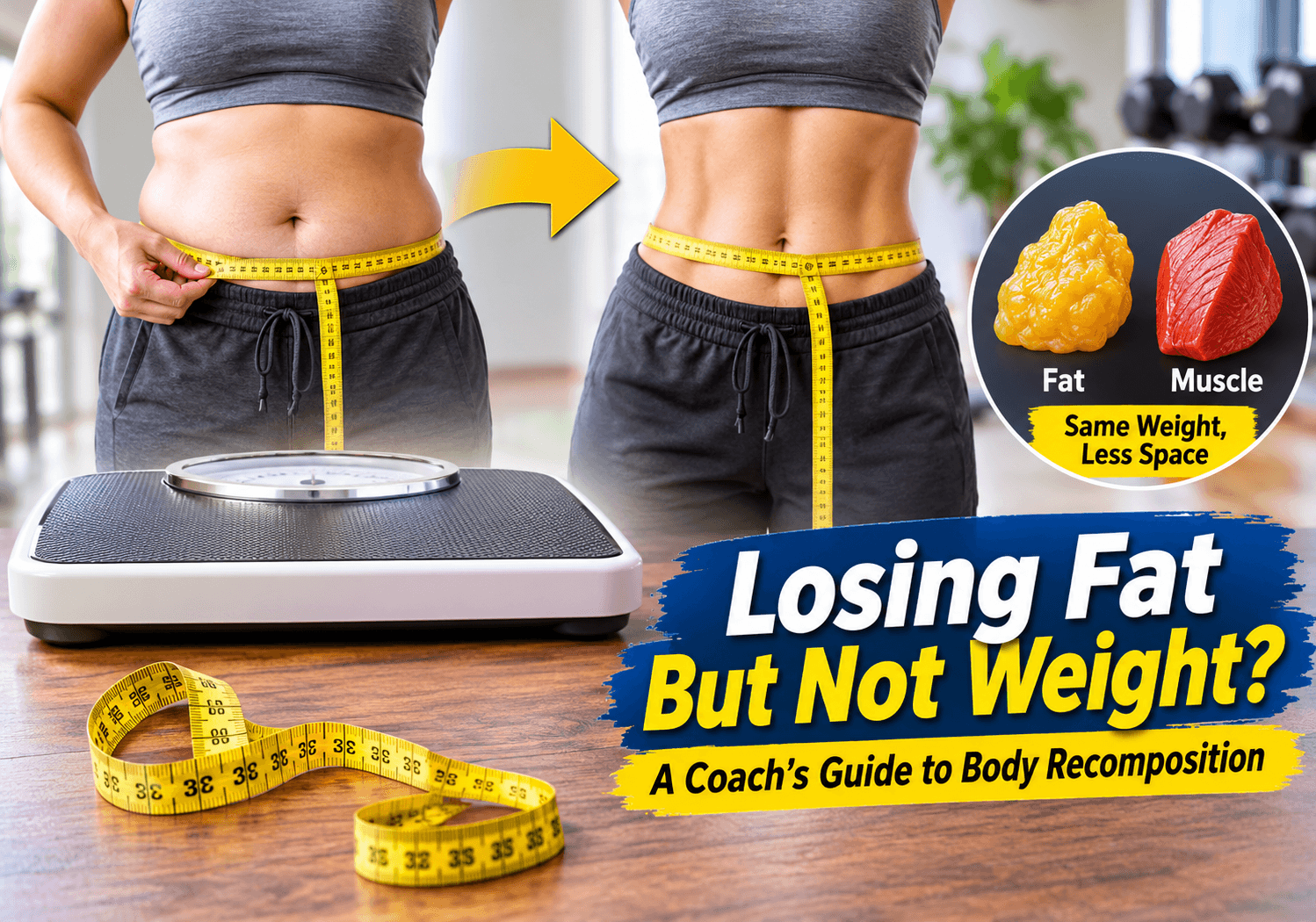
You step onto the scale every morning expecting the numbers to drop, but the reading stays stubbornly frozen. Yet, when you put on your favorite pair of jeans, the waistband feels noticeably loose, and your shoulders look more defined in the mirror. You are losing fat but not weight, a classic physical transformation known in sports science as body recomposition.
When you start strength training, eating higher protein, or restructuring your exercise routine, your body undergoes simultaneous structural shifts. You drop subcutaneous fat while storing extra glycogen, water, and dense muscle tissue. The bathroom scale cannot distinguish between a pound of dense skeletal muscle and a pound of fluffy adipose tissue. It simply measures total gravitational pull. Understanding why this happens—and how to maximize it—is the key to staying motivated when the scale refuses to budge.
Quick Answer:
Losing fat but not weight occurs during body recomposition, where you lose adipose (fat) tissue while simultaneously building skeletal muscle mass or retaining water and glycogen. Because muscle tissue is significantly denser than fat tissue, your overall body volume shrinks even though your total scale weight remains stable.
The Science of Body Recomposition: Fat Loss vs. Weight Loss
Total body weight is a composite metric. It includes bone mass, internal organs, blood volume, muscle tissue, stored glycogen, water, and body fat. When people say they want to lose weight, they almost universally mean they want to lose fat.
When you maintain a mild calorie deficit combined with progressive resistance training, your body mobilizes stored triglycerides from fat cells to convert into usable energy. Simultaneously, strength training triggers muscle protein synthesis, causing your muscle fibers to repair and grow thicker.
According to research published in the Journal of Strength and Conditioning Research, trained and untrained individuals alike can build muscle mass while losing body fat under appropriate nutrition and training conditions. Because skeletal muscle is approximately 18% denser than body fat, a pound of muscle takes up far less physical space on your frame than a pound of fat.
| Tissue Type | Density (g/cm³) | Space Occupied per lb (approx.) | Primary Function |
| Skeletal Muscle | 1.06 g/cm³ | ~429 mL | Movement, metabolic engine, glucose storage |
| Adipose (Fat) | 0.90 g/cm³ | ~504 mL | Energy storage, hormone regulation, insulation |
As seen in the table above, replacing one pound of fat with one pound of muscle leaves your weight unchanged, yet your physical dimensions shrink.
Why Is the Scale Not Moving While Your Body Changes?
1. Muscle Gain Counteracts Fat Loss
If you lose 0.5 lb (0.22 kg) of fat in a week while gaining 0.5 lb (0.22 kg) of lean muscle tissue, the net scale change is zero. However, your physique will look tighter, harder, and more athletic. Beginners, individuals returning from a layoff, and people carrying higher initial fat levels undergo this rapid shift most dramatically.
2. Intramuscular Water and Glycogen Retention
When you start a new lifting program, your body stores extra carbohydrates inside muscle tissue in the form of glycogen. Every single gram of stored glycogen binds to approximately 3 to 4 grams of water, as highlighted by clinical data from the American Journal of Clinical Nutrition. This localized hydration inflates muscle cells (making them look fuller) and adds weight on the scale, masking your initial fat loss.
3. Exercise-Induced Inflammation
Lifting weights creates microscopic micro-tears in muscle fibers. The body repairs these tears through a temporary inflammatory response, pulling fluid and white blood cells into the muscle tissue to promote recovery. This temporary fluid retention can add 1 to 4 lb (0.45 to 1.8 kg) on the scale for several days after an intense workout.
4. Hormonal and Cortisol Fluctuations
High physical stress, poor sleep, or aggressive dieting elevates your body’s production of cortisol. Elevated cortisol levels cause temporary water retention, particularly in the subcutaneous space beneath the skin. Poor sleep cycles directly impact your metabolic efficiency; learning how sleep affects metabolism and weight management helps minimize excess cortisol-induced fluid retention.
5 Practical Steps to Maximize Fat Loss Without Losing Muscle
Step 1: Establish a Modest Calorie Deficit
Aggressive crash diets force your body to break down lean muscle tissue for fuel alongside fat, slowing your resting metabolic rate. Aim for a small calorie deficit of 300 to 500 calories below your total daily energy expenditure (TDEE). This conservative deficit gives your body enough energy to build muscle tissue while still forcing it to burn stored body fat.
Understanding what affects metabolism and body weight allows you to calibrate your energy intake without triggering metabolic adaptation.
Step 2: Prioritize Dietary Protein Intake
Protein provides the essential amino acids required to repair damaged muscle fibers and synthesize new tissue. Aim for 0.7 to 1.0 gram of protein per pound of total body weight (1.6 to 2.2 grams per kg). Consuming high-protein meals also stimulates satiety hormones like GLP-1 and PYY, making it far easier to stick to your nutrition plan.
Research shows that higher protein intakes protect lean mass during fat loss phases. For a deeper look at dietary strategies, see our guide on protein intake, metabolism, and weight loss. Additionally, ensuring adequate intake of key micronutrients is vital; read about which vitamins support metabolism when you have a deficiency to support overall energy production.
Step 3: Train with Progressive Resistance
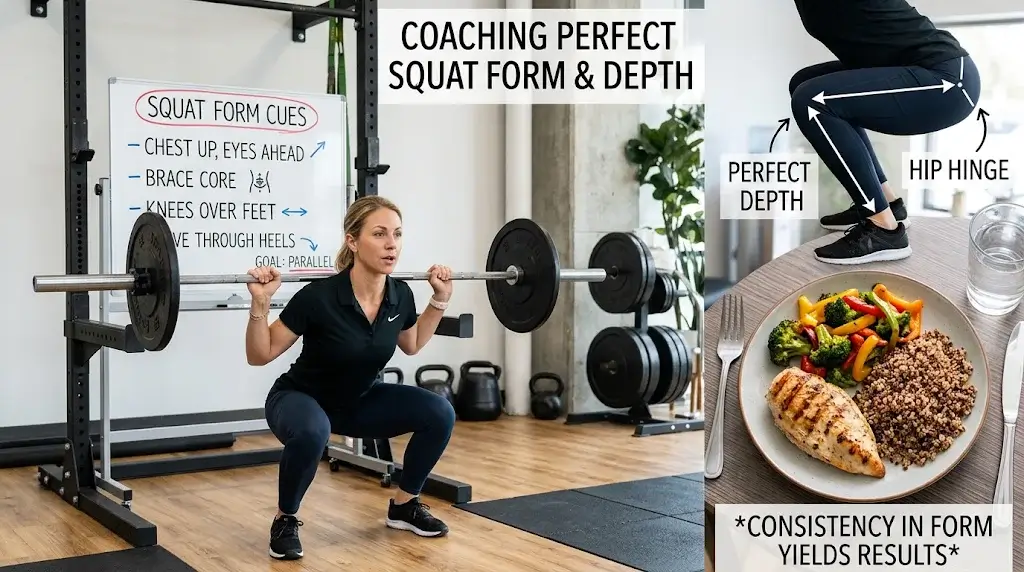
Cardio burns calories during the session, but heavy resistance training alters your overall body composition long-term. Perform compound movements like squats, deadlifts, overhead presses, and rows 3 to 4 times per week. Focus on progressive overload—gradually increasing the load, reps, or control over time.
Step 4: Manage Appetite and Satiety Naturally
Controlling hunger is key to sticking with your target calorie range long enough to see visible changes. Including dietary fiber and nutrient-dense foods keeps gastric emptying slow and blood sugar steady. Discover what helps control hunger during weight loss for simple strategies to manage appetite without feeling deprived.
Step 5: Sleep 7 to 9 Hours Per Night
Sleep is when growth hormone peaks and tissue repair occurs. Chronic sleep deprivation reduces your insulin sensitivity and shifts weight loss toward lean muscle loss rather than fat loss.
How to Track Progress When the Scale Fails
If you rely solely on a standard bathroom scale, you risk throwing away an effective routine out of frustration. Use these objective tracking tools instead:
Circumference Measurements: Take bi-weekly tape measurements of your waist (at the navel), hips, chest, arms, and thighs. A shrinking waist paired with stable body weight confirms you are successfully losing fat while retaining or gaining muscle.
- Standardized Progress Photos: Take photos every 2 to 4 weeks under identical lighting, time of day (preferably morning, fasted), and posing angles (front, side, back).
- Logbook Performance: If your strength metrics on key exercises (e.g., bench press, Romanian deadlifts) are going up while your waist size drops, your body recomposition plan is working perfectly.
- Bioelectrical Impedance or DEXA Scans: While consumer bioelectrical scales can fluctuate based on hydration, professional dual-energy X-ray absorptiometry (DEXA) scans provide precise readings of skeletal tissue, bone density, and visceral versus subcutaneous fat.
4-Week Strength Routine for Body Recomposition
To encourage your body to shift away from storing fat and toward building lean tissue, follow this structured 4-day upper/lower strength split.
The Workout Overview
| Session | Focus | Primary Exercises | Rest Intervals |
| Day 1: Upper A | Push / Pull Strength | Dumbbell Bench Press, Bent-Over Rows | 90–120 sec |
| Day 2: Lower A | Squat / Hinge Strength | Barbell Goblet Squats, Romanian Deadlifts | 90–120 sec |
| Day 3: Off | Active Recovery | Walking, Mobility Drills | N/A |
| Day 4: Upper B | Hypertrophy & Arms | Overhead Dumbbell Press, Lat Pulldowns | 60–90 sec |
| Day 5: Lower B | Unilateral & Core | Bulgarian Split Squats, Cable Pull-Throughs | 60–90 sec |
| Day 6 & 7: Off | Full Recovery | Light Activity, Sleep Focus | N/A |
Exercise Execution Guidelines
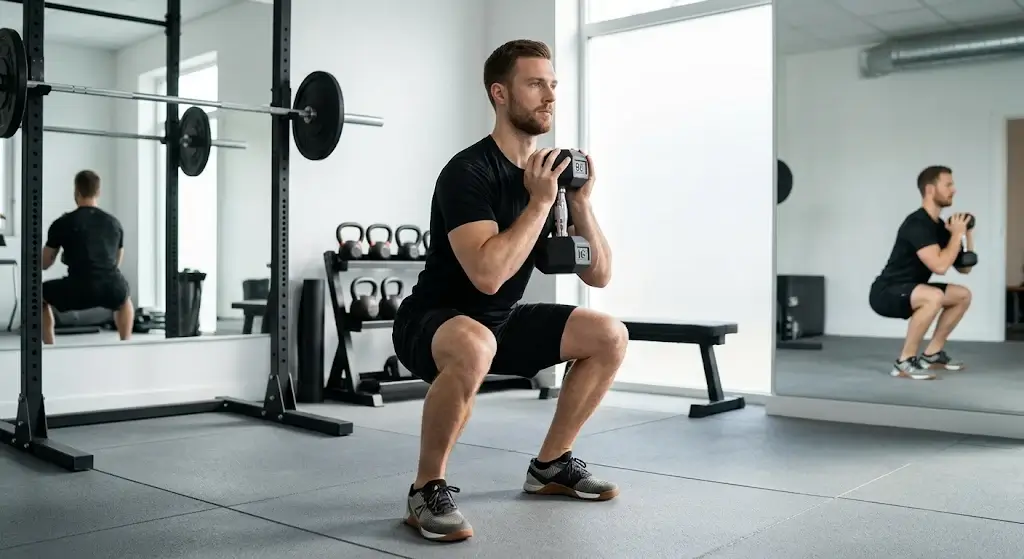
Goblet Squat (Lower Body Anchor)
- Setup: Stand with feet shoulder-width apart, holding a 35 lb [16 kg] kettlebell or dumbbell vertically against your chest.
- Execution: Hinge at the hips and bend knees simultaneously, sitting down between your ankles. Keep chest up and elbows inside knees at the bottom. Drive through your mid-foot to return to the top position.
- Cues: “Spread the floor with your feet, keep your chest proud.”
Romanian Deadlift (Hinge Anchor)
- Setup: Hold a 65 lb [29.5 kg] barbell at hip height with an overhand grip. Soften your knees slightly.
- Execution: Push your hips straight back toward the wall behind you while keeping the bar sliding down your thighs. Lower until you feel a deep stretch in your hamstrings, then contract your glutes to pull your torso upright.
- Cues: “Close the car door with your butt, keep the bar close to your shins.”
Coach’s Tip:
Stop judging your workouts by how much you sweat or how sore you feel the next day. Sweating reflects heat management, and soreness indicates novelty, not muscle growth. Focus on adding one extra rep or a small increment of weight (e.g., 2.5 lb [1.1 kg]) to your lifts each week while maintaining strict form. That is the true engine of body recomposition.
Common Mistake:
Dropping your calories too low (below 1,200–1,400 calories daily for most adults) while doubling up on intense cardio. This combination causes your body to break down muscle tissue for energy, tanking your metabolic rate and leaving you with a “skinny-fat” outcome where your weight drops but your body fat percentage stays high.
Regressions and Progressions for Key Movements
To keep your training safe and effective regardless of your current fitness level, adapt your main compound lifts using regressions (easier variants) or progressions (harder variants):
- Goblet Squat:
- Regression: Bodyweight Box Squat (reduces balance demands and controls depth).
- Progression: Barbell Back Squat or Front Squat (allows heavier loading for greater mechanical tension).
- Push-Up / Press:
- Regression: Incline Push-Up off a secure bench or rack bar (reduces percentage of bodyweight lifted).
- Progression: Deficit Push-Up or Weighted Dumbbell Bench Press (increases range of motion and load).
Who Should Be Careful with Body Recomposition?
While body recomposition is ideal for many fitness enthusiasts, certain individuals should adjust their approach:
- Older Adults: Aging is naturally accompanied by loss of muscle tissue (sarcopenia). Read our specialized guide on how to increase metabolism naturally after 40 for specific age-adjusted training considerations.
- Athletes in Deep Deficits: Advanced competitors preparing for weight-class sports need precise, rapid scale adjustments and should work directly with a certified sports dietitian.
- Individuals Recovering from Injuries: Joint or connective tissue issues require low-impact regressions and cleared rehab protocols before introducing heavy resistance loads.
Disclaimer: This article is for general information and is not a substitute for advice from a doctor or physical therapist.
Frequently Asked Questions
Why am I losing inches but not weight?
You are losing subcutaneous body fat while building or maintaining lean muscle tissue. Because muscle density is greater than fat density, your body volume decreases while your scale weight remains steady.
How long does body recomposition take to show results?
Initial visual changes, such as looser clothing and firmer muscles, typically appear within 4 to 6 weeks. Significant changes in body fat percentage and muscular definition usually take 12 to 16 weeks of consistent strength training and proper nutrition.
Can beginners lose fat and gain muscle at the same time?
Yes. Beginners experience the most rapid body recomposition because their neuromuscular systems adapt quickly to resistance training stimulus, enabling simultaneous fat loss and muscle hypertrophy even in a moderate calorie deficit.
Does cardio help with losing fat without losing weight?
Cardio burns calories and supports cardiovascular health, but excessive cardio without resistance training can cause muscle loss. Combine moderate cardio with progressive strength training to preserve lean tissue while burning body fat.
How do I know if I am losing fat or water weight?
Water weight fluctuates rapidly day-to-day (1 to 5 lbs) based on sodium intake, stress, and glycogen levels. Fat loss occurs gradually over weeks and is accompanied by consistent drops in waist circumference and improved muscle definition.
Should I eat at maintenance calories or a deficit for body recomposition?
A slight calorie deficit (200–400 calories below TDEE) works best for individuals carrying excess body fat. Those who are already lean should eat at maintenance calories while prioritizing high protein and progressive lifting.
Conclusion
Seeing the bathroom scale freeze when you are putting effort into your diet and workouts can feel frustrating. However, losing fat but not weight is proof that your body recomposition strategy is working. By converting soft adipose tissue into active, dense muscle mass, you build a faster metabolic engine, improve your physical performance, and shrink your waistline.
Stop letting a single gravitational metric dictate your progress. Focus on hitting your daily protein targets, lifting progressively heavier weights, getting quality sleep, and tracking your body measurements. The scale will eventually reflect your hard work—but your mirror, your strength logs, and your loose-fitting clothes will prove it first.