Skin tags are one of the most common, harmless skin concerns people encounter as they navigate daily life, exercise, and aging. If you have ever noticed a small, flesh-colored flap of skin rubbing against your collar or underarm, you are certainly not alone. Understanding what causes skin tags and how to prevent them empowers you to take proactive steps toward better skin comfort, reduced irritation, and overall body confidence.

While fitness coaches typically focus on building strength, improving mobility, and optimizing nutrition, skin health is an integral part of physical wellness. Skin integrity affects how comfortable you feel during intense workouts, long runs, and daily movement. When clothing or equipment chafes against sensitive areas, friction can become a daily annoyance. This comprehensive guide explores the root biological mechanisms behind acrochordons (the medical term for skin tags), evaluates modern dermatological removal techniques, and outlines evidence-based prevention strategies.
Quick Answer
Skin tags are caused primarily by friction between skin folds and clothing, combined with genetic predisposition, hormonal shifts, and metabolic factors like insulin resistance. You can help prevent them by reducing skin-on-skin friction, wearing breathable fabrics, maintaining a healthy body weight, and keeping high-friction zones dry and clean.
Understanding the Biology: What Are Skin Tags?
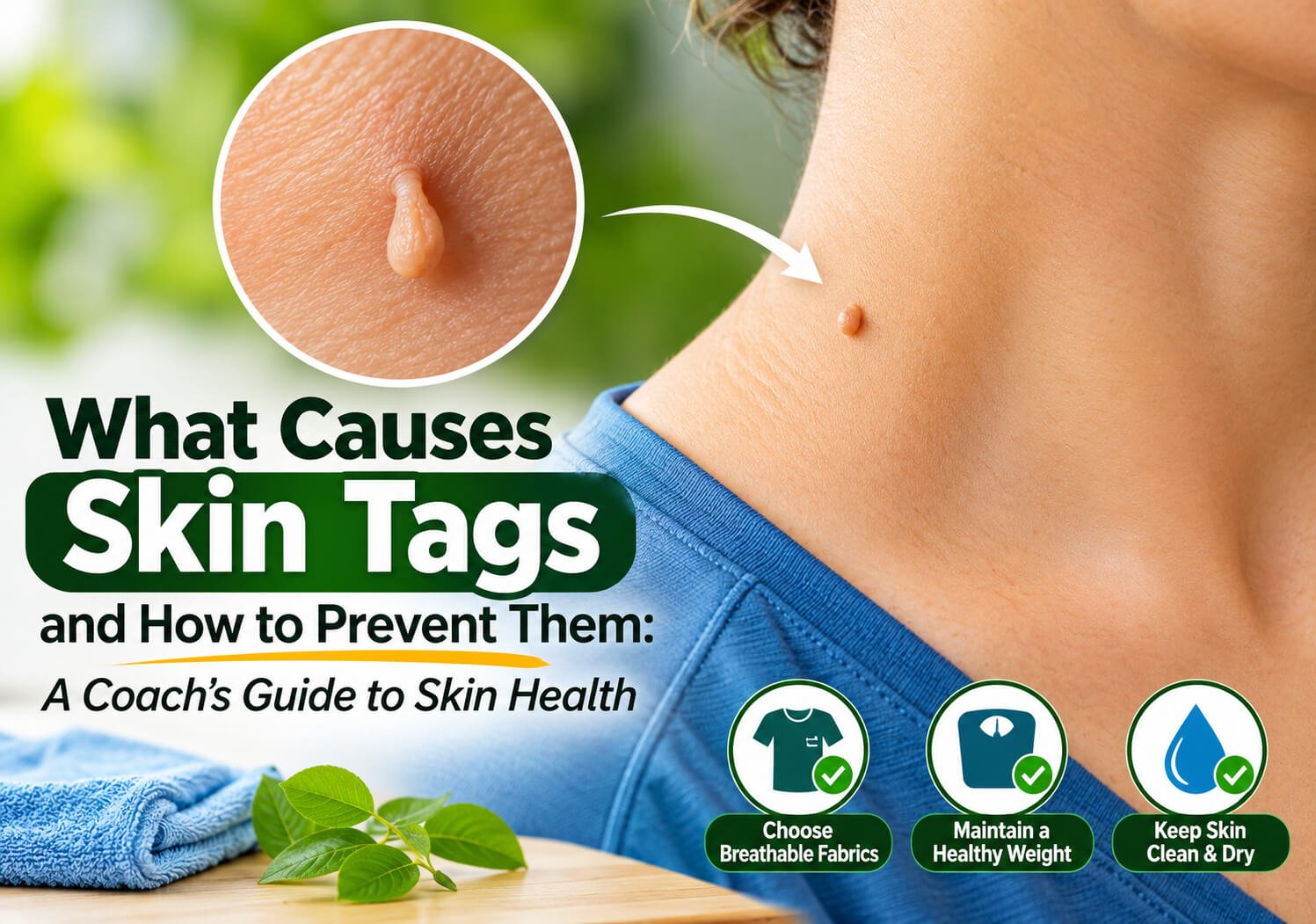
To understand how to prevent skin tags, you must first understand what they actually are. Scientifically known as acrochordons, skin tags are small, benign (non-cancerous) growths that hang off the surface of the skin by a tiny connecting stalk called a peduncle.
According to the American Academy of Dermatology, skin tags are composed of loose collagen fibers and blood vessels surrounded by a protective outer layer of skin called the epidermis. They are entirely non-cancerous and have no malignant potential. They typically range in size from a tiny pinhead (about 0.04 inches or 1 mm) up to the size of a grape (around 0.5 inches or 12 mm or larger in rare cases).
While they are physically harmless, skin tags can become irritated, inflamed, or painful when they snag on jewelry, zippers, athletic compression gear, or razor blades. They commonly appear in areas where skin rubs against skin or clothing, such as:
- The sides and back of the neck
- The armpits (axillae)
- The groin and inner thighs
- Beneath the breasts
- Eyelids and upper chest folds
Detailed Explanation: What Causes Skin Tags?
Dermatological research indicates that skin tag development is multifactorial. No single trigger accounts for every growth; rather, a combination of mechanical, genetic, and metabolic influences creates the ideal environment for an acrochordon to form.
1. Mechanical Friction and Chafing
The most direct physical catalyst for skin tags is continuous friction. When two surfaces of skin rub together—or when clothing seams, stiff collars, and athletic straps constantly abrade the same patch of skin—the epidermal and dermal layers react. Over time, this repetitive mechanical stress stimulates localized cell proliferation. The skin responds to chronic shearing forces by producing excess collagen and blood vessels, ultimately forming a protruding stalk.
2. Genetic Predisposition and Family History
Genetics play a substantial role in skin tag formation. If your parents or siblings frequently develop acrochordons, you are statistically much more likely to develop them as well. Inherited variations in skin elasticity, collagen structure, and baseline dermal sensitivity mean some individuals are genetically wired to produce these benign growths under minimal frictional stress.
3. Hormonal Fluctuations
Hormones exert a powerful influence over skin cell turnover and tissue growth. Skin tags frequently appear or multiply during periods of significant hormonal shifts, such as pregnancy. During pregnancy, elevated levels of estrogen and progesterone alter connective tissue composition and increase vascular proliferation. Furthermore, growth factors circulating during pregnancy can stimulate dermal cells to proliferate in friction-prone areas.
4. Metabolic Health and Insulin Resistance
Emerging clinical studies published via the National Institutes of Health reveal a compelling link between skin tags and metabolic health. Research suggests that individuals with multiple, widespread skin tags may have a higher prevalence of insulin resistance, Type 2 diabetes, elevated triglycerides, and dyslipidemia. Elevated circulating insulin and insulin-like growth factor-1 (IGF-1) can stimulate skin cell growth, serving as an internal catalyst for acrochordon development. Addressing overall metabolic function through nutrition and physical activity—such as understanding what affects metabolism and body weight—is a cornerstone of holistic wellness.
Skin Tag Risk Factors, Biological Mechanisms, and Prevention Focus
| Risk Factor | Underlying Mechanism | Primary Prevention Strategy |
| Mechanical Friction | Chronic shearing and rubbing of skin folds or tight apparel | Wear moisture-wicking, seamless apparel; reduce chafing |
| Genetics / Family History | Inherited variations in collagen synthesis and skin elasticity | Regular skin monitoring; early gentle friction management |
| Pregnancy & Hormones | Elevated estrogen, progesterone, and circulating growth factors | Soft, non-constrictive clothing; gentle skin fold hygiene |
| Insulin Resistance & Obesity | Elevated insulin/IGF-1 levels stimulating cell proliferation | Balanced nutrition, regular exercise, and how to support metabolism naturally for weight management |
| Aging | Progressive loss of skin elasticity and dermal resilience | Proper skin hydration, anti-inflammatory nutrition, and skin care |
How to Prevent Skin Tags: Practical, Actionable Steps
While you cannot alter your genetics, you can actively modify your environment, wardrobe, and lifestyle to minimize the triggers that encourage skin tags to form. As a coach, I view prevention through the lens of daily habits and physical modifications.

1. Optimize Your Wardrobe and Athletic Gear
Since mechanical friction is a primary driver, examining what touches your skin every day is essential.
- Choose Breathable Fabrics: Opt for soft, natural fibers like organic cotton or high-performance, seamless moisture-wicking athletic fabrics that glide smoothly over the skin rather than gripping or rubbing.
- Avoid Tight Collars and Straps: If your workout shirts have rigid seams or stiff collars that constantly scrape your neck, switch to tagless, soft-collared apparel.
- Manage Chafing Zones: For runners, cyclists, and lifters, apply anti-chafing balm, body glide, or wear compression shorts to eliminate skin-on-skin friction in the inner thighs and underarms.
2. Maintain a Healthy Body Weight and Metabolic Balance
Because excess adipose tissue creates additional skin folds and is frequently associated with insulin resistance, maintaining a healthy body composition is a powerful preventative measure. Engaging in regular resistance training and cardiovascular exercise helps improve insulin sensitivity. If you want to optimize your internal energy systems, exploring strategies to increase metabolism naturally for weight loss can support your long-term body composition goals.
3. Keep Skin Folds Clean and Dry
Moisture trapped in skin folds (such as the armpits, groin, and under the breasts) softens the stratum corneum (outer skin layer), making it more susceptible to friction damage and irritation.
- Wash high-friction areas daily with a gentle, pH-balanced cleanser.
- Thoroughly pat dry after showering rather than rubbing aggressively with a towel.
- Consider using talc-free powders or breathable barrier creams if you live in a humid climate or engage in heavy endurance training.
4. Support Skin Health from the Inside Out
Your skin requires adequate hydration, essential fatty acids, and antioxidants to maintain structural resilience. Incorporating anti-inflammatory nutrients into your daily routine supports overall dermal integrity. For instance, maintaining adequate omega-3 intake supports omega-3 fatty acids skin hydration and inflammation regulation, while protecting your cellular matrix with astaxanthin supplement skin glow anti-aging compounds helps defend against oxidative stress. Furthermore, ensuring optimal nutritional scaffolding through discover the best time to take collagen powder for skin absorption gives your body the raw amino acids necessary to support robust, healthy connective tissue.
Safe Removal Options vs. Dangerous DIY Methods
If you already have skin tags that snag on clothing or cause discomfort, you may be tempted to remove them yourself. However, dermatologists strongly advise against DIY bathroom surgery.
Common Mistake: Attempting to remove skin tags at home by tying dental floss or thread around the base (ligation), cutting them off with nail clippers, or burning them off with chemical acids.
The Fix: Leave skin tag removal to qualified medical professionals. DIY methods carry a high risk of severe bacterial infection, uncontrollable bleeding, permanent scarring, and incomplete removal.
Professional Dermatological Removal Procedures
When performed in a sterile clinical environment by a board-certified dermatologist, skin tag removal is quick, virtually painless, and cosmetically clean. Common clinical techniques include:
- Cryotherapy: The physician applies a controlled micro-spray of liquid nitrogen to freeze the base of the skin tag. The tissue naturally falls off within 7 to 14 days.
- Electrocautery (Electrosurgery): A specialized medical probe delivers a high-frequency electrical current to coagulate the blood vessel supplying the skin tag, causing it to instantly vaporize or dry up and detach.
- Surgical Excision: The dermatologist uses sterile medical scissors or a scalpel to snip the skin tag off in a single, clean motion. Local numbing agents are rarely needed for small tags, though they can be applied for larger growths.
Safety Notes and When to See a Dermatologist
While the vast majority of skin growths that look like skin tags are completely benign acrochordons, you should always have any new or changing skin lesion evaluated by a qualified healthcare professional or dermatologist.
Important Safety Advisory: If you notice a growth that changes rapidly in size, shape, or color, begins to bleed spontaneously, causes severe pain, or has irregular borders and multiple color tones, schedule an appointment with a dermatologist immediately. These can be signs of atypical moles, warts, or skin malignancies that require professional biopsy.
If you are pregnant, managing diabetes, or taking blood-thinning medications, do not attempt any form of self-treatment. Always consult your primary care physician or dermatologist before pursuing removal options.
This article is for general information and is not a substitute for advice from a doctor or physical therapist.
Frequently Asked Questions
Are skin tags contagious?
No, skin tags are not contagious. They are not caused by viruses, bacteria, or fungal infections, meaning you cannot catch a skin tag from someone else nor can they spread from one part of your body to another through contact. They arise strictly from internal and mechanical factors.
Can weight loss make existing skin tags disappear?
Weight loss cannot make existing, established skin tags disappear on its own. Once collagen fibers and blood vessels form an acrochordon stalk, it remains intact. However, losing weight and reducing body fat can significantly prevent new skin tags from forming by eliminating deep skin folds and reducing friction.
Why do skin tags suddenly appear during pregnancy?
Skin tags frequently appear during pregnancy due to a combination of hormonal surges (specifically elevated estrogen and progesterone), increased blood volume, and rapid weight gain creating new skin folds. These biological shifts stimulate localized tissue growth, making pregnancy a common time for acrochordons to develop.
Are skin tags a warning sign of prediabetes or diabetes?
Clinical research has shown a strong statistical correlation between multiple, widespread skin tags and insulin resistance or Type 2 diabetes. While having one or two skin tags is common and typically meaningless, having dozens of them can serve as an external indicator to check your metabolic and blood sugar markers.
Can tight clothing cause skin tags to grow?
Yes, wearing tight clothing, rigid athletic straps, or restrictive undergarments that constantly chafe against the skin can induce skin tags. The continuous mechanical friction and pressure stimulate skin cells to proliferate, eventually creating the characteristic hanging stalk of an acrochordon over time.
Conclusion
Navigating skin health is a vital component of living an active, comfortable life. While skin tags are completely harmless, understanding what causes skin tags and how to prevent them allows you to minimize friction, upgrade your daily wardrobe choices, and support your metabolic wellness. By focusing on breathable fabrics, skin fold hygiene, proper nutrition, and professional dermatological care when removal is desired, you can keep your skin smooth, healthy, and irritation-free.