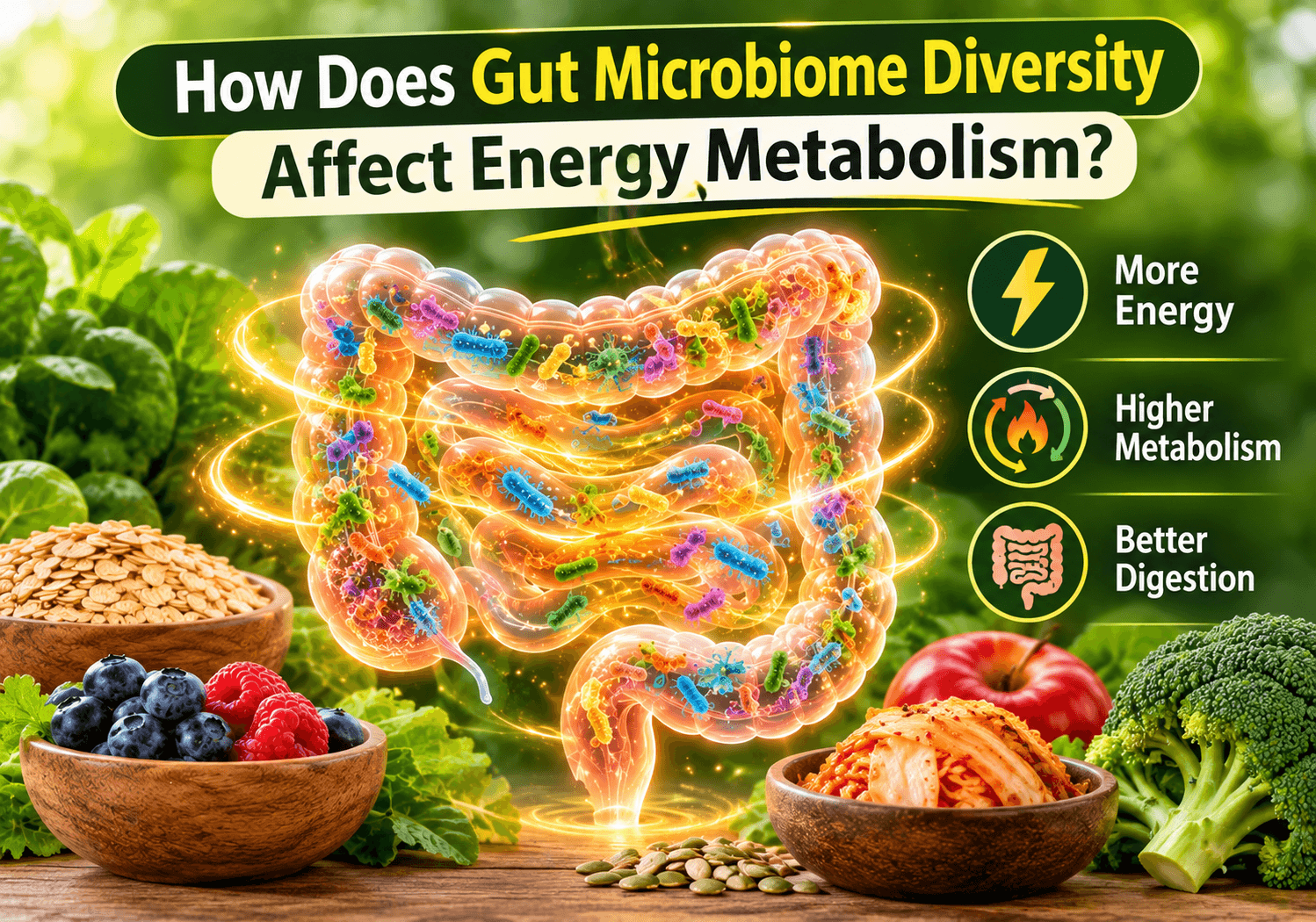
You can dial in your macros, track every gram of protein, and hit the gym four days a week, yet still feel like your internal battery never charges past 60 percent. When energy stalls and body composition refuses to budge, the missing variable often lives inside your digestive tract rather than on your training log. Understanding how does gut microbiome diversity affect energy metabolism explains why two people eating the exact same 2,200-calorie diet can experience wildly different energy levels, recovery speeds, and fat-loss outcomes.
Your gastrointestinal tract houses trillions of microorganisms—bacteria, fungi, viruses, and archaea—collectively known as the gut microbiome. When this ecosystem features a wide variety of beneficial bacterial species, it acts like a high-efficiency metabolic engine that extracts energy from food, regulates blood sugar, and communicates directly with your muscles and brain. When diversity drops, that engine sputters, leaving you sluggish, inflamed, and prone to energy crashes.
Quick Answer: Gut microbiome diversity regulates energy metabolism by breaking down indigestible dietary fibers into short-chain fatty acids (SCFAs) like butyrate, propionate, and acetate. A diverse bacterial ecosystem enhances mitochondrial energy production, improves insulin sensitivity, triggers fullness hormones like GLP-1, and reduces low-grade systemic inflammation that otherwise slows down your resting metabolic rate and causes fatigue.
What Does the Research Say About Gut Microbiome Diversity and Energy Metabolism?
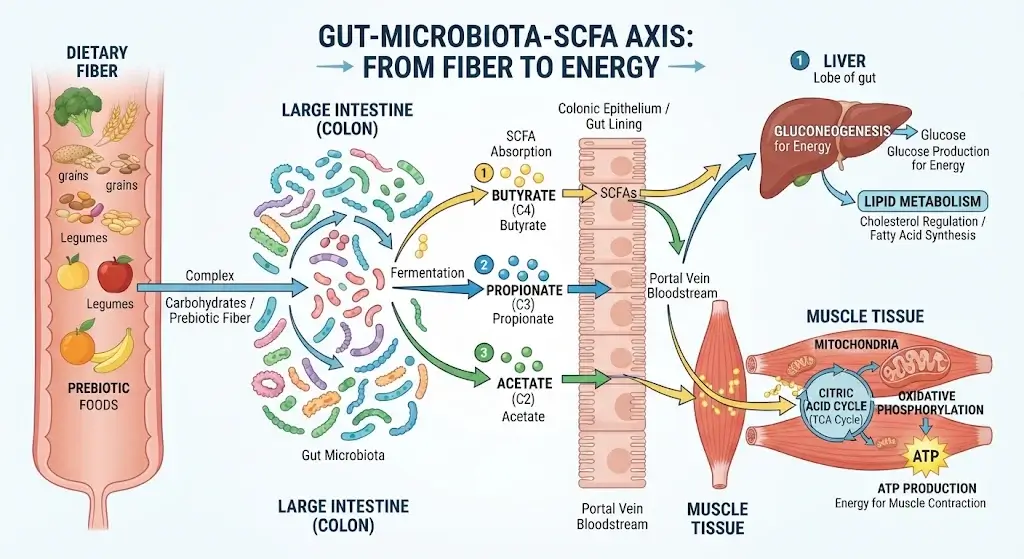
To understand how does gut microbiome diversity affect energy metabolism, you have to look at what happens after your stomach and small intestine finish digesting proteins, fats, and simple carbohydrates. Human digestive enzymes cannot break down complex plant fibers, resistant starches, and polyphenols. Instead, those compounds travel down to your colon, where your gut microbes ferment them into bioactive fuel.
Research published in PMC / NIH on gut microbiota and host energy metabolism demonstrates that the composition and richness of intestinal bacteria directly govern how much energy the body harvests from food and how it stores or burns those calories. A diverse microbiome contains specialized bacterial families that work together in a metabolic assembly line. If you lack key species, that assembly line breaks down, reducing your body’s capacity to generate clean, steady cellular energy.
The Short-Chain Fatty Acid (SCFA) Powerhouse
The primary way gut bacteria influence your daily energy is through the production of short-chain fatty acids (SCFAs)—specifically butyrate, propionate, and acetate. When beneficial microbes ferment soluble fiber, they release these compounds into your bloodstream, where they act as both direct fuel and metabolic signaling molecules.
- Butyrate: Serves as the primary energy source for the cells lining your colon, keeping your intestinal barrier tight and preventing leaks. Beyond the gut, butyrate travels to skeletal muscle and brown adipose tissue, where studies in PubMed on butyrate and mitochondrial function show it stimulates mitochondrial biogenesis and increases fatty acid oxidation.
- Propionate: Travels straight to the liver, where it helps regulate gluconeogenesis (the creation of new glucose) and inhibits excess cholesterol synthesis. Propionate also signals the gut to release appetite-regulating peptides, helping stabilize blood sugar between meals.
- Acetate: Enters systemic circulation in the highest concentrations, traveling to peripheral tissues—including your heart, brain, and skeletal muscles—where it is converted into acetyl-CoA to feed the Krebs cycle for immediate ATP energy production.
Insulin Sensitivity, Blood Sugar, and Metabolic Flexibility
Healthy energy metabolism relies on metabolic flexibility—your body’s ability to smoothly switch between burning carbohydrates during high-intensity workouts and burning fat at rest. Low microbial diversity impairs this switch by promoting insulin resistance.
Beneficial microbes such as Akkermansia muciniphila and Faecalibacterium prausnitzii help maintain a thick, healthy intestinal mucus layer and stimulate the secretion of glucagon-like peptide-1 (GLP-1) and peptide YY (PYY). According to research indexed by the National Institutes of Health (NIH) on gut hormones and microbiota, these gut-derived hormones slow gastric emptying, enhance insulin secretion in response to food, and tell your brain that you are full. When microbial diversity declines, GLP-1 signaling weakens, leading to sharper blood sugar spikes after meals followed by energy-draining crashes.
Systemic Inflammation and Mitochondrial Slowdown
When gut diversity drops—a state known as dysbiosis—opportunistic, pro-inflammatory bacteria take over and thin out the protective mucosal lining of your intestines. This increases intestinal permeability, allowing bacterial cell wall fragments called lipopolysaccharides (LPS) to slip into your bloodstream.
The immune system recognizes LPS as an invader and launches a low-grade, chronic inflammatory response called metabolic endotoxemia. As detailed by the Harvard T.H. Chan School of Public Health Nutrition Source on the microbiome, chronic inflammation interferes with insulin receptors and forces your cells to divert energy toward immune defense rather than physical performance and tissue repair. Over time, elevated inflammatory cytokines impair mitochondrial efficiency in skeletal muscle, making routine workouts feel harder and leaving you chronically fatigued.
Bile Acid Transformation and Fat Metabolism
Your liver produces primary bile acids to help digest dietary fats, and your gut bacteria convert those into secondary bile acids. A diverse microbiome transforms bile acids into signaling molecules that activate specific cellular receptors—notably FXR and TGR5—in the liver, intestines, and muscle tissue. Activating the TGR5 receptor increases energy expenditure in brown fat and skeletal muscle by boosting thyroid hormone activation inside those cells, directly supporting your resting metabolic rate.
How Gut Diversity Compares: High Diversity vs. Low Diversity
When coaching clients through energy slumps or weight plateaus, looking at the downstream metabolic differences between a thriving gut ecosystem and a depleted one makes the physiology clear.
| Metabolic Factor | High Gut Microbiome Diversity | Low Gut Microbiome Diversity (Dysbiosis) |
| Primary Fuel Output | High production of butyrate, propionate, and acetate from fiber fermentation | Low SCFA output; higher production of inflammatory gases and toxic metabolites |
| Blood Sugar & Insulin | Strong GLP-1 and PYY signaling; steady glucose uptake and high insulin sensitivity | Blunted gut hormone response; rapid glucose spikes and reactive energy crashes |
| Gut Barrier Integrity | Thick mucus layer maintained by Akkermansia and butyrate-producing species | Thin mucosal barrier; elevated lipopolysaccharides (LPS) entering circulation |
| Mitochondrial Efficiency | Upregulated fat oxidation and biogenesis in skeletal muscle cells | Downregulated ATP production due to chronic low-grade inflammatory stress |
| Appetite & Satiety Cues | Clear hunger and fullness signals via the gut-brain axis | Persistent cravings for fast-digesting sugars and erratic hunger signals |
| Workout Recovery | Lower systemic inflammation and faster glycogen replenishment | Prolonged muscle soreness, sluggish recovery, and reduced training capacity |

How to Apply This: Practical Steps to Build Gut Diversity for Energy
In practice, shifting your microbiome toward higher diversity comes down to feeding a wider variety of beneficial microbes while using physical training and recovery habits that support intestinal health.
1. Hit the 30-Plant Weekly Target
The single strongest dietary predictor of gut microbiome diversity is the variety of whole plant foods you eat each week, not just total fiber grams. Different bacterial strains specialize in fermenting specific plant fibers and polyphenols.
- Count unique plant foods: Track every distinct vegetable, fruit, whole grain, legume, nut, seed, herb, and spice you eat from Monday to Sunday, aiming for 30 different varieties.
- Use a kitchen scale for fiber accuracy: Weigh out 1.4 to 2.1 oz (40 to 60 g) of oats, lentils, or mixed berries at meals to steadily build your total daily fiber intake toward 25 to 38 grams, which aligns with Mayo Clinic dietary fiber recommendations.
- Rotate your staples: If you always eat spinach, chicken, and white rice, swap in arugula, black beans, and cooled quinoa or potatoes. Cooling cooked starches creates resistant starch, a potent prebiotic fuel for butyrate-producing bacteria.
If you struggle to get enough soluble fiber from whole foods alone, learning how soluble fiber supports fullness and metabolic health can help you bridge the gap without digestive distress.
Coach’s Tip: Increase your fiber intake by no more than 5 grams every 4 to 5 days, and drink an extra 16 to 20 oz (475 to 600 ml) of water daily. Dumping 40 grams of fiber into an unadapted gut overnight causes bloating, cramping, and gas because your bacterial population needs time to multiply to handle the extra workload.
2. Add Fermented Foods Daily
While prebiotic fibers feed your existing bacteria, fermented foods introduce live microorganisms and beneficial fermentation byproducts directly into your digestive tract.
- Include 1 to 2 small servings daily of unsweetened kefir, plain Greek yogurt with live active cultures, sauerkraut, kimchi, tempeh, or miso.
- Check labels for “raw,” “unpasteurized,” or “live and active cultures,” as heat pasteurization kills the beneficial microbes.
- Pair fermented foods with a fiber-rich meal—such as topping a grain bowl with 2 tablespoons of raw sauerkraut—so the incoming microbes have immediate fuel.
3. Pair Zone 2 Cardio with Resistance Training
Exercise alters your gut microbiome independently of diet. Physical activity increases blood flow to the digestive tract, speeds up intestinal transit time, and stimulates the growth of SCFA-producing bacteria. Research published in Medicine & Science in Sports & Exercise via PubMed found that endurance exercise increases fecal concentrations of butyrate and enhances gut microbial diversity, particularly in previously sedentary adults.
Here is a practical weekly movement structure designed to stimulate gut motility and mitochondrial energy without overstressing your nervous system:
- Zone 2 Aerobic Sessions (3 days per week): Perform 35 to 45 minutes of brisk walking, cycling, or easy jogging at a conversational pace (60 to 70% of your maximum heart rate). If you walk outdoors, aim for a steady pace covering 2 to 2.5 miles (3.2 to 4 km).
- Full-Body Resistance Training (2 to 3 days per week): Focus on compound lifts like goblet squats, Romanian deadlifts, push-ups, and dumbbell rows. Use moderate loads—such as a 25 to 45 lb (11 to 20 kg) kettlebell or pair of dumbbells—for 3 sets of 8 to 12 reps with 90 seconds of rest between sets.
- Post-Meal Walks (Daily): Walk for 10 to 15 minutes covering roughly 0.5 miles (0.8 km) after your largest meals to assist gastric motility and blunt post-meal blood glucose spikes.
If you want to understand how combining nutrition and training optimizes your body’s ability to switch between fuel sources, explore our guide on how to boost metabolic flexibility.

4. Anchor Your Sleep and Circadian Rhythm
Your gut microbes operate on a 24-hour circadian clock that responds to when you eat and sleep. Irregular sleep schedules and late-night snacking disrupt microbial rhythms, shifting the balance toward bacteria associated with poor glucose tolerance.
- Aim for 7 to 9 hours of sleep per night with consistent wake and bedtimes within a 30-minute window.
- Finish your last calorie-containing meal 2.5 to 3 hours before bed to give your gut’s migrating motor complex time to sweep out undigested debris overnight.
- Seeing how poor sleep disrupts metabolic hormones underscores why protecting your bedtime is just as important as eating your vegetables.
Common Mistake: Relying on high-dose probiotic capsules while eating an ultra-processed, low-fiber diet. Taking a single-strain or 10-strain probiotic pill without eating fermentable plant fibers is like planting seeds in concrete—without prebiotic fuel, those bacteria cannot colonize or produce the short-chain fatty acids your metabolism needs.
Sample 1-Day Gut-Fueling Meal and Movement Routine
Putting these principles together does not require complicated recipes. Here is a simple, coach-tested blueprint that hits 12+ unique plant foods, supplies adequate protein for muscle repair, and pairs movement with digestion.
- 7:00 AM – Morning Hydration & Walk: Drink 16 oz (475 ml) of water upon waking, followed by a 15-minute brisk walk covering 0.75 miles (1.2 km) in morning daylight to set your circadian clock.
- 8:00 AM – Breakfast (5 Plants): 3 whole eggs scrambled with 1 cup spinach and diced bell peppers, served alongside 1.8 oz (50 g) dry rolled oats cooked with water, topped with 2 oz (57 g) blueberries, 0.5 oz (14 g) walnuts, and a dash of cinnamon.
- 12:30 PM – Lunch (5 Plants): 5 oz (140 g) grilled salmon over mixed greens (arugula and romaine), 2.5 oz (70 g) cooked quinoa, 2 oz (57 g) black beans, diced cucumber, and olive oil-lemon dressing.
- 4:30 PM – Training Session: 40 minutes of full-body strength training using a 35 lb (16 kg) kettlebell (3 sets of 10 goblet squats, 3 sets of 10 single-arm rows per side, 3 sets of 12 glute bridges, and 3 sets of 30-second plank holds), followed by a 10-minute cooldown walk.
- 6:30 PM – Dinner (4 Plants): 5 oz (140 g) roasted chicken breast, 5 oz (140 g) cooled and reheated roasted sweet potato, 3 oz (85 g) steamed broccoli, and 2 tablespoons raw sauerkraut on the side.
For readers looking to align their daily nutrient intake with steady cellular output, reviewing which nutrients support normal energy metabolism can help ensure you are not missing key cofactors like B vitamins and magnesium.

Safety Notes and Who Should Be Careful
While increasing plant diversity and fermented foods supports metabolic health for most healthy adults, rapid dietary shifts can backfire if you have an underlying gastrointestinal condition.
- IBS, SIBO, or IBD: If you have irritable bowel syndrome (IBS), small intestinal bacterial overgrowth (SIBO), Crohn’s disease, or ulcerative colitis, high-FODMAP fibers (like onions, garlic, beans, and certain fruits) and fermented foods can trigger severe bloating, pain, or diarrhea. Work with a registered dietitian to identify your personal tolerance thresholds.
- Histamine Intolerance: Fermented foods like sauerkraut, kimchi, and aged yogurt are high in histamine, which can cause headaches, flushing, or congestion in sensitive individuals.
- Medication Interactions: Sudden, large increases in leafy greens high in vitamin K can interfere with blood-thinning medications like warfarin. Always check with your doctor or physical therapist before making major changes to your diet, supplement routine, or exercise program.
Related Tips for Long-Term Metabolic Support
Building a resilient gut ecosystem takes consistency over weeks and months rather than days. Keep these practical habits in mind as you refine your routine:
- Prioritize polyphenols: Dark-colored plant foods—such as blueberries, pomegranate, green tea, extra-virgin olive oil, and 85% dark cocoa—act like prebiotics that selectively feed beneficial bacteria like Akkermansia muciniphila.
- Manage training stress: Overtraining with excessive high-intensity interval training (HIIT) without adequate rest raises cortisol and temporarily increases intestinal permeability. Balance hard lifting or sprint days with low-intensity recovery walks.
- Limit ultra-processed emulsifiers and artificial sweeteners: Frequent intake of synthetic emulsifiers (like polysorbate-80 and carboxymethylcellulose) and certain non-nutritive sweeteners can thin the gut’s protective mucus layer in sensitive individuals.
- Support overall metabolic habits: Combining gut-friendly nutrition with adequate protein and daily movement creates a compounding effect, as outlined in our complete guide on how to support metabolism naturally. You can also check out how probiotics relate to appetite and weight management if you are considering targeted supplementation alongside whole foods.

Frequently Asked Questions
Can improving gut bacteria boost your metabolism?
Improving gut bacteria does not act like a stimulant that spikes your heart rate, but it supports a healthier resting metabolic rate. Diverse microbes produce short-chain fatty acids that improve insulin sensitivity, activate fat-burning receptors in muscle and brown fat, and lower systemic inflammation that otherwise slows cellular energy production.
Why does an unhealthy gut make you feel tired?
An imbalanced gut microbiome produces fewer energy-yielding short-chain fatty acids and weakens your intestinal lining. This allows inflammatory bacterial toxins (LPS) into your bloodstream, triggering low-grade immune inflammation that impairs mitochondrial ATP production in your muscles and leaves you feeling physically drained and mentally foggy.
How do short-chain fatty acids produce energy?
When gut bacteria ferment indigestible dietary fiber, they create butyrate, propionate, and acetate. Butyrate directly fuels colon cells and stimulates mitochondrial activity in skeletal muscle, propionate helps the liver regulate blood glucose, and acetate travels through the bloodstream to muscles and organs to generate cellular ATP energy.
What foods increase gut microbiome diversity?
Eating a wide variety of whole plant foods—aiming for 30 different fruits, vegetables, whole grains, legumes, nuts, seeds, and spices per week—is the most effective way to boost diversity. Adding daily servings of live fermented foods like kefir, plain yogurt, kimchi, and raw sauerkraut further introduces beneficial microbes.
Does exercise improve gut microbiome diversity?
Yes, regular aerobic and resistance exercise increases gut microbiome diversity independently of diet. Moderate cardio like brisk walking or cycling increases blood flow to the intestines, improves gut motility, and boosts populations of bacteria that produce butyrate, supporting better energy metabolism and workout recovery.
How long does it take to improve gut health for energy?
Your gut bacteria begin shifting within 24 to 72 hours of changing your fiber and whole-food intake. However, building stable microbial diversity and noticing consistent improvements in daily energy, digestion, and workout recovery typically takes 3 to 6 weeks of steady dietary and exercise habits.
Conclusion
Understanding how does gut microbiome diversity affect energy metabolism shifts the way you approach both nutrition and training. Rather than viewing food strictly as calories in and calories out, you can treat every meal as an opportunity to fuel the trillions of microbes that regulate your blood sugar, protect your mitochondria, and keep systemic inflammation low.
Start simple this week: count how many unique plant foods you eat, gradually add 5 grams of fiber every few days, include a small serving of fermented food daily, and pair your strength workouts with regular Zone 2 walks. Over the next month, those small, repeatable inputs will compound into steadier energy, smoother digestion, and stronger performance in and out of the gym.