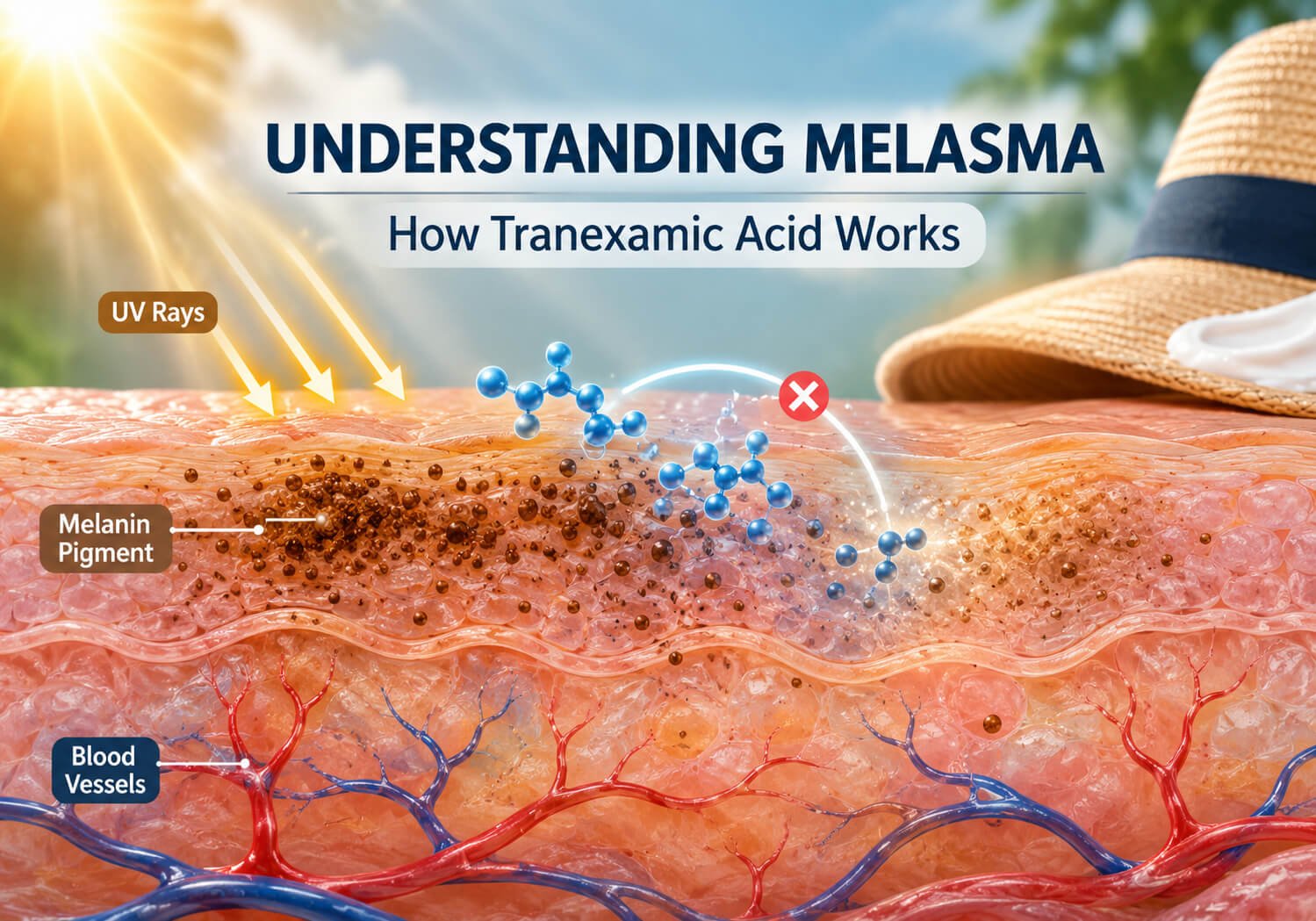
Stubborn dark patches across your cheeks, forehead, or upper lip can feel impossible to fade, even when you apply brightening serums every single morning and night. Many active people who train outdoors notice these symmetrical brown or gray-brown spots flaring up after sun exposure or heat, which is why dermatologists increasingly look toward internal targeted therapies. Understanding a tranexamic acid oral supplement for melasma how it works inside your body gives you the clarity to have an informed conversation with your doctor about whether this approach fits your skin recovery plan.
Unlike traditional topical creams that sit on the outer layer of your skin, oral tranexamic acid works from the inside out by interrupting the cellular signals that tell pigment-producing cells to go into overdrive. Originally developed to help blood clot properly, this synthetic amino acid derivative has become a well-researched option for stubborn hyperpigmentation when standard creams fall short.
Quick Answer
A tranexamic acid oral supplement for melasma how it works comes down to blocking the conversion of plasminogen into plasmin inside skin cells. By lowering plasmin activity, it stops UV light from triggering inflammatory messengers like arachidonic acid and vascular endothelial growth factor, which calms overactive melanocytes and slows excess melanin production.
Medical Disclaimer: Because oral tranexamic acid is a potent systemic medication used off-label in many regions for skin pigmentation, always consult a board-certified dermatologist or physician before starting any oral regimen.
What Is Melasma and Why Is It So Hard to Treat?
Melasma is a chronic skin condition marked by symmetrical, blotchy brown or blue-gray patches, most often appearing on sun-exposed areas of the face. According to the National Center for Biotechnology Information (NCBI), melasma involves a complex interaction between genetics, hormone fluctuations, and ultraviolet (UV) or visible light exposure.
Think of melasma like an overactive muscle that refuses to relax after a heavy training session. Even a tiny trigger—like a 20-minute outdoor run without a hat or heat from a hot yoga studio—can signal your skin to pump out excess pigment.
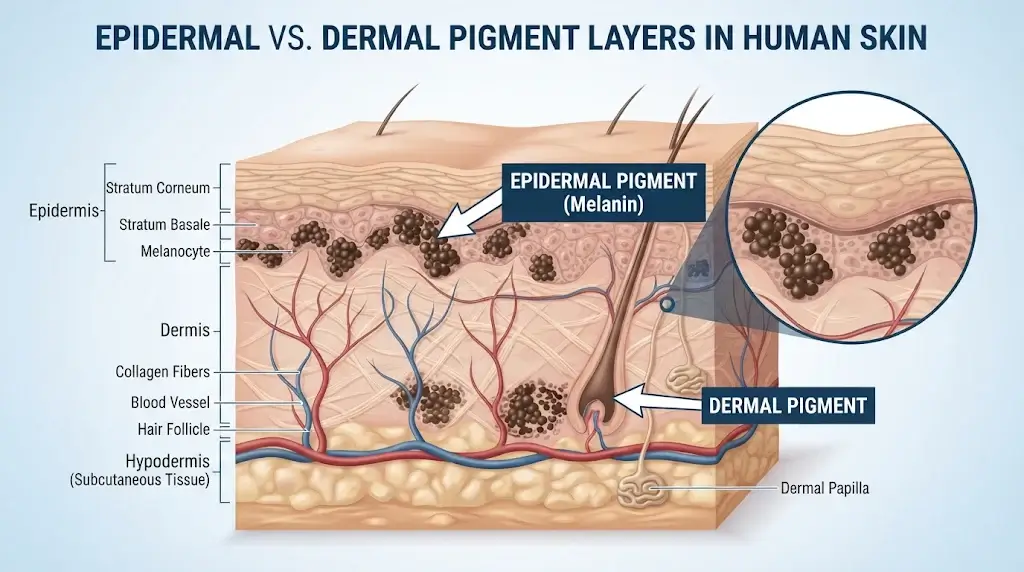
Melasma generally falls into three categories based on where the pigment sits:
- Epidermal melasma: Excess pigment sits in the top layer of skin (the epidermis), appearing dark brown with well-defined borders.
- Dermal melasma: Pigment sits deeper in the dermis, looking light brown or bluish-gray with blurry edges, making it harder for topical creams to reach.
- Mixed melasma: The most common type, combining both surface and deep pigment deposits alongside increased tiny blood vessels under the skin.
Tranexamic Acid Oral Supplement for Melasma: How It Works Step by Step
To grasp the mechanism of a tranexamic acid oral supplement for melasma how it works at the cellular level, you have to look at the chain reaction that happens when sunlight hits your face. Tranexamic acid (often abbreviated as TXA) is a synthetic derivative of the amino acid lysine.
When you swallow a low-dose tablet or capsule, it enters your bloodstream and travels to the skin’s microcirculation. Instead of bleaching existing pigment like harsh chemical peels, it blocks the upstream biological triggers before new pigment is even made.
1. Blocking the Plasminogen-Plasmin Pathway
When UV rays or heat hit your outer skin cells (keratinocytes), those cells release an enzyme called plasminogen activator. This enzyme converts inactive plasminogen into active plasmin.
Oral tranexamic acid binds reversibly to lysine-binding sites on plasminogen molecules. By occupying those spots, it prevents plasminogen from turning into active plasmin inside your skin tissue, effectively shutting down the first domino in the hyperpigmentation chain.
2. Calming Inflammatory Messengers
High levels of plasmin in the skin stimulate the release of free arachidonic acid and prostaglandins. These inflammatory chemicals act like megaphone announcements telling neighboring pigment cells (melanocytes) to start producing melanin as a defense shield.
By suppressing plasmin, oral tranexamic acid reduces arachidonic acid and prostaglandin levels. Research indexed on PubMed Central (PMC) notes that lowering these inflammatory mediators directly decreases the activity of tyrosinase, the primary enzyme responsible for manufacturing melanin.
3. Reducing Excess Blood Vessels (VEGF Inhibition)
Modern dermatology shows that melasma is not just a pigment issue; it also has a vascular component. Melasma patches frequently contain more tiny, dilated blood vessels than surrounding normal skin.
Active plasmin stimulates vascular endothelial growth factor (VEGF), a protein that encourages new blood vessel growth and feeds ongoing inflammation. Oral tranexamic acid helps downregulate VEGF activity, which reduces redness and calms the blood supply feeding stubborn dark spots.
Coach’s Tip: Think of topical creams as surface mobility work and oral tranexamic acid as systemic recovery. Just as you cannot out-train poor sleep and high systemic inflammation, topical brighteners often struggle when deep vascular signals and plasmin activity keep firing underneath the skin.

Oral Tranexamic Acid vs. Topical Treatments: Key Differences
Many people wonder why a doctor might prescribe an oral pill instead of just recommending a stronger serum. While topical tranexamic acid (typically 2% to 5% concentration) works well for mild surface discoloration, systemic delivery reaches deeper dermal layers and underlying blood vessels.
| Feature | Oral Tranexamic Acid | Topical Tranexamic Acid (2%–5%) | Topical Hydroquinone (2%–4%) |
| Primary Mechanism | Blocks systemic plasminogen-to-plasmin conversion and VEGF | Inhibits local plasmin activity in the upper epidermis | Directly inhibits tyrosinase enzyme activity |
| Depth of Action | Reaches both epidermal and deeper dermal layers | Primarily affects superficial epidermal layers | Mostly epidermal; limited dermal penetration |
| Typical Timeline | Visible fading often begins at 4 to 8 weeks | Gradual fading over 8 to 12+ weeks | Visible lightening within 4 to 8 weeks |
| Skin Irritation Risk | Very low (no surface redness or peeling) | Low (mild dryness or stinging in sensitive skin) | Moderate to high (redness, peeling, irritation) |
| Systemic Risk Profile | Requires screening for blood clot risk factors | Negligible systemic absorption | Minimal systemic absorption; risk of exogenous ochronosis if overused |
Clinical trials published in journals available through the National Library of Medicine (PubMed) show that oral tranexamic acid can significantly reduce Melasma Area and Severity Index (MASI) scores, especially in patients who did not respond to triple-combination topical creams.
Typical Dosing and Protocol in Clinical Practice
In countries like the United States, oral tranexamic acid is FDA-approved for heavy menstrual bleeding at high doses (typically 1,300 mg three times daily for up to 5 days). However, dermatologists prescribe it off-label for melasma at much lower daily doses.
Because the goal for skin pigmentation is gentle, steady plasmin inhibition rather than rapid blood clotting, clinical protocols use a fraction of the gynecological dose:
- Standard Low-Dose Range: Most dermatological studies use 250 mg twice daily (500 mg total per day), though some protocols start at 250 mg once daily to test tolerance.
- Treatment Duration: Typical courses run for 8 to 12 weeks, occasionally extending up to 6 months under close medical supervision.
- Maintenance Phase: Because melasma is a chronic condition, doctors usually transition patients off the oral medication onto topical maintenance agents (like azelaic acid, vitamin C, or retinoids) combined with strict sun protection.

Common Mistake: Treating oral tranexamic acid like a standalone magic pill and skipping daily sunscreen. Even a brief 15-minute walk in midday sun without broad-spectrum SPF 50+ can override the medication’s plasmin-blocking effects and trigger immediate darkening.
What the Research Says About Effectiveness and Rebound
Clinical data on oral tranexamic acid is encouraging, provided expectations remain realistic. According to systematic reviews indexed by the National Institutes of Health (NIH), roughly 70% to 85% of patients with moderate-to-severe melasma experience noticeable lightening after 8 to 12 weeks of low-dose oral therapy.
However, research highlights two critical caveats every patient should know:
- It manages melasma; it does not cure it: Melasma behaves much like physical conditioning—if you stop maintaining your protective habits, baseline issues return. Studies indicate that rebound pigmentation can occur in 15% to 30% of people within a few months after stopping the pills if they do not maintain strict UV and visible-light protection.
- Combination therapy outperforms monotherapy: Pairing low-dose oral tranexamic acid with gentle topical care and daily antioxidant support yields more durable results than using oral tablets alone. Supporting overall cellular resilience with nutrients highlighted in our guide on astaxanthin for skin glow and anti-aging and omega-3 fatty acids for skin inflammation can further protect skin cells from UV-induced oxidative stress.
Safety Profile, Side Effects, and Who Should Avoid It
Because tranexamic acid works by slowing down the breakdown of blood clots (antifibrinolytic action), medical screening is mandatory before taking it. You should never purchase unregulated “skin whitening pills” online without a physician’s prescription and health review.
Common Mild Side Effects
At low dermatological doses (250–500 mg/day), most people tolerate the medication well. Reported mild side effects include:
- Mild stomach upset, bloating, or nausea
- Lighter menstrual bleeding (hypomenorrhea)
- Temporary headaches or mild fatigue
- Occasional muscle cramps
Serious Risks and Contraindications
While blood clots (deep vein thrombosis or pulmonary embolism) are rare at low doses in healthy individuals, the risk increases sharply in people with underlying clotting tendencies. According to safety guidance from the Mayo Clinic, oral tranexamic acid should generally be avoided if you have:
- A personal or family history of blood clots, stroke, or deep vein thrombosis (DVT)
- Active use of estrogen-containing birth control pills or hormone replacement therapy (which independently raise clotting risk)
- Smoking habits, especially over age 35
- Severe kidney impairment (since the kidneys clear tranexamic acid from the body)
- Pregnancy or active breastfeeding (due to limited safety data in infants)

How to Support Your Skin While Taking Oral Tranexamic Acid
If your dermatologist clears you for an oral tranexamic acid protocol, pairing the medication with smart daily habits maximizes your results and helps prevent rebound spots once your course ends.
- Apply Tinted Mineral Sunscreen Every Morning: Standard sunscreens block UV rays, but visible blue light from the sun and screens also worsens melasma. Choose a broad-spectrum SPF 50+ sunscreen containing iron oxides (found in tinted mineral formulas), which physically block visible light.
- Manage Heat Exposure During Workouts: Intense heat dilates facial blood vessels and stimulates melanocytes even indoors. After outdoor runs or hot gym sessions, cool your face promptly with a cool damp towel rather than letting heat linger on your skin.
- Support Your Skin Barrier Internally: Proper hydration and structural skin nutrients help your epidermis recover faster from daily environmental stress. Adding targeted nutritional support, such as learning how to pair collagen powder with vitamin C for skin absorption, supports dermal structure while your pigment levels stabilize.
- Prioritize Restorative Sleep: Poor sleep elevates cortisol and systemic inflammation, which can slow skin repair. As detailed in our breakdown of how sleep affects hormonal balance and recovery, consistent 7-to-9-hour sleep cycles keep stress hormones in check.
- Follow a Gentle Evening Routine: Avoid harsh physical scrubs or aggressive acids that inflame your skin barrier. Use gentle cleansers, niacinamide, or dermatologist-approved azelaic acid at night to complement your oral therapy. You can also explore which vitamins support normal cellular energy to keep overall tissue recovery running smoothly.
Frequently Asked Questions (FAQ)
How does oral tranexamic acid stop melasma?
Oral tranexamic acid blocks plasminogen from converting into active plasmin in your skin cells. Lowering plasmin stops UV light from triggering inflammatory messengers like arachidonic acid and vascular endothelial growth factor (VEGF), which calms overactive melanocytes and reduces excess melanin production.
How long does oral tranexamic acid take to work for melasma?
Most people begin noticing gradual fading of dark patches after 4 to 8 weeks of consistent daily use. Full clinical results typically appear around the 12-week mark, especially when paired with daily tinted broad-spectrum sunscreen and gentle topical brightening agents.
What is the typical dose of tranexamic acid for melasma?
Dermatologists generally prescribe low off-label doses of 250 mg once or twice daily (250 mg to 500 mg total per day) for 8 to 12 weeks. This is much lower than the 3,900 mg daily dose used for heavy menstrual bleeding.
What happens when you stop taking oral tranexamic acid?
Because melasma is a chronic condition, dark spots can gradually return in roughly 15% to 30% of people after stopping the tablets. Maintaining daily tinted SPF 50+ sunscreen, avoiding excess facial heat, and using topical maintenance creams helps prevent rebound pigmentation.
Who should not take oral tranexamic acid for skin?
People with a personal or family history of blood clots, stroke, deep vein thrombosis, kidney disease, or those taking estrogen-based birth control should avoid oral tranexamic acid. Always undergo a medical screening with a physician before starting treatment.
Is oral tranexamic acid better than topical creams for melasma?
Oral tranexamic acid reaches deeper dermal pigment and underlying blood vessels better than surface creams, making it effective for stubborn mixed or dermal melasma. However, dermatologists usually combine it with topical care and strict sun protection for the safest, longest-lasting results.
Conclusion
Understanding a tranexamic acid oral supplement for melasma how it works makes it clear why this therapy has gained so much traction for stubborn hyperpigmentation. By intercepting the plasminogen-plasmin pathway, calming inflammatory arachidonic acid, and reducing excess blood vessel growth, low-dose oral tranexamic acid addresses the root biological signals driving dark patches rather than just bleaching the surface.
While clinical research supports its effectiveness over an 8-to-12-week window, it is not a casual over-the-counter vitamin—it requires proper medical screening for clotting risks and must be paired with strict daily tinted sunscreen to prevent rebound spots. Speak with a qualified dermatologist to review your health history and determine whether oral tranexamic acid belongs in your skin care plan.